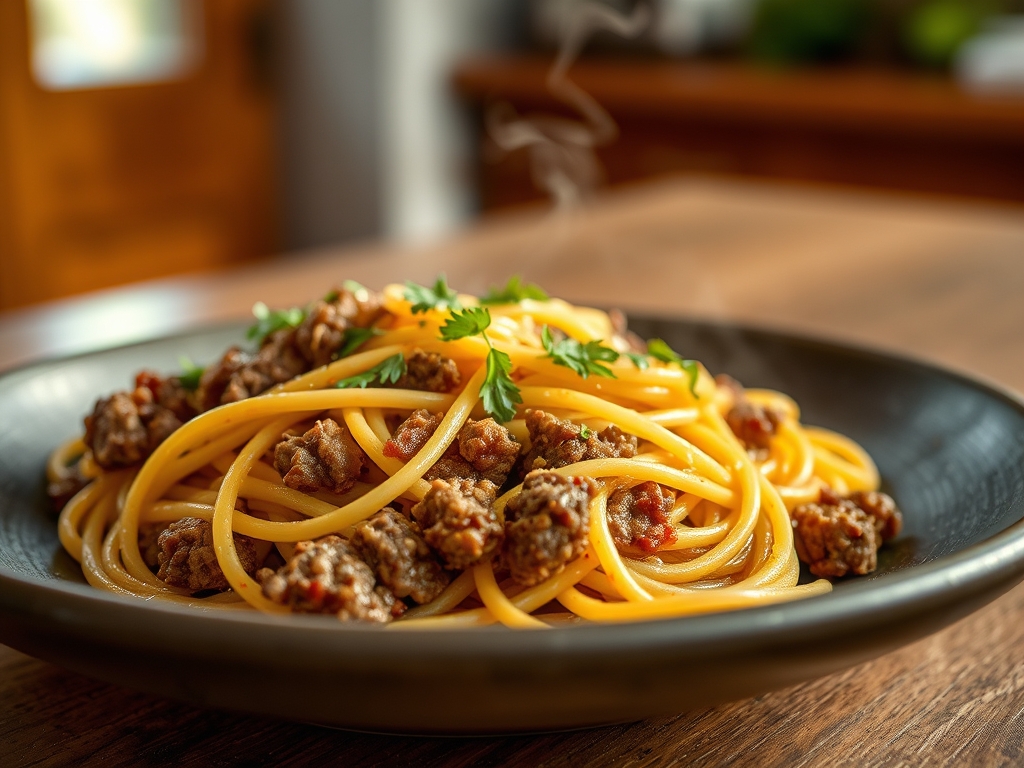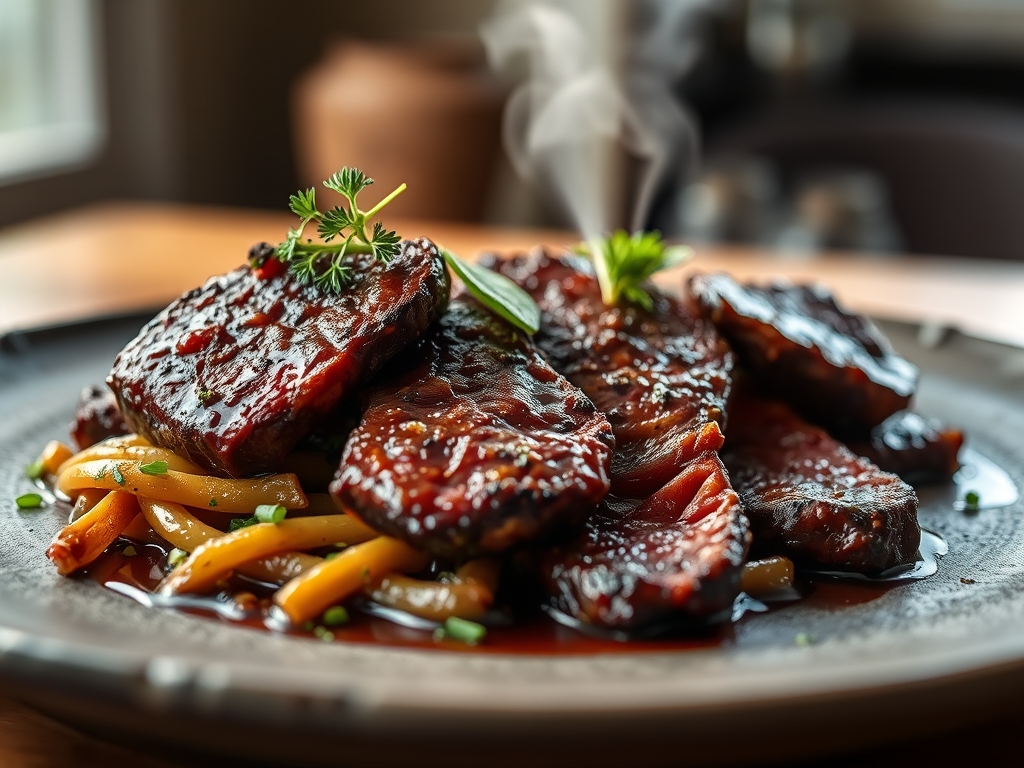
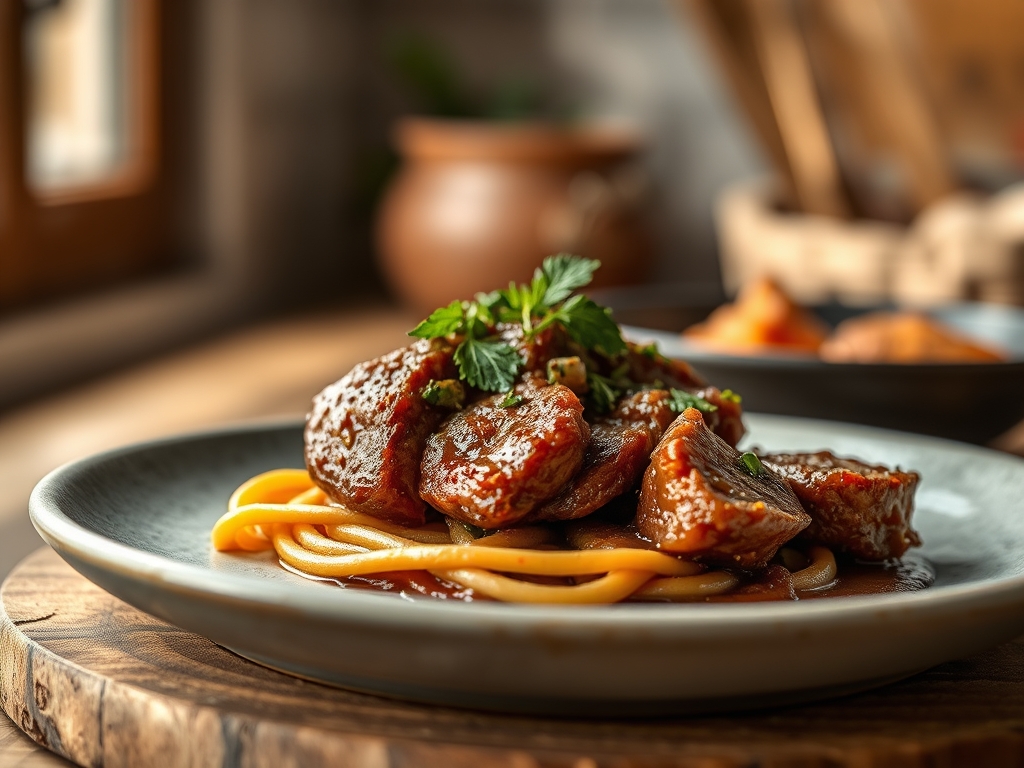
The kitchen is currently a blur of activity; the air is thick with the scent of rendering fat and the sharp, piquant aroma of freshly cracked peppercorns. You are tired, your phone is buzzing, and the hunger is real. This is where the magic of easy quick beef recipes saves your evening from the monotony of cereal or takeout. We are talking about high-heat searing that creates a crust so salty and crisp it shatters, paired with sauces that are glossy, viscous, and perfectly balanced. Beef is the ultimate weeknight MVP because it carries flavor with an intensity that poultry simply cannot match. In the time it takes to scroll through your feed, we are going to transform humble ground chuck or thin-sliced sirloin into a five-star experience. We are not just cooking; we are engineering flavor through heat and timing. Let us get your heavy-bottomed skillet screaming hot and turn that kitchen chaos into a culinary victory.
The Gathers:
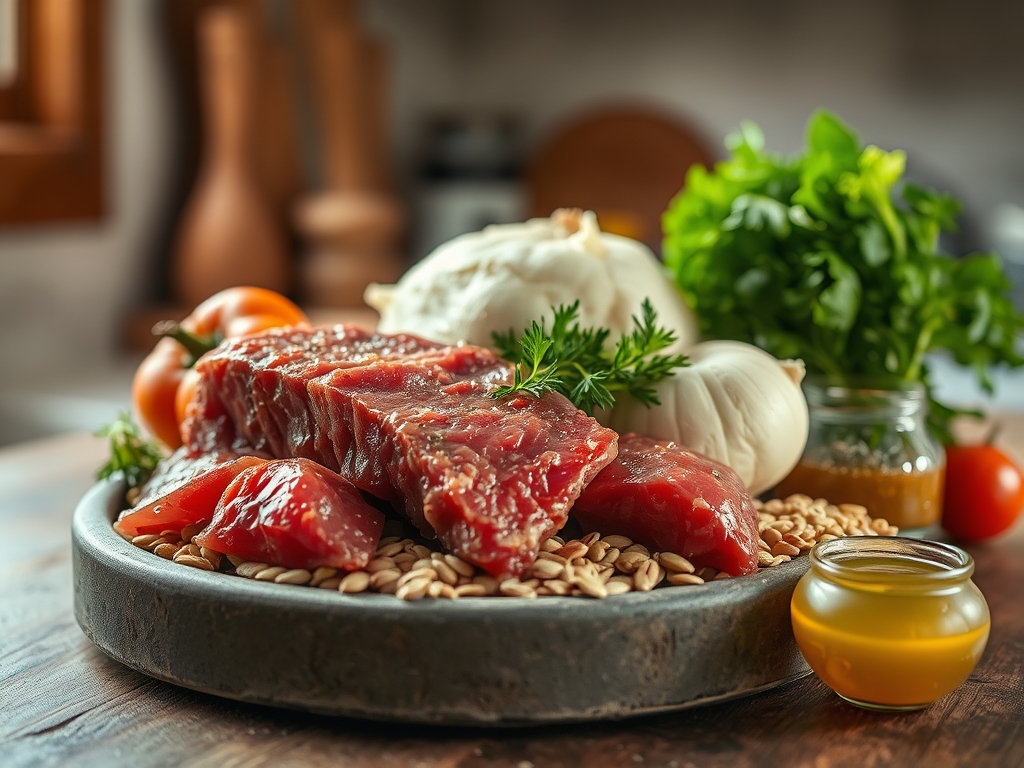
Setting your mise-en-place is not just about being organized; it is about controlling the rate of chemical reactions. For these easy quick beef recipes, you need high-surface-area cuts like shaved ribeye, ground brisket, or flank steak sliced against the grain. Use a digital scale to ensure your protein portions are consistent, which guarantees even cooking. Your aromatics should be prepped and ready: garlic smashed into a paste, ginger grated with a microplane to release essential oils, and scallions sliced into thin rounds.
Smart Substitutions:
If you cannot find flank steak, reach for flat iron or hanger steak. These cuts possess high myoglobin levels, ensuring a deep, mineral flavor even with short cook times. For a lighter profile, swap heavy cream in pan sauces for a splash of coconut milk or a knob of cold, unsalted butter whisked in at the very end to create a stable emulsion. If you are out of fresh aromatics, a high-quality garlic oil or a pinch of toasted cumin can provide that necessary aromatic lift.
The Clock
The secret to a sub-twenty-minute dinner is the "Chef's Flow." This is the art of overlapping tasks to eliminate dead time. While your skillet preheats (which takes about four minutes for cast iron), you should be seasoning your beef. The salt needs time to penetrate the muscle fibers via osmosis.
Prep Time: 8 minutes. This includes all slicing and sauce whisking.
Cook Time: 5 to 10 minutes depending on the cut.
The Flow: Start your starch first (rice or noodles). While the water boils, sear the beef. While the beef rests, deglaze the pan to make the sauce. By the time the sauce is thickened, your starch is fluffy and ready for plating.
The Masterclass
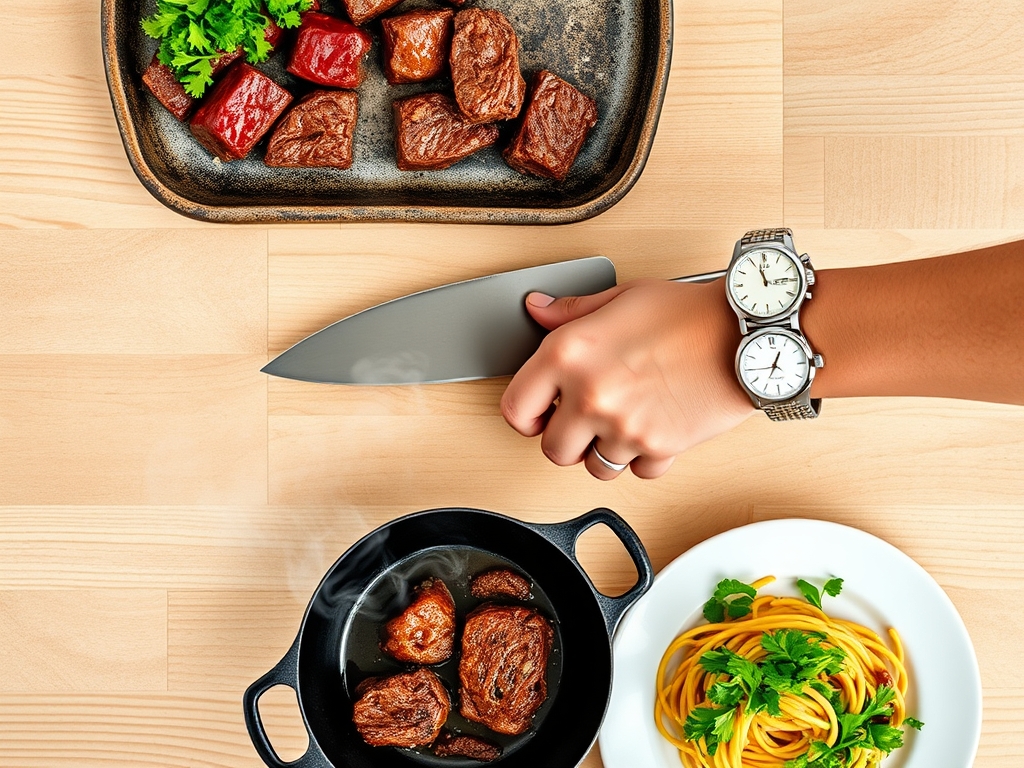
1. The High-Heat Sear
Pat your beef bone-dry with paper towels before it touches the pan. Moisture is the enemy of the Maillard reaction. Use tongs to lay the meat away from you into a shimmering film of high-smoke-point oil like avocado or grapeseed oil.
Pro Tip: This is chemical engineering. The Maillard reaction occurs between 280 and 330 degrees Fahrenheit. If the meat is wet, the energy goes into evaporating water (steaming) rather than browning, leaving you with gray, tough protein.
2. The Deglaze and Scrape
Once the beef is browned and removed, you will see brown bits stuck to the bottom of the pan. This is "fond," and it is concentrated flavor gold. Pour in a liquid like beef stock, dry sherry, or even a splash of balsamic vinegar. Use a stainless steel turner or bench scraper to lift those bits.
Pro Tip: Deglazing uses the principle of solubility to incorporate caramelized proteins back into your sauce. This creates a complex, savory profile that "one-pot" meals often lack.
3. The Emulsion Phase
Lower the heat and whisk in your fats or thickeners. If you are making a silky pan sauce, add cold butter cubes one at a time while whisking vigorously with a saucier whisk.
Pro Tip: This is called monter au beurre. The cold butter contains milk solids that act as emulsifiers, binding the fat and water-based liquids into a smooth, opaque sauce that coats the back of a spoon.
4. The Aromatic Infusion
Add your "hard" aromatics like rosemary or smashed garlic during the last two minutes of cooking. If using "soft" herbs like cilantro or parsley, add them only after the heat is turned off.
Pro Tip: Volatile organic compounds in herbs are heat-sensitive. Cooking them too long destroys the delicate top notes, leaving only a bitter aftertaste. Residual heat is enough to infuse the dish.
5. The Rest and Carryover
Move the beef to a warm plate and tent it loosely with foil. Do not cut into it immediately.
Pro Tip: This allows for thermal carryover. The internal temperature will rise by 5 degrees while resting. More importantly, the muscle fibers relax and reabsorb the juices. Cutting too soon causes the liquid to purge, resulting in dry meat.
6. The Acid Balance
Just before serving, add a "bright" element. A squeeze of lime, a teaspoon of rice vinegar, or a dash of pickled chili liquid.
Pro Tip: Acid acts as a flavor reinforcer. It cuts through the richness of the beef fat and "wakes up" the taste buds by balancing the pH of the dish, making the savory notes pop.
7. The Final Aeration
Give the sauce one last vigorous stir or whisk to aerate it before pouring it over the beef.
Pro Tip: Aeration incorporates tiny air bubbles that lighten the texture of a heavy sauce, making it feel more luxurious on the palate without adding extra calories or fat.
The Deep Dive
Macro Nutrition:
Beef is a powerhouse of bioavailable iron, B12, and zinc. A standard 6-ounce serving provides roughly 42 grams of protein. To keep these easy quick beef recipes lean, opt for loin or round cuts. If you are bulking, the intramuscular fat in a ribeye provides essential fatty acids and satiety.
Dietary Swaps:
- Vegan: Use "soy curls" or sliced portobello mushrooms. Use liquid aminos instead of Worcestershire sauce to maintain that umami hit.
- Keto: Replace sugar in marinades with monk fruit sweetener and serve over cauliflower rice or zoodles.
- GF: Ensure your soy sauce is replaced with Tamari or coconut aminos.
The Fix-It:
- Tough Meat: You likely cut with the grain. Next time, look for the parallel lines of muscle fiber and slice perpendicular to them to shorten the fibers.
- Broken Sauce: If your sauce looks oily and separated, whisk in a teaspoon of hot water or a splash of heavy cream to re-emulsify the fats.
- Burnt Garlic: Garlic burns at a lower temperature than beef. Always add garlic during the final 60 seconds of searing, never at the start.
Meal Prep:
When reheating beef, avoid the microwave if possible as it vibrates water molecules, "steaming" the meat from the inside and making it rubbery. Instead, use a low-heat skillet with a tablespoon of water and a lid. This creates a gentle steam environment that restores moisture without overcooking the center.
The Wrap-Up
You now have the technical blueprint to dominate the weeknight dinner hustle. These easy quick beef recipes are more than just instructions; they are a masterclass in heat management and flavor layering. By focusing on the Maillard reaction, proper deglazing, and the crucial rest period, you are elevating a simple meal into something truly professional. Remember, the best tool in your kitchen is your own confidence. Now, grab those tongs, get that skillet smoking, and show that steak who is boss. Dinner is served, and it is spectacular.
The Kitchen Table
How do I make beef tender in a hurry?
Slice the beef against the grain into very thin strips. This physically breaks the muscle fibers. Additionally, a 15-minute "velveting" soak in a teaspoon of baking soda and water can chemically tenderize tougher, cheaper cuts of meat.
What is the best oil for searing beef?
Use oils with a high smoke point, such as avocado, grapeseed, or refined peanut oil. Avoid extra virgin olive oil or butter for the initial sear, as they will burn and become bitter at the high temperatures required for browning.
Can I cook beef straight from the fridge?
For thin slices used in quick recipes, yes. For thicker steaks, it is better to let them sit at room temperature for 20 minutes. This ensures the center reaches the desired temperature without the exterior burning during the high-heat process.
Why did my beef turn gray instead of brown?
Gray meat is a sign of steaming. This happens if the pan is overcrowded or if the meat was wet. Cook in batches to maintain high pan tension and always pat the beef dry with paper towels before searing.