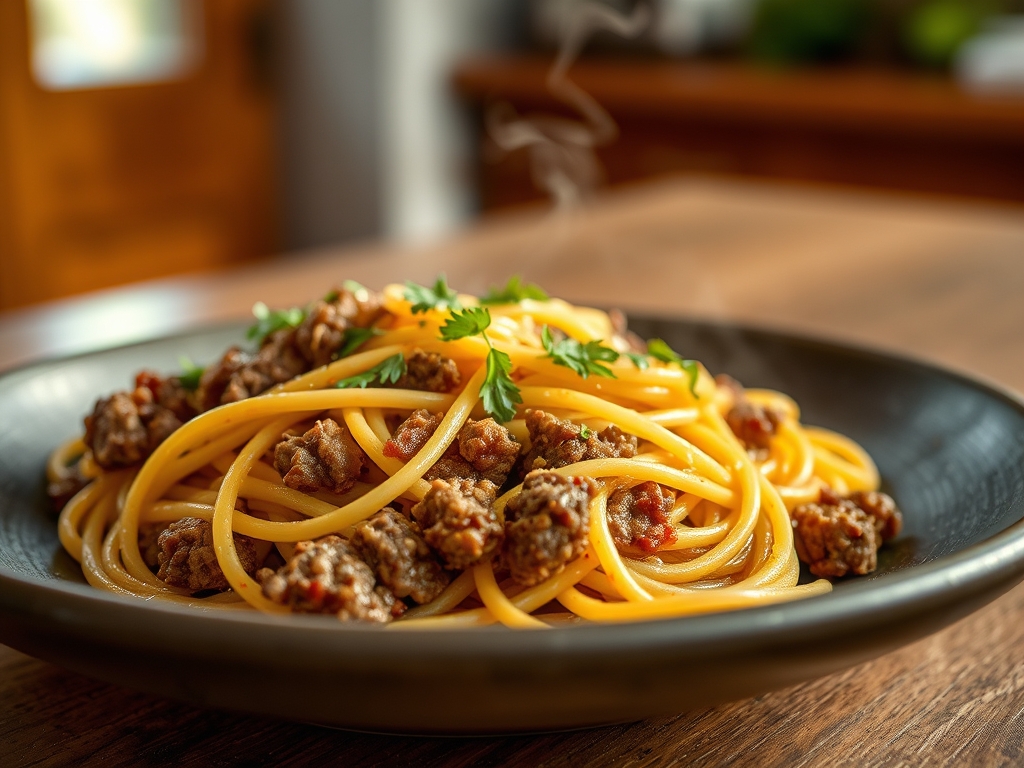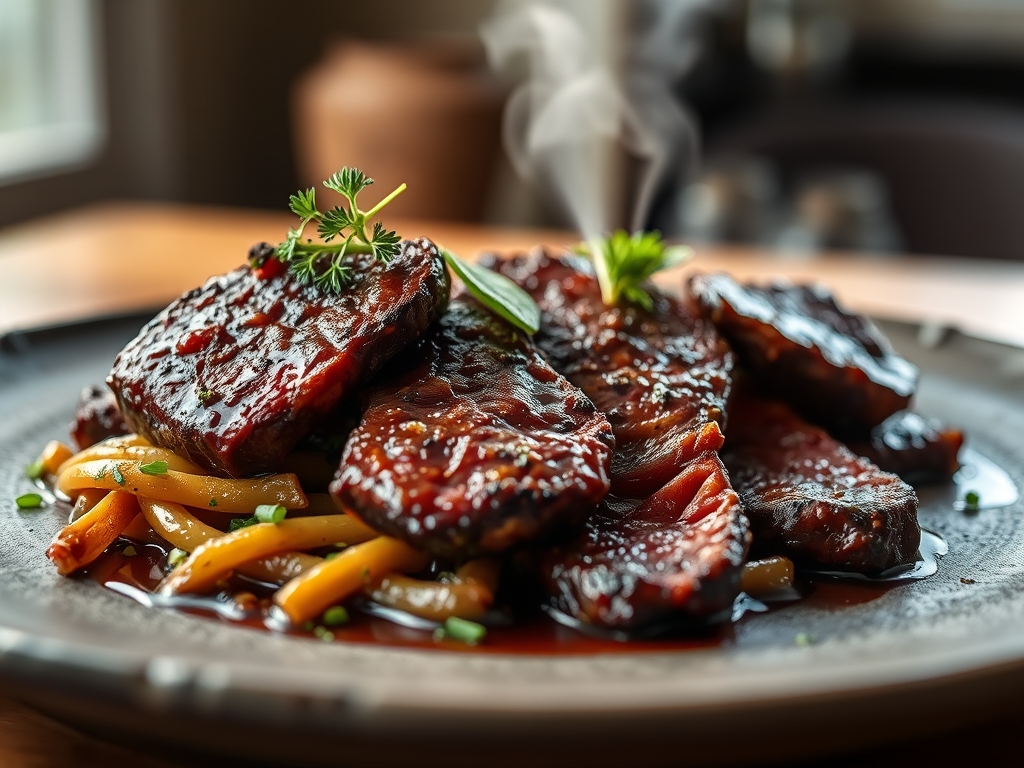
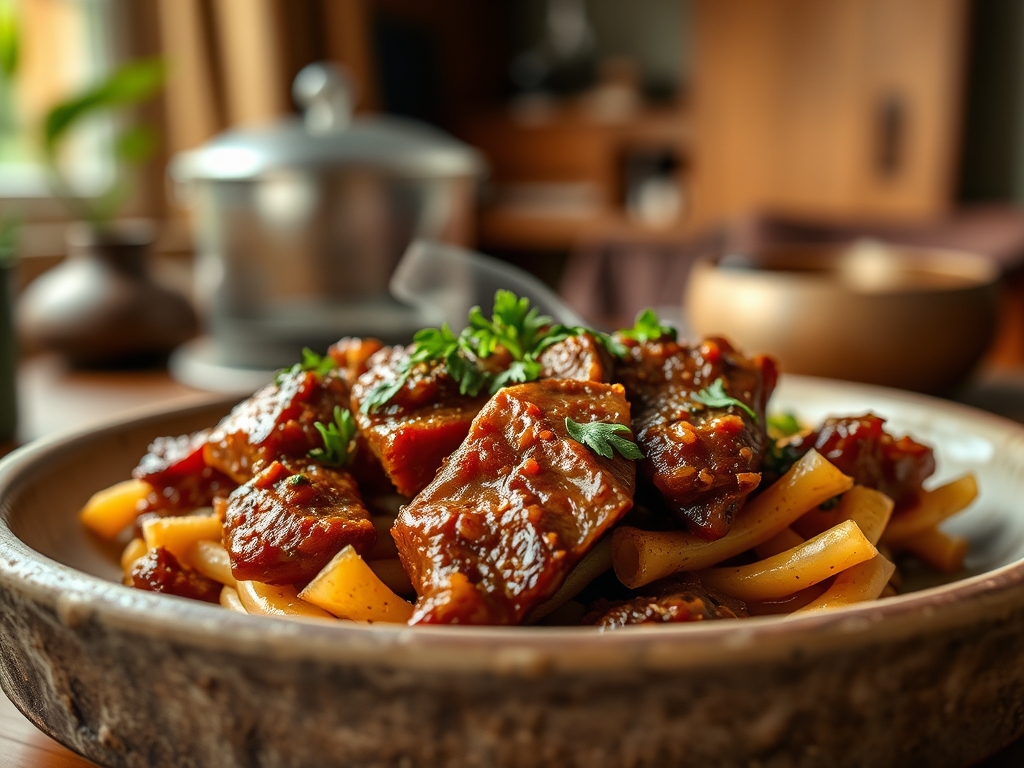
Imagine the scent of rendered fat hitting a blistering heavy-bottomed skillet; it is the olfactory signature of Istanbul. When you explore authentic turkish beef recipes, you are not just cooking dinner. You are engaging in a centuries-old dialogue between fire and spice. The beef transforms from simple protein into a tender, juice-laden vessel for sumac and silk-cut chili.
Turkish cuisine treats beef with a reverence that borders on the scientific. Whether it is the slow emulsification of a stew or the rapid Maillard reaction on a skewer, every movement is intentional. We are moving beyond basic grilling. We are talking about deep, viscous sauces and the piquant bite of pickled peppers. This guide will dismantle the mystery of the Anatolian kitchen, turning your stovetop into a high-heat laboratory of flavor.
The Gathers:
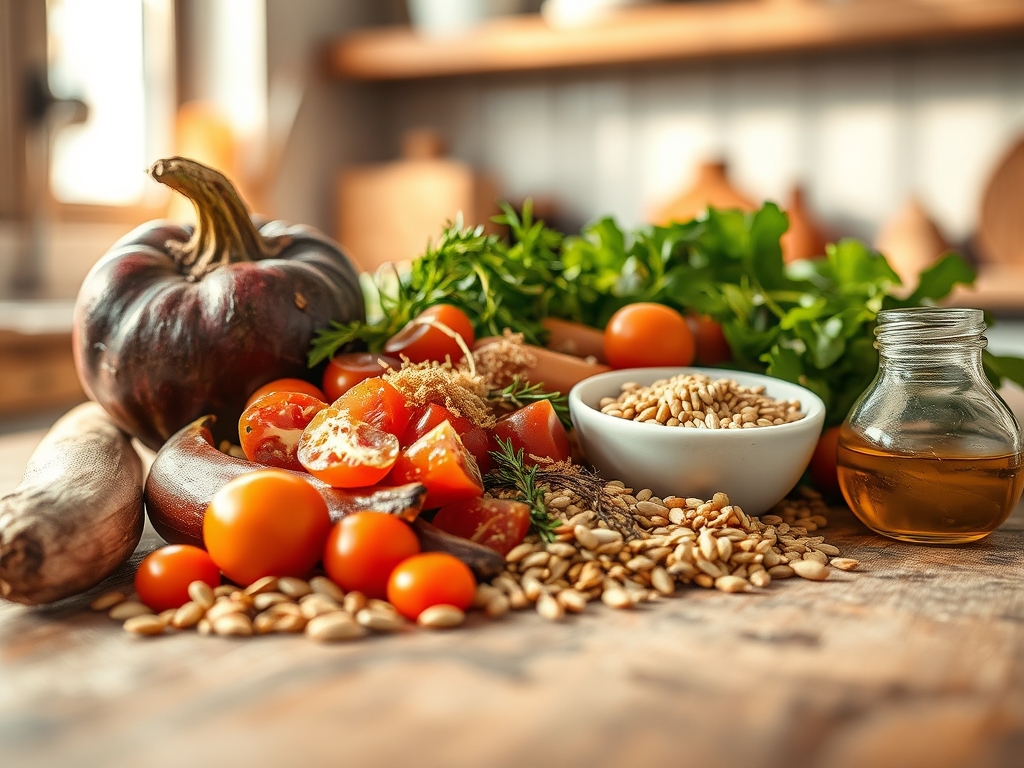
To master these turkish beef recipes, your mise-en-place must be precise. Start with the beef; look for cuts with significant intramuscular fat, such as ribeye or chuck. You will need a digital scale to measure your spices, as the ratio of cumin to Aleppo pepper determines the aromatic profile.
Essential aromatics include red onions, which have a higher sugar content for better caramelization, and garlic that should be processed with a microplane to release maximum allicin. For the fats, seek out high-quality clarified butter or tallow to ensure a high smoke point.
Smart Substitutions: If you cannot find authentic Maras pepper, a blend of three parts smoked paprika and one part cayenne mimics that earthy, slow-burn heat. For those avoiding nightshades, a combination of sumac and lemon zest provides the necessary acidity without the capsaicin kick. If you lack a traditional copper pot, a heavy-bottomed Dutch oven is your best friend for heat retention.
The Clock
Efficiency in the kitchen is about the Chef's Flow. For these nine dishes, expect a preparation window of 45 minutes and active cooking times ranging from 20 minutes for sautés to 3 hours for braises.
The flow begins with the "Cold Start" for aromatics, followed by the "High-Heat Sear" for the beef. While the meat rests to allow for thermal carryover, you will prepare the cold components like yogurt sauces or sumac onions. This staggered approach ensures that the textures remain distinct; the beef stays succulent while the vegetables retain a slight structural snap.
The Masterclass
1. The Hunkar Begendi Foundation
This dish features slow-cooked beef over a smoky eggplant puree. Use your tongs to char the eggplants directly over a gas flame until the skin is carbonized. This creates a chemical infusion of smoke into the flesh.
Pro Tip: The science here is enzymatic browning. By adding a splash of lemon juice to the eggplant pulp immediately after scooping, you inhibit the polyphenol oxidase, keeping the puree vibrant rather than grey.
2. Cokertme Kebabi Precision
This involves matchstick potatoes topped with thin beef strips. Use a mandoline for the potatoes to ensure uniform thickness, which guarantees a synchronized fry time.
Pro Tip: To achieve the ultimate crunch, rinse the cut potatoes in ice water to remove surface starch. This prevents the pieces from sticking together and allows for a more rapid moisture evaporation during the fry.
3. Kagit Kebabi (Paper Kebab)
Small cubes of beef and vegetables are wrapped in parchment paper and baked. This is essentially a high-pressure steam chamber.
Pro Tip: This method utilizes convection and steam. The parchment traps the moisture, allowing the beef to braise in its own juices at a constant temperature, which breaks down collagen without drying out the exterior.
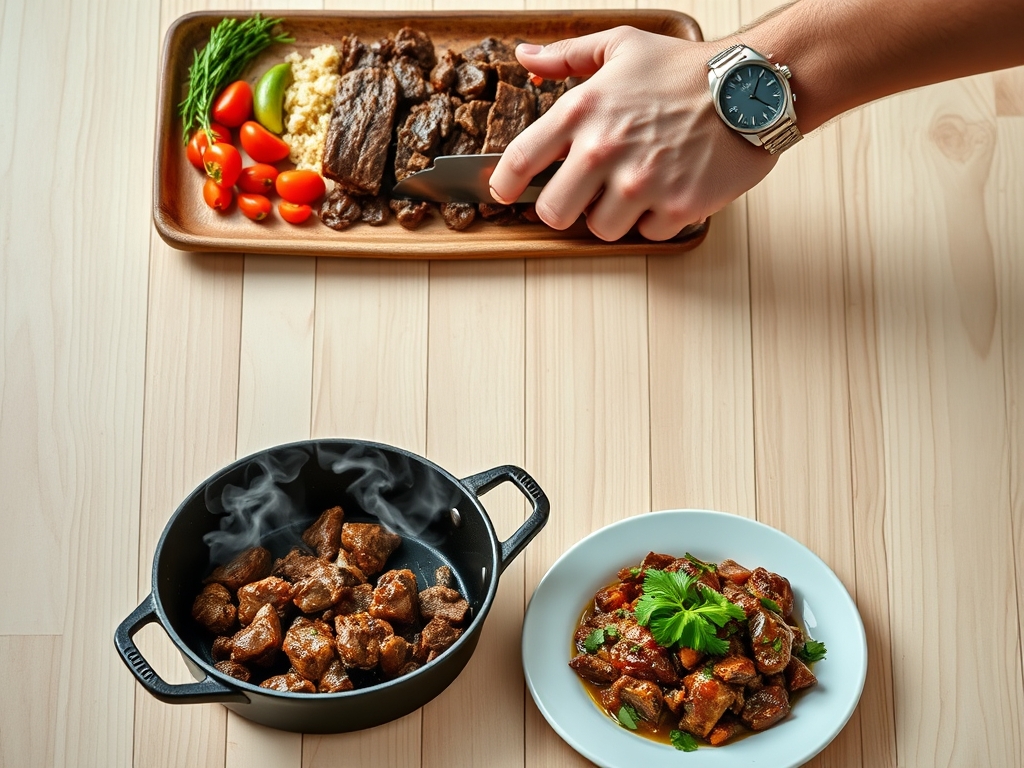
4. Sac Kavurma Searing
Using a thin, concave metal pan (a sac), the beef is flash-fried with peppers and tomatoes. If you do not have a sac, a wide cast-iron skillet is a perfect substitute.
Pro Tip: This is a masterclass in moisture management. You must sear the beef in small batches to prevent the temperature of the pan from dropping; otherwise, the meat will boil in its own juices rather than searing.
5. Izmir Kofte Geometry
These are oval-shaped meatballs baked with potatoes in a tomato-based saucier. The key is the bind.
Pro Tip: Knead the meat for at least ten minutes. This process develops myosin, a protein that acts as a natural glue. It results in a springy, cohesive texture that holds up during the simmering process.
6. Ali Nazik Assembly
Similar to Begendi but using a yogurt-based eggplant bed. The beef is often sautéed with brown butter and flakes of chili.
Pro Tip: When browning the butter, you are looking for the Maillard reaction of the milk solids. Stop the heat the moment it smells nutty to avoid bitterness, then immediately add the chili to bloom the fat-soluble flavors.
7. Beyti Sarma Rolling
Ground beef is grilled on skewers, wrapped in lavash, and sliced into rounds. Use a bench scraper to ensure clean cuts through the dough and meat.
Pro Tip: Resting the cooked meat for three minutes before wrapping is vital. This allows the internal juices to redistribute so they do not soak into the bread and turn it into a soggy mess.
8. Tas Kebabi Braising
A classic pot roast style dish. The beef is deglazed with a splash of vinegar or red wine to lift the fond from the bottom of the pot.
Pro Tip: Use the deglazing technique to incorporate the caramelized sugars back into the sauce. This adds a layer of umami that cannot be achieved through seasoning alone.
9. Etli Kuru Fasulye (White Bean Stew with Beef)
The ultimate comfort food. The beans must be soaked overnight to break down complex sugars.
Pro Tip: Add salt only at the end of the cooking process. Salting the beans too early can toughen the skins by interfering with the hydration of the starch granules.
The Deep Dive
From a macro perspective, these turkish beef recipes are protein-dense powerhouses. A standard serving offers roughly 35g of protein and 20g of healthy fats, primarily from the beef and olive oil.
Dietary Swaps: For a Keto version, replace the bread or rice sides with cauliflower mash infused with garlic. For a Gluten-Free adjustment, ensure your tomato paste has no thickeners and use GF flour for any roux-based purees. To go Vegan, high-protein seitan or king oyster mushrooms provide a similar fibrous texture when seared with the same spice profiles.
The Fix-It:
- Tough Meat: If your braise is chewy, it likely hasn't reached the temperature where collagen converts to gelatin. Increase time, not heat.
- Broken Yogurt Sauce: If your yogurt curdles, it was heated too fast. Temper the yogurt by adding small amounts of hot liquid to the cold yogurt before mixing it into the main pot.
- Bland Flavor: You likely didn't bloom your spices. Sauté your dry spices in fat for 30 seconds before adding liquids to unlock their essential oils.
Meal Prep: To reheat, avoid the microwave. Use a small saucier over low heat and add a tablespoon of water or broth. This creates a gentle steam that re-hydrates the protein fibers without overcooking them.
The Wrap-Up
Mastering these dishes is about more than just following a list of ingredients; it is about understanding the physics of the kitchen. From the way you handle your tongs to the precision of your digital scale, every detail contributes to that final, perfect bite. Turkish beef recipes offer a world of texture and heat that will transform your culinary repertoire. Now, grab your skillet and let the searing begin.
The Kitchen Table
Can I use lean beef for these recipes?
Lean beef works but lacks the flavor of marbled cuts. If using lean beef, decrease the cooking time significantly to prevent the protein fibers from tightening and becoming dry. Adding a bit of extra olive oil can help mimic the mouthfeel.
What is the best way to store leftovers?
Store beef dishes in airtight glass containers for up to three days. Glass is non-reactive and won't absorb the strong scents of garlic and cumin. Always cool the dish to room temperature before sealing to prevent excess condensation.
Why is my tomato sauce bitter?
Bitterness usually comes from undercooked tomato paste. Sauté the paste in fat for at least two minutes until it turns a deep brick red. This caramelizes the natural sugars and removes the metallic, acidic edge.
Do I really need to knead the kofte?
Yes. Kneading develops the proteins necessary for a professional texture. Without it, your meatballs will crumble in the sauce. Think of it like developing gluten in bread; you are building the structural integrity of the dish.