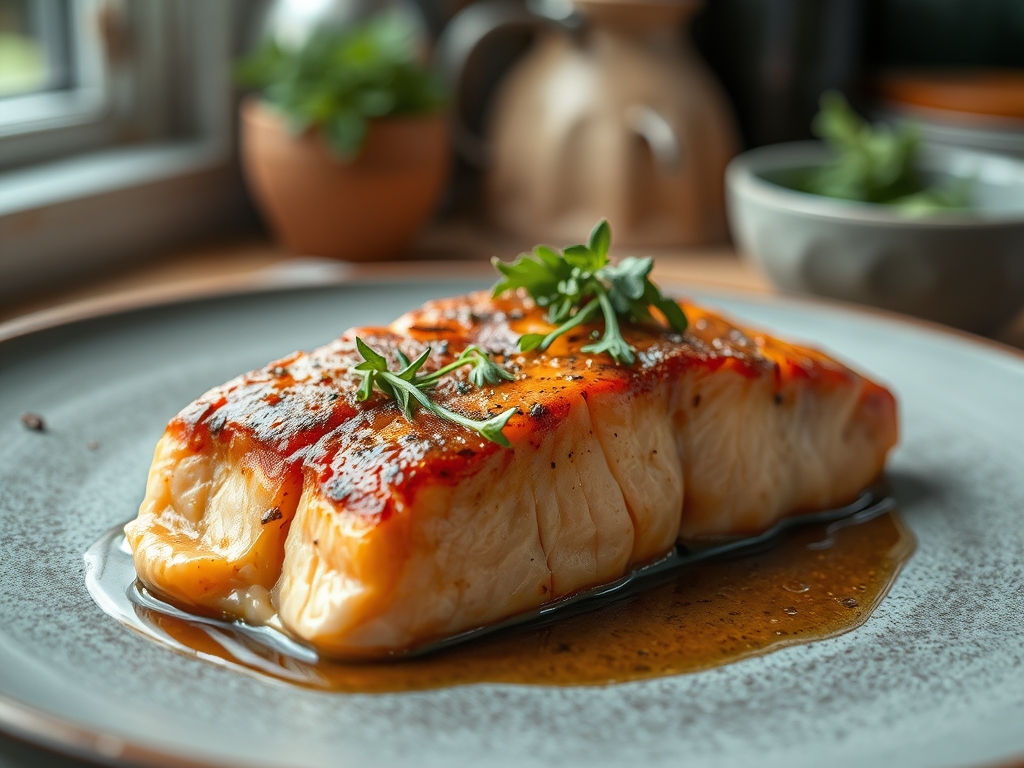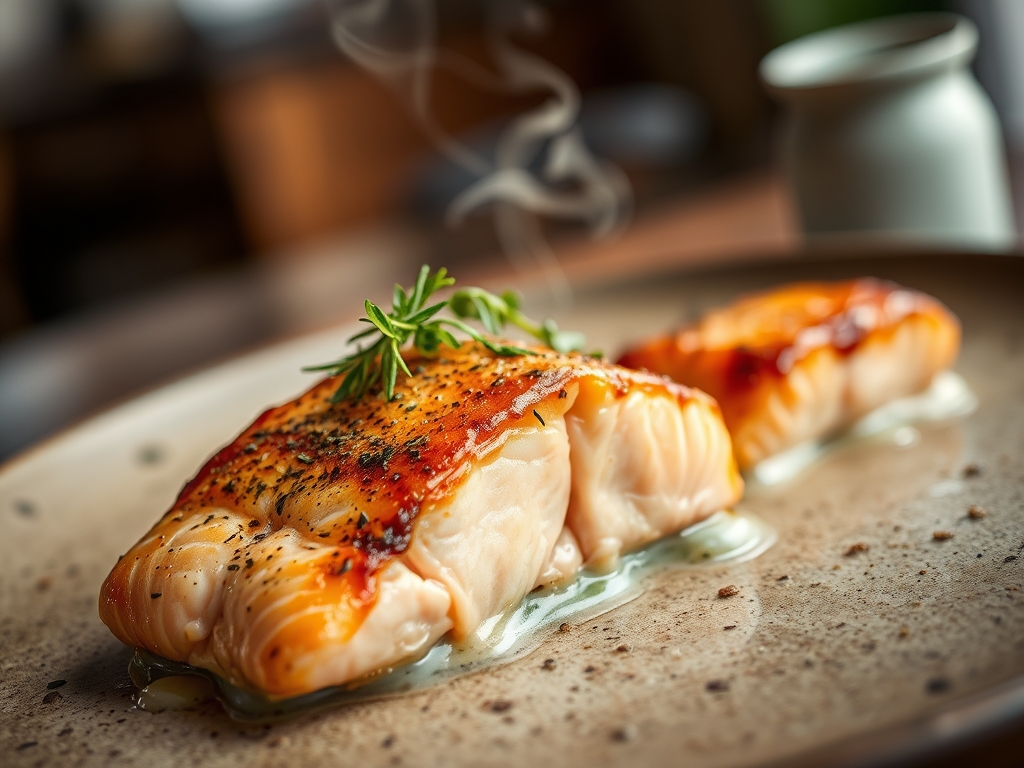
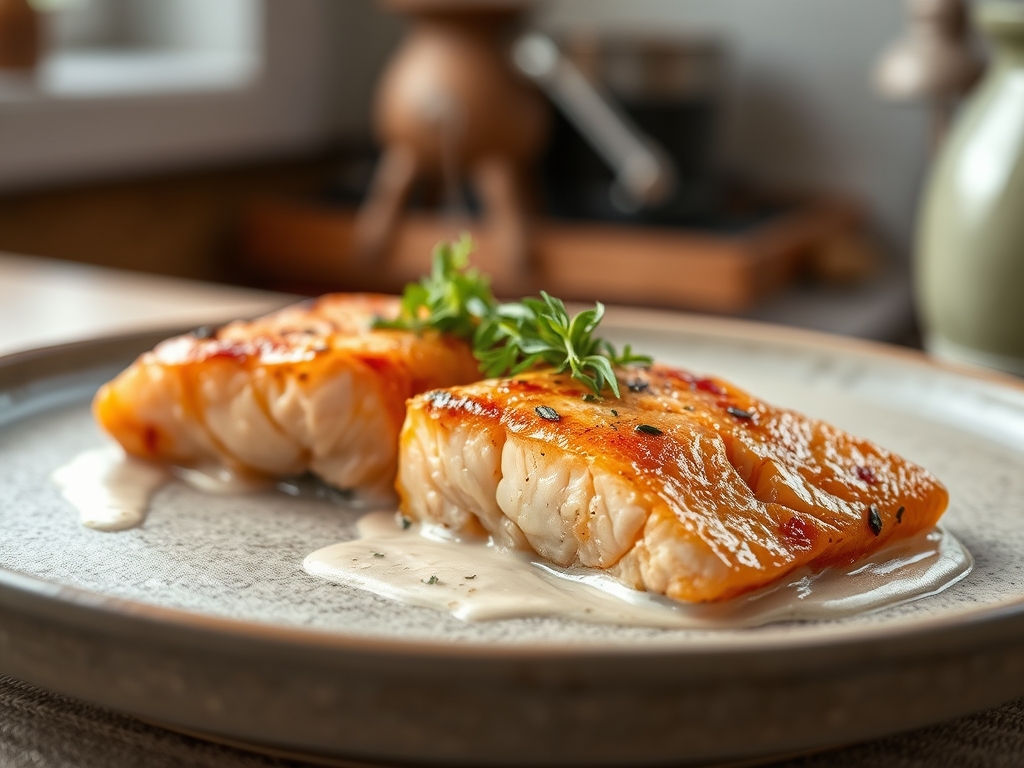
Imagine a kitchen where the air is thick with the scent of sizzling butter and the sharp, bright zing of Meyer lemons. This is the world of Diane Morrisey salmon recipes; a place where high-end culinary technique meets the comfort of a home-cooked meal. If you have ever scrolled through her feed, you know that her approach to seafood is less about following a rigid script and more about mastering the physics of heat and fat. Salmon is the ultimate canvas for this because its high lipid content allows it to withstand intense searing while remaining buttery and translucent at the core. We are not just making dinner here. We are engineering a sensory experience that balances the saline snap of the ocean with the earthy depth of toasted aromatics. Whether you are looking for a crispy skin technique that rivals a Michelin star bistro or a slow-poached preparation that melts like velvet, these nine masterpieces redefine what home cooking can be. Put on your favorite apron and grab your heavy-bottomed skillet. We are about to dive into the molecular magic of the perfect filet.
The Gathers:
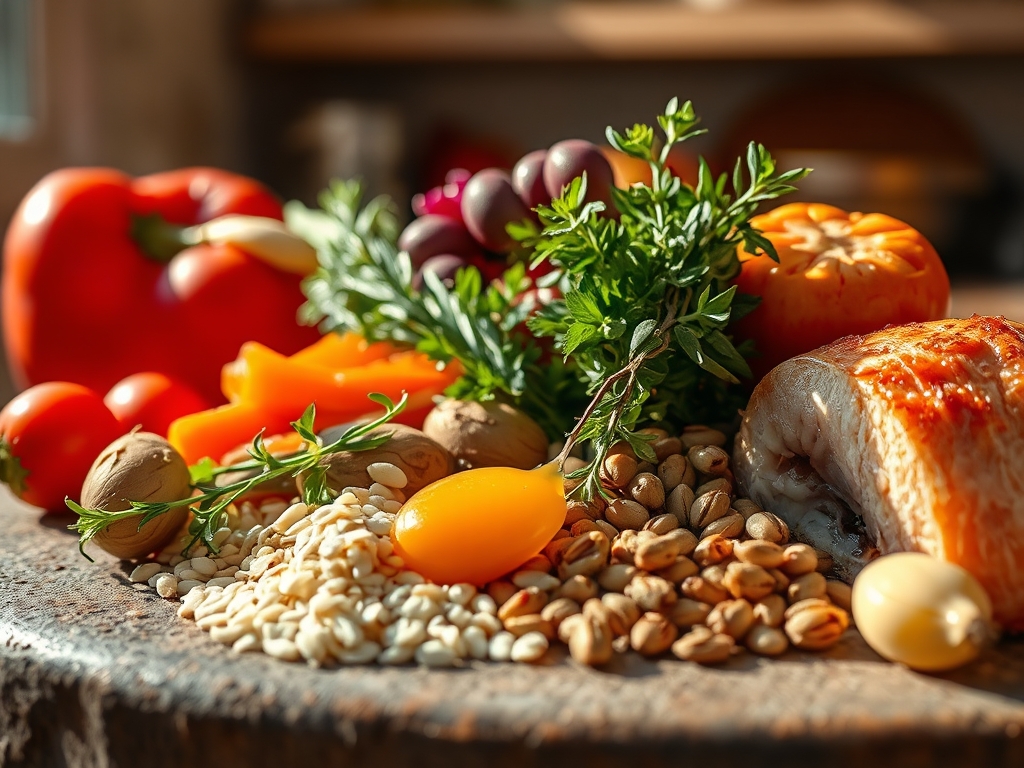
To execute these recipes with precision, your mise-en-place must be impeccable. Start with the centerpiece: high-quality Atlantic or King salmon filets. Look for deep pigmentation, which indicates a diet rich in carotenoids. You will need a viscous fat source, preferably high-smoke point avocado oil for searing and unsalted European-style butter for finishing. The butter provides the milk solids necessary for Maillard reaction browning.
For the aromatics, gather fresh dill, flat-leaf parsley, and chives. Use a sharp microplane to zest your citrus; this ensures you capture the essential oils in the flavedo without hitting the bitter white pith. You will also need piquant elements like capers, Dijon mustard, and shallots to cut through the richness of the fish.
Smart Substitutions: If you cannot find fresh salmon, high-quality frozen sockeye works well, provided you thaw it slowly in the refrigerator to prevent cellular breakdown. For a dairy-free version, swap the butter for a neutral oil infused with nutritional yeast to mimic that savory, umami depth. If you are out of shallots, the white parts of green onions provide a similar delicate pungency without overpowering the delicate proteins.
The Clock
The "Chef's Flow" is all about timing the thermal momentum of your kitchen. Preparation takes approximately 15 minutes of active knife work, focusing on uniform dicing to ensure even cooking. The actual cooking time for most Diane Morrisey salmon recipes ranges from 8 to 12 minutes.
The secret is the resting period. You must allow for 3 to 5 minutes of off-heat rest to let the internal juices redistribute. If you cut into the fish immediately, the pressure from the contracted muscle fibers will force the moisture out, leaving you with a dry result. Total time from fridge to table is roughly 30 minutes; the perfect window for a weeknight triumph.
The Masterclass
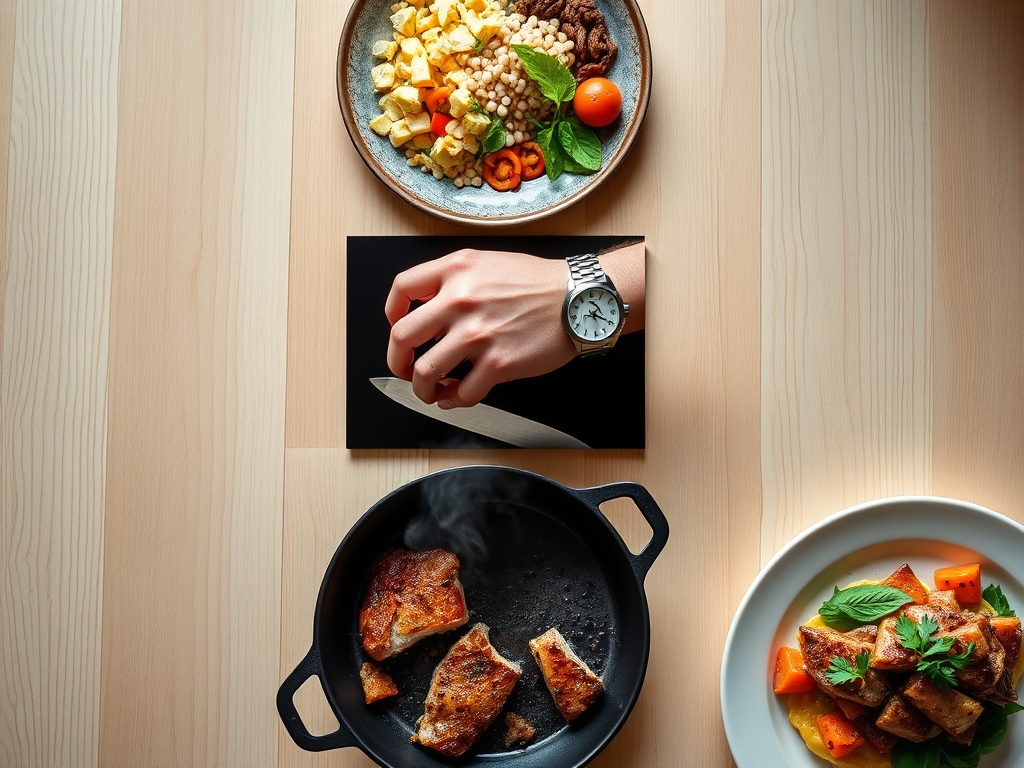
1. The Desiccation Phase
Pat the salmon skin bone-dry using paper towels. Moisture is the enemy of the crunch. If the surface is damp, the heat of the pan will spend its energy evaporating water rather than crisping the skin.
Pro Tip: This prevents "steaming" the fish. By removing surface moisture, you allow the proteins to undergo pyrolysis faster, creating that iconic golden crust.
2. Tempering the Protein
Let the filets sit at room temperature for 10 minutes before they hit the pan. Cold fish causes the pan temperature to plummet, which leads to sticking and uneven cooking.
Pro Tip: This reduces the thermal gradient between the exterior and interior, ensuring the middle reaches the target temperature before the outside overcooks.
3. The Sear and Press
Place the salmon skin-side down in a preheated skillet. Use a fish spatula to press down firmly for the first 30 seconds. This prevents the skin from curling as the collagen fibers contract.
Pro Tip: Constant contact ensures even heat distribution across the skin's surface, leading to a uniform, glass-like texture.
4. Rendering the Fat
Maintain medium-high heat to render the subcutaneous fat layer. This fat acts as a natural frying medium for the skin itself.
Pro Tip: As the fat liquefies, it creates a barrier that protects the delicate flesh from direct, aggressive heat.
5. The Butter Baste
Add a knob of butter, crushed garlic, and herbs to the pan during the last two minutes. Tilt the pan and use a large spoon to continuously douse the fish in the foaming fat.
Pro Tip: This technique, known as arroser, uses the hot butter to gently cook the top of the filet while infusing it with aromatic compounds.
6. Monitoring Internal Temp
Use a digital thermometer to pull the fish at 125 degrees Fahrenheit for medium-rare. The temperature will continue to rise during the rest.
Pro Tip: This accounts for thermal carryover, where the residual heat on the surface migrates toward the center after the fish is removed from the heat source.
7. Deglazing the Pan
Once the fish is resting, use white wine or lemon juice to deglaze the browned bits (the fond) from the bottom of the skillet.
Pro Tip: This captures the concentrated flavors created during the searing process, forming the base of a high-impact pan sauce.
8. Emulsifying the Sauce
Whisk in cold butter or heavy cream to the deglazed liquid until it becomes glossy and viscous.
Pro Tip: Cold butter creates a stable emulsion; if the butter is too warm, the sauce will "break" and become greasy rather than velvety.
9. The Final Garnish
Finish with a flurry of fresh herbs and a sprinkle of flaky sea salt. The salt provides a textural contrast to the soft fish.
Pro Tip: Adding herbs at the very end preserves their volatile oils and vibrant green color, which would otherwise be destroyed by prolonged heat.
The Deep Dive
From a nutritional standpoint, salmon is a powerhouse of Omega-3 fatty acids and high-quality protein. A standard 6-ounce portion provides roughly 35 grams of protein and is naturally low in carbohydrates, making it a staple for Keto and Paleo lifestyles. For a vegan swap, you can apply these searing techniques to thick slabs of "King Oyster" mushrooms, which mimic the meaty texture of seafood.
The Fix-It:
- White Stuff Appearing: This is albumin, a protein that squeezes out when fish is cooked too fast or too long. Fix: Lower your heat and pull the fish sooner.
- Stuck Skin: You likely tried to flip it too early. Fix: Wait for the protein to naturally release from the pan; it will "tell" you when it is ready.
- Soggy Skin: There was too much moisture in the pan. Fix: Ensure the fish is dry and do not crowd the skillet.
Meal Prep: To reheat salmon without it turning into rubber, use the "low and slow" method. Place it in a 275-degree oven with a splash of water and cover with foil. This creates a gentle steam environment that rehydrates the fibers.
The Wrap-Up
Mastering Diane Morrisey salmon recipes is about more than just a meal; it is about gaining confidence in the kitchen. By understanding the relationship between moisture, heat, and fat, you transform a simple piece of protein into a restaurant-quality masterpiece. The beauty of these techniques lies in their versatility. Once you nail the perfect sear, you can swap the flavors from citrus-garlic to miso-glaze or spicy harissa. Go forth, grab your tongs, and let the sizzle begin.
The Kitchen Table
How do I get the skin extra crispy?
Ensure the skin is bone-dry and the pan is shimmering hot before adding the fish. Use a weight or spatula to maintain flat contact with the skillet surface for the first minute to maximize the Maillard reaction.
Why is my salmon dry inside?
You likely bypassed the thermal carryover stage. Salmon should be removed from the heat when it is 5 to 10 degrees below your target temperature. Always allow it to rest for at least three minutes before serving.
Can I use frozen salmon for these recipes?
Yes, but you must thaw it completely in the refrigerator. Pat it excessively dry with paper towels to remove the moisture from the ice crystals, which can interfere with the searing process and cause sticking.
What is the best pan for searing salmon?
A heavy-bottomed stainless steel or cast-iron skillet is ideal. These materials retain heat efficiently, ensuring the pan temperature does not drop when the cold fish is added, which is crucial for a perfect crust.