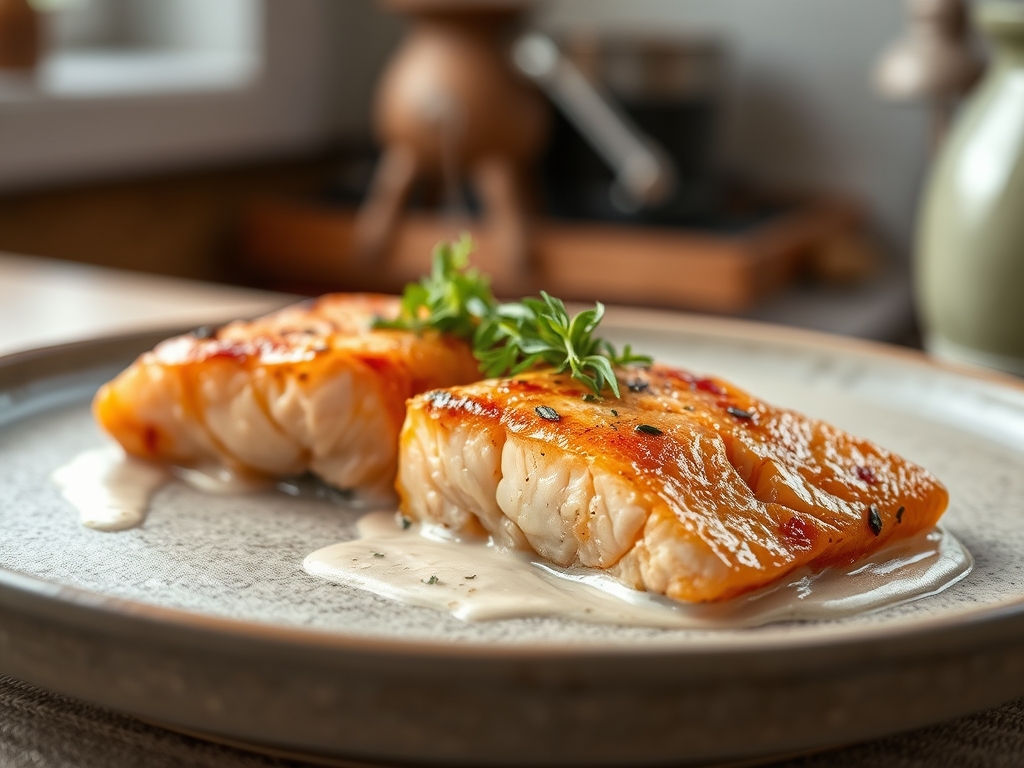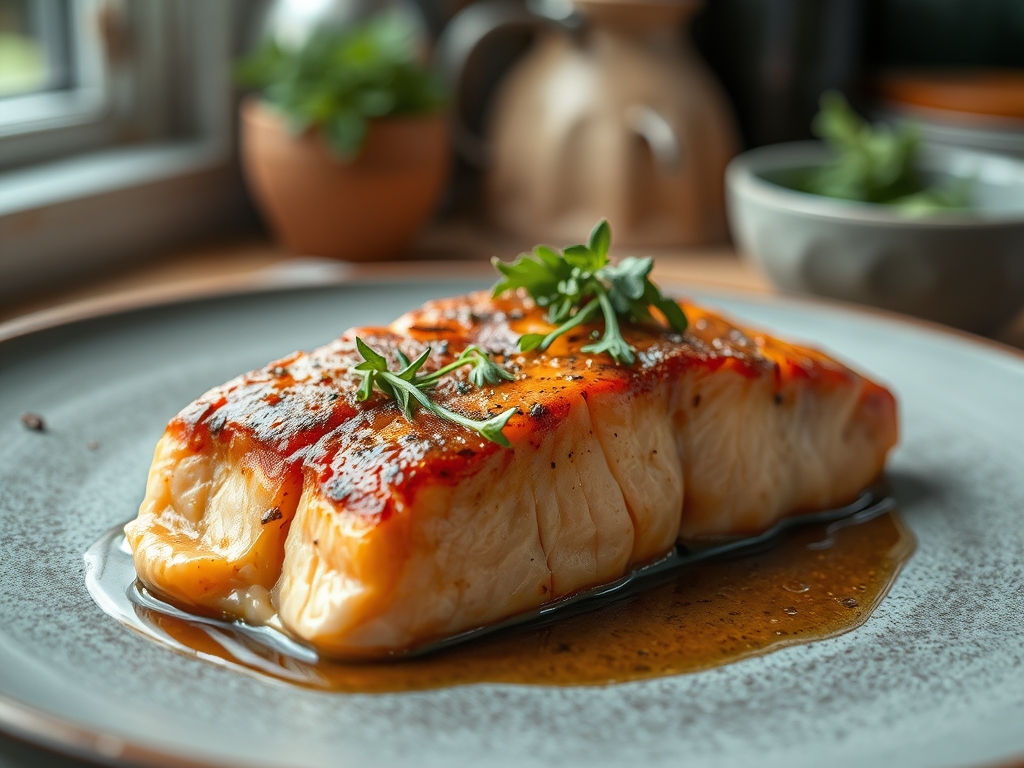
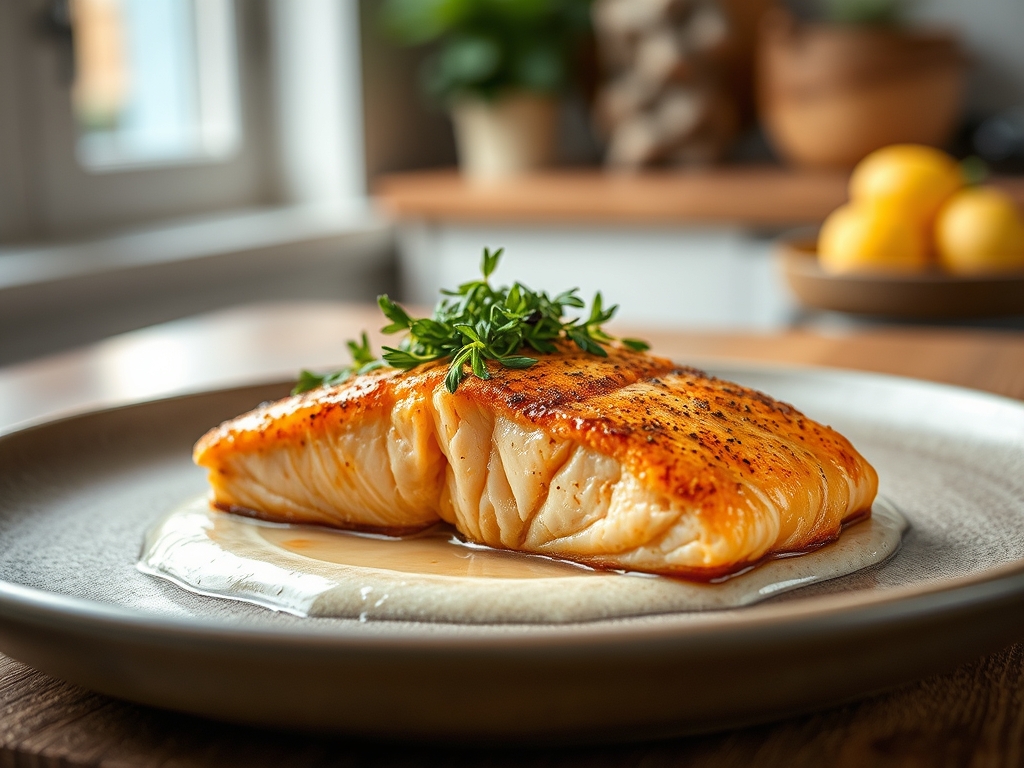
Imagine a kitchen filled with the scent of sizzling butter and bright citrus; not the heavy, oceanic aroma that usually sends you running for the hills. If you have spent years avoiding the seafood counter, it is likely because you have been served oxidized, overcooked fillets. Finding salmon recipes that don't taste fishy is not just a culinary goal; it is a chemical necessity for a happy palate. We are going to transform that pink protein into something buttery, crisp, and entirely devoid of that dreaded "fishy" aftertaste.
The secret lies in understanding that "fishiness" is actually the scent of trimethylamine, a compound that develops as fish ages. By using specific culinary techniques, we can neutralize these odors and highlight the rich, steak-like qualities of the fish. Whether you are a lifelong skeptic or someone trying to incorporate more Omega-3s into your diet, this masterclass will change your relationship with the sea forever. We are using heat, acid, and fat to rewrite the narrative of your dinner plate.
The Gathers:
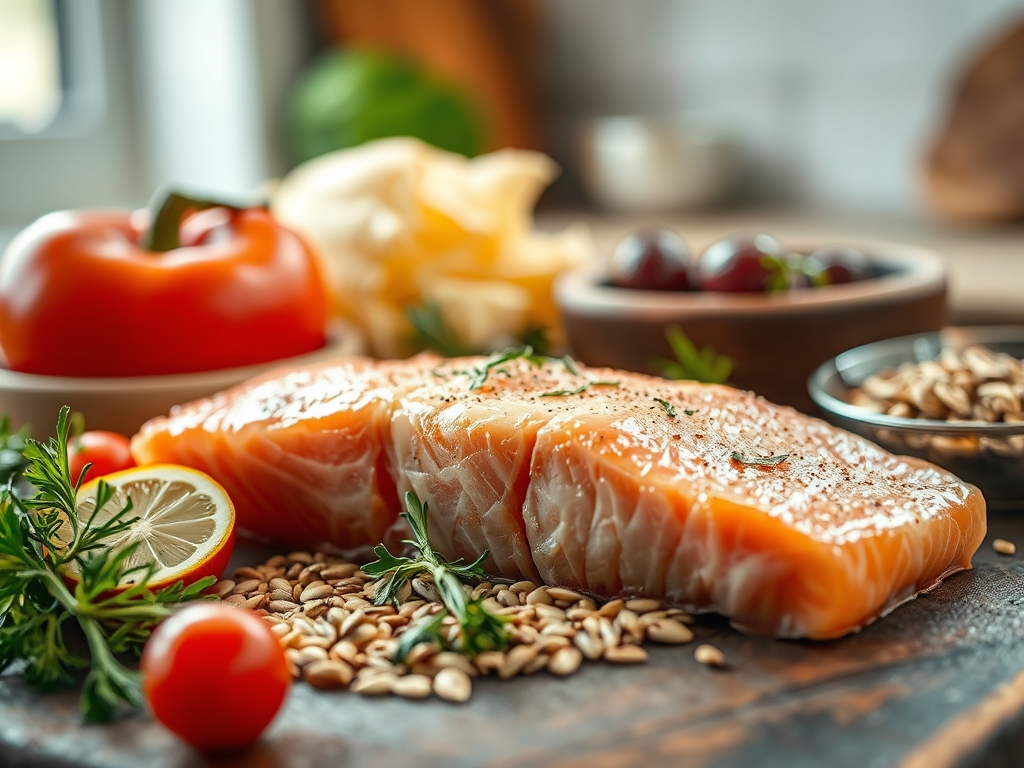
To achieve a restaurant-quality result, your mise-en-place must be precise. Start with a high-quality center-cut fillet; look for King or Atlantic salmon with vibrant color and firm flesh. You will need a heavy-bottomed skillet, preferably cast iron or stainless steel, to ensure even heat distribution. Grab your microplane for zesting lemons, as the essential oils in the zest provide a piquant aroma that masks any lingering oceanic scents.
For the marinade and seasoning, gather kosher salt, cracked black pepper, and a high-smoke-point oil like avocado oil. To create a viscous glaze, you will need honey, Dijon mustard, and fresh garlic. Smart Substitutions are key here: if you are avoiding dairy, swap the finishing butter for a cold-pressed olive oil or a rich coconut cream. If you want a deeper umami profile without the salt, use liquid aminos instead of soy sauce. Ensure your digital scale is handy to measure portions accurately; a standard 6-ounce fillet is the "sweet spot" for even cooking.
The Clock
Efficiency in the kitchen is about the Chef's Flow, which is the logical sequencing of tasks to minimize downtime. Your total active prep time should be approximately 10 minutes, with a cooking window of 8 to 12 minutes depending on the thickness of the fillet.
Start by bringing the fish to room temperature for 15 minutes before it touches the pan; this prevents the muscle fibers from seizing up and ensures a tender interior. While the fish rests, prepare your glaze and side dishes. The actual "fire time" is remarkably fast. You are looking for a 4-minute sear on the skin side to render the fat, followed by a gentle 3-to-5-minute finish on the flesh side. This rapid transition ensures the interior remains succulent while the exterior develops a golden crust.
The Masterclass
1. The Milk Bath Soak
Before any seasoning touches the fish, soak your fillets in a shallow bowl of whole milk for 20 minutes. The proteins in the milk, specifically casein, bind to the trimethylamine oxide that causes the fishy smell and effectively pull it away from the flesh.
Pro Tip: This is a molecular "reset" for the fish. The milk acts as a mild buffer, neutralizing acidic odors and leaving the fillet with a clean, neutral profile ready for seasoning.
2. The Desiccating Pat-Down
Use a lint-free paper towel to vigorously pat the salmon dry on all sides. Moisture is the enemy of the Maillard reaction, which is the chemical process that creates that delicious brown crust.
Pro Tip: If the surface is damp, the fish will steam rather than sear. Steaming traps volatile compounds inside the fish, which can intensify "fishy" flavors instead of allowing them to evaporate.
3. The High-Heat Sear
Place your heavy-bottomed skillet over medium-high heat until the oil begins to shimmer. Use tongs to gently lay the salmon skin-side down. You should hear an immediate, aggressive sizzle.
Pro Tip: Thermal conductivity is essential here. A hot pan causes the proteins on the surface to denature and bond, creating a crisp barrier that locks in moisture and prevents the "white albumin" from leaking out.
4. The Butter Baste
In the final two minutes of cooking, drop a tablespoon of unsalted butter and a smashed garlic clove into the pan. Use a large spoon to infuse the bubbling butter over the fish repeatedly.
Pro Tip: This technique, known as "arrosé," uses the fat to carry heat into the crevices of the fish. The milk solids in the butter undergo enzymatic browning, adding a nutty, toasted flavor that complements the salmon.
5. The Acidic Deglaze
Once the fish is removed, use a splash of white wine or lemon juice to deglaze the pan. Scrape up the browned bits (the fond) with a bench scraper or wooden spoon to create a quick pan sauce.
Pro Tip: Acid is a chemical neutralizer for amines. By finishing the dish with a high-acid sauce, you provide a bright top note that cuts through the richness of the fish fat.
6. The Carryover Rest
Transfer the salmon to a warm plate and let it rest for at least 3 minutes before serving. Do not tent it tightly with foil, as this will soften the crispy skin you worked so hard to achieve.
Pro Tip: Thermal carryover means the internal temperature will continue to rise by 5 to 10 degrees after removal from the heat. Resting allows the juices to redistribute, ensuring the center is flakey rather than dry.
The Deep Dive
From a macro nutrition perspective, salmon is a powerhouse. A single 6-ounce serving provides roughly 34 grams of protein and a significant dose of Vitamin B12 and Selenium. For those on specific diets, this recipe is naturally Keto and Gluten-Free. If you are following a Vegan lifestyle, you can apply these same searing and glazing techniques to "salmon" made from marinated tofu or pressed watermelon, though the cooking times will vary significantly.
The Fix-It: Common Pitfalls
- The Fish is Sticking: This usually happens because you tried to flip it too early. The fish will naturally "release" from the pan once the proteins have sufficiently browned.
- White Gunk on Top: This is albumin. It is harmless but unsightly. It occurs when the fish is cooked too fast at too high a temperature. Lower your heat slightly to keep the proteins from contracting too violently.
- The Center is Raw: If your fillet is extra thick, use a saucier or a lid to briefly cover the pan for 60 seconds to trap steam and cook the center without burning the bottom.
Meal Prep & Reheating
To maintain "day-one" quality, never reheat salmon in the microwave. The rapid agitation of water molecules will turn the fats rancid and make the fish smell. Instead, use a toaster oven at 275 degrees Fahrenheit for 10 minutes, or flake the cold salmon into a salad or over warm pasta.
The Wrap-Up
Mastering salmon recipes that don't taste fishy is your ticket to a sophisticated, healthy dinner rotation that everyone at the table will actually enjoy. By focusing on moisture control, high-heat searing, and the strategic use of acids, you have moved beyond "home cook" territory and into the realm of culinary science. Remember; the best fish is the one that tastes like the ingredients you love, not the ocean it came from. Now, grab your skillet and get searing!
The Kitchen Table
How do I tell if salmon is fresh at the store?
Look for firm, shiny flesh that springs back when touched. The scent should be like a neutral sea breeze, not pungent or sour. Avoid fillets with any milky liquid in the packaging, as this indicates cellular breakdown.
Can I use frozen salmon for these recipes?
Yes, but thaw it slowly in the refrigerator overnight. Once thawed, treat it exactly like fresh fish, ensuring you pat it completely dry. Frozen salmon is often flash-frozen at sea, making it exceptionally fresh for those inland.
What is the best temperature for cooked salmon?
For a moist, flakey texture, aim for an internal temperature of 125 to 135 degrees Fahrenheit. Use a digital thermometer to check the thickest part. Cooking beyond 145 degrees results in a dry, chalky texture and a stronger fishy taste.
Why does my salmon always smell when I cook it?
Odors usually stem from old fish or burning the delicate fish oils. Using a high-smoke-point oil and ensuring your kitchen is well-ventilated helps. The milk soak mentioned in the masterclass is your best defense against lingering smells.