Close your eyes and imagine the scent of caramelizing sugars wafting through a crisp kitchen. We are moving far beyond the soggy, marshmallow-topped casseroles of the past. Today, we are mastering creative sweet potato recipes that leverage molecular chemistry to transform a humble tuber into a gourmet centerpiece. By manipulating heat and moisture, we will unlock deep umami notes and textures ranging from velvet purees to shattered-glass crisps.
Whether you are hosting a high-stakes dinner party or just leveling up your meal prep, these techniques turn starch into art. We are looking for that perfect balance of salt, acid, and heat. From salt-crusted roasting to spicy infused oils, we are about to redefine what this root vegetable can do. It is time to grab your apron and your favorite chef's knife; we are diving into the science of flavor.
The Gathers:
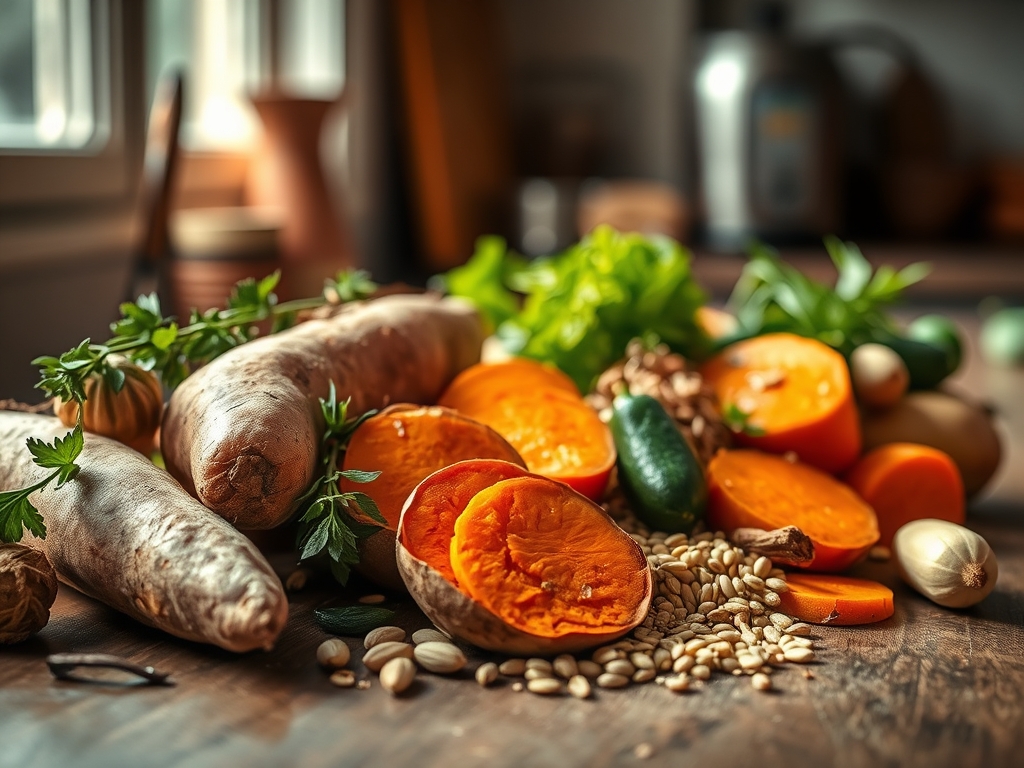
Your mise-en-place is the foundation of culinary success. For these creative sweet potato recipes, you need high-density Garnet or Jewel varieties. These contain the specific amylase enzymes required for superior sugar conversion. Gather your digital scale for precision; we are aiming for uniform mass to ensure even cooking. You will also need high-smoke-point fats like ghee or avocado oil to facilitate the Maillard reaction without acrid scorching.
Smart Substitutions: If you cannot find Japanese Murasaki potatoes (which offer a chestnut-like flavor), use white sweet potatoes and add a touch of toasted sesame oil to mimic that nutty profile. For a vegan swap in creamy applications, reach for full-fat coconut milk or a viscous cashew cream. If you lack fresh galangal for infusions, ginger and a pinch of black pepper will provide that necessary piquant bite.
The Clock
Efficiency in the kitchen is all about "Chef's Flow." Total active prep time for these six variations is approximately 45 minutes, while passive roasting spans 60 to 90 minutes. Start by preheating your oven to 425 degrees Fahrenheit. This high initial heat is crucial for rapid moisture evaporation on the skin.
While the potatoes undergo their thermal transformation, use this window to prepare your infusions and garnishes. By the time the digital thermometer reads an internal temperature of 210 degrees Fahrenheit, your sauces should be emulsified and your garnishes crisped. This overlapping workflow ensures that every component hits the plate at its peak sensory state.
The Masterclass
1. The Salt-Crust Roast
Scrub your tubers and pack them in a thick layer of kosher salt mixed with egg whites. This creates a pressurized oven within your oven. The salt crust traps steam, ensuring the interior becomes incredibly viscous and sweet while the skin remains taut.
Pro Tip: This technique utilizes thermal insulation. The salt crust prevents the direct, harsh dry heat from toughening the outer starch layer, allowing the internal enzymes to convert starch to maltose more efficiently at lower internal temperatures.
2. Miso-Butter Glazed Rounds
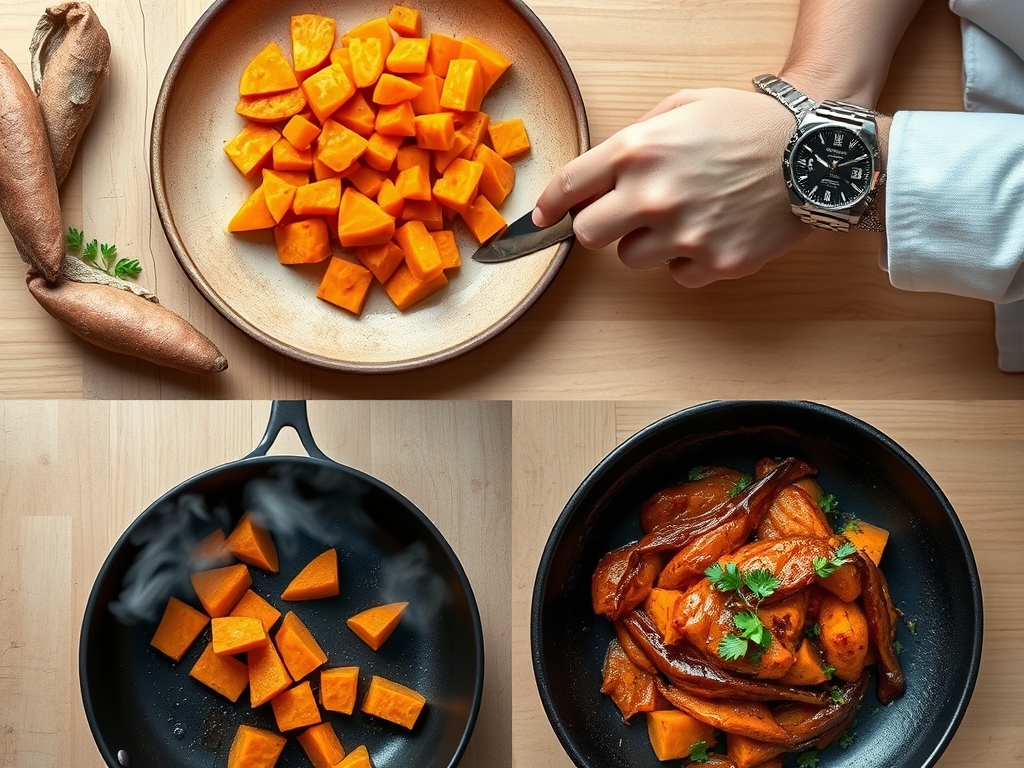
Slice the potatoes into one-inch discs using a bench scraper to keep your edges clean. Sear them in a heavy-bottomed skillet until a deep brown crust forms. Deglaze the pan with a mixture of white miso, honey, and rice vinegar.
Pro Tip: This relies on the Maillard reaction. By adding miso, you are introducing amino acids that react with the potato's natural sugars, creating hundreds of new flavor compounds that taste savory and "meaty."
3. Whipped Cardamom Puree
Boil peeled cubes in salted water until tender. Pass them through a fine-mesh sieve or a ricer to ensure zero lumps. Fold in brown butter and freshly ground cardamom using a saucier over low heat to maintain an emulsion.
Pro Tip: Use a microplane for the spices to maximize surface area. Passing the potato through a sieve prevents starch retrogradation, which happens when you over-work the cells with a blender, resulting in a gluey texture.
4. Hasselback with Chili Crunch
Use two wooden spoons as guides to slice thin slits into the potato without cutting all the way through. Brush with a spicy infused oil. As the potato roasts, the "fins" fan out, increasing the surface area for crisping.
Pro Tip: This method maximizes evaporative cooling on the edges. The increased surface area allows moisture to escape faster, leading to a "shattered" texture on the tips while the base remains soft.
5. Sweet Potato Gnocchi
Mix roasted potato flesh with "00" flour and a hint of nutmeg. Roll into ropes and cut. Sauté the pillows in a heavy-bottomed skillet with sage and browned butter until the exterior is golden.
Pro Tip: Avoid enzymatic browning by working quickly once the potatoes are peeled. The high heat of the skillet creates a "pellicle" or a thin skin that prevents the gnocchi from absorbing too much fat.
6. Hasselback Gratin
Thinly slice potatoes using a mandoline. Stand them upright in a baking dish and pour over a mixture of heavy cream, garlic, and gruyere. Bake until the tops are charred and the bottom is a rich, bubbling custard.
Pro Tip: This is a study in emulsification. The starch from the potatoes leaches into the cream, thickening it into a stable sauce that resists "breaking" even under high heat.
The Deep Dive
From a macro perspective, sweet potatoes are a powerhouse of complex carbohydrates and Beta-carotene. To keep these creative sweet potato recipes keto-friendly, focus on the Hasselback method using smaller portions and increasing the healthy fats like tallow or grass-fed butter. For vegan guests, render coconut fat to achieve the same mouthfeel as dairy.
The Fix-It:
- Soggy Skin: Your oven temperature was too low. Fix this by finishing the potato under the broiler for 120 seconds.
- Gluey Puree: You likely used a food processor. To fix, fold in a bit of warm broth or cream by hand to loosen the viscous starch bonds.
- Burnt Glaze: The sugar content in miso is high. If it darkens too fast, deglaze the pan with a splash of water or mirin to lower the temperature instantly.
Meal Prep Science: To reheat with "day-one" quality, avoid the microwave. The waves agitate water molecules unevenly, making the starch gummy. Instead, use an air fryer or oven at 350 degrees to re-crisp the exterior through convection.
The Wrap-Up
Mastering creative sweet potato recipes is about more than just following a list; it is about understanding how heat interacts with starch and sugar. By using tools like the microplane and heavy-bottomed skillet, you elevate a simple root into a culinary masterpiece. Go forth and experiment with these textures. Your kitchen is your laboratory, and the results are delicious.
The Kitchen Table
How do I stop my sweet potatoes from getting mushy?
Avoid overcrowding the pan and ensure your oven is at least 400 degrees. High heat facilitates rapid evaporation, which is essential for a crisp exterior. Always pat the skins completely dry before adding any oil or fat.
What is the best way to store leftover roasted potatoes?
Store them in an airtight glass container in the refrigerator. To maintain texture, do not stack them; layering causes steam to build up. Reheat in a convection oven to restore the crispness of the skin and the interior fluffiness.
Can I use these recipes for purple sweet potatoes?
Yes, but purple varieties have a lower moisture content. You may need to increase the liquid or fat in purees. They are excellent for roasting because they hold their structural integrity better than the softer orange varieties.
Why should I use a digital scale for potatoes?
Uniformity is key to consistent results. Measuring by weight ensures that all pieces cook at the same rate. This prevents the frustration of having some pieces burnt while others remain raw in the center.