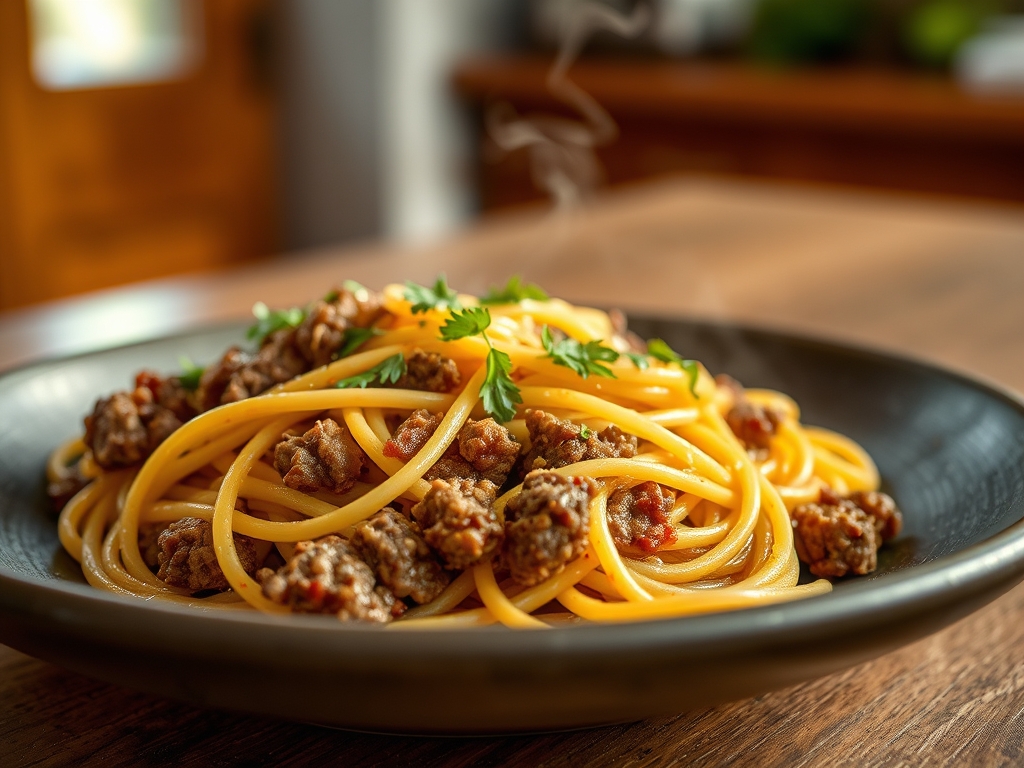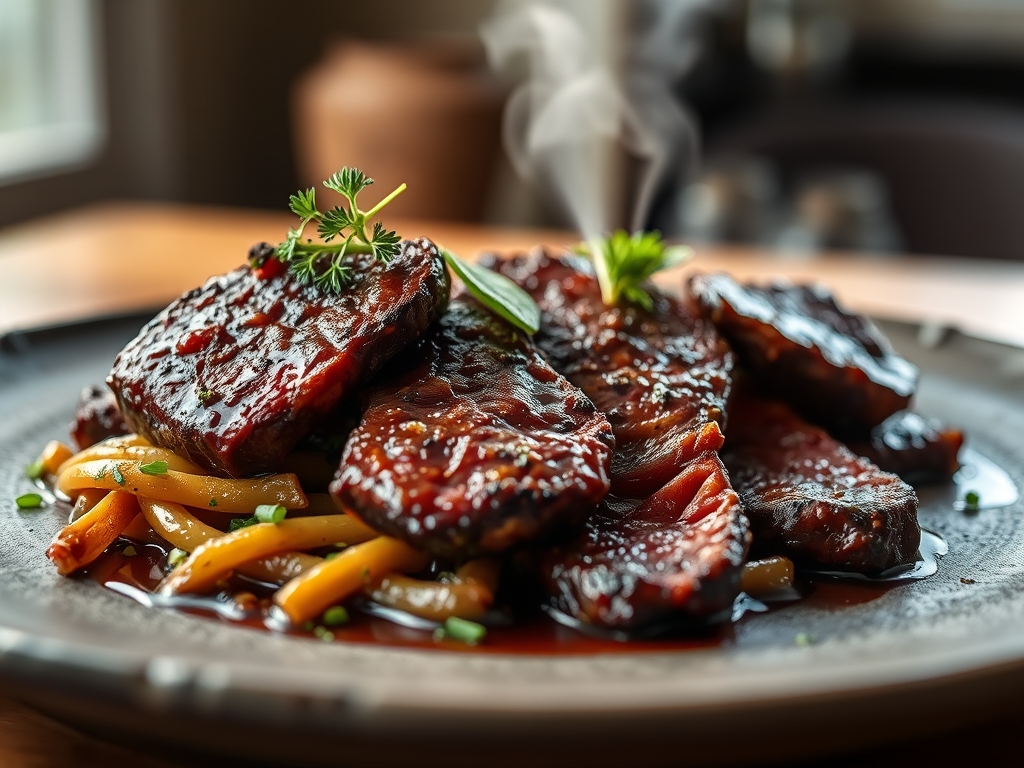
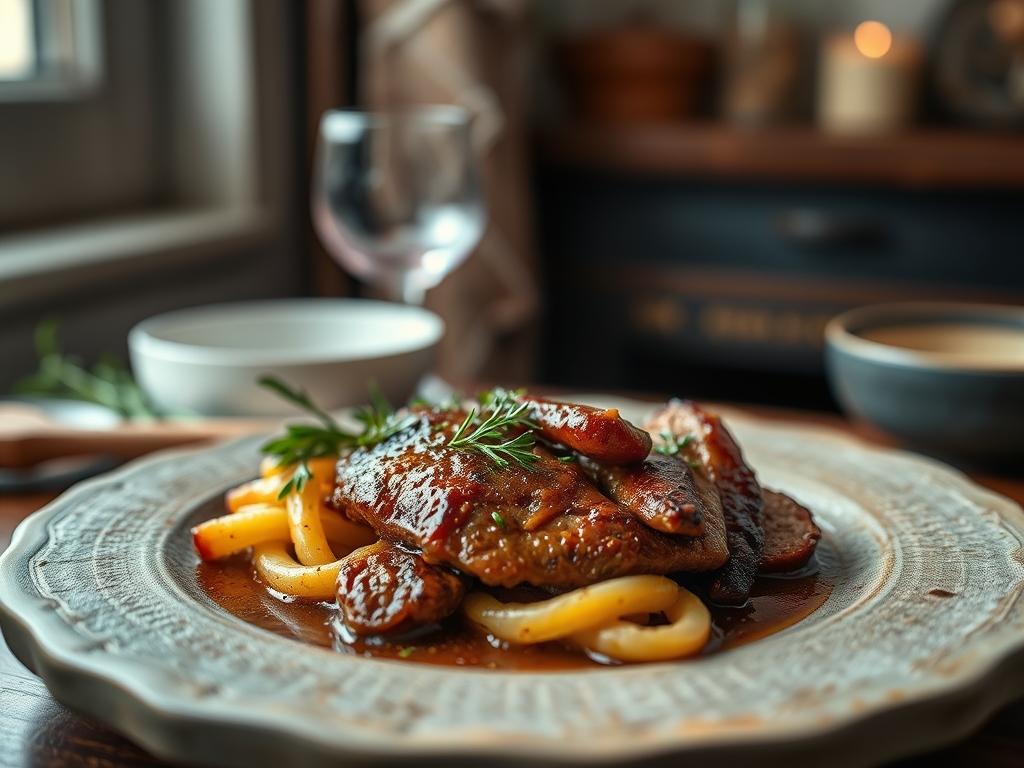
Picture the scene: a heavy-bottomed skillet is screaming hot, the air is thick with the scent of rosemary and rendered fat, and you are about to execute the perfect sear. Finding the right holiday beef recipes is about more than just a meal; it is about creating a sensory core for your celebration. Whether you choose a classic rib roast or a delicate tenderloin, the beef is the protagonist of your holiday story.
The magic happens when science meets the dinner plate. We are talking about the Maillard reaction, that beautiful chemical dance where amino acids and reducing sugars transform into hundreds of flavor compounds under high heat. It is the difference between a grey, boiled-looking slab and a crusty, mahogany masterpiece that makes your guests gasp when you bring it to the table. I want you to feel like a total pro this year, armed with a digital thermometer and a reckless amount of garlic butter. We are going to dive into ten variations of these festive centerpieces, from herb-crusted wonders to red wine braises that melt at the mere suggestion of a fork. Grab your apron; we have some serious chemistry to perform in the kitchen.
The Gathers:
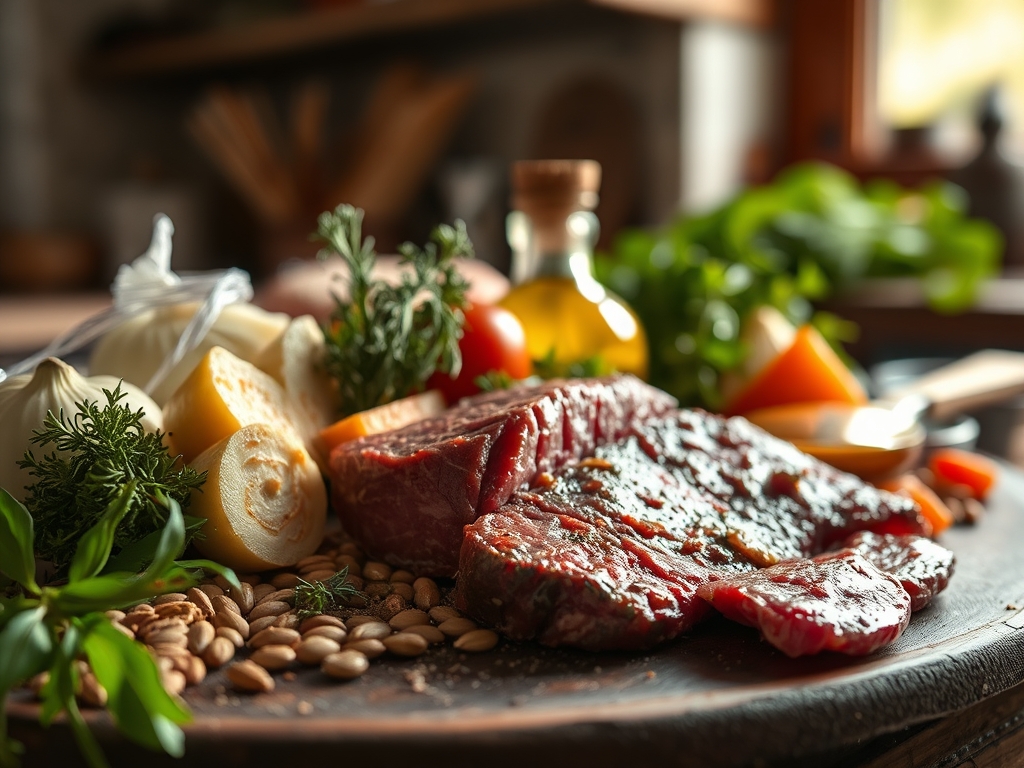
To achieve culinary greatness, your mise-en-place must be impeccable. You will need a high-quality cut of beef, preferably Prime or Choice grade with significant intramuscular marbling. These streaks of white fat are essential because they render during the cooking process, lubricating the muscle fibers and providing a rich, viscous mouthfeel. You will also need coarse kosher salt; the jagged crystals are superior for drawing out moisture and then reabsorbing it as a seasoned brine.
Your aromatics should include fresh thyme, rosemary, and sage. Do not use dried herbs here; the volatile oils in fresh herbs infuse the fat much more effectively. You will need a high-smoke-point oil like avocado or grapeseed for the initial sear, and unsalted European-style butter for the final basting. A piquant element like Dijon mustard or horseradish provides a necessary acidic counterpoint to the richness of the protein.
Smart Substitutions:
If you cannot find a whole beef tenderloin, a center-cut Chateaubriand is a magnificent alternative. For those avoiding alcohol, replace the traditional red wine deglaze with a high-quality beef bone broth fortified with a tablespoon of balsamic vinegar to mimic the acidity and depth. If you are looking for a dairy-free option, swap the butter for a neutral oil infused with garlic and nutritional yeast to maintain that savory, "umami" profile.
The Clock:
The "Chef's Flow" is all about managing the "inactive" time. For a standard four-pound roast, expect about 30 minutes of active prep, including trimming silver skin with a sharp boning knife and tying the roast with butcher's twine. The cooking time varies wildly based on the cut; a tenderloin might take 35 minutes at high heat, while a brisket or short rib could require six hours of low-and-slow braising.
Crucially, you must factor in the "temper" time. Never take beef straight from the fridge to the oven. Let it sit at room temperature for at least 60 to 90 minutes. This ensures the internal temperature rises evenly, preventing the "gray ring" of overcooked meat around a raw center. Finally, the rest period is non-negotiable. A large roast needs 20 to 30 minutes to allow the muscle fibers to relax and reabsorb the juices.
The Masterclass:
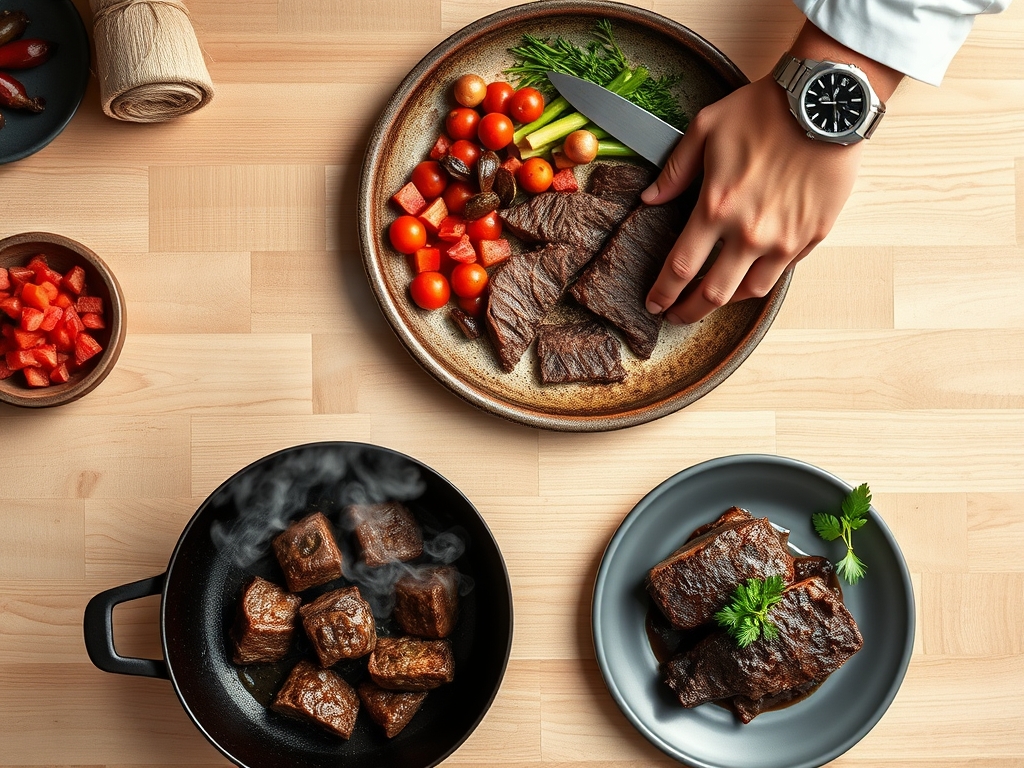
1. The Salt Cure and Temper
Begin by patting the beef bone-dry with paper towels. Moisture is the enemy of a good crust. Season aggressively with kosher salt on all sides. Allow the meat to sit on a wire rack over a sheet pan.
Pro Tip: This process, known as dry-brining, uses osmosis to pull salt into the center of the meat, seasoning it deeply while the surface dries out for a better sear.
2. The High-Heat Sear
Heat your heavy-bottomed skillet until the oil shimmers. Use tongs to place the beef in the pan, searing every surface until a deep brown crust forms. Do not crowd the pan; if the temperature drops, the meat will steam instead of sear.
Pro Tip: This is the Maillard reaction in action. The browning creates complex flavor molecules that cannot be achieved through roasting alone.
3. The Aromatic Baste
Reduce the heat slightly and add a knob of butter, smashed garlic cloves, and fresh herbs. Use a large spoon to continuously pour the foaming butter over the beef.
Pro Tip: Butter basting adds a nutty flavor and helps distribute heat evenly across the irregular surfaces of the roast, ensuring no cold spots remain.
4. The Precision Roast
Transfer the beef to a preheated oven. Use a digital scale to double-check your weights if you are calculating time per pound, but always rely on a meat thermometer for the final word.
Pro Tip: Aim for an internal temperature 5 to 10 degrees below your target. Thermal carryover will cause the temperature to continue rising even after the meat is removed from the heat source.
5. The Deglaze and Sauce
Once the meat is resting, use a saucier or the roasting pan to capture the fond (the browned bits at the bottom). Add wine or stock and use a bench scraper or whisk to loosen those flavor nuggets.
Pro Tip: Deglazing creates an emulsion of fats and liquids, concentrating the essence of the beef into a luxurious pan sauce.
The Deep Dive:
Macro Nutrition: Holiday beef is a powerhouse of protein, B vitamins, and zinc. A standard 6-ounce serving provides approximately 45 grams of protein. To balance the saturated fats, pair your roast with fibrous green vegetables like roasted Brussels sprouts or a bitter radicchio salad.
Dietary Swaps: For a Keto-friendly version, skip the flour-based gravy and use a reduction of heavy cream and gorgonzola. For Gluten-Free guests, ensure your beef base or bouillon is certified GF, and use cornstarch or a cold butter whisk-in (beurre monte) to thicken sauces instead of a roux.
The Fix-It:
- The Meat is Gray: Your pan wasn't hot enough. Next time, wait for the oil to reach its "shimmer" point.
- The Outside is Burnt, Inside is Raw: The oven was too hot. Use a lower temperature (250F to 275F) for a "reverse sear" to get edge-to-edge pinkness.
- The Sauce is Broken: If your sauce looks oily and separated, whisk in a tablespoon of cold water or a splash of cream to re-emulsify the fats.
Meal Prep: To reheat leftovers without losing quality, avoid the microwave. Instead, slice the beef and place it in a shallow dish with a splash of broth. Cover tightly with foil and warm in a 300F oven until just heated through. This prevents the proteins from tightening and becoming rubbery.
The Wrap-Up:
Mastering holiday beef recipes is a gift to your future self and your guests. It is about understanding the physics of heat and the chemistry of flavor. When you pull that roast out of the oven and see that perfect, glistening crust, you aren't just a cook; you are a kitchen scientist and a holiday hero. Serve it with pride, a glass of bold Cabernet, and plenty of laughter.
The Kitchen Table:
What is the best cut for a holiday roast?
The beef tenderloin is the most prized for its buttery texture and lack of fat gristle. However, a standing rib roast offers more flavor due to the bone-in cooking process and higher fat content throughout the muscle.
How do I prevent my beef from being tough?
Always slice against the grain. This shortens the muscle fibers, making each bite easier to chew. Additionally, never skip the resting phase; cutting too early allows the juices to escape, leaving the meat dry and stringy.
What temperature is medium-rare for beef?
For a perfect medium-rare, pull the beef from the oven when the internal temperature hits 125F to 130F. During the rest period, carryover cooking will bring the final temperature to the ideal 135F range.
Can I cook a roast ahead of time?
You can sear and tie the roast a day early, but the actual roasting should happen on the day of the event. Reheating a whole cooked roast often leads to overcooking the exterior before the center is warm.