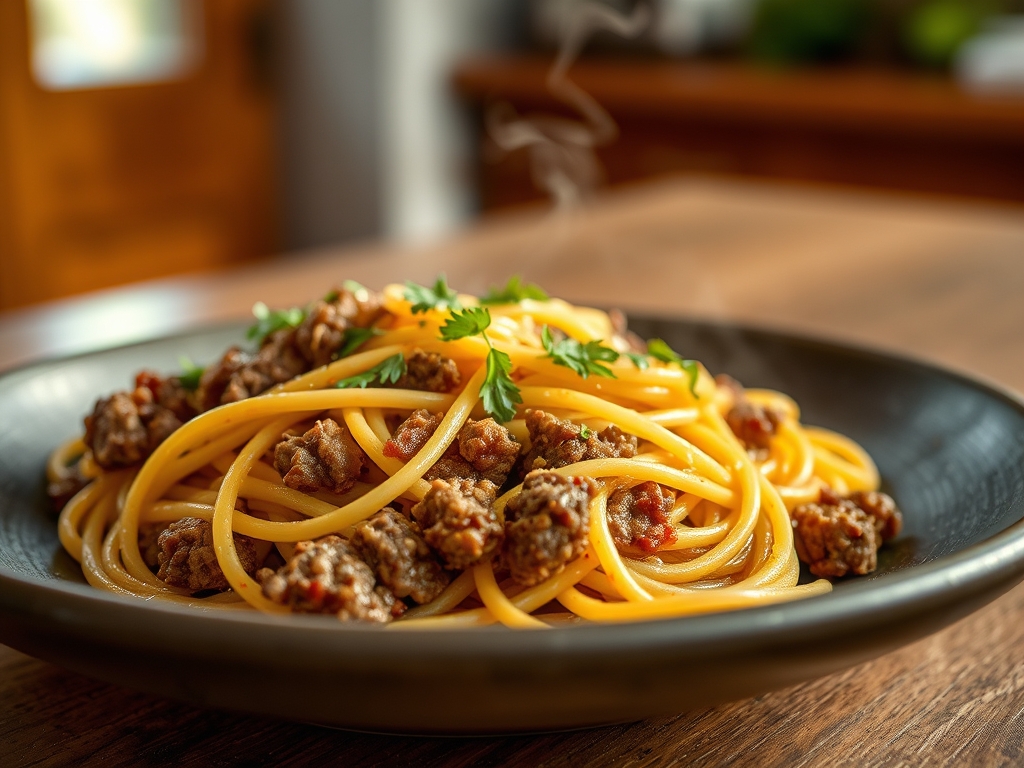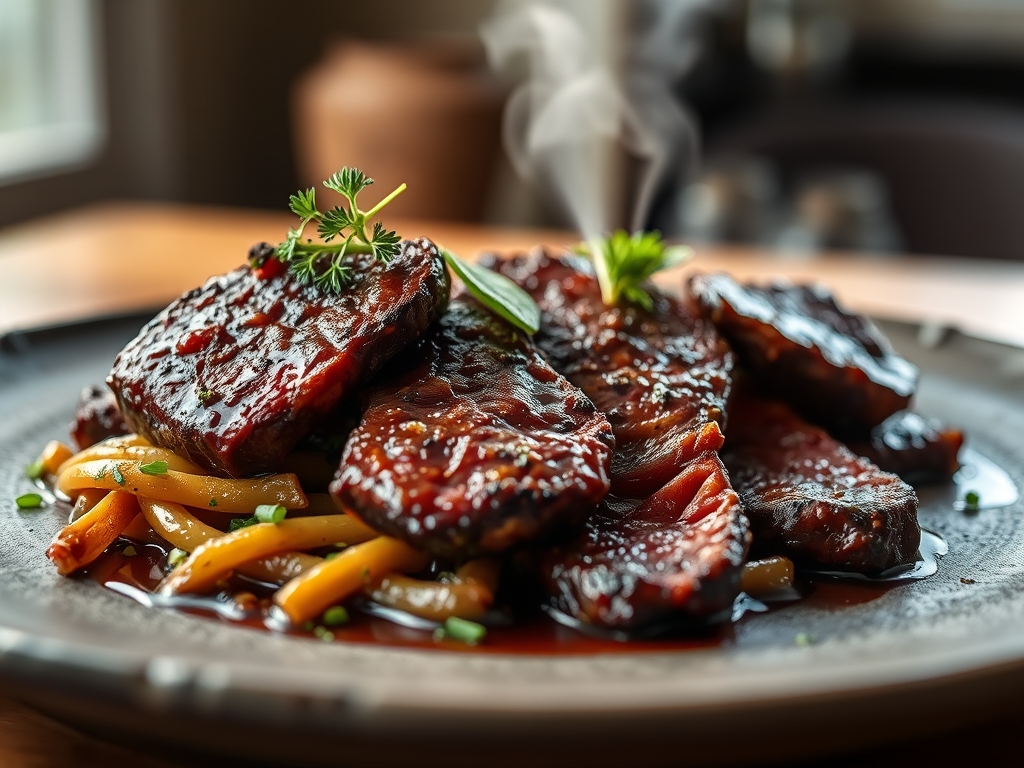
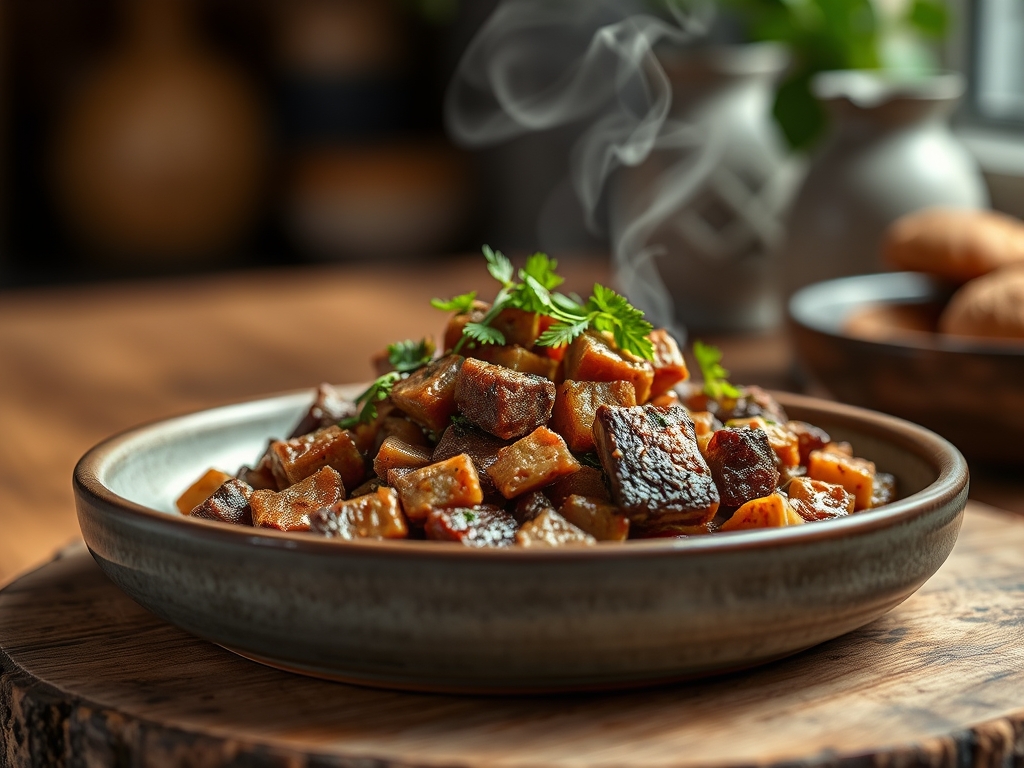
Picture this: the clock is ticking, your stomach is growling, and you have a pound of steak tips staring back at you. You want luxury, but you do not have four hours to wait for a braise. Finding quick diced beef recipes not stew is the ultimate culinary hack for the modern, busy epicurean. We are talking about high-heat searing, glossy pan sauces, and tender bites that melt on your tongue in under twenty minutes.
Forget the heavy, sodden textures of a slow-cooked mess. We are leaning into the glorious world of the Maillard reaction; that chemical dance where amino acids and reducing sugars transform into a savory, brown crust. By dicing your beef into uniform one-inch cubes, you maximize the surface area for browning while keeping the interior succulent and medium-rare. It is sophisticated, it is fast, and it is about to become your weeknight personality. Whether you are craving a piquant ginger-soy glaze or a buttery garlic herb finish, these methods prioritize speed without sacrificing the deep, umami complexity of a professional kitchen. Grab your heavy-bottomed skillet; we are about to turn a humble protein into a five-star experience before the timer hits fifteen minutes.
The Gathers:
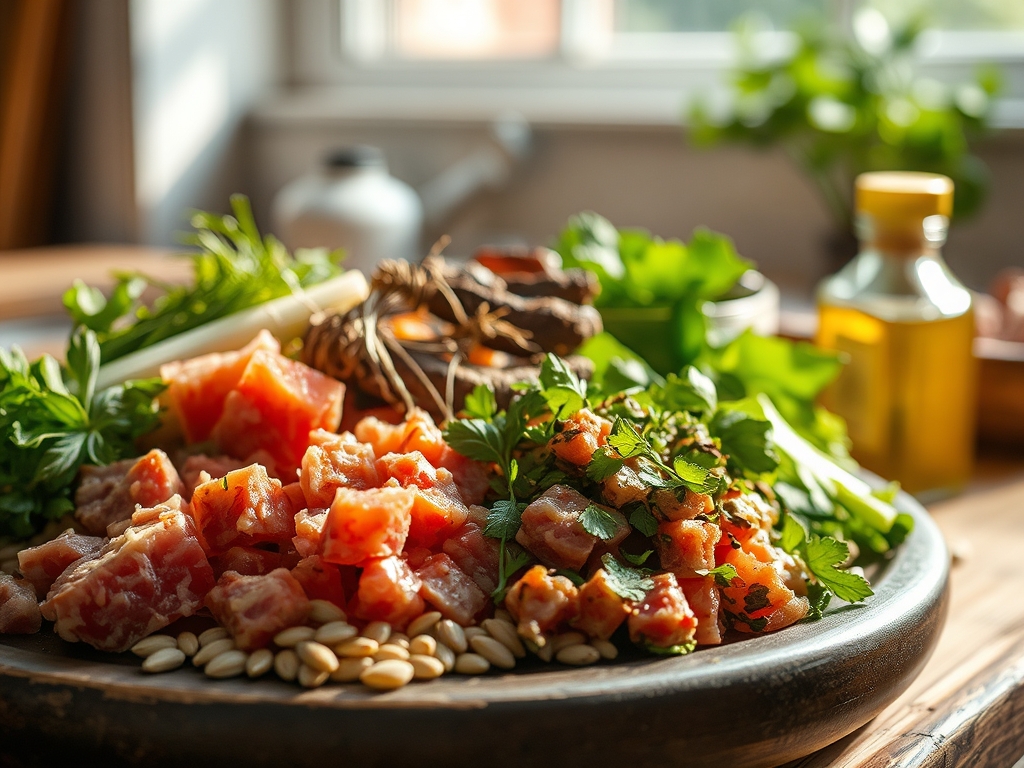
To execute these quick diced beef recipes not stew, your mise-en-place must be surgical. Start with the protein: choose a cut with low connective tissue like sirloin, ribeye, or tenderloin tips. Unlike chuck roast, which requires hours to break down collagen, these cuts are naturally tender. You will need a high-smoke-point oil; think avocado or grapeseed; to handle the intense thermal energy required for a proper sear.
Next, gather your aromatics. Use a microplane to grate fresh ginger and garlic into a fine paste; this increases the surface area for flavor infusion and prevents the bitter burn of larger chunks. For the liquids, keep a bottle of dry sherry or rice vinegar nearby to deglaze the pan. If you are looking for smart substitutions, swap soy sauce for liquid aminos if you are watching sodium, or use a splash of pomegranate juice instead of red wine for a bright, non-alcoholic acidity. A bench scraper is your best friend here to move your perfectly diced cubes from the cutting board to the pan without losing a single drop of precious juice.
The Clock
The beauty of these dishes lies in the "Chef's Flow." This is the rhythmic synchronization of prep and heat. Total active time is rarely more than twenty-five minutes. You spend ten minutes on the precision dice and fifteen minutes at the stove.
The secret to this speed is the "dry-brine" window. Salt your beef at least ten minutes before it hits the pan. This allows the salt to penetrate the muscle fibers and then re-absorb the moisture, ensuring the meat stays juicy even under high heat. While the meat rests in its salt bath, you prep your vegetables and whisk your sauces. By the time your heavy-bottomed skillet is screaming hot, your entire meal is ready to be assembled in a rapid-fire sequence of searing, tossing, and glazing.
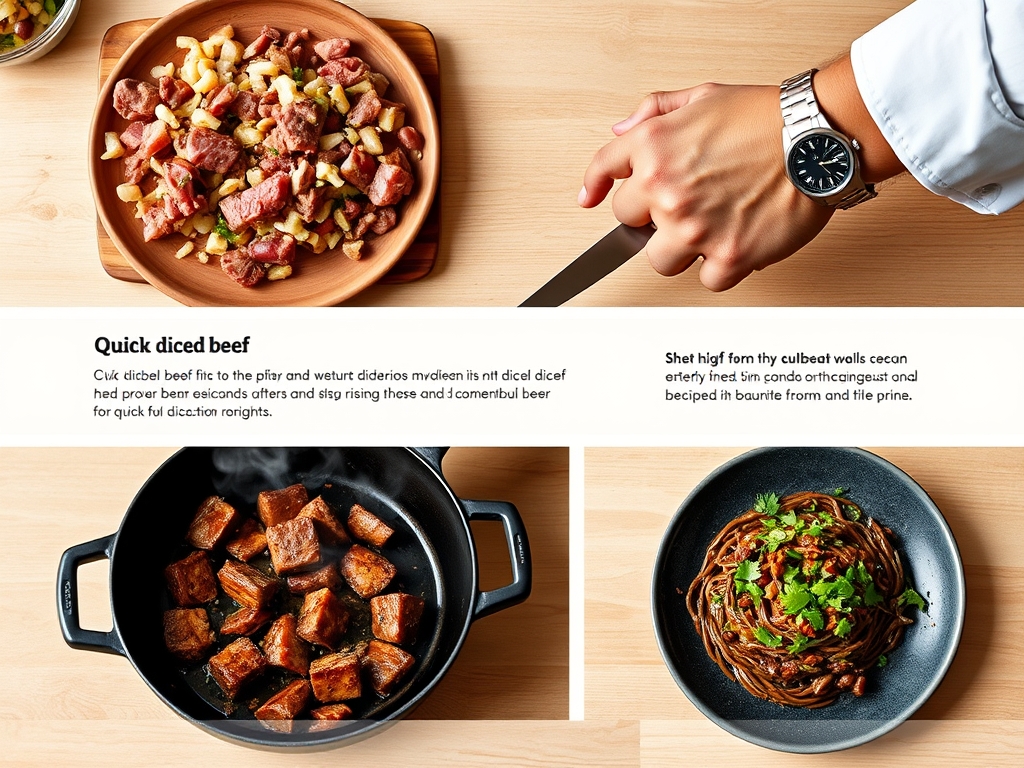
The Masterclass:
1. The High-Heat Sear
Pat your beef cubes bone-dry with paper towels before they touch the oil. Moisture is the enemy of the sear; it creates steam, which leads to gray, rubbery meat. Use your tongs to place each cube individually, ensuring they do not touch.
Pro Tip: This technique utilizes the Maillard reaction. By keeping the pan temperature above 300 degrees Fahrenheit, you create complex flavor molecules that are physically impossible to achieve in a liquid-heavy stew environment.
2. The Deglaze and Emulsify
Once the beef is browned and removed, the bottom of your pan will be covered in "fond," those delicious caramelized brown bits. Pour in your liquid of choice and use a wooden spoon to scrape them up.
Pro Tip: Adding a cold pat of butter at the end of this process creates a mounting sauce (beurre monte). The cold fat emulsifies with the hot liquid to create a viscous, glossy coating that clings to the beef.
3. The Aerated Toss
When re-introducing the beef to the sauce, do not just stir. Use a flick of the wrist to toss the meat through the air. This cools the surface slightly and helps the sauce thicken through evaporation.
Pro Tip: This prevents thermal carryover from overcooking the center of the beef. By aerating the mixture, you stop the internal temperature from rising too quickly, preserving that perfect medium-pink interior.
4. The Aromatic Infusion
Add your delicate herbs like cilantro, basil, or chives only in the final thirty seconds. Heat is the enemy of volatile oils in fresh herbs.
Pro Tip: This is known as infusing. The residual heat is just enough to release the aromatic oils without breaking down the chlorophyll, keeping your dish vibrant and piquant rather than dull and bitter.
The Deep Dive
From a macro perspective, these quick diced beef recipes not stew are a powerhouse. A standard six-ounce serving provides roughly 42 grams of high-quality protein and essential iron. If you are following a Keto lifestyle, replace any sugar in the glazes with monk fruit or simply stick to a garlic-butter base. For a Vegan alternative, high-protein seitan or extra-firm pressed tofu can be treated with the exact same searing and deglazing techniques to mimic the texture.
The Fix-It: Common Pitfalls
- The Meat is Tough: You likely crowded the pan. If the temperature drops, the meat boils in its own juice. Fix: Sear in smaller batches to maintain high heat.
- The Sauce is Broken: If your sauce looks oily and separated, the heat was too high when you added the fat. Fix: Add a teaspoon of water and whisk vigorously off the heat to re-bind the emulsion.
- The Garlic is Bitter: You added it too early. Fix: Next time, add minced garlic only in the last sixty seconds of cooking to avoid burning the delicate sugars.
Meal Prep Science: To maintain "day-one" quality when reheating, avoid the microwave. Use a saucier over medium-low heat with a splash of beef broth. This gently re-hydrates the proteins without tightening the muscle fibers into leather.
The Wrap-Up
Mastering the art of the quick beef dice is like having a culinary superpower in your back pocket. You have moved beyond the slow cooker and stepped into the world of precision, heat, and chemistry. These meals are vibrant, textured, and infinitely adaptable to whatever is in your pantry. Remember, the key is high heat, dry meat, and a heavy pan. Now, go forth and sear with confidence; your kitchen is now a high-performance flavor lab!
The Kitchen Table
Which beef cut is best for quick cooking?
Sirloin or New York Strip are ideal. They have minimal connective tissue, meaning they stay tender during high-heat searing. Avoid chuck or brisket, as those require hours of simmering to break down tough fibers and collagen.
How do I get a crust without overcooking the middle?
Ensure the beef is at room temperature and patted dry. Use a cast-iron skillet on high heat. Sear for only sixty seconds per side, then remove immediately to let residual heat finish the job.
Can I use frozen diced beef for these recipes?
Yes, but you must thaw it completely and pat it dry. Frozen meat releases more moisture, so you must sear in very small batches to prevent the pan temperature from crashing and steaming the meat.
What is the best way to thicken the pan sauce quickly?
Use the "reduction" method by boiling the liquid until it coats the back of a spoon. For an instant fix, whisk in a small "slurry" of cornstarch and water, or mount the sauce with cold butter.