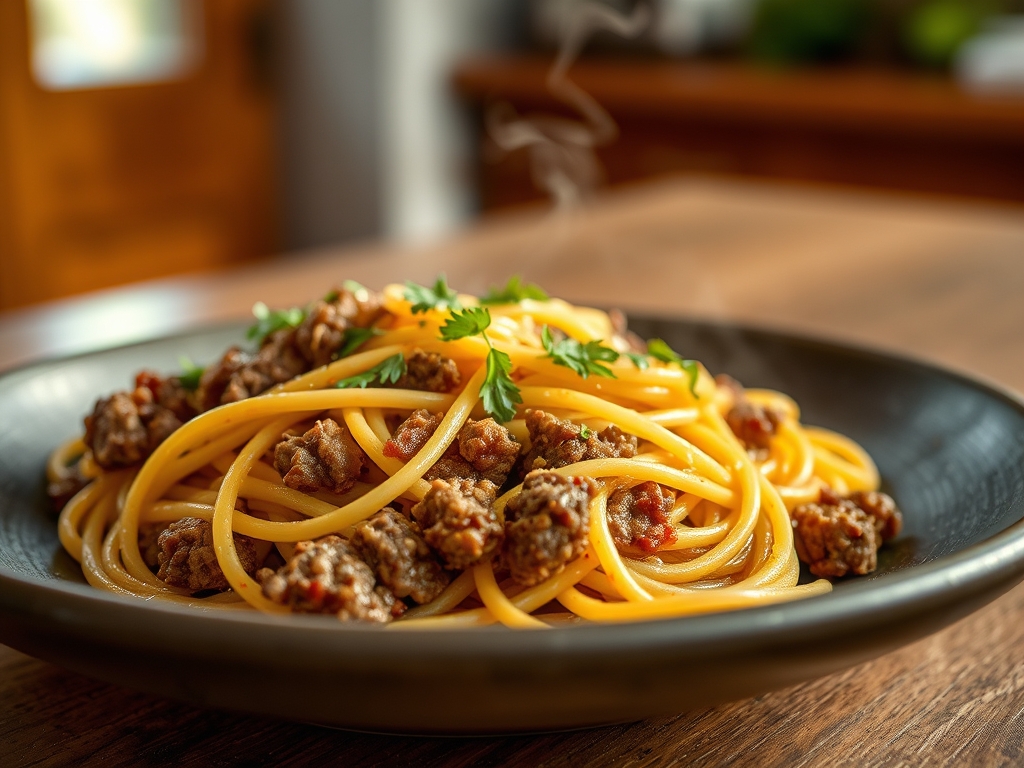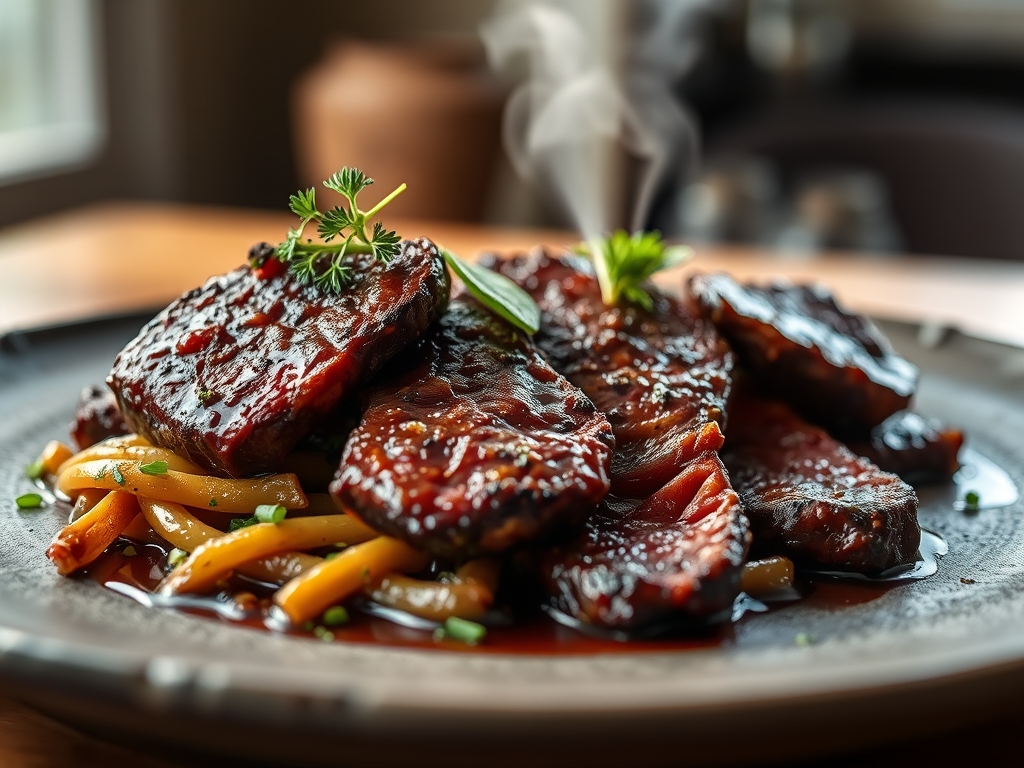
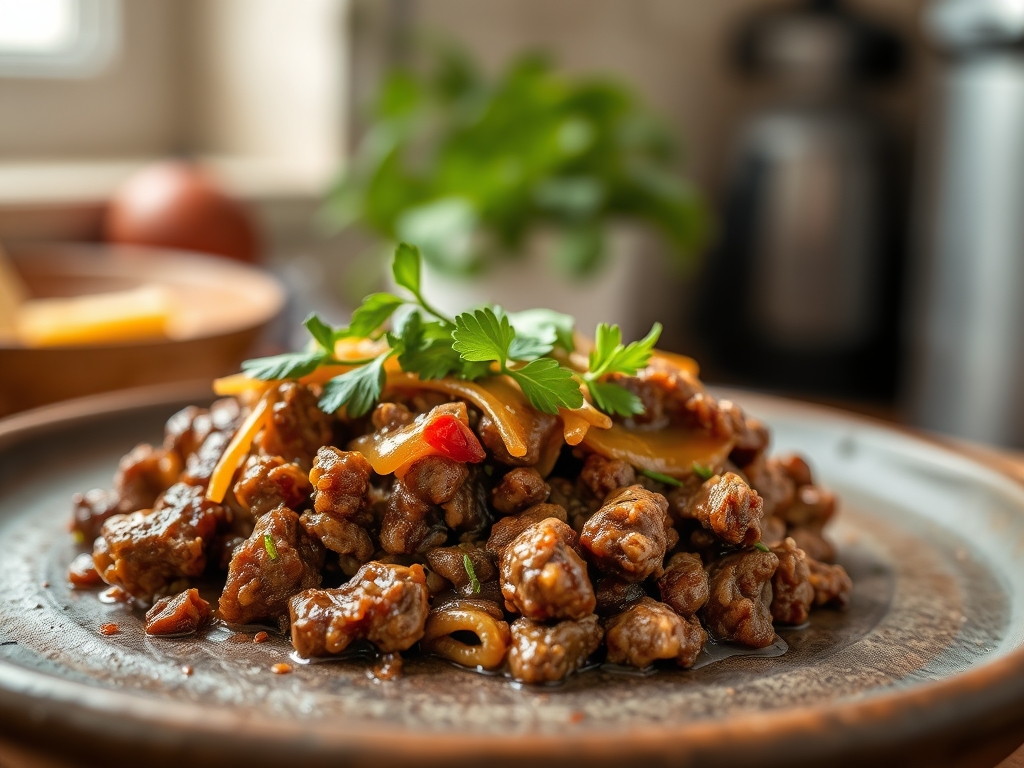
Imagine the sound of cold fat hitting a preheated heavy bottomed skillet. It is that distinctive, aggressive hiss that signals the start of something transformative. When you are hunting for easy weeknight ground beef recipes, you are not just looking for fuel; you are looking for that perfect intersection of speed and culinary chemistry. This is where raw protein meets high heat to create magic.
Ground beef is the ultimate weeknight chameleon. It is accessible, forgiving, and packed with umami potential. Whether you are craving a piquant Korean bowl or a classic Italian ragu, the secret lies in how you handle the meat. We are moving past the days of grey, boiled crumbles. Instead, we are focusing on the science of the sear to elevate your Tuesday night dinner into a restaurant quality experience. Let us dive into the mechanics of flavor.
The Gathers:
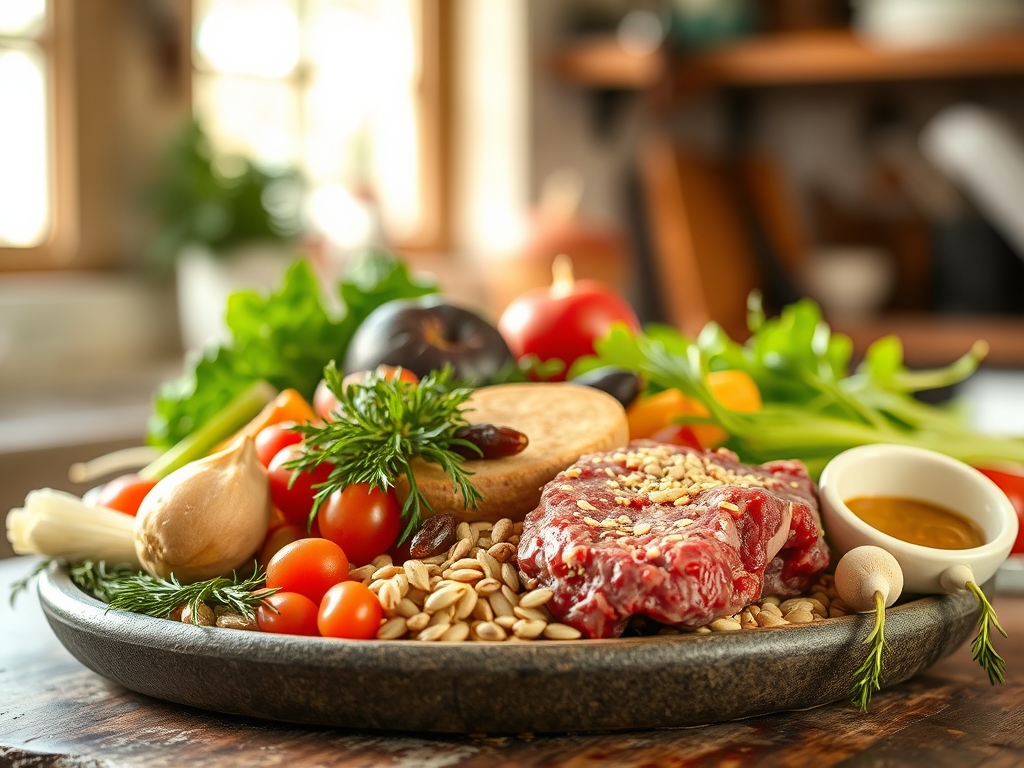
Before you even think about turning on the burner, your mise en place must be airtight. Professional kitchens rely on organization to prevent the frantic scramble that leads to overcooked protein. For these easy weeknight ground beef recipes, you will need high quality ground chuck. Aim for an 80/20 lean to fat ratio. Fat is not just a flavor carrier; it acts as a heat transfer medium that ensures even browning across the uneven surface of the grind.
Gather your aromatics. You will want pungent yellow onions, garlic cloves ready for the microplane, and perhaps some ginger for a brighter profile. Use a digital scale to portion your meat if you are meal prepping. This ensures consistent cooking times across different batches. For liquids, keep a bottle of dry red wine or a high quality beef stock nearby to deglaze the pan.
Smart Substitutions:
If you find yourself without beef, ground turkey or lamb can work, but remember that turkey has significantly less fat. You must add a tablespoon of neutral oil to prevent sticking. For a plant based swap, lentils provide a similar earthy base, though they lack the specific amino acids required for a true Maillard reaction. If you want to cut the richness, use a splash of apple cider vinegar to provide a bright, acidic counterpoint to the heavy fats.
The Clock
Efficiency in the kitchen is about mastering the "Chef's Flow." This is the psychological state where your movements are synchronized with the thermal properties of your cookware. Most of these easy weeknight ground beef recipes require a total time of thirty minutes. Prep takes ten minutes, while active cooking takes twenty.
The flow begins with the skillet. A heavy bottomed skillet, like cast iron or stainless steel, requires about four minutes to reach the ideal temperature. While the pan preheats, you chop. By the time your aromatics are diced, the pan is ready. Never crowd the pan. If you add too much meat at once, the temperature drops, the moisture escapes, and you end up steaming the meat in its own juices rather than searing it.
The Masterclass
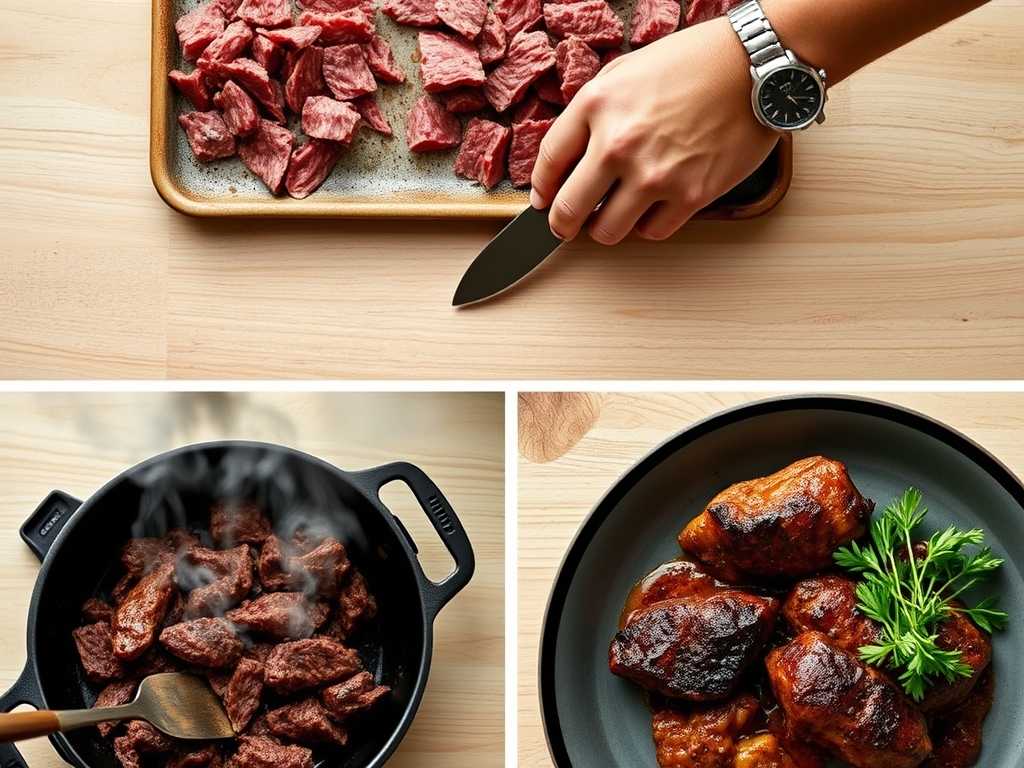
1. The Tempering Phase
Take your beef out of the refrigerator fifteen minutes before cooking. Cold meat causes the pan temperature to plummet, which inhibits browning. Use a paper towel to pat the surface dry. Moisture is the enemy of a good sear because energy is wasted evaporating water before the browning can begin.
Pro Tip: This prevents a massive temperature shock. When meat is too cold, the muscle fibers contract violently, squeezing out moisture and leaving you with a dry, rubbery texture.
2. The High Heat Sear
Place the beef in the hot skillet in one large flat patty. Do not break it up immediately. Let it sit undisturbed for three minutes. You are looking for a deep, mahogany crust. This is the Maillard Reaction, a chemical dance between amino acids and reducing sugars that creates hundreds of new flavor compounds.
Pro Tip: Resisting the urge to stir allows the surface temperature to exceed 300 degrees Fahrenheit. This is the threshold where complex savory flavors are born.
3. The Fragmentation
Once the bottom is browned, use a sturdy metal spatula or a bench scraper to break the meat into chunks. For easy weeknight ground beef recipes, the size of the crumble matters. Larger chunks retain more moisture, while smaller crumbles provide more surface area for sauces to cling to.
Pro Tip: Use a "smash and twist" motion. This increases the surface area exposed to the heat, further intensifying the savory profile of the dish.
4. Rendering and Deglazing
As the fat begins to render, or melt out of the connective tissue, toss in your aromatics. The fat will infuse with the oils from the onions and garlic. Once the vegetables are translucent, use a liquid to deglaze the pan. Scrape up the brown bits, known as the fond, which contain the most concentrated flavor.
Pro Tip: Deglazing is a thermal shock that lifts caramelized proteins off the pan and incorporates them into your sauce, creating a more viscous and flavorful base.
5. The Simmer and Emulsify
Lower the heat and add your primary sauce components. Whether it is crushed tomatoes or a soy based glaze, let the mixture simmer. This allows the flavors to marry. If the sauce looks broken or oily, add a splash of starchy pasta water or a knob of cold butter to emulsify the fats into a smooth, glossy coating.
Pro Tip: Simmering allows for osmosis, where the seasoning in the sauce penetrates the meat fibers, ensuring every bite is seasoned from the inside out.
The Deep Dive
From a nutritional standpoint, ground beef is a powerhouse of bioavailable iron, B12, and zinc. A standard four ounce serving provides roughly 21 grams of protein. If you are watching your macros, opting for a 90/10 blend reduces the caloric density while still providing essential fats.
Dietary Swaps:
For a Keto friendly version, serve your beef over zoodles or in lettuce cups to keep the glycemic index low. For a gluten free approach, ensure your thickeners are cornstarch or arrowroot rather than flour. If you are going vegan, mushrooms sautéed with walnuts provide a surprisingly similar texture and a deep "forest floor" umami.
The Fix-It:
- Too Much Liquid: If your pan looks like a soup, the heat was too low. Drain the excess liquid into a bowl, crank the heat, and return the meat to the pan to finish browning.
- Burnt Garlic: Garlic burns faster than onions. Always add it during the last sixty seconds of sautéing to avoid a bitter, acrid aftertaste.
- Tough Meat: This usually happens from overworking the meat or cooking it too long on high heat. Add a teaspoon of baking soda mixed with water to the raw meat next time; it raises the pH and keeps the proteins tender.
Meal Prep Science:
When reheating, do not use the microwave on high. This causes the fats to separate and the proteins to become "rubbery" due to rapid moisture loss. Instead, use a saucier on the stovetop with a tablespoon of water or stock. Cover it with a lid to create a steam chamber, which restores the original texture.
The Wrap-Up
Mastering easy weeknight ground beef recipes is about more than just following a list of ingredients. It is about understanding the physics of your kitchen. When you respect the sear, manage your moisture, and embrace the power of deglazing, you transform a humble pound of beef into a culinary masterpiece. Go ahead and grab that skillet. Your kitchen is about to become the best bistro in town.
The Kitchen Table
How do I prevent ground beef from being greasy?
Drain the rendered fat after browning but before adding your sauce. Alternatively, use a slotted spoon to transfer the cooked meat to a plate lined with paper towels to absorb excess lipids before finishing the dish.
Why does my ground beef turn grey instead of brown?
This happens when the pan is overcrowded or not hot enough. The meat releases moisture that cannot evaporate fast enough, so it steams. Cook in batches and ensure the skillet is shimmering hot before adding the protein.
Can I freeze cooked ground beef dishes?
Yes, but ensure they cool completely first. Rapid cooling prevents large ice crystals from forming, which can destroy the cellular structure of the meat. Store in airtight containers for up to three months for optimal quality.
What is the best way to season ground beef?
Salt the meat immediately before it hits the pan. Salting too early can draw out moisture and create a cured, sausage like texture. Add dried herbs early to bloom in the fat, and fresh herbs at the very end.