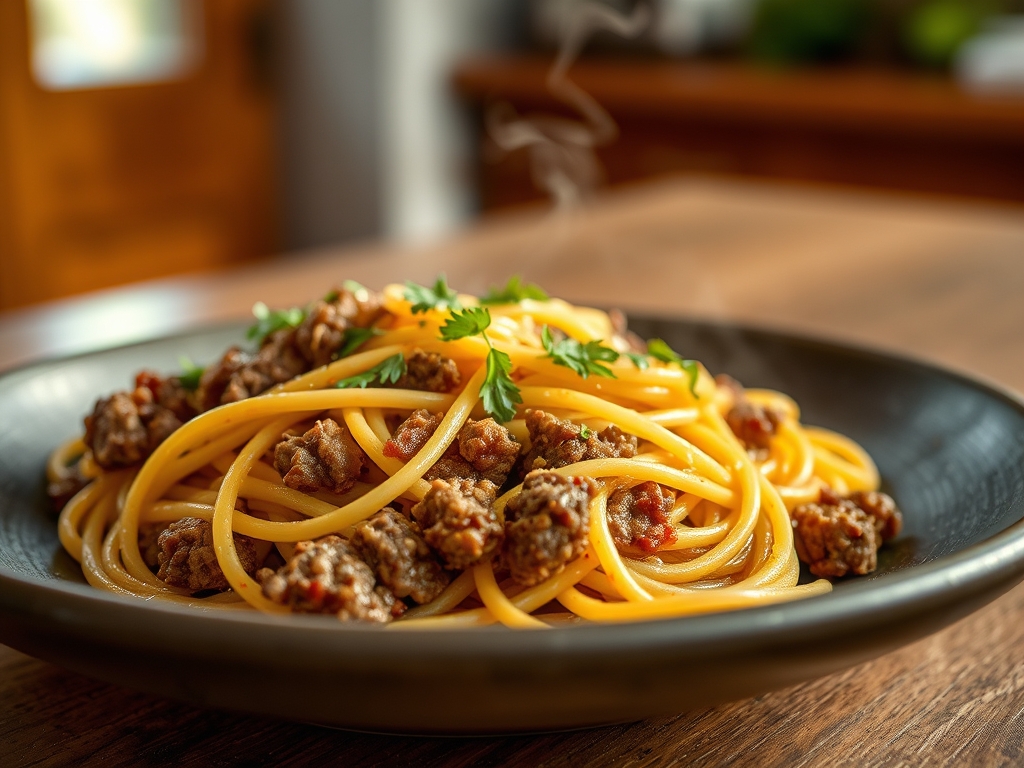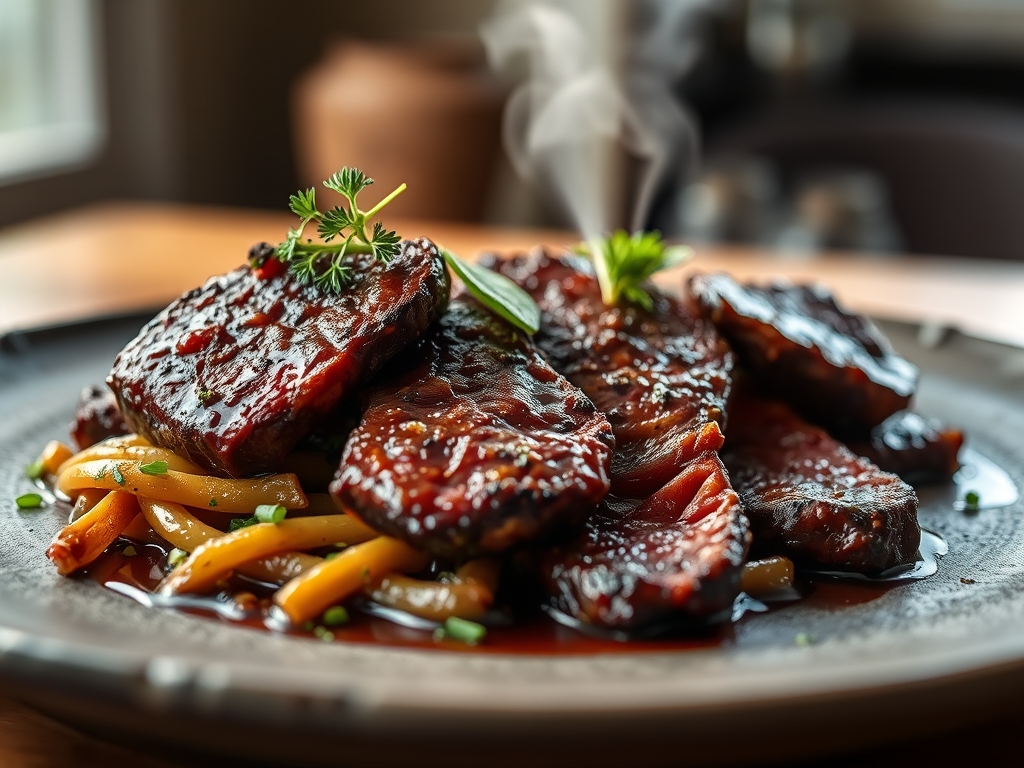
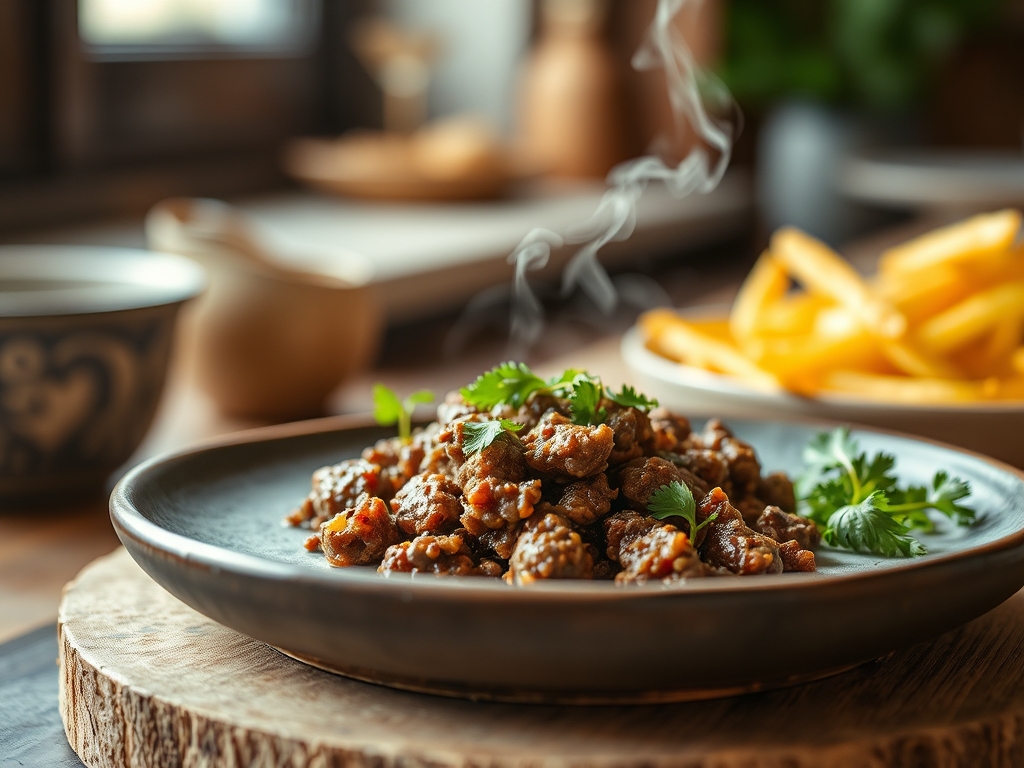
The sizzle of cold fat hitting a preheated cast iron skillet is a sound that triggers an immediate biological response. It is the promise of salt; it is the anticipation of deep, savory richness that only high-quality protein can provide. When you are navigating a busy week, simple low carb ground beef recipes are your absolute secret weapon for staying in ketosis without sacrificing culinary joy. We are talking about dishes that prioritize the Maillard reaction, that glorious chemical dance where amino acids and reducing sugars transform into hundreds of complex flavor compounds under heat.
Forget the dry, crumbly textures of uninspired diet food. We are diving into a world where ground beef becomes a canvas for global aromatics and sophisticated textures. Whether you are craving a piquant Thai basil stir-fry or a rich, creamy stroganoff that skips the noodles but keeps the soul, these methods ensure your dinner is both a nutritional powerhouse and a sensory masterpiece. Grab your favorite heavy-bottomed skillet and let's get into the chemistry of flavor.
The Gathers:
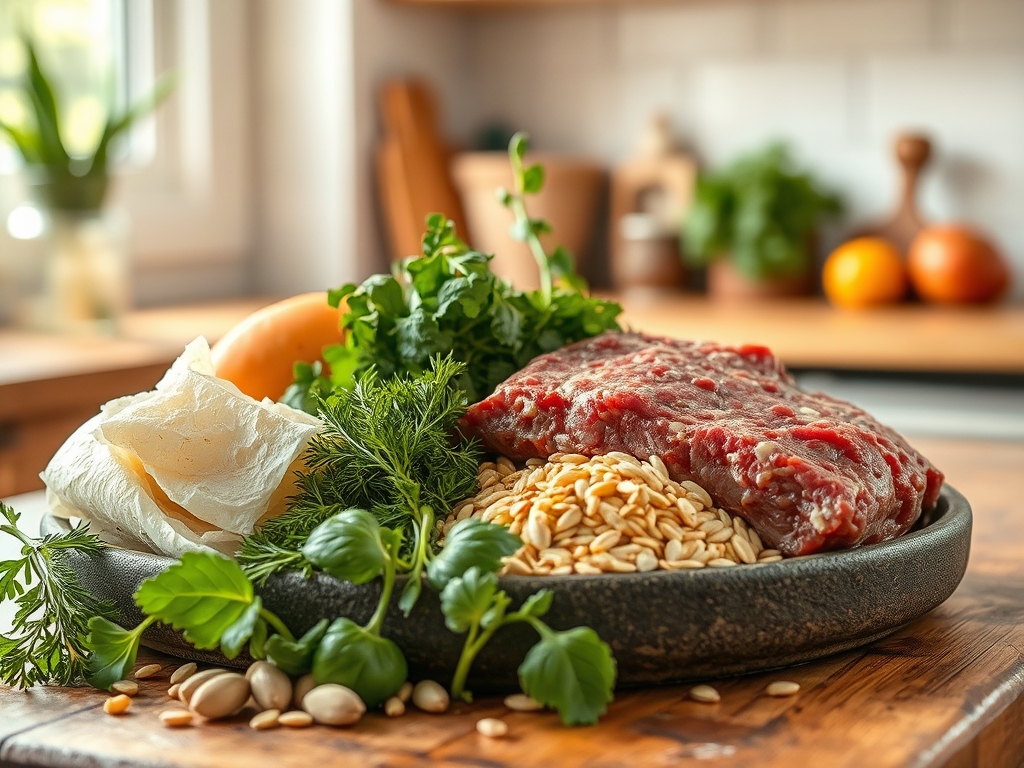
To master these simple low carb ground beef recipes, your mise-en-place must be intentional. We start with the beef itself; aim for an 80/20 blend. This ratio is vital because the adipose tissue (fat) carries the fat-soluble flavor compounds from your spices. If you go too lean, you lose the viscous mouthfeel that makes low-carb eating sustainable.
You will need a few essential tools to ensure professional results. A digital scale is non-negotiable for portioning, while a microplane will help you aerate hard cheeses and zest citrus for a bright finish. Keep a bench scraper handy to quickly move chopped aromatics like garlic and ginger from your board to the pan.
For smart substitutions, we swap high-starch binders for functional fats and fibers. Instead of breadcrumbs, use almond flour or crushed pork rinds to maintain structural integrity in meatballs. Instead of sugary ketchups, use tomato paste deglazed with a splash of apple cider vinegar to mimic that piquant tang. Always have a bottle of high-quality fish sauce or liquid aminos on standby; these are umami bombs that deepen the beef's natural profile without adding hidden carbohydrates.
The Clock:
Efficiency in the kitchen is about managing the Chef's Flow. This is the art of overlapping tasks so that no heat is wasted. Most of these recipes require a 10-minute prep window and a 15-minute active cook time. The secret to speed is the preheat phase. While you are using your bench scraper to organize your aromatics, your skillet should be gaining thermal mass on the burner.
The "Flow" dictates that you brown your meat first, remove it to a warm bowl, and then use the rendered fat to sauté your vegetables. This prevents the pan from overcrowding, which would lead to steaming rather than searing. By the time your vegetables are translucent, the beef is ready to be reintroduced for the final infusion of sauces. Total time from fridge to table? Under 30 minutes, every single time.
The Masterclass:
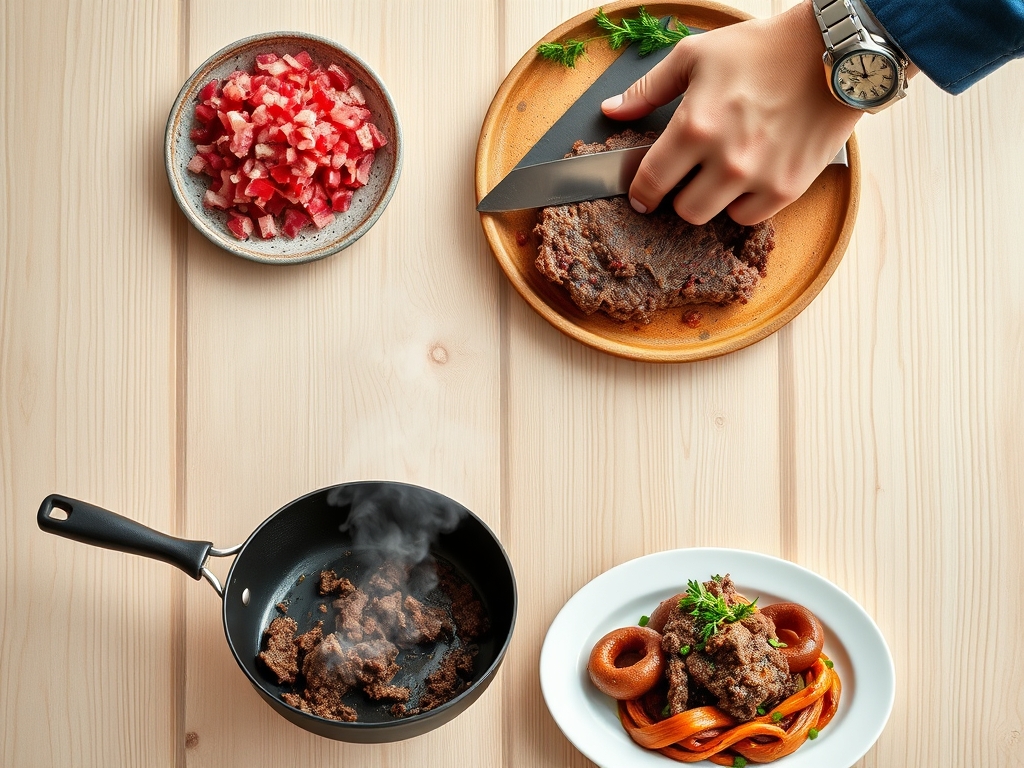
1. The High-Heat Sear
Start by patting your ground beef dry with a paper towel. Moisture is the enemy of the sear. Place the meat in a smoking-hot skillet and leave it alone for three full minutes. Do not stir. You want a dark, mahogany crust to form on the bottom.
Pro Tip: This creates enzymatic browning, also known as the Maillard reaction. If you stir too early, the meat releases its juices and boils in its own liquid, resulting in a grey, rubbery texture instead of a crisp, savory one.
2. Deglazing the Fond
Once the meat is browned and removed, you will notice brown bits stuck to the pan. This is called fond. Add a splash of beef bone broth or dry white wine and use a wooden spoon to scrape those bits up.
Pro Tip: This technique utilizes solvent extraction to pull concentrated flavor from the pan surface back into your sauce. It adds a layer of complexity that salt alone cannot achieve.
3. Emulsifying the Sauce
For dishes like creamy beef and broccoli, add your fat source (like heavy cream or butter) to the deglazed liquid. Whisk vigorously using a saucier or a small whisk until the sauce thickens and coats the back of a spoon.
Pro Tip: You are creating a colloidal suspension where fat and water-based liquids bond. This ensures a silky mouthfeel that clings to the beef rather than pooling at the bottom of the plate.
4. Controlled Thermal Carryover
Pull your beef off the heat when it is just slightly underdone. The internal temperature will continue to rise by about five degrees while it rests on the counter.
Pro Tip: This is thermal carryover. By accounting for this latent heat, you prevent the proteins from over-contracting and squeezing out their moisture, ensuring the beef remains succulent.
5. The Acid Finish
Just before serving, grate fresh lemon zest or add a teaspoon of vinegar. This is where your microplane shines.
Pro Tip: Acid acts as a flavor brightener by balancing the heavy fats. It cuts through the richness of the beef and makes the other spices "pop" on your palate.
The Deep Dive:
When we look at the macro nutrition of these simple low carb ground beef recipes, we see a profile that is roughly 70% fat, 25% protein, and 5% carbohydrates. This is the "Golden Ratio" for metabolic efficiency. For those following a Keto protocol, these dishes are naturally compliant. If you are Vegan, you can substitute the beef for a pea-protein crumble, though you will need to add extra avocado oil to mimic the saturated fat content.
The Fix-It:
- Greasy Sauce: If your sauce is breaking, add a teaspoon of mustard and whisk. The lecithin in mustard acts as a natural emulsifier.
- Tough Meat: This usually means the heat was too high for too long. Next time, use a digital thermometer to pull the meat at 160 degrees Fahrenheit.
- Bland Flavor: You likely forgot to season in layers. Salt the meat during the sear, then salt the vegetables during the sauté.
For Meal Prep, reheating science is key. To maintain "day-one" quality, avoid the microwave if possible. Instead, use a small skillet with a tablespoon of water and a lid. This creates a steam chamber that rehydrates the protein fibers without overcooking them.
The Wrap-Up:
Mastering simple low carb ground beef recipes is about more than just following a list of ingredients; it is about understanding the physics of the pan. By focusing on the Maillard reaction, proper emulsification, and the strategic use of acid, you transform a humble pound of meat into a gourmet experience. These seven dishes prove that you do not need grains or sugars to feel satisfied. You just need heat, fat, and a little bit of kitchen confidence. Now, get that skillet hot and start creating.
The Kitchen Table:
How do I keep ground beef from getting dry?
Avoid overworking the meat before cooking and always use a high-fat ratio like 80/20. Ensure you utilize thermal carryover by removing the beef from the heat just before it reaches your desired doneness to retain internal moisture.
What is the best way to store leftovers?
Place the beef in an airtight glass container within two hours of cooking. This prevents oxidative rancidity, which can alter the flavor of the fats. Glass is superior to plastic as it does not retain lingering odors or oils.
Can I freeze these low carb beef dishes?
Yes, most ground beef recipes freeze beautifully for up to three months. To maintain texture, thaw the dish in the refrigerator overnight rather than using a microwave, which can cause the proteins to become rubbery and tough.
What are the best low-carb thickeners for sauces?
Instead of flour, use heavy cream, cream cheese, or a pinch of xanthan gum. These ingredients provide a viscous texture and rich mouthfeel without the high glycemic impact of traditional starches, keeping your meal perfectly keto-friendly.