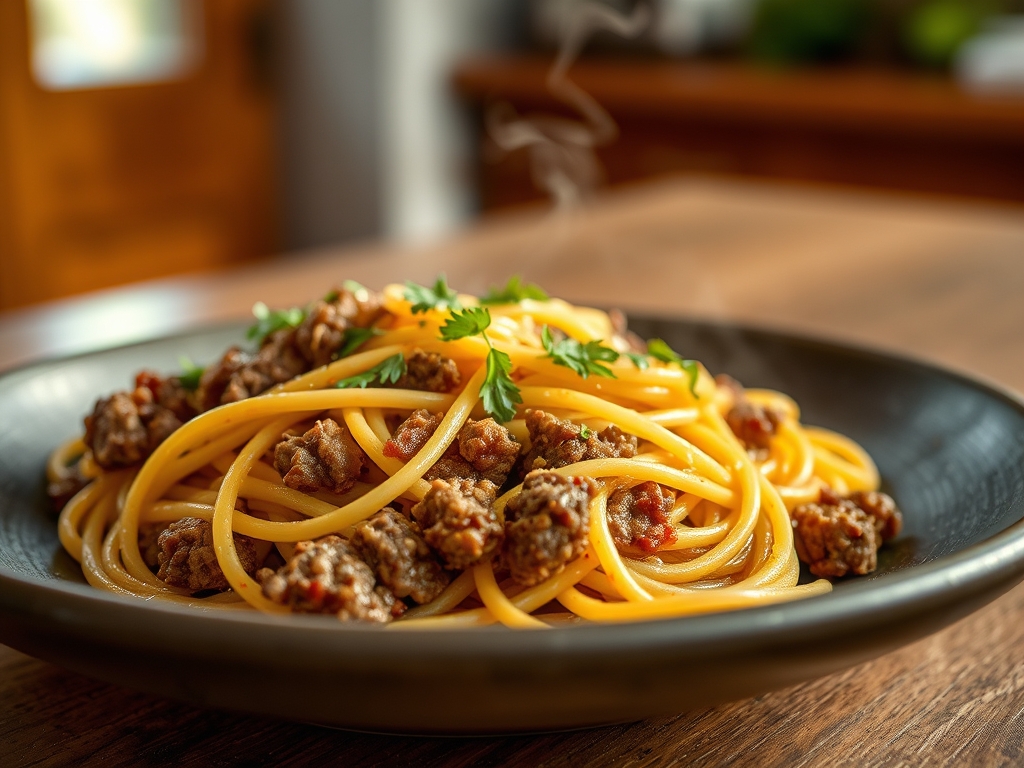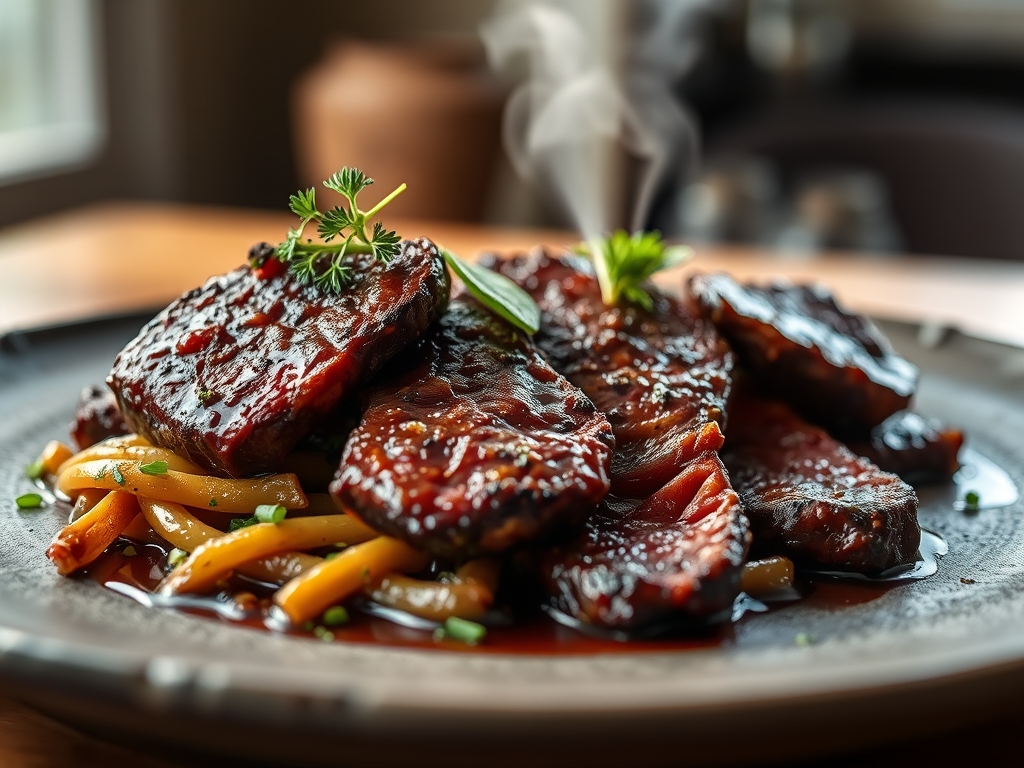
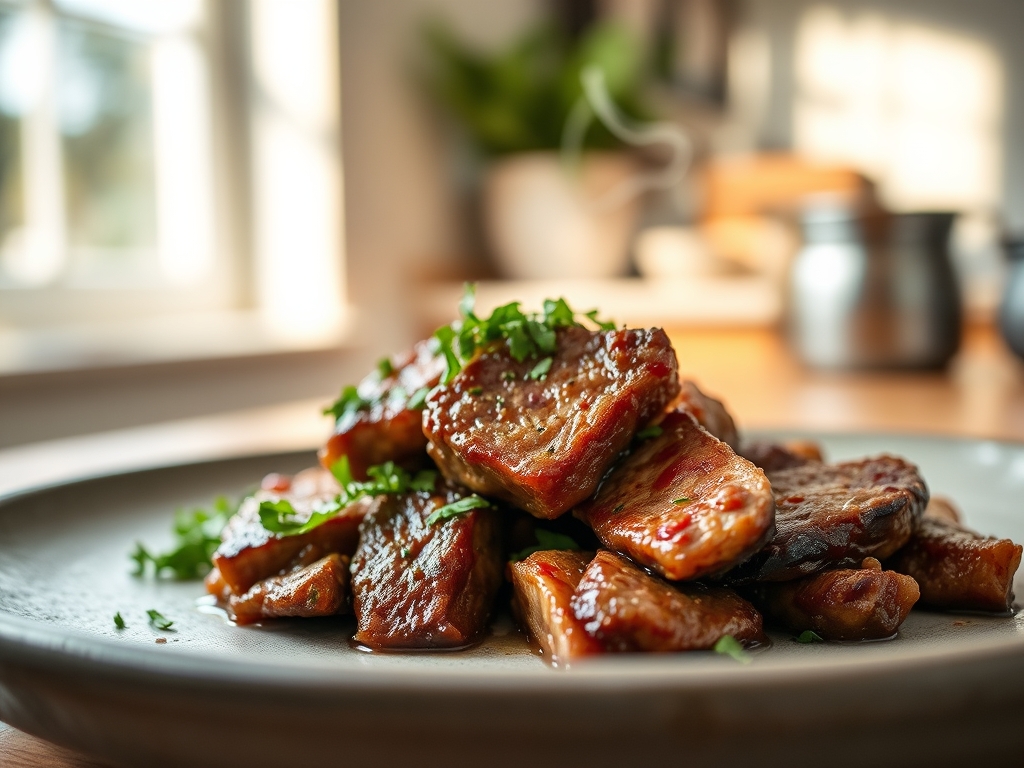
Imagine the scent of searing protein hitting a heavy bottomed skillet; it is the olfactory equivalent of a warm hug. When you master hellofresh beef recipes, you are not just cooking dinner; you are conducting a symphony of heat and fat. Whether it is a zesty stir fry or a decadent steak, these meals bridge the gap between gourmet technique and Tuesday night reality.
The beauty of these specific recipes lies in their accessibility. You do not need a culinary degree to achieve that perfect crust or a velvet sauce. By understanding a few core principles of heat transfer and moisture control, you can transform humble ground beef or sirloin tips into a restaurant quality experience. We are going to dive deep into the mechanics of the Maillard reaction and the art of the deglaze. Grab your favorite apron and a glass of wine; it is time to turn your kitchen into the best bistro in town. We are covering nine distinct variations that ensure your weekly rotation never feels repetitive or stale.
The Gathers:
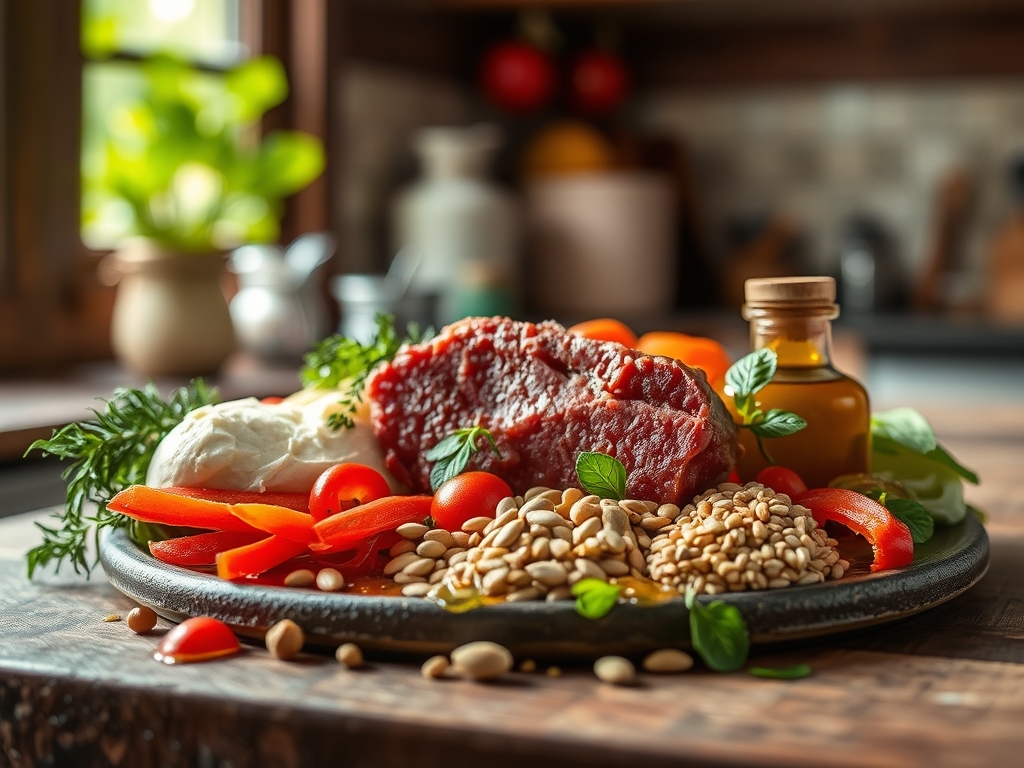
Before we ignite the burners, we must respect the mise-en-place. For these hellofresh beef recipes, your workspace should be a shrine to organization. You will need high quality fats with high smoke points, such as avocado oil or clarified butter, to ensure the beef sears without the oil breaking down into acrid compounds. Fresh aromatics like ginger, garlic, and scallions are non-negotiable; they provide the volatile oils that infuse the entire dish with depth.
Smart Substitutions:
If you find yourself without a specific ingredient, science has your back. Out of fresh ginger? Use a microplane to grate a frozen knob for a more concentrated, piquant punch. If a recipe calls for demi-glace but your pantry is bare, a mixture of beef bone broth reduced by half with a splash of soy sauce and a pinch of gelatin will mimic that viscous, mouth-coating texture. For those watching sodium, swap standard soy sauce for liquid aminos or coconut aminos to maintain that savory umami profile without the salt spike. Always keep a digital scale nearby; measuring ingredients by weight rather than volume ensures the chemical balance of your sauces remains perfect every single time.
The Clock
Efficiency in the kitchen is about "Chef's Flow," which is the logical sequencing of tasks to minimize downtime. Most hellofresh beef recipes are engineered to move from prep to plate in 30 to 45 minutes. The secret is multitasking during passive windows. While your water boils for pasta or grains, use that time to mince your aromatics and whisk your sauce components.
Never wait for the beef to finish browning before you start your vegetable prep. Instead, utilize the high heat of the initial sear to develop flavor, then set the meat aside to rest while you sauté your greens in the rendered fat. This "staggered start" ensures that every component reaches its peak temperature simultaneously. By the time the timer dings, your kitchen is clean and your plate is hot.
The Masterclass
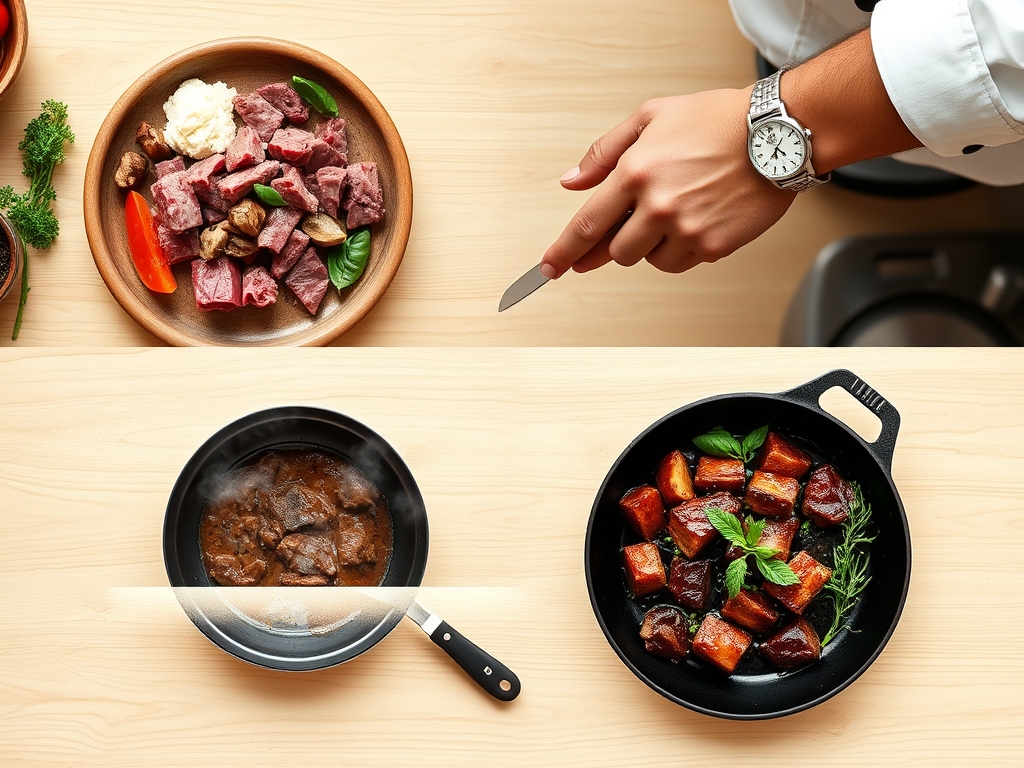
1. The High Heat Sear
Pat your beef dry with paper towels to remove surface moisture. Place your heavy-bottomed skillet over medium-high heat until the oil shimmers. Add the beef in a single layer, ensuring you do not crowd the pan.
Pro Tip: This is the Maillard reaction in action. Surface moisture acts as a heat sink; by drying the meat, you allow the temperature to rise quickly enough to rearrange amino acids and sugars into complex, savory flavor compounds.
2. Rendering and Fond Development
As the beef browns, it will leave behind brown bits on the bottom of the pan known as fond. Do not scrape these away yet. Allow the fat to render out, which provides a flavorful base for your vegetables.
Pro Tip: Fond is concentrated umami. If you wash the pan now, you are literally pouring flavor down the drain. The sugars have caramelized but not yet carbonized; this is the sweet spot for flavor.
3. The Deglaze
Once the beef is removed, add a liquid like wine, broth, or vinegar to the hot pan. Use a wooden spoon or a bench scraper to lift those caramelized bits into the liquid.
Pro Tip: This is a physical and chemical extraction. The liquid acts as a solvent, pulling the flavor compounds from the pan surface and incorporating them into a viscous sauce base.
4. Aerating the Sauce
Whisk in your butter or cream at the very end, off the heat. Use a steady hand to aerate the mixture as you incorporate the fat.
Pro Tip: This creates a stable emulsion. Adding fat to a boiling liquid causes it to break; adding it to a cooling liquid allows the protein molecules to wrap around the fat droplets, creating a silky texture.
5. The Rest and Carryover
Move your beef to a cutting board and let it sit for at least five minutes before slicing. This is the hardest part of the process but the most vital for juice retention.
Pro Tip: This accounts for thermal carryover. The internal temperature will continue to rise by 5 to 10 degrees. Resting allows the muscle fibers to relax and reabsorb the juices that were pushed to the center during cooking.
The Deep Dive
When we look at the macro nutrition of these hellofresh beef recipes, we see a powerhouse of bioavailable iron and B12. A standard serving typically provides 30 to 40 grams of protein, making it an excellent choice for muscle recovery and satiety. For those following specific lifestyles, these recipes are incredibly flexible.
Dietary Swaps:
To make these Keto-friendly, swap out rice or pasta for riced cauliflower or zoodles, and increase the healthy fats in the sauce. For a Gluten-Free version, ensure your soy sauce is replaced with Tamari and use cornstarch or arrowroot powder as a thickening agent instead of flour. If you want to go Vegan, high-protein crumbles or pressed extra-firm tofu can be treated with the same searing techniques to mimic the texture of beef.
The Fix-It:
- Tough Beef: If your beef feels like rubber, you likely crowded the pan, causing the meat to steam in its own juices rather than sear. Fix this by removing the meat, drying the pan, and re-searing in smaller batches.
- Broken Sauce: If your sauce looks oily and separated, whisk in a teaspoon of warm water or a splash of heavy cream vigorously. The extra moisture helps re-bind the emulsion.
- Over-Salted: If the flavor is too sharp, add a squeeze of lime or a drop of honey. Acid and sugar act as chemical balancers to neutralize the perception of salt on the tongue.
Meal Prep Science:
To maintain "day-one" quality when reheating, avoid the microwave if possible. Use a saucier over low heat and add a tablespoon of water or broth. This creates a gentle steam environment that rehydrates the protein fibers without overcooking them.
The Wrap-Up
Mastering hellofresh beef recipes is about more than just following a card; it is about understanding the "why" behind every sizzle and stir. You have the tools, the science, and the flavor profiles to turn every dinner into a masterpiece. Remember that cooking is an iterative process. Every time you deglaze a pan or rest a steak, you are honing your culinary intuition. So go ahead, get that skillet screaming hot and show that beef who is boss. Your taste buds will thank you.
The Kitchen Table
Why is my ground beef grey instead of brown?
Grey beef occurs when the pan is not hot enough or is overcrowded. This causes the meat to steam in its own moisture. To fix this, cook in smaller batches and ensure the oil is shimmering before adding the protein.
Can I use frozen beef for these recipes?
Yes, but you must thaw it completely in the refrigerator first. Frozen cells contain ice crystals that release excess water; if not fully thawed and patted dry, the beef will not achieve a proper Maillard sear.
What is the best way to mince garlic quickly?
Use a heavy chef knife to smash the clove first, which breaks the skin and releases essential oils. Then, use a rocking motion with the blade or a microplane for a fine paste that integrates perfectly into sauces.
How do I know when the steak is medium-rare?
Use a digital meat thermometer for precision. Pull the steak off the heat at 130 degrees Fahrenheit. During the resting phase, thermal carryover will bring the internal temperature to a perfect 135 degrees Fahrenheit.
Why do I need to pat the beef dry?
Water is the enemy of the sear. Surface moisture prevents the temperature from rising above 212 degrees Fahrenheit. Drying the beef allows the surface to reach the 300 degree threshold required for the Maillard reaction to occur.