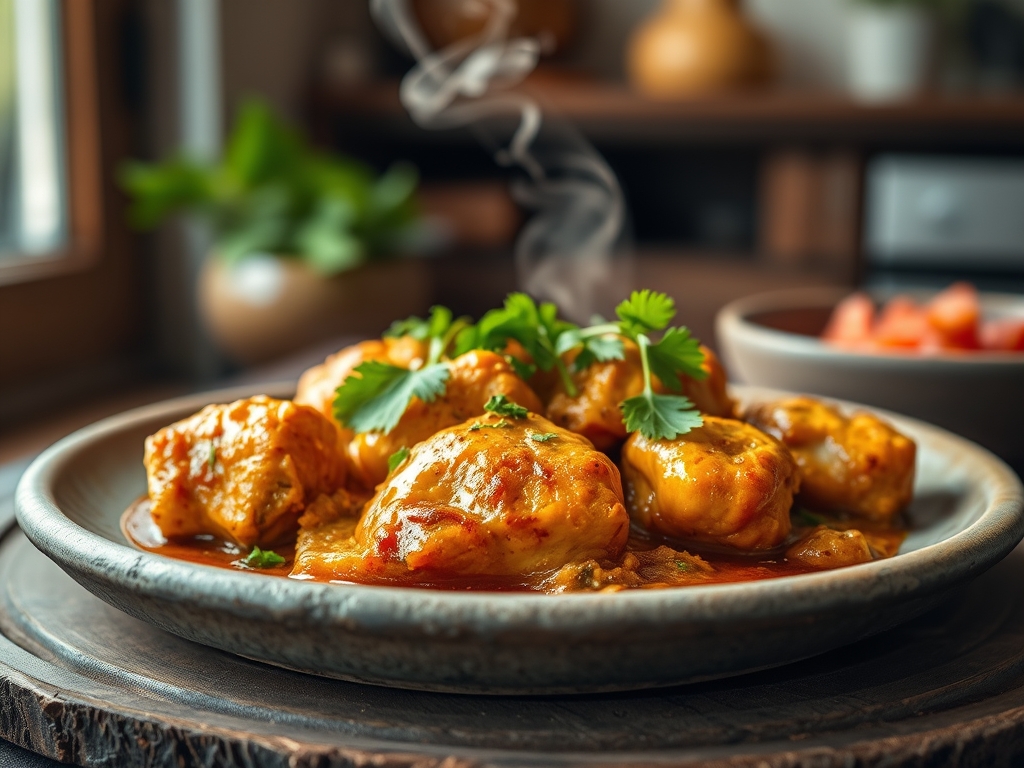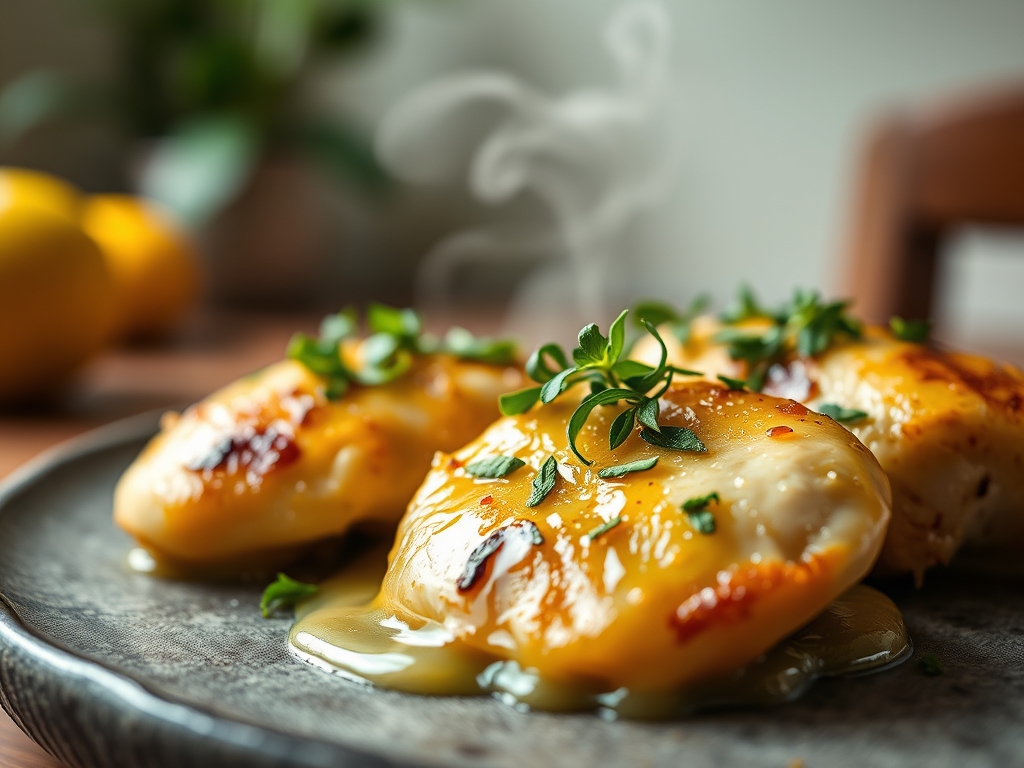
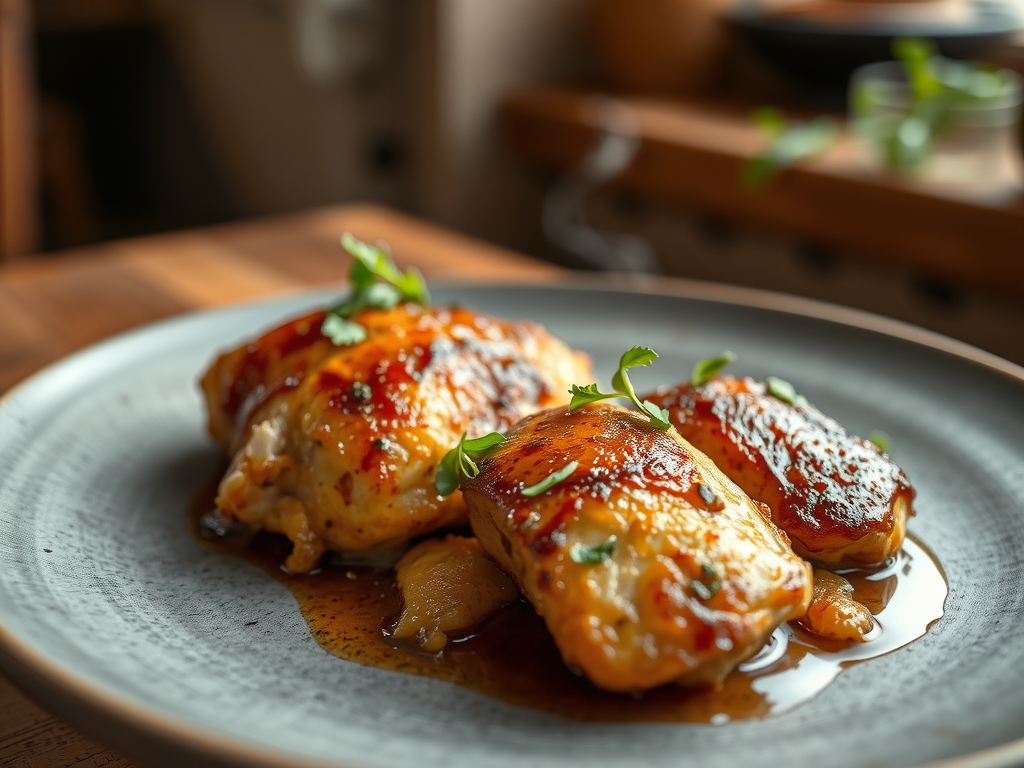
Close your eyes and imagine the scent of piquant cumin and caramelized sugars wafting through a crowded dining room. That signature aroma is the hallmark of the best cafe rio chicken recipes; a perfect balance of smoky heat and citrus brightness that haunts your cravings. We are not just making dinner tonight. We are conducting a masterclass in flavor extraction to replicate that tender, shredded perfection in your own kitchen.
The secret to that iconic flavor profile lies in the marriage of high-quality proteins and a specific enzymatic breakdown that occurs during the slow-cooking process. Most home cooks settle for bland, dry poultry, but we are going to use molecular techniques to ensure every fiber of the meat is infused with a rich, viscous marinade. By the time we are finished, you will have mastered the art of the braise, transforming humble chicken breasts into a culinary centerpiece that rivals the original. Grab your apron and your favorite heavy-bottomed skillet; we are about to dive deep into the science of the shred.
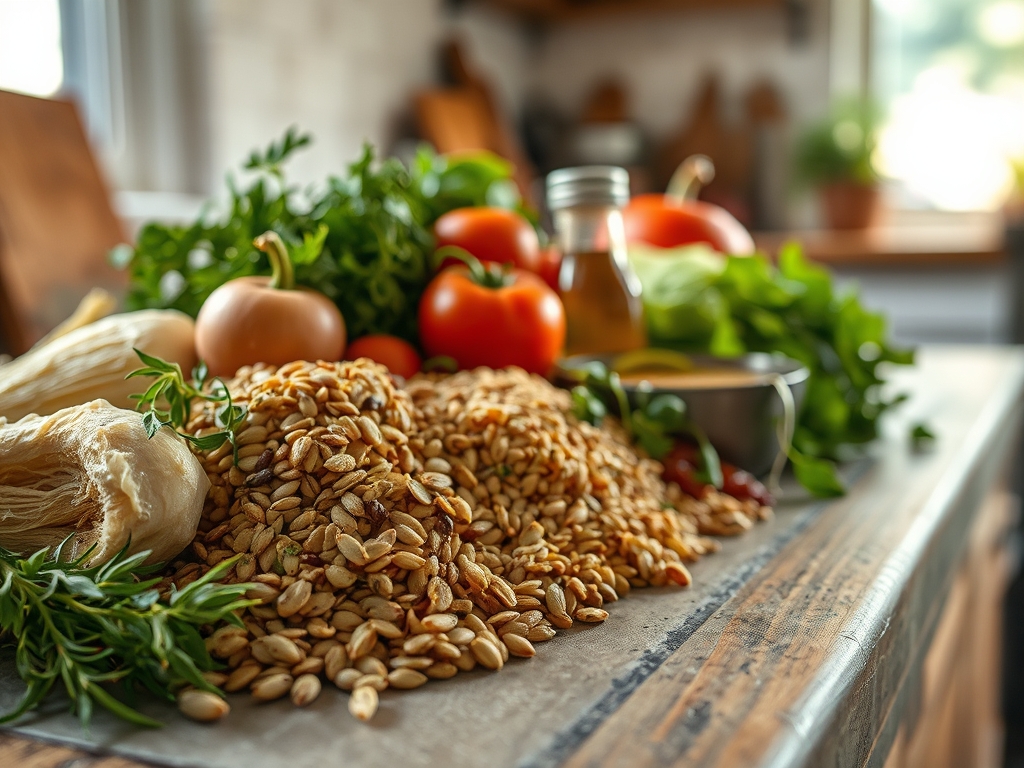
The Gathers:
To achieve the depth of flavor required for authentic cafe rio chicken recipes, your mise-en-place must be precise. We start with five pounds of boneless, skinless chicken breasts. Use a digital scale to ensure accuracy, as the ratio of protein to liquid determines the final viscosity of the sauce.
You will need a high-quality bottle of Italian dressing; the vinegar acts as a denaturant to soften the muscle fibers. Combine this with one small can of diced green chiles for a mild, earthy heat and a half-cup of brown sugar. The sugar is not just for sweetness; it facilitates the Maillard reaction during the final sear. Add two tablespoons of chili powder and a teaspoon of garlic salt. For a smart substitution, swap the garlic salt for fresh cloves processed through a microplane to release essential oils. If you are watching your sodium, use a low-sodium soy sauce or coconut aminos to add that necessary umami backbone without the salt bloat.
The Clock
Efficiency in the kitchen is about managing the Chef's Flow. Your active prep time is a mere fifteen minutes; this involves measuring spices and whisking your marinade in a saucier until the sugars are fully dissolved. The passive cooking time is where the magic happens. In a slow cooker, you are looking at six to eight hours on low heat or four hours on high.
If you are using a pressure cooker, the time drops to forty-five minutes with a natural pressure release. This natural release is vital; it prevents the rapid boiling of internal juices which can lead to toughened proteins. Always allow for a ten-minute rest period after cooking before you introduce your bench scraper or forks for shredding. This allows the moisture to redistribute through the fibers.
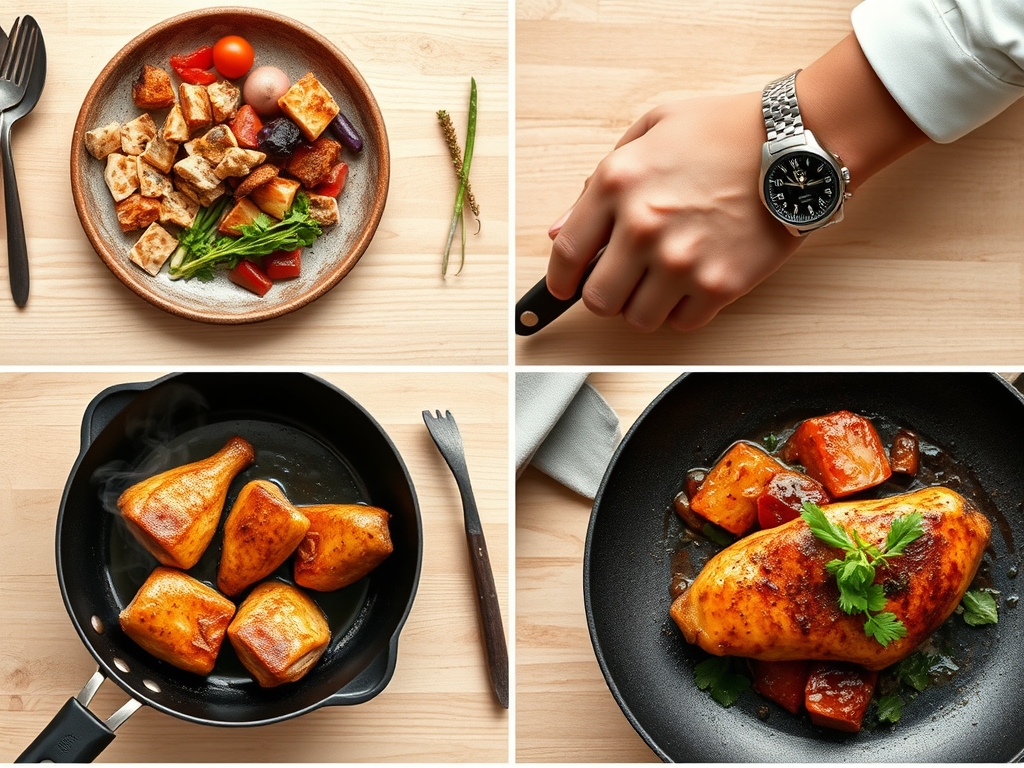
The Masterclass
1. The Marinade Emulsification
Start by whisking your Italian dressing, brown sugar, and spices in a medium bowl. You want to ensure the oil and vinegar are temporarily emulsified so the flavors coat the chicken evenly.
Pro Tip: This step utilizes surface area tension. By whisking vigorously, you break the oil into smaller droplets, allowing the water-soluble spices to stay suspended and penetrate the meat more effectively.
2. The Low and Slow Braise
Place your chicken in the crockpot and pour the mixture over the top. Ensure the liquid covers at least two-thirds of the meat.
Pro Tip: This is a form of sub-boiling poaching. Keeping the temperature below 212 degrees Fahrenheit prevents the collagen from tightening too quickly, resulting in a silkier texture.
3. The Shredding Technique
Once the internal temperature reaches 165 degrees, remove the chicken. Use two forks or a stand mixer with a paddle attachment on low speed to shred the meat.
Pro Tip: Shredding while the meat is hot utilizes thermal carryover. The steam escaping the meat helps the fibers separate easily before the proteins have a chance to set and firm up.
4. The Sauce Reduction
Take the leftover liquid from the pot and transfer it to a saucier. Simmer over medium-high heat until it reduces by one-third.
Pro Tip: This process is evaporative concentration. By removing water, you concentrate the solutes (sugars and salts), creating a glaze that clings to the meat rather than puddling at the bottom of the bowl.
5. The Final Infusion
Toss the shredded meat back into the reduced sauce. Let it sit on the "warm" setting for at least twenty minutes.
Pro Tip: This is known as osmotic equilibrium. The shredded chicken, which lost some moisture during cooking, will now act like a sponge, drawing the concentrated sauce back into its core.
The Deep Dive
From a macro nutrition perspective, this recipe is a protein powerhouse. A standard four-ounce serving contains approximately 210 calories, 28 grams of protein, and 8 grams of sugar. To make this Keto-friendly, replace the brown sugar with a monk fruit sweetener and ensure your dressing is sugar-free. For a vegan alternative, use extra-firm tofu that has been pressed and frozen; the freezing process creates a "meaty" texture that mimics shredded poultry perfectly.
The Fix-It: If your chicken is too dry, you likely overcooked it or shredded it too late; fix this by folding in a quarter cup of chicken bone broth. If it is too salty, add a squeeze of fresh lime juice to provide an acid balance. If the sauce is too thin, whisk in a cornstarch slurry (one teaspoon cornstarch to one tablespoon cold water) and simmer for two minutes.
For meal prep, reheating is a science. Avoid the microwave if possible, as it causes "warmed-over flavor" due to lipid oxidation. Instead, reheat in a skillet over low heat with a splash of water to create steam, maintaining that "day-one" tenderness.
The Wrap-Up
Mastering cafe rio chicken recipes at home is about more than just following a list of ingredients; it is about respecting the chemistry of the braise. By focusing on emulsification, controlled thermal reduction, and proper resting periods, you have elevated a simple weeknight meal into a gourmet experience. Your kitchen now holds the secret to that piquant, addictive flavor that keeps people coming back for more. Go ahead and serve this up with some cilantro lime rice and creamy dressing; you have officially earned your stripes as a home chef.
The Kitchen Table
Can I use frozen chicken for this recipe?
Yes, but increase the cook time by two hours on low. Ensure the internal temperature reaches 165 degrees Fahrenheit. Frozen meat releases more water, so you may need to reduce the sauce longer at the end to maintain a viscous consistency.
Why is my chicken rubbery instead of tender?
Rubbery chicken is usually the result of cooking at too high a temperature too quickly. This causes the protein fibers to contract violently. Always opt for the "low" setting on a slow cooker to allow the connective tissue to melt gradually.
How long does this chicken stay fresh in the fridge?
Stored in an airtight container, the chicken remains optimal for three to four days. The flavors actually deepen by day two as the spices continue to infuse into the protein fibers through cold-set marination.
What is the best way to freeze leftovers?
Freeze the shredded chicken inside a vacuum-sealed bag or a heavy-duty freezer bag with the excess air removed. This prevents ice crystals from forming, which can rupture the cell walls of the meat and cause a mushy texture upon thawing.