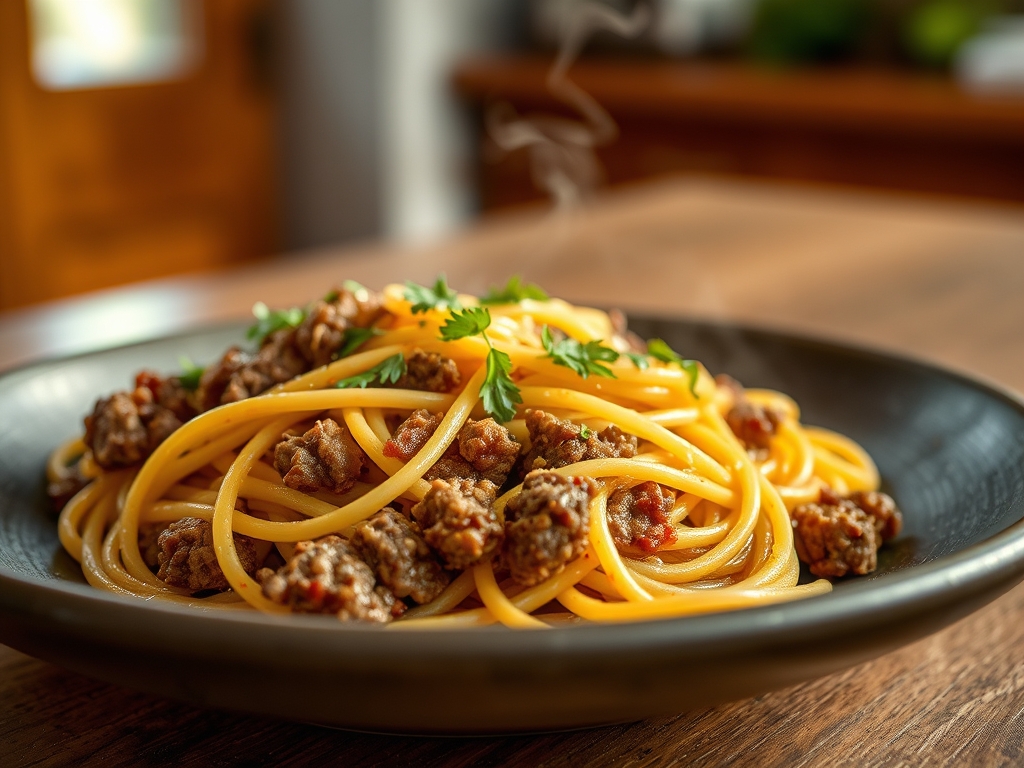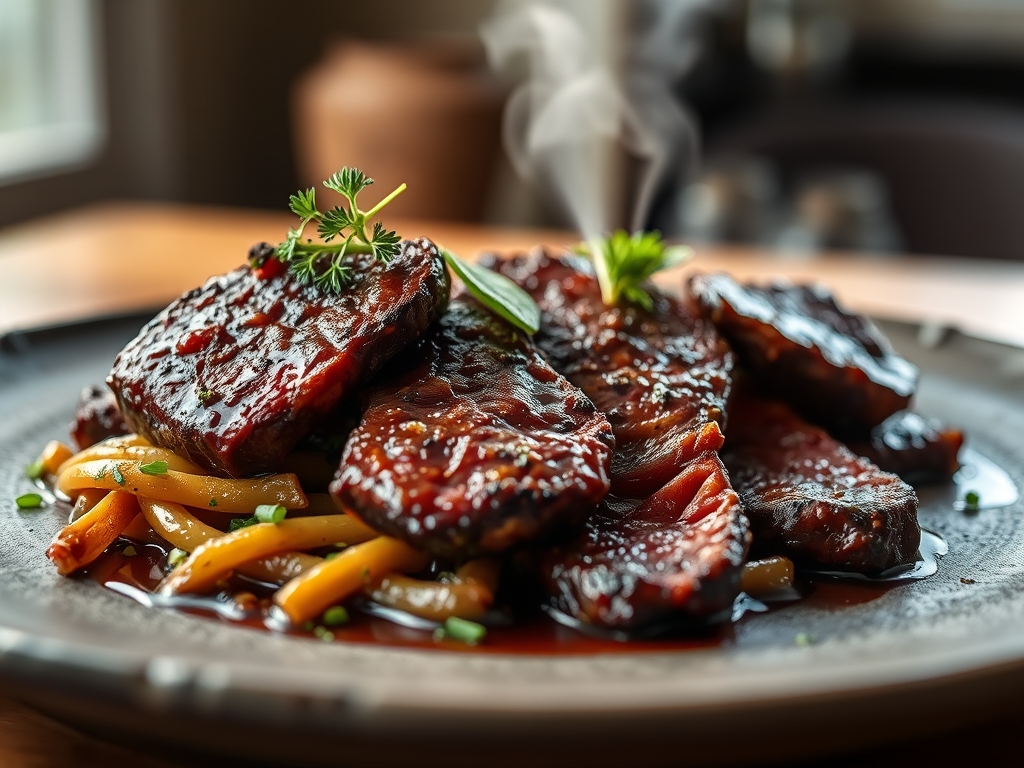
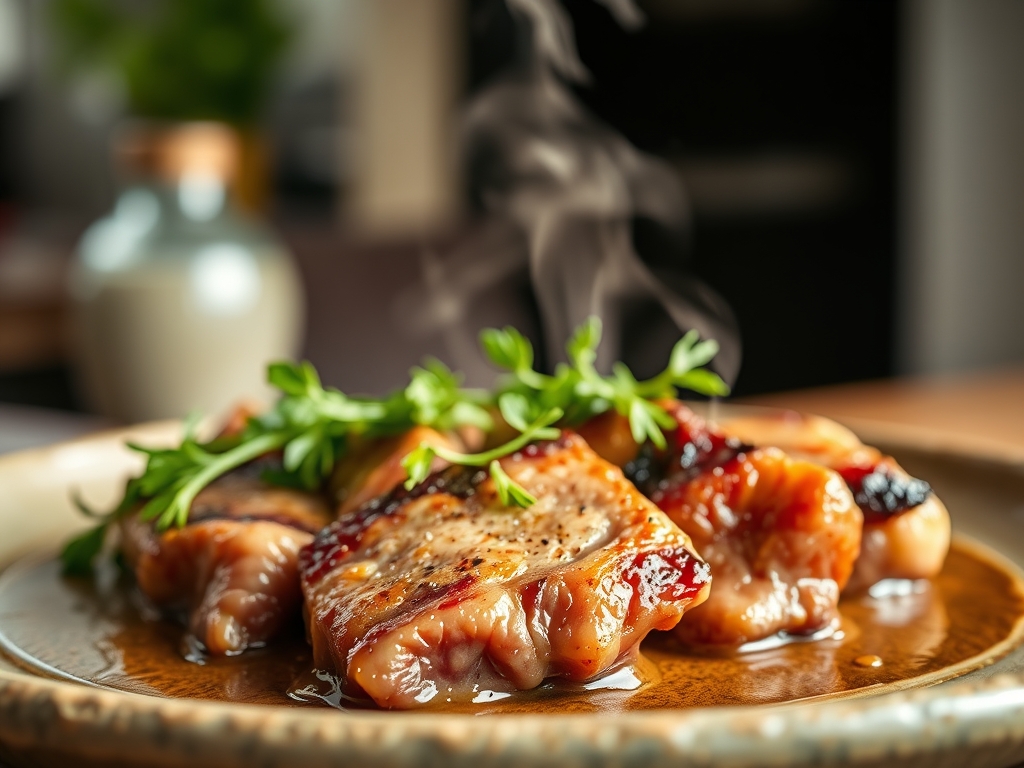
Imagine the sound of a heavy bottomed skillet hitting a gas range; it is a resonant, metallic chime that signals the start of something transformative. As the heat rises, the air fills with the scent of rendered fat and the piquant aroma of cracked peppercorns. We are moving beyond the basic sear. These six easy boneless beef recipes are designed to turn your kitchen into a high performance laboratory where flavor is the primary variable. Whether you are craving a velvety stroganoff or a sharp ginger stir fry, the lack of bone means more surface area for the Maillard reaction to work its magic. We are hunting for that perfect crust and a tender, yielding interior that feels like a luxury but cooks in under thirty minutes.
There is a specific kind of joy in mastering boneless beef recipes. You do not have to navigate around connective tissue or ossified joints. Instead, you get to focus on the pure, unadulterated muscle fibers and how they interact with heat. We are going to use science to ensure every bite is succulent. By understanding how proteins denature and how acids can brighten a heavy sauce, you will elevate your Tuesday night dinner into a culinary event. Grab your favorite apron and a glass of something crisp; we are about to decode the secrets of the perfect sear and the ultimate deglaze.
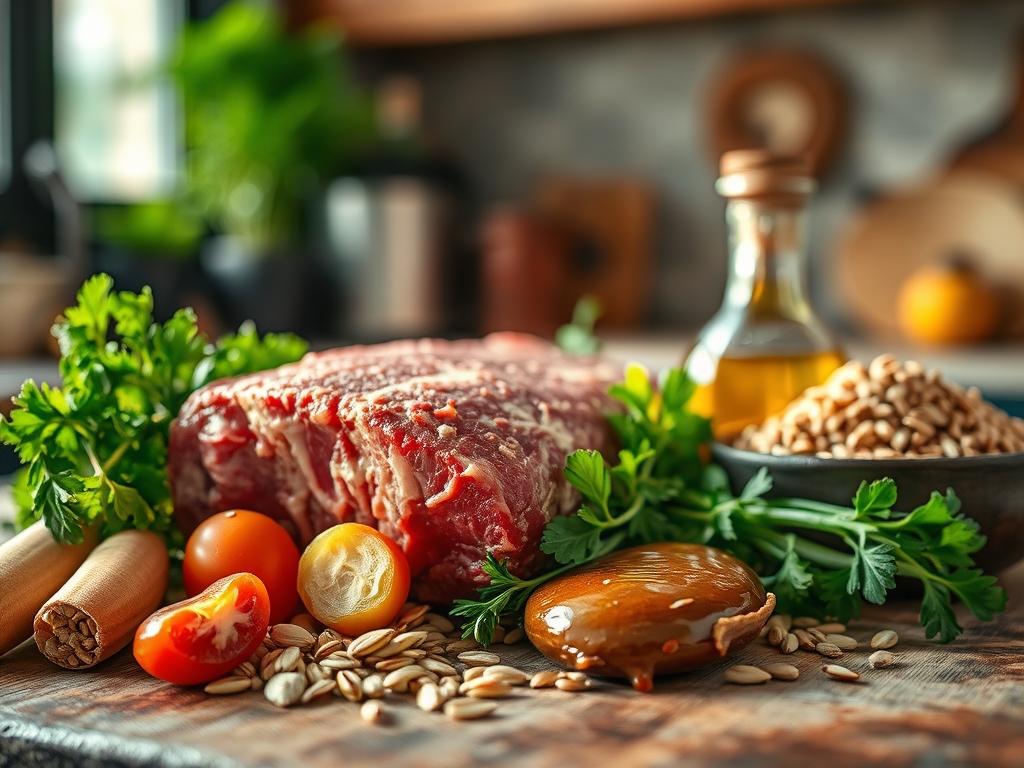
The Gathers:
To execute these boneless beef recipes with precision, your mise en place must be impeccable. Start with your protein. Look for marbling; those fine white flecks of intramuscular fat are essential because they melt at roughly 130 degrees Fahrenheit, self basting the meat from the inside out. You will need a sharp chef knife to ensure clean cuts that do not tear the muscle fibers. Alongside the beef, gather high smoke point oils like avocado or grapeseed. Butter is for finishing, not for the initial sear, as its milk solids will scorch before the beef reaches its thermal peak.
Your aromatics should be prepped and ready. Use a microplane to zest citrus or grate ginger into a fine paste; this increases the surface area and allows the essential oils to infuse the fat more rapidly. Have your liquids ready in a saucier. Whether it is a fortified beef stock, a splash of dry sherry, or a viscous tamari, these will be used to deglaze the pan and capture the fond. If you are missing an ingredient, do not panic. Smart substitutions are your best friend. Swap balsamic vinegar for red wine to add acidity and sugar, or use nutritional yeast to add a savory, umami depth if you are low on parmesan or mushrooms.
The Clock
Efficiency in the kitchen is about the "Chef's Flow." This is the art of overlapping tasks so that no second is wasted. For most boneless beef recipes, the active prep time is approximately fifteen minutes, while the cooking phase lasts between ten and twenty minutes. The secret is the rest period. You must factor in at least five to ten minutes of resting time after the meat leaves the heat. This allows the internal temperature to stabilize and the juices to redistribute through the capillary action of the muscle fibers.
If you are stir frying, the flow is rapid. You will spend twelve minutes slicing and three minutes in the wok. If you are braising a boneless chuck, the flow is passive; a quick ten minute sear followed by two hours of low heat. Always use a digital scale for your spices to ensure consistency. By timing your sides to finish exactly when the beef has finished its rest, you ensure that the meal is served at the peak of its sensory profile.
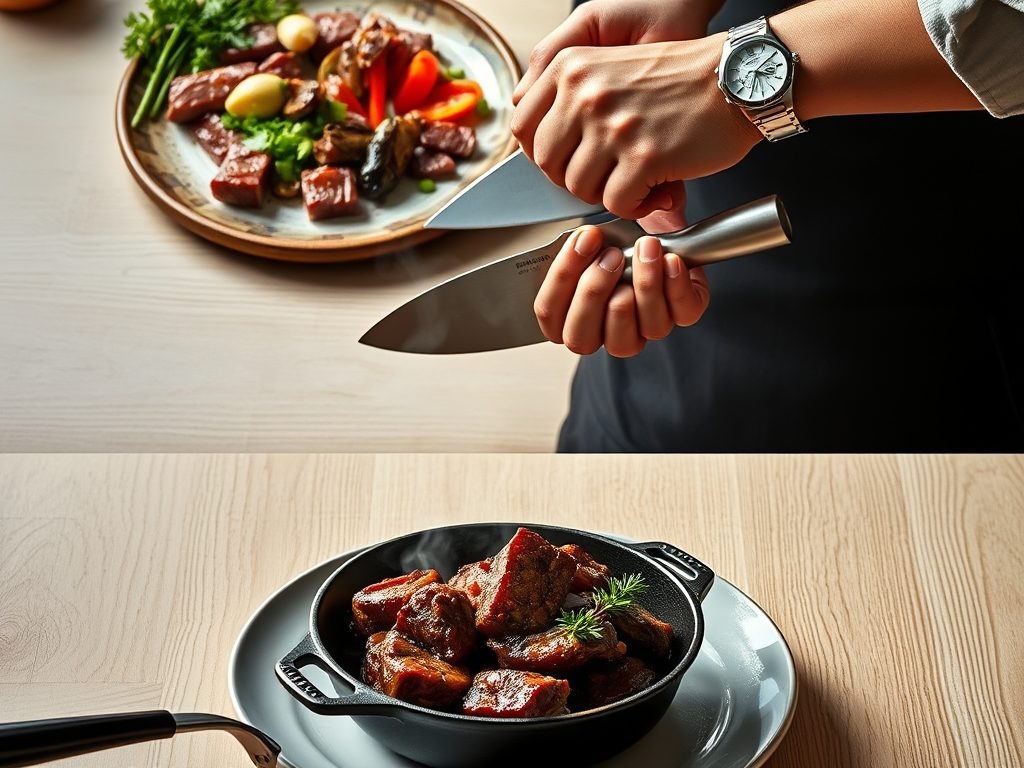
The Masterclass
1. The Tempering Phase
Remove your beef from the refrigerator thirty minutes before cooking. Cold meat causes the temperature of your heavy bottomed skillet to plummet, which leads to steaming rather than searing. Pat the surface bone dry with paper towels to remove moisture.
Pro Tip: Moisture is the enemy of the Maillard reaction. By drying the surface, you ensure that the thermal energy goes toward browning the proteins rather than evaporating surface water.
2. The High Heat Sear
Place your skillet over medium high heat until the oil shimmers and barely begins to smoke. Lay the beef away from you to avoid splashes. Do not crowd the pan; leave space for steam to escape. Use stainless steel tongs to flip the meat only once a deep, mahogany crust has formed.
Pro Tip: This is enzymatic browning. The amino acids and reducing sugars react under high heat to create hundreds of different flavor compounds that do not exist in raw meat.
3. The Deglaze and Emulsify
Once the beef is removed, you will see brown bits stuck to the bottom. This is the fond. Pour in a cold liquid and use a wooden spoon or bench scraper to lift those bits. Whisk in a knob of cold butter at the very end to create a glossy, stable emulsion.
Pro Tip: Cold butter contains intact fat globules that help create a viscous sauce. If the sauce is too hot, the butter will simply melt into a greasy slick.
4. The Thermal Rest
Transfer the beef to a warm plate or a wooden cutting board. Cover it loosely with foil, but do not wrap it tightly, or the trapped steam will ruin your crust. Let it sit for one third of the total cooking time.
Pro Tip: This accounts for thermal carryover. The external heat continues to travel toward the center of the meat, raising the internal temperature by another five degrees.
5. The Final Slice
Always slice against the grain. Look for the direction the muscle fibers are running and cut perpendicular to them. This shortens the fibers, making the beef significantly easier to chew and more tender on the palate.
Pro Tip: Slicing against the grain mechanically breaks down the structural integrity of the meat, mimicking the work your teeth would otherwise have to do.
6. The Bright Finish
Before serving, hit the dish with a "pop" of acid or fresh herbs. A squeeze of lemon or a sprinkle of flat leaf parsley cuts through the richness of the fat and resets the palate for the next bite.
Pro Tip: Acid balances the pH of the dish. It brightens the flavor profile by stimulating the salivary glands, making the savory notes of the beef feel more intense.
The Deep Dive
When we look at the macro nutrition of boneless beef recipes, we are seeing a powerhouse of bioavailable protein, zinc, and B12. A standard six ounce portion provides roughly 42 grams of protein. For those on a Keto path, the high fat content of cuts like ribeye is a dream. If you are going Paleo or Gluten Free, simply swap out soy sauce for coconut aminos and use arrowroot powder instead of flour to thicken your sauces. For a vegan twist, the same techniques apply to thick cut cauliflower or seitan steaks; the goal is always that deep, caramelized crust.
Even experts hit snags. If your meat is "grey and sad," your pan wasn't hot enough; fix it by removing the meat, heating the pan until it smokes, and doing a flash sear. If the sauce is "broken" or oily, whisk in a tablespoon of warm water or heavy cream to re emulsify the fats. If the beef is "tough," you likely skipped the rest period or sliced with the grain. For meal prep, reheat your beef in a covered dish with a splash of broth at 250 degrees. This gentle steam prevents the proteins from tightening further, maintaining that day one quality.
The Wrap-Up
Mastering boneless beef recipes is about more than just following a list of steps; it is about understanding the physics of the pan and the chemistry of the ingredients. You now have the tools to manipulate heat, manage moisture, and build layers of complex flavor. From the initial sear to the final, vibrant garnish, you are in total control of the culinary narrative. Go forth and cook with confidence, knowing that science is the secret ingredient that makes your cooking taste like magic.
The Kitchen Table
Which cut is best for quick boneless beef recipes?
Sirloin or tenderloin are ideal. They have less connective tissue, meaning they stay tender during rapid, high heat cooking methods like searing or stir frying.
How do I prevent beef from getting chewy?
Always slice against the grain and never skip the resting phase. Resting allows muscle fibers to relax and reabsorb juices, ensuring a succulent texture.
Can I use frozen beef for these recipes?
Yes, but thaw it completely in the refrigerator first. Pat it extremely dry before cooking to ensure you get a proper Maillard sear rather than steaming.
What is the best oil for searing beef?
Use oils with high smoke points like grapeseed, avocado, or canola. Avoid extra virgin olive oil or butter for the initial sear as they burn too quickly.