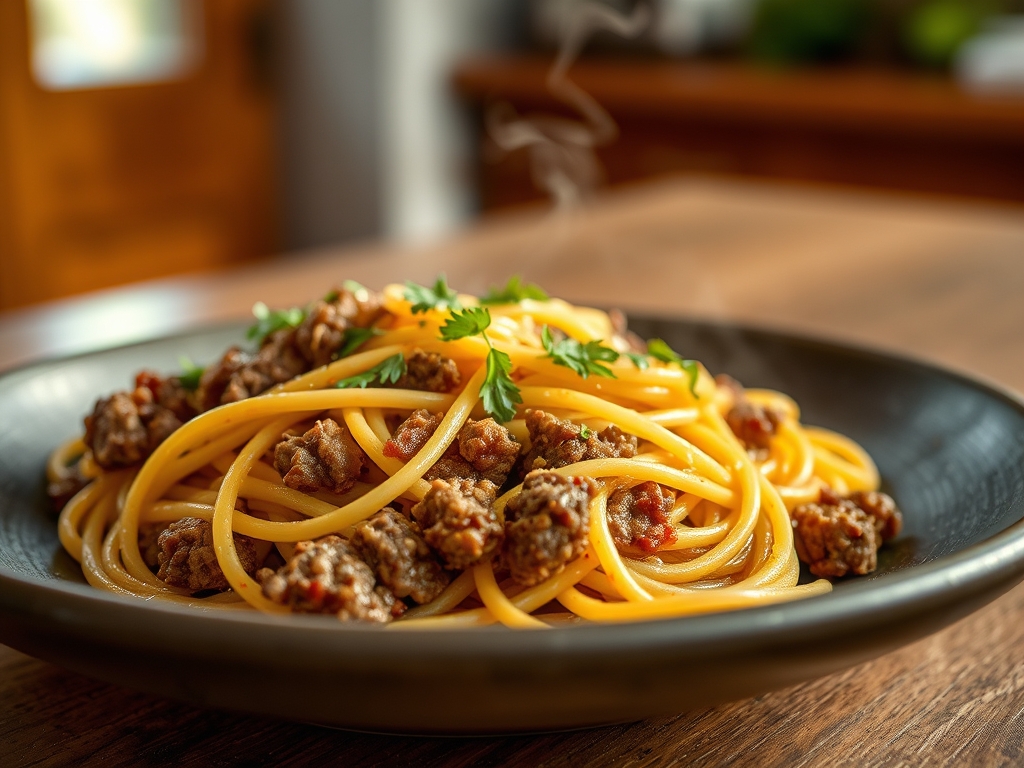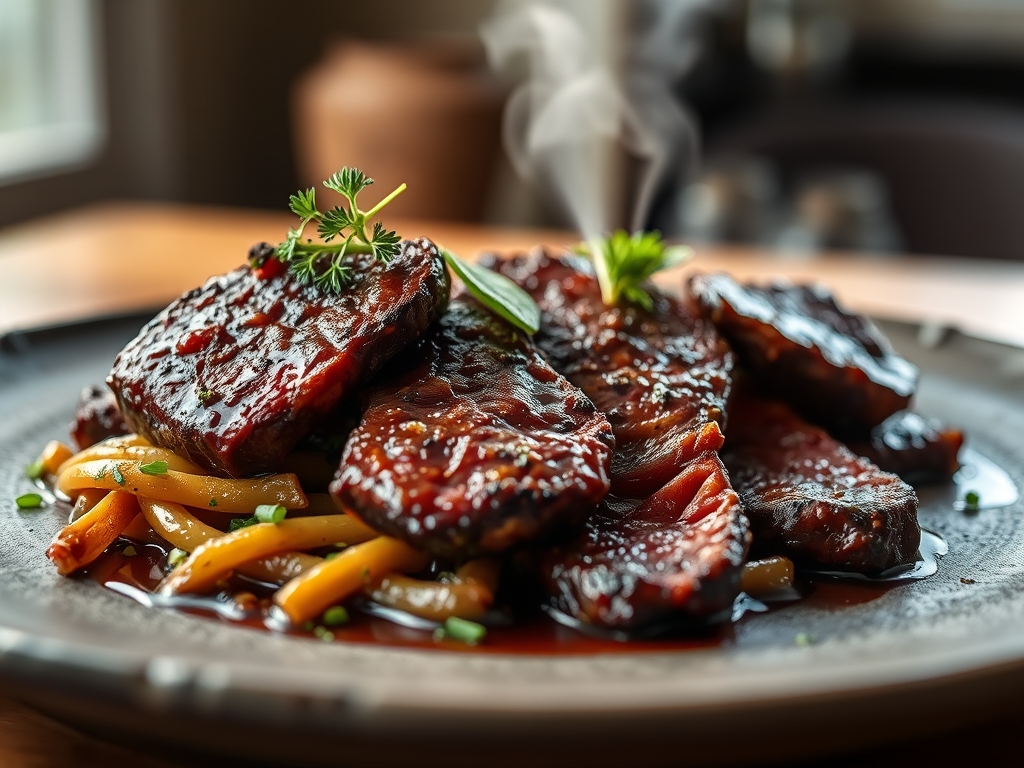
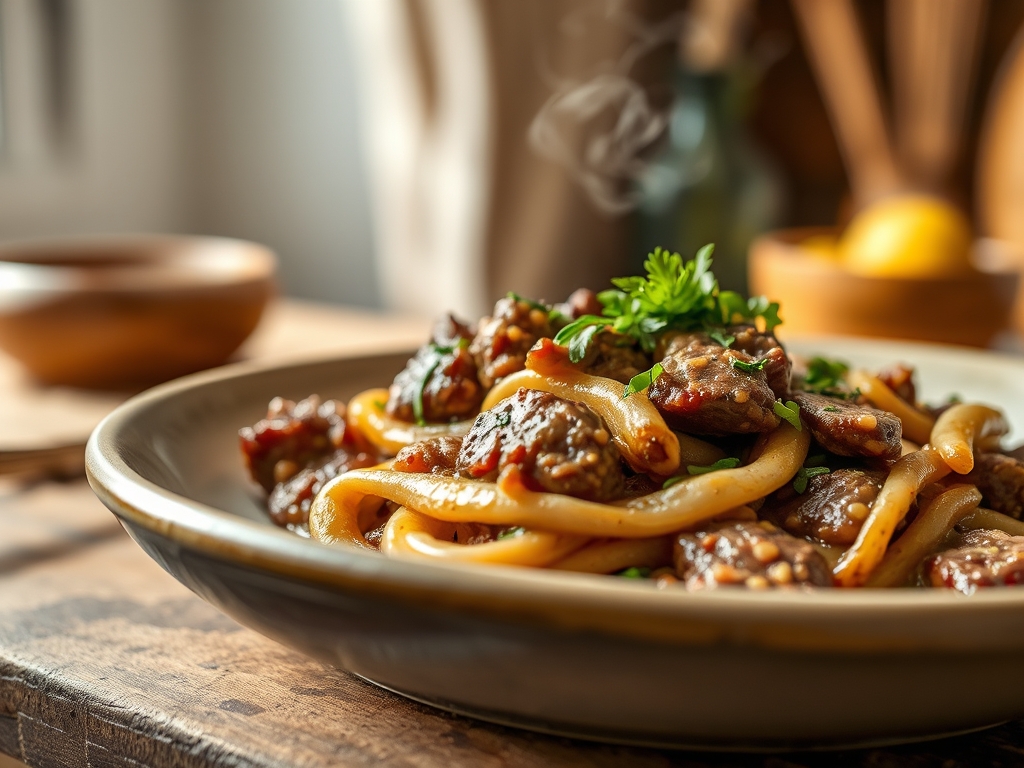
Picture the scene: it is Tuesday evening and your refrigerator holds the remains of Sunday's glory. That cold, sturdy slab of chuck or ribeye might look uninspiring now, but it is actually a scientific shortcut to umami heaven. When we talk about leftover roast beef recipes stroganoff is the undisputed queen of the genre because it relies on pre-developed flavors. The Maillard reaction has already occurred during the initial roast; those complex sugars and amino acids are just waiting to be rehydrated in a silky, cultured cream sauce. We are not just reheating meat; we are conducting a symphony of emulsification and moisture management. This is the ultimate "smart girl" kitchen hack. You get to skip the long braising times because the heavy lifting is done. By using high-quality fats and a piquant hit of acidity, we transform fiber-dense leftovers into a luxurious, velvet-textured masterpiece that tastes like a French bistro on a rainy night.
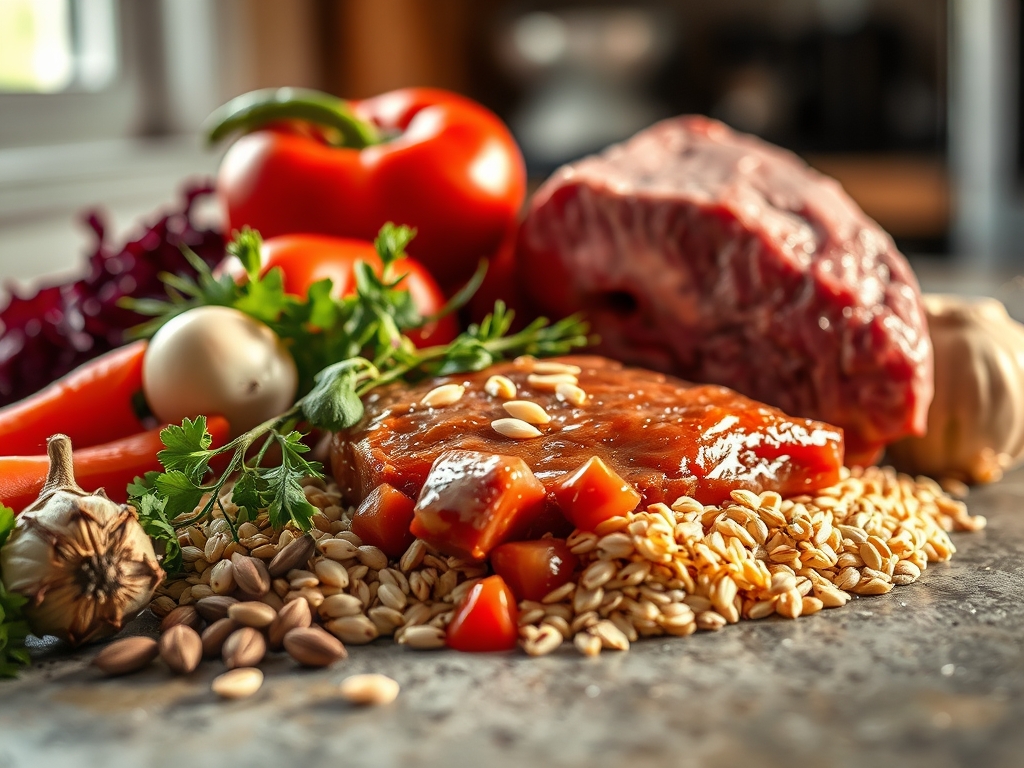
The Gathers:
To execute this properly, your mise-en-place must be precise. Gather 1.5 pounds of your pre-cooked beef, sliced against the grain into thin, bite-sized strips. You will need 12 ounces of Cremini mushrooms for their high ergothioneine content and dense cellular structure. For the aromatic base, use one large shallot and three cloves of garlic, finely minced with a sharp chef knife or a microplane to maximize surface area. The liquid gold consists of 1.5 cups of beef bone broth (rich in gelatin for body) and 1 cup of full-fat sour cream. Do not reach for the low-fat version; the lack of lipids will cause the sauce to break when exposed to heat.
Smart Substitutions:
If you find yourself without sour cream, Greek yogurt works but requires a lower temperature to prevent curdling. For a deeper flavor profile, swap the traditional white wine deglaze for a splash of dry Sherry or Cognac. If you are out of fresh mushrooms, a tablespoon of porcini powder or a dash of Worcestershire sauce provides that essential savory depth. Ensure your butter is unsalted so you can control the sodium levels with a digital scale or a precise pinch of Maldon sea salt.
The Clock
Efficiency is the soul of great cooking. Total preparation time is approximately 10 minutes, assuming your beef is already cooked. The active cooking time is a swift 15 to 20 minutes. This is what professionals call "The Chef's Flow." You spend the first 5 minutes rendering the mushroom moisture and browning the aromatics. The middle 10 minutes are dedicated to building the sauce's viscosity through reduction. The final 5 minutes are purely for "tempering" the beef and dairy. Because the beef is already cooked, you are merely bringing it to internal temperature rather than cooking it further; this prevents the protein fibers from tightening into rubbery knots.
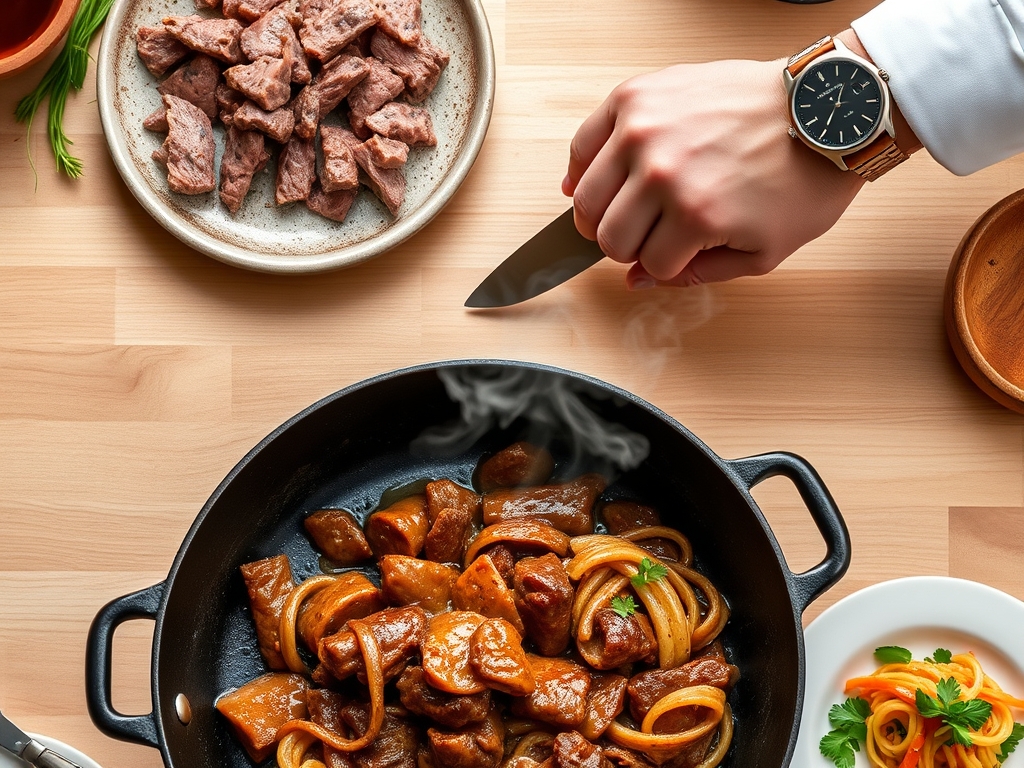
The Masterclass
1. The Mushroom Sear
Heat a heavy-bottomed skillet over medium-high heat. Add two tablespoons of unsalted butter and a swirl of neutral oil. Once the butter foams, add the sliced mushrooms in a single layer. Resist the urge to stir immediately.
Pro Tip: This stage utilizes evaporative cooling. Mushrooms are roughly 90 percent water. By letting them sit undisturbed, you allow the water to evaporate so the temperature can rise above 300 degrees Fahrenheit, triggering the Maillard reaction for a deep, nutty flavor.
2. Aromatics and Deglazing
Push the mushrooms to the perimeter and drop in your minced shallots. Use a wooden spoon or a bench scraper to move them until translucent. Pour in half a cup of dry white wine or sherry to deglaze the pan, scraping up the "fond" (those brown bits) from the bottom.
Pro Tip: Deglazing is a chemical extraction process. The alcohol and acidity in the wine dissolve the caramelized proteins stuck to the pan, incorporating those intense flavor compounds directly into your sauce base.
3. Building the Velouté
Dust the vegetables with two tablespoons of all-purpose flour. Stir for two minutes to cook out the raw starch taste, then slowly whisk in the beef broth. Bring the mixture to a simmer until it thickens into a glossy, viscous consistency.
Pro Tip: This creates a roux-based suspension. The starch granules swell and trap the liquid, preventing the fat and water from separating later when you add the dairy.
4. Tempering the Beef
Lower the heat to a minimum. Gently fold in your sliced leftover roast beef. You want to warm the meat through without boiling it, which would squeeze out the remaining moisture.
Pro Tip: This is about thermal equilibrium. By heating the beef slowly in the sauce, you ensure the center of the meat reaches 140 degrees Fahrenheit without the exterior becoming overcooked and tough.
5. The Sour Cream Finish
Remove the skillet from the heat entirely. Stir in the sour cream, a teaspoon of Dijon mustard, and a handful of fresh parsley. Use tongs to toss the mixture until every strand of beef is coated in a pale, creamy emulsion.
Pro Tip: This prevents protein denaturation. If you boil sour cream, the proteins clump together and create a grainy texture. Adding it off-heat preserves the smooth, luxurious mouthfeel of the lipids.
The Deep Dive
From a macro perspective, this dish is a powerhouse. A standard serving provides roughly 35 grams of protein and is rich in Vitamin B12 and Zinc. For my keto friends, simply ditch the egg noodles and serve this over roasted cauliflower or zoodles; the high fat content from the sour cream and butter makes it perfectly keto-compliant. If you are gluten-free, use a 1:1 GF flour blend or a cornstarch slurry to thicken the sauce.
The Fix-It:
- Sauce is too thin: Whisk a teaspoon of cornstarch with cold water and stir it into the simmering sauce.
- Sauce is grainy: You likely overheated the dairy. Whisk in a tablespoon of heavy cream or a splash of hot broth to try and re-emulsify the fats.
- Beef is tough: You may have sliced it with the grain. Next time, ensure you cut perpendicular to the muscle fibers to shorten them for a "melt-in-your-mouth" texture.
Meal Prep & Reheating:
To maintain "day-one" quality, store the sauce and noodles separately. When reheating, use a saucier over low heat and add a splash of milk or broth. This restores the moisture lost to "starch retrogradation," which is the process where starch molecules realign and kick out water during cooling.
The Wrap-Up
There is a certain magic in taking something "old" and making it feel brand new. Using leftover roast beef recipes stroganoff is the ultimate testament to kitchen intelligence. It is fast, it is scientifically sound, and it feels incredibly indulgent without the three-hour wait time. So, grab your favorite skillet, trust the chemistry of the emulsion, and turn those leftovers into the best meal of your week. You have got the tools, the tips, and the talent to make it happen!
The Kitchen Table
Can I use Greek yogurt instead of sour cream?
Yes, but use full-fat Greek yogurt to prevent curdling. Always add it off the heat at the very end. The flavor will be slightly more acidic and "tangy" than traditional stroganoff, but the protein count will be higher.
How do I prevent the beef from getting tough?
The beef is already cooked, so avoid boiling it in the sauce. Only simmer long enough to reach serving temperature. Slicing the beef very thin and against the grain also ensures a tender, easy-to-chew texture in every bite.
What is the best way to thicken the sauce?
The most reliable method is a flour-and-butter roux created before adding the broth. If the sauce remains too thin, a small cornstarch slurry (equal parts starch and cold water) whisked into the simmering liquid will provide an instant, glossy thicken.
Can I freeze leftover beef stroganoff?
Freezing is not recommended because the sour cream and mushrooms can change texture significantly upon thawing. The dairy often "breaks," resulting in a grainy sauce. It is best enjoyed fresh or kept in the refrigerator for up to three days.