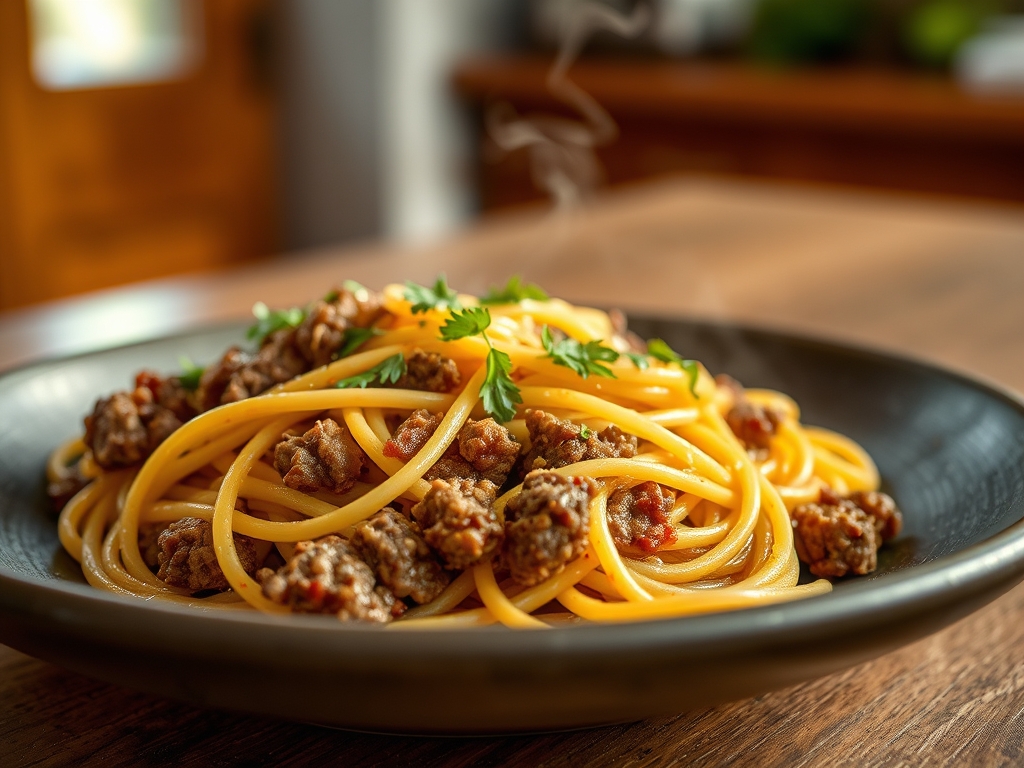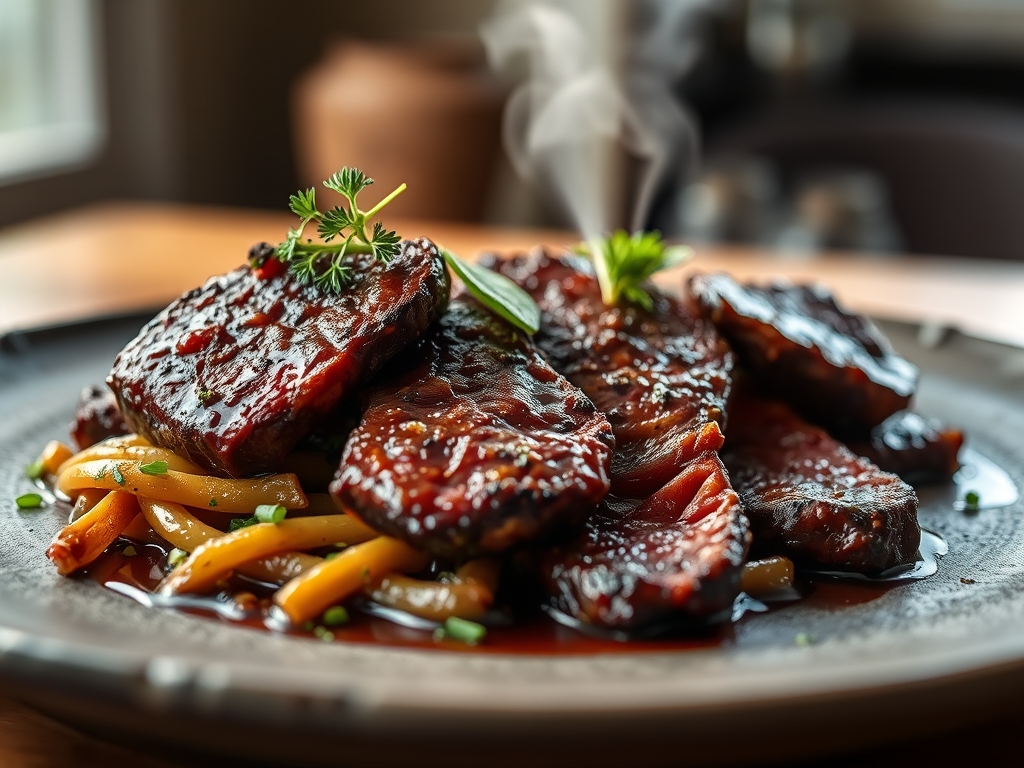
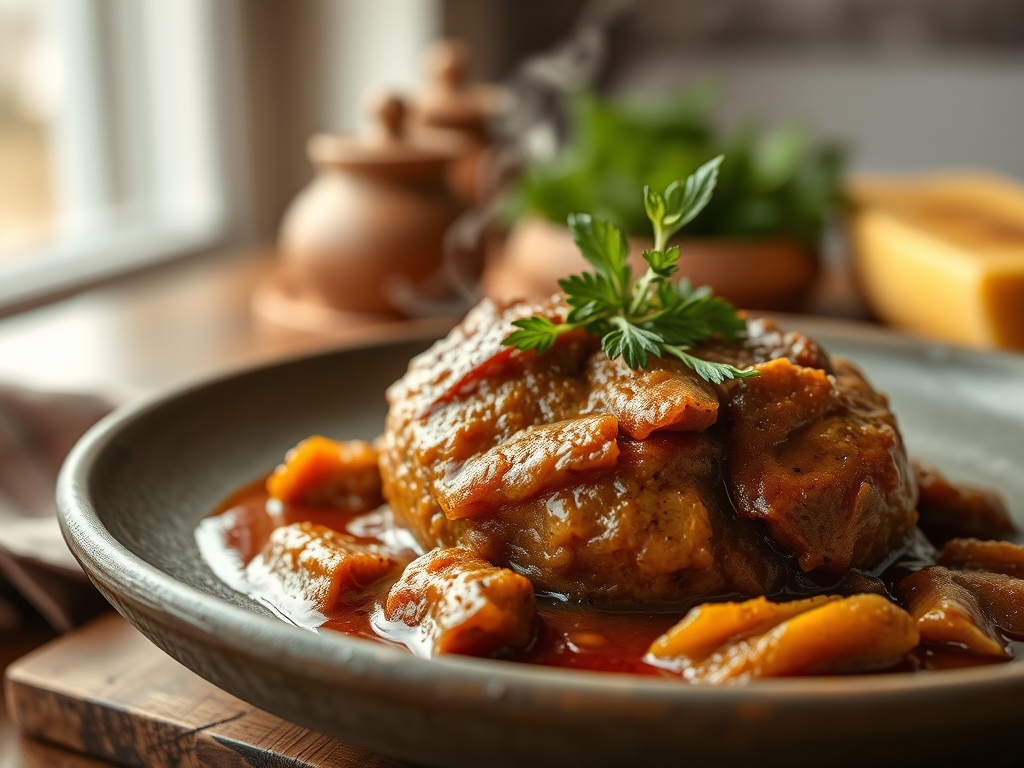
Picture the scent of deep umami drifting through your kitchen on a rainy Tuesday. It is that heavy, intoxicating aroma of caramelizing proteins that makes your mouth water before you even grab a spoon. When you master round stew beef recipes, you transform a lean, stubborn cut of meat into a velvet masterpiece that melts at the mere suggestion of a fork.
The secret lies in understanding that round beef is functionally a bundle of tight muscle fibers. Without the right approach, it becomes a literal chore to chew. However, with a bit of kitchen chemistry and the right tools, we can break down those connective tissues into gelatinous gold. We are talking about a transformation so complete that your guests will swear you spent triple the price on short ribs. This guide is your roadmap to achieving that impossible tenderness every single time.
The Gathers:
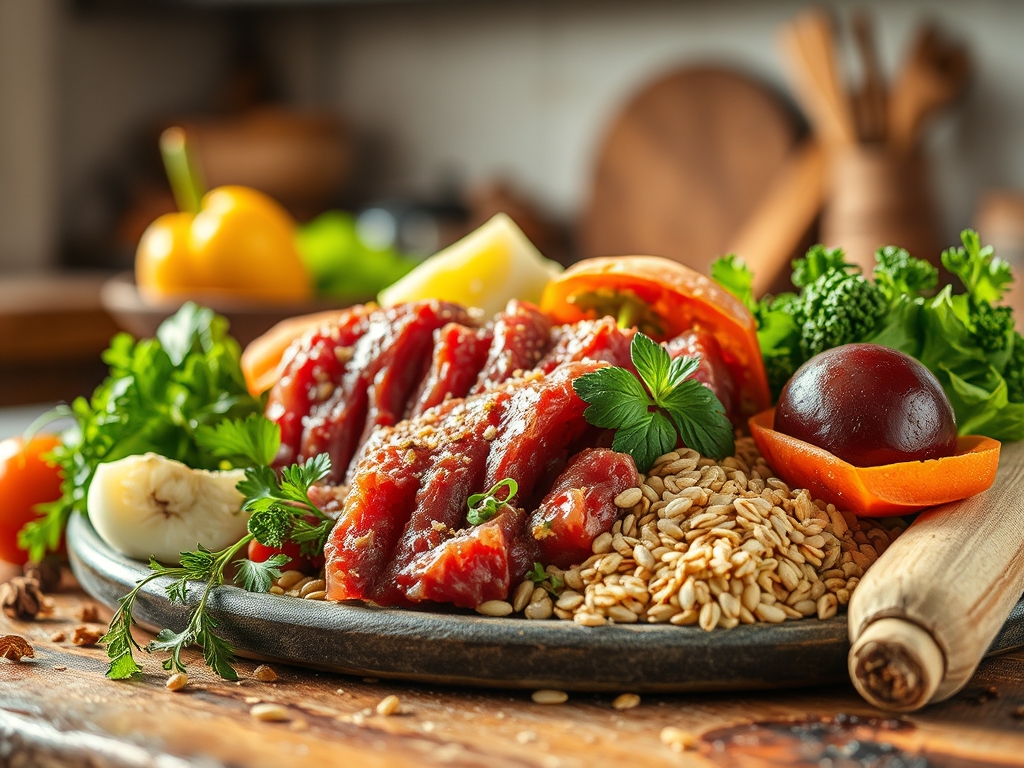
To begin, we must assemble our mise-en-place with surgical precision. Use a digital scale to ensure your ratios are exact. You will need two pounds of beef round, cubed into uniform one inch pieces. Uniformity is not just for aesthetics; it ensures a consistent thermal gradient so every piece reaches the same internal temperature simultaneously.
Gather your aromatics: three large carrots, two stalks of celery, and one yellow onion. These form your mirepoix. For the liquid base, you need a high quality bone broth rich in collagen. Grab your microplane for zesting a bit of lemon at the end to provide a piquant lift to the heavy fats. You will also need a high smoke point oil, like avocado or grapeseed, to facilitate the Maillard reaction without scorching.
Smart Substitutions:
If you are out of traditional beef stock, a combination of mushroom broth and a tablespoon of soy sauce creates a deep, earthy umami profile. For those avoiding nightshades, swap tomato paste for a puree of roasted beets and a splash of balsamic vinegar to mimic that acidic, savory depth. If you lack fresh garlic, use fermented black garlic paste for a complex, balsamic-like sweetness that infuses the entire dish.
The Clock: Chef's Flow
Timing is the most critical ingredient in round stew beef recipes. Expect a total active prep time of 25 minutes, followed by a low and slow simmer of 2.5 to 3 hours. This is not a race. The "Chef's Flow" involves utilizing the simmering time to prepare your side dishes or clean your workstation with a bench scraper.
The first 10 minutes are dedicated to the sear. The next 15 involve sweating the aromatics and deglazing the pan. Once the lid goes on, the physics of braising take over. The internal temperature of the meat must stay around 195 degrees Fahrenheit for an extended period to allow collagen to convert into gelatin. If you rush this by cranking the heat, the muscle fibers will contract and squeeze out all moisture, leaving you with dry, stringy results.
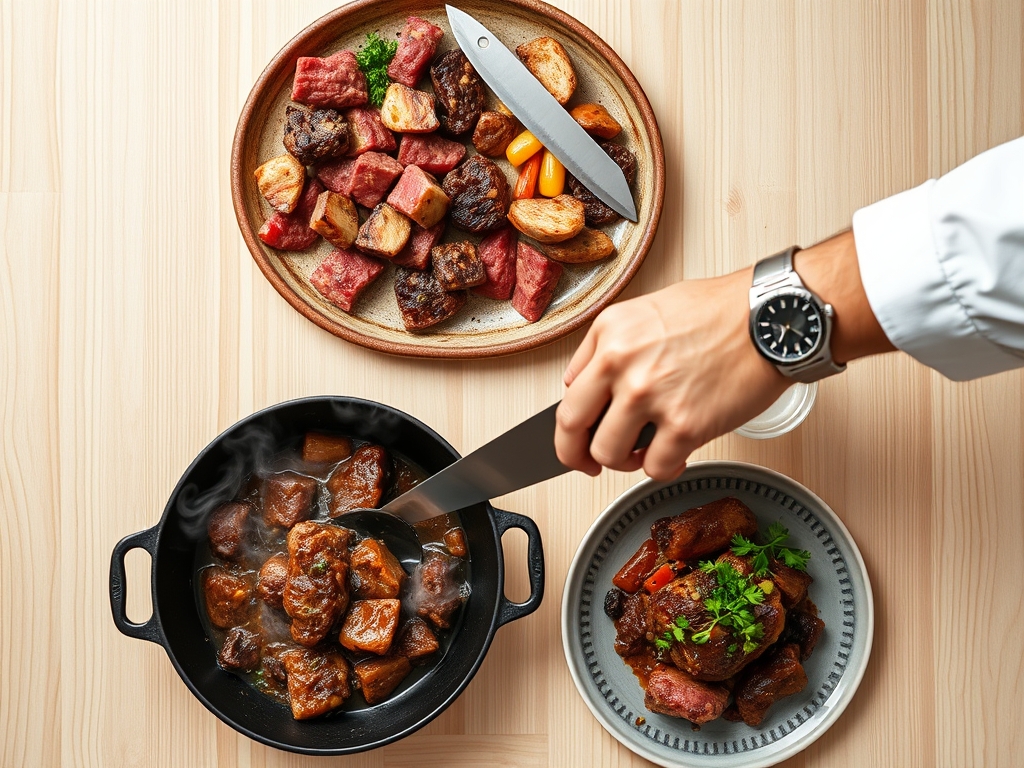
The Masterclass:
1. The Tempering Phase
Remove your beef from the refrigerator 30 minutes before cooking. Use paper towels to pat every surface bone-dry. Moisture is the enemy of a good sear because it creates steam, which prevents the surface from exceeding 212 degrees Fahrenheit.
Pro Tip: This allows for enzymatic browning to occur more rapidly. If the meat is cold, it will drop the pan temperature, causing the beef to boil in its own juices rather than crusting.
2. The High-Heat Sear
Heat your heavy-bottomed skillet or Dutch oven until the oil shimmers. Use tongs to place the beef in a single layer, ensuring pieces do not touch. Crowding the pan leads to a temperature drop and gray, rubbery meat.
Pro Tip: This is the Maillard reaction in action. You are creating hundreds of new flavor compounds that do not exist in raw meat. Do not move the meat until it releases naturally from the pan.
3. The Fond Extraction
Once the meat is browned and removed, you will see brown bits stuck to the bottom. This is "fond." Toss in your mirepoix and use a wooden spoon to scrape these bits as the vegetables release their moisture.
Pro Tip: This process is called deglazing. The sugars and proteins in the fond are highly concentrated flavor bombs that will eventually create a viscous and rich gravy.
4. The Low and Slow Braise
Return the beef to the pot and add your liquid until the meat is three-quarters submerged. Do not drown it. Cover with a tight-fitting lid to create a pressurized steam environment.
Pro Tip: This utilizes conductive heat to break down the tough triple-helix structure of collagen. Maintaining a gentle simmer (not a rolling boil) prevents the protein fibers from tightening into knots.
5. The Final Reduction
Thirty minutes before serving, remove the lid. If the sauce is too thin, whisk in a small amount of beurre manie (equal parts flour and butter).
Pro Tip: Removing the lid allows excess water to evaporate, concentrating the solutes and increasing the viscosity of the sauce. This ensures the flavor clings to the meat rather than sitting at the bottom of the bowl.
The Deep Dive:
From a nutritional standpoint, round stew beef is a powerhouse. It is significantly leaner than chuck, making it a high-protein, lower-fat option. A standard serving provides roughly 35 grams of protein and is rich in zinc and B12.
Dietary Swaps:
For a Keto version, omit the potatoes and thicken the sauce with a touch of heavy cream or xanthan gum. For Vegan guests, replace the beef with large chunks of king oyster mushrooms, which have a remarkably similar fibrous texture when seared. To keep it Gluten-Free, use cornstarch or arrowroot powder as your thickening agent instead of flour.
The Fix-It:
- Tough Meat: If it is still chewy after two hours, it simply needs more time. The collagen has not fully melted. Keep simmering.
- Bland Sauce: This usually means a lack of acidity. Add a teaspoon of red wine vinegar or a squeeze of lemon to brighten the flavors.
- Greasy Surface: If the sauce looks oily, use a chilled metal spoon to skim the fat off the top. The fat will cling to the cold metal.
Meal Prep Science:
Stew is famously better the next day. This is because the flavor molecules continue to diffuse through the meat as it cools. When reheating, do so gently on the stovetop. Avoid the microwave, as it can cause "warmed-over flavor," which is the result of lipid oxidation. Reheating slowly in a saucier preserves the delicate emulsion of the sauce.
The Wrap-Up:
You have officially graduated from basic boiling to the high art of the braise! By respecting the science of the beef round, you have turned a budget-friendly cut into a gourmet experience. Remember, great cooking is just chemistry you can eat. Keep your pans hot, your simmers low, and your seasonings bold. Now, grab a crusty piece of bread and dive into that rich, savory perfection you created.
The Kitchen Table:
How do I make round stew beef tender?
The key is a low and slow braise. Simmer the beef in liquid at a low temperature for at least two to three hours. This allows the tough collagen fibers to break down into silky gelatin, resulting in fork-tender meat.
Can I cook stew beef in a slow cooker?
Yes, the slow cooker is ideal for round stew beef recipes. Cook on the low setting for 6 to 8 hours. The consistent, low heat provides the perfect environment for breaking down connective tissue without drying out the lean muscle.
Why is my stew meat still tough after cooking?
If the meat is tough, it likely hasn't cooked long enough. Round beef requires extended time for the collagen to transform. If the meat is dry and tough, the heat was likely too high, causing the muscle fibers to seize.
Do I have to brown the meat first?
While not strictly required for safety, browning is essential for flavor. The Maillard reaction creates complex, savory compounds that define a good stew. Skipping this step results in a gray appearance and a flatter, less developed flavor profile.