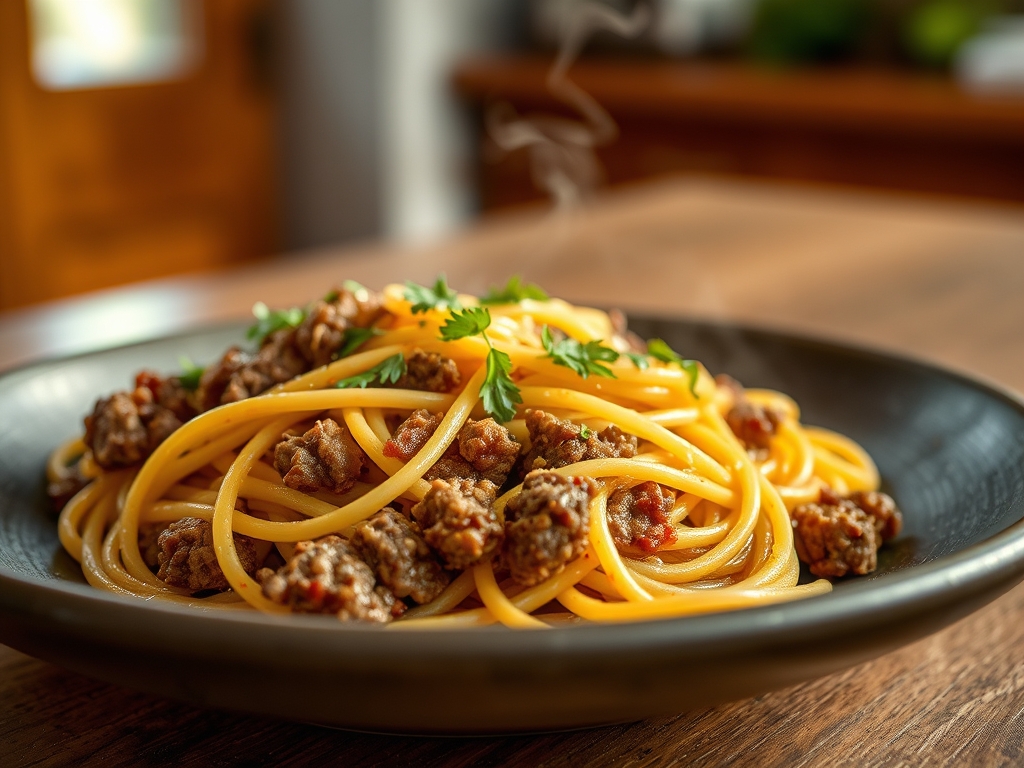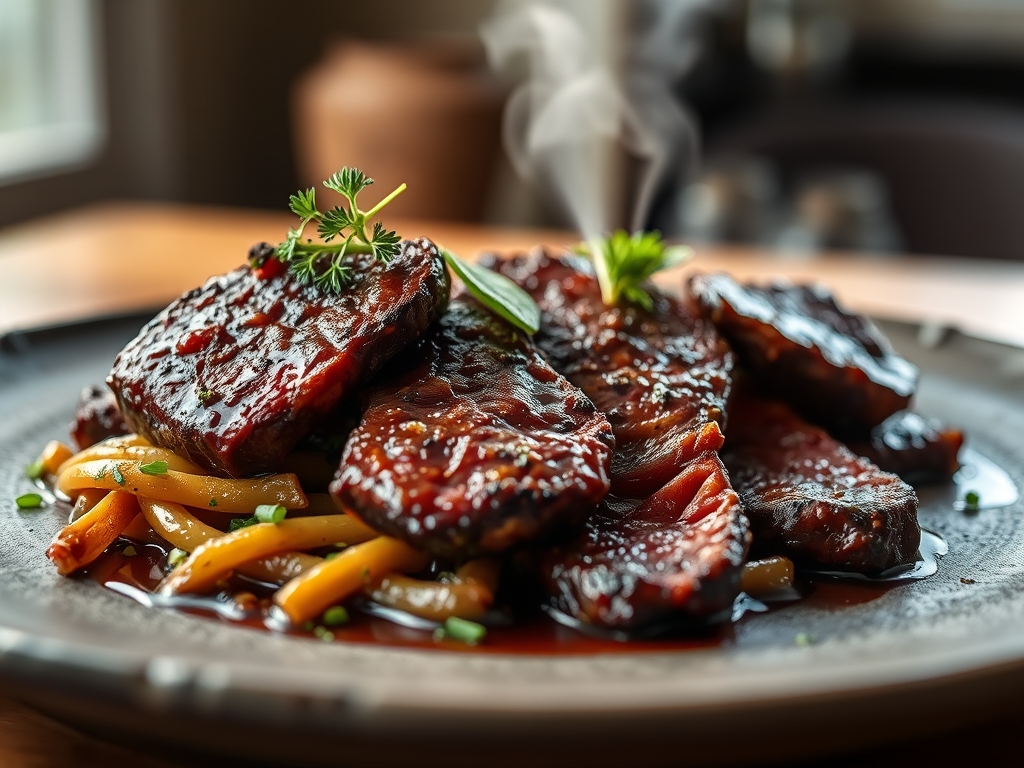
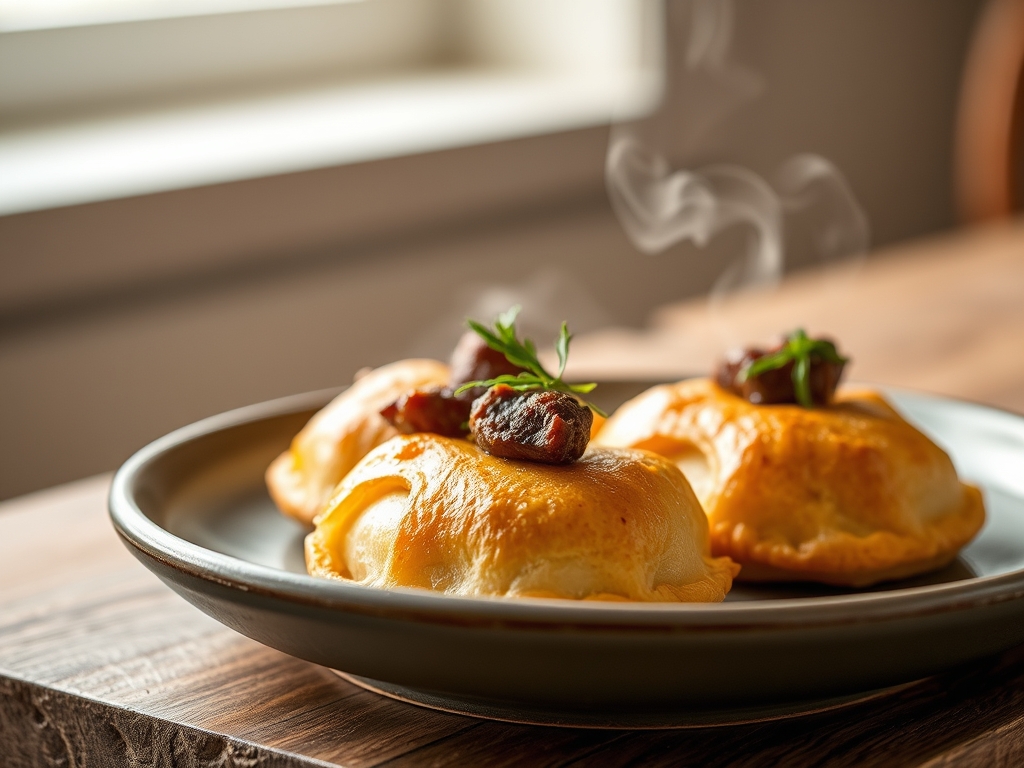
The scent of rendering fat meeting chilled butter is the ultimate kitchen siren song. When you master puff pastry and beef recipes, you are essentially playing with the physics of steam and the chemistry of protein. It is the contrast between a shattering, golden crust and a succulent, savory center that turns a simple snack into a culinary event.
Imagine a tray of miniature Beef Wellingtons or piquant empanadas sliding out of the oven. The pastry has puffed to four times its original height, creating thousands of microscopic layers of air. This is not just cooking; it is architecture you can eat. Whether you are hosting a high-stakes gala or just treating yourself to a sophisticated Tuesday night, these eight elegant variations on the puff pastry and beef theme will redefine your repertoire. We are aiming for that perfect Maillard reaction on the meat while maintaining the structural integrity of the dough. It is a delicate dance of temperature control and moisture management, but do not worry. I have the blueprints ready for you to build something spectacular.
The Gathers:
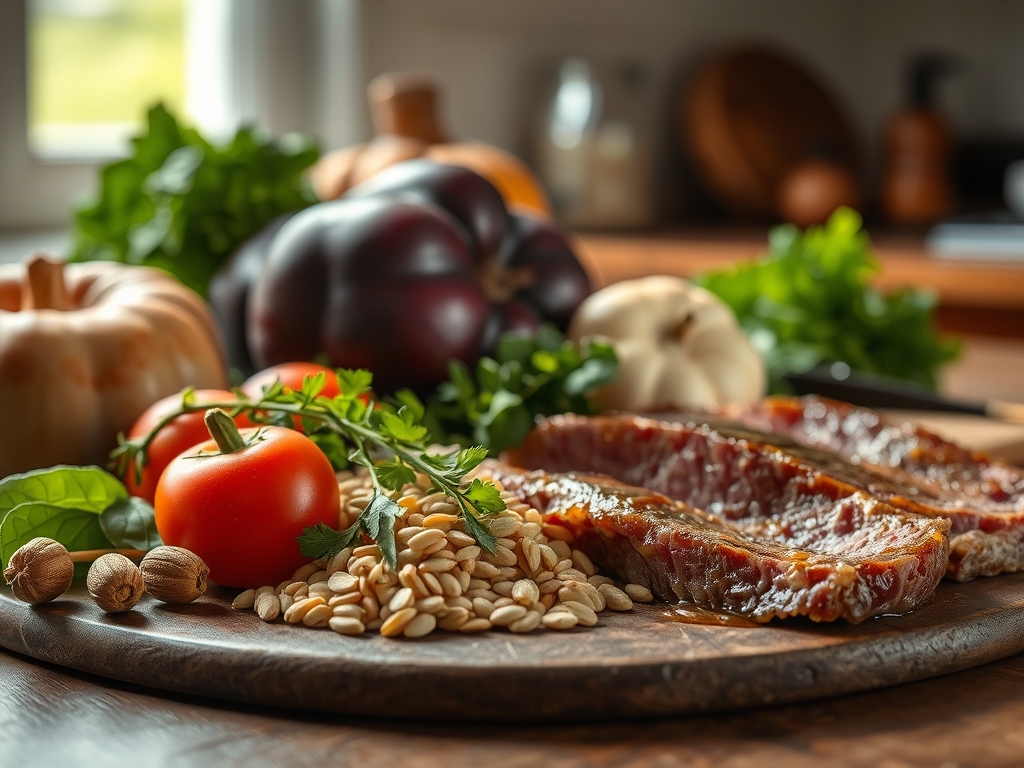
To execute these puff pastry and beef recipes with precision, your mise-en-place must be immaculate. Start with high-quality puff pastry; look for brands that use pure butter rather than vegetable shortening to ensure a superior mouthfeel and better lamination. For the beef, a lean ground sirloin or a finely diced tenderloin works best to prevent excessive grease from compromising the pastry.
You will need a heavy-bottomed skillet to ensure even heat distribution and a saucier if you plan on creating a viscous reduction to bind your fillings. Grab your microplane for zesting aromatics and a digital scale to ensure your portions are uniform. Scientific accuracy leads to aesthetic perfection.
Smart Substitutions:
If you cannot find traditional puff pastry, a high-quality phyllo dough can work, though you will need to brush each layer with clarified butter to mimic the lift. For a lighter profile, swap the beef for finely minced portobello mushrooms mixed with walnuts; the umami profile remains remarkably similar due to the high glutamic acid content in the fungi. If you are dodging dairy, look for "accidentally vegan" puff pastry and use a brush of aquafaba instead of an egg wash to achieve that golden sheen.
The Clock
Efficiency in the kitchen is about understanding the Chef's Flow. Total preparation time for these treats is approximately 45 minutes, with a bake time of 20 to 25 minutes depending on your oven's calibration.
The "Flow" dictates that you prepare your beef filling first. It must be completely chilled before it touches the dough. If you place warm beef on raw puff pastry, the butter in the dough will melt prematurely, destroying the layers and resulting in a "soggy bottom." While the beef chills in the refrigerator, you can roll out your dough and prep your egg wash. This staggered approach ensures that every component is at its optimal temperature when the assembly begins.
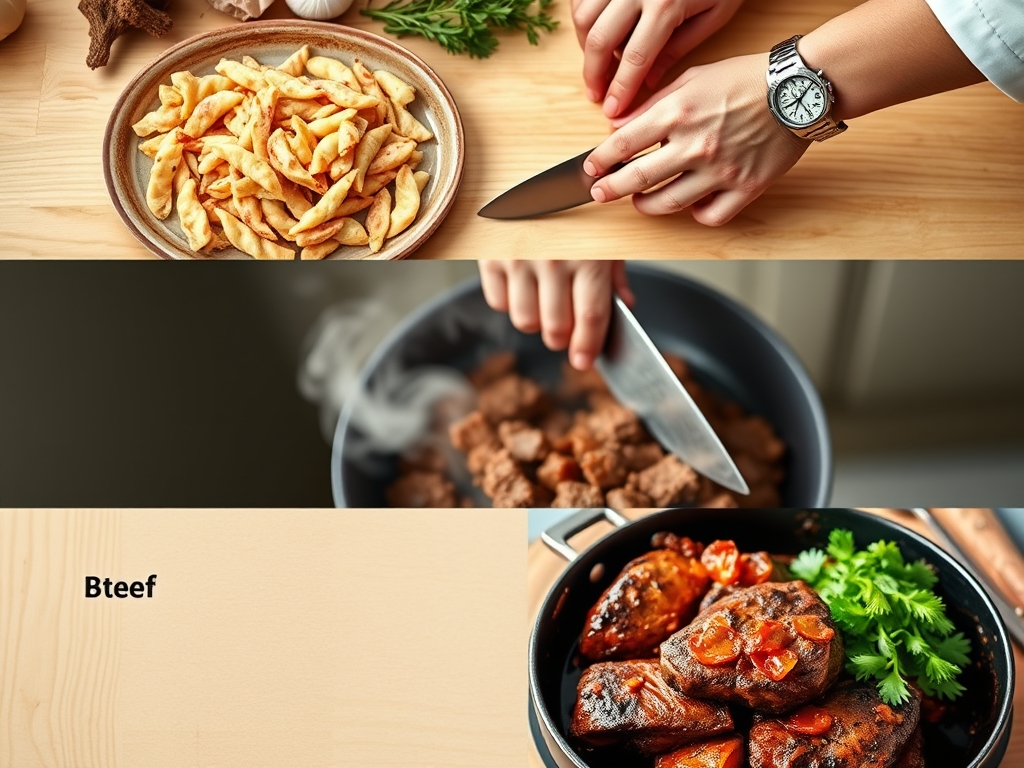
The Masterclass
1. Searing for Maximum Flavor
Start by heating your heavy-bottomed skillet until it is wisping with smoke. Add your beef in small batches to avoid crowding the pan, which drops the temperature and causes the meat to steam rather than sear. We are looking for deep enzymatic browning.
Pro Tip: This is the Maillard reaction in action. By browning the meat at high heat, you create complex flavor compounds that cannot be achieved through boiling or slow cooking.
2. Deglazing the Fond
Once the beef is browned and removed, you will see brown bits stuck to the pan. Use a splash of dry red wine or beef stock to deglaze. Use a wooden spoon to scrape those bits into a flavorful liquid.
Pro Tip: This liquid contains concentrated umami. Reducing it until it is viscous ensures the flavor stays inside the pastry without making it wet.
3. Cooling the Filling
Spread your cooked beef mixture onto a flat sheet pan and place it in the fridge. Increasing the surface area allows the heat to dissipate rapidly.
Pro Tip: This prevents thermal carryover. If the filling is too hot, it will begin to "cook" the pastry from the inside out before it even hits the oven.
4. Rolling and Cutting
Use a bench scraper and a lightly floured surface to roll out your puff pastry. Aim for a thickness of about 3 millimeters. Use a sharp circular cutter for uniform treats.
Pro Tip: Cold dough is essential. If the butter in the pastry softens too much, the layers will fuse together, and you will lose that iconic "puff."
5. The Egg Wash Seal
Whisk one egg with a teaspoon of water and a pinch of salt. Use a pastry brush to apply a thin layer around the edges of your dough circles. This acts as a protein-based glue.
Pro Tip: Salt denatures the egg proteins, making the wash more fluid and easier to spread, which results in a more even, lacquered finish.
6. Assembly and Venting
Place a tablespoon of the chilled beef in the center, fold the pastry over, and crimp the edges with a fork. Use a sharp knife to poke a small vent in the top of each treat.
Pro Tip: Venting allows steam to escape. Without a vent, the internal pressure will cause the seams to burst, leaking precious juices everywhere.
7. The Final Chill
Place the assembled treats back in the freezer for 10 minutes before baking. This "shocks" the butter, ensuring it stays solid until the high heat of the oven hits it.
Pro Tip: This creates a vapor pressure explosion. The water in the butter turns to steam instantly, forcing the dough layers apart for maximum loft.
8. The Golden Bake
Bake at 400 degrees Fahrenheit until the pastry is a deep mahogany gold. Use a wire rack for cooling to prevent steam from softening the bottom of the treats.
Pro Tip: Let them rest for five minutes. This allows the internal juices to reabsorb into the meat, ensuring every bite is succulent rather than messy.
The Deep Dive
Macro Nutrition:
Each treat typically contains about 180 calories, with 12 grams of fat, 14 grams of carbohydrates, and 8 grams of protein. While they are an indulgent snack, the high protein content from the beef provides significant satiety.
Dietary Swaps:
For a Keto version, you can replace puff pastry with a "fathead dough" made from mozzarella and almond flour. For Vegan guests, use a mushroom and lentil "meat" seasoned with liquid smoke and soy sauce for that deep, beefy profile. Gluten-Free puff pastry is now widely available in specialty stores and performs remarkably well.
The Fix-It:
- Soggy Bottoms: This happens if the filling is too wet. Next time, thicken your sauce with a bit of cornstarch or flour until it coats the back of a spoon.
- No Rise: Your oven might be too cool. Use an oven thermometer to ensure you are hitting at least 400 degrees.
- Leaking Seams: You likely overfilled the pastry. Leave at least a half-inch border for the seal.
Meal Prep:
You can freeze these treats raw for up to three months. When you are ready to eat, bake them straight from the freezer; just add five minutes to the total cook time. To reheat cooked treats, use an air fryer or toaster oven at 350 degrees to restore the crispness of the lamination. Avoid the microwave, as it turns puff pastry into a chewy, rubbery mess.
The Wrap-Up
Mastering puff pastry and beef recipes is a total power move in the kitchen. It combines the rugged, savory satisfaction of perfectly seared meat with the delicate, artistic precision of French pastry. Once you understand the science of steam and the importance of temperature control, you can customize these treats with everything from blue cheese to caramelized onions. Go forth, get your hands a little floury, and prepare to be the hero of your next dinner party.
The Kitchen Table
Can I make the beef filling a day in advance?
Yes. In fact, making the filling 24 hours ahead allows the flavors to infuse and ensures the mixture is perfectly chilled, which is the secret to a crisp, flaky pastry crust.
Why did my puff pastry not rise?
The most common culprit is warm dough. If the butter layers melt before the pastry hits the oven, the steam cannot trap between layers. Always keep your dough chilled until the very last second.
What is the best cut of beef for these recipes?
Ground sirloin offers the best balance of flavor and lean protein. If you are using whole muscle, choose tenderloin or ribeye and mince it finely with a sharp knife for a luxurious texture.
How do I get that professional shiny finish?
A proper egg wash is key. Whisk one whole egg with a splash of heavy cream and a pinch of salt. Apply it lightly; too much wash can pool and prevent the pastry from rising.