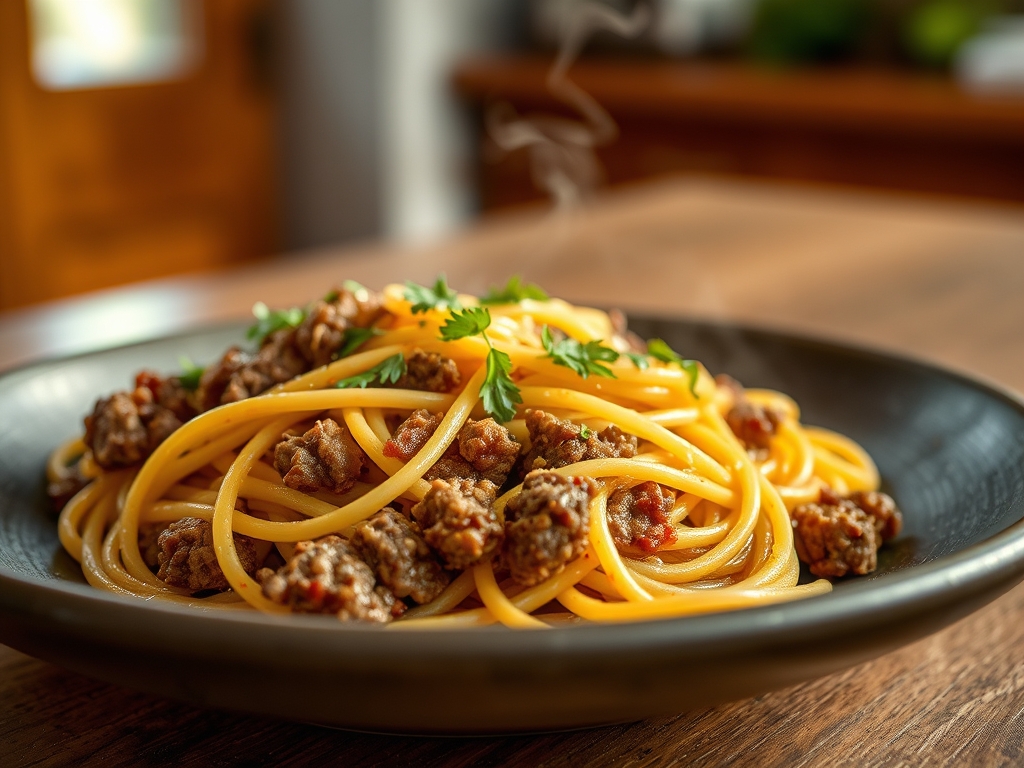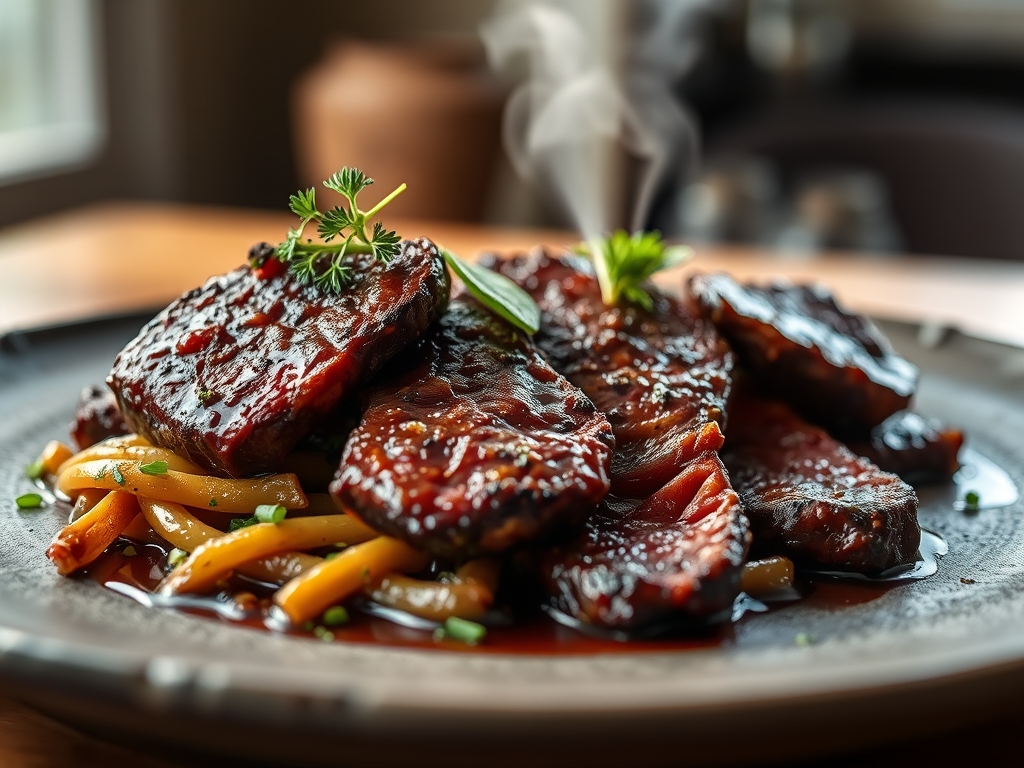
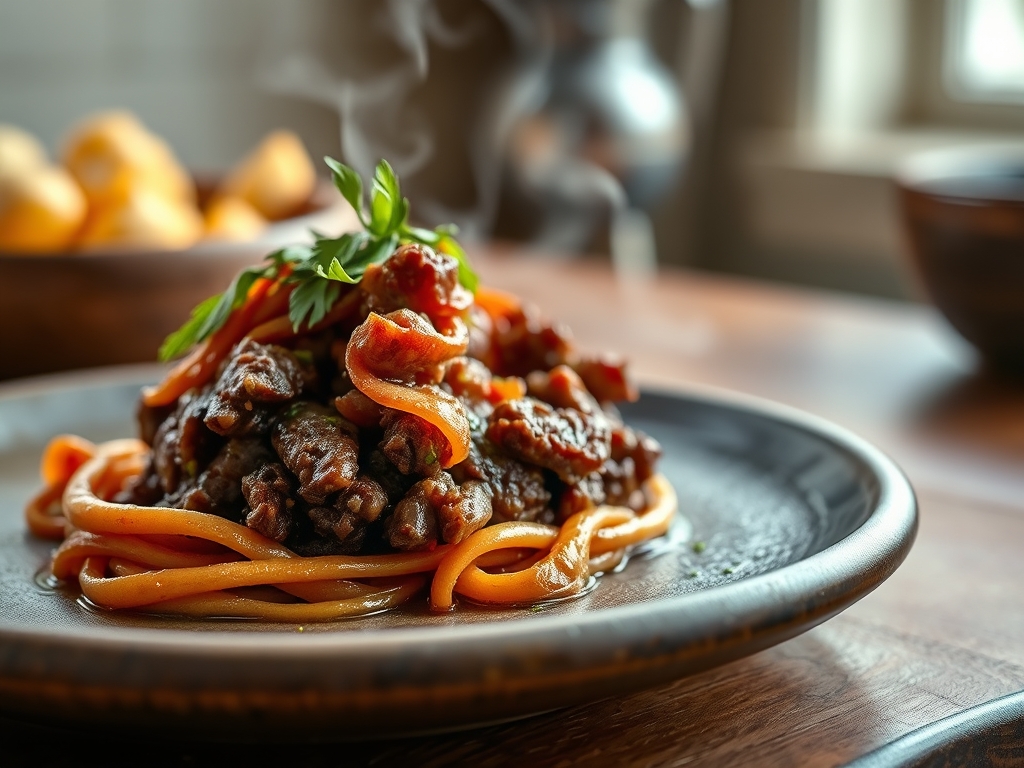
Imagine the sizzle of a heavy-bottomed skillet meeting cold fat; it is the sound of a Tuesday night transforming into a gourmet experience. When you are cooking for a solo audience, the stakes are surprisingly high because every bite must justify the effort. Mastering ground beef recipes for one is not just about scaling down; it is about precision, flavor density, and the chemistry of the sear.
Gone are the days of sad, gray crumbles or lukewarm leftovers that lose their structural integrity in the microwave. We are diving into the molecular magic of the Maillard reaction to ensure your single-serving portions carry the same aromatic weight as a full family feast. Whether you are craving a piquant Korean beef bowl or a viscous, wine-reduced ragu, the secret lies in the ratio of surface area to heat. By the time we finish, you will treat your kitchen like a high-end laboratory where the end result is a perfectly portioned, deeply savory masterpiece.
The Gathers:
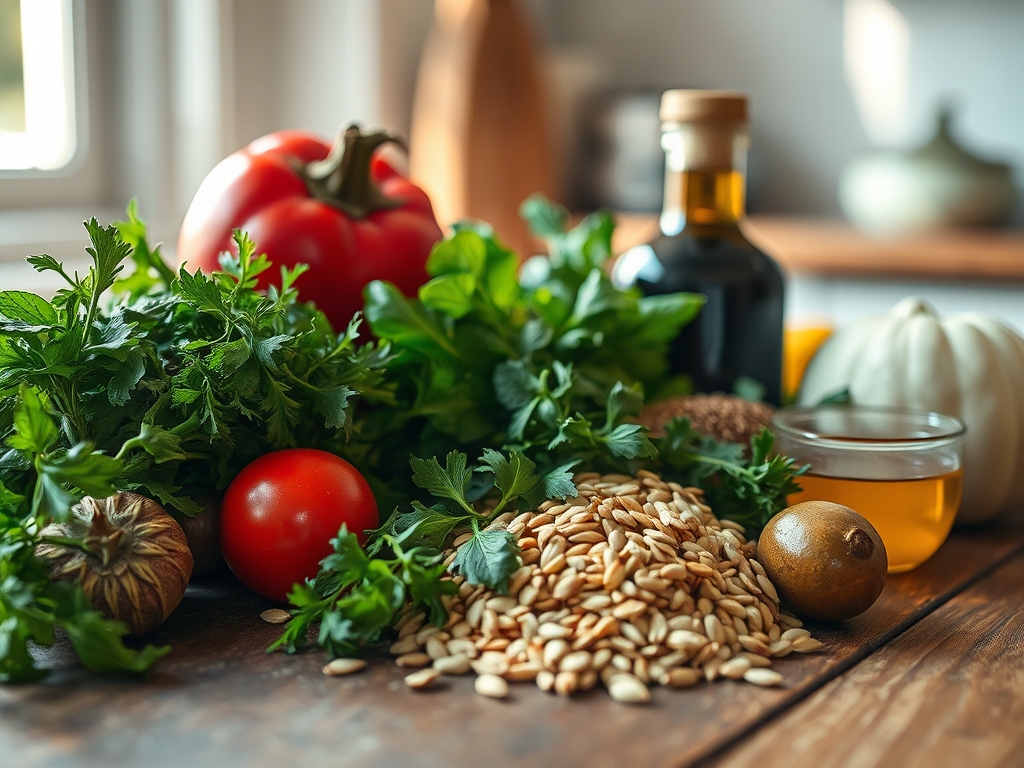
To execute these ground beef recipes for one, your mise-en-place must be surgical. We start with the protein: look for an 80/20 lean-to-fat ratio. The fat is where the flavor molecules live, and it provides the necessary lubrication to prevent protein fibers from tightening into rubbery pellets. You will need a digital scale to portion your beef into exact 4-ounce or 6-ounce patties or piles.
Your aromatics are the backbone of the flavor profile. Keep a bulb of garlic, a knob of ginger, and a few shallots on standby. Use a microplane to grate these directly into the pan; this increases the surface area for enzymatic release, ensuring the oils infuse the rendered beef fat instantly. For the liquids, keep a small bottle of dry sherry or a high-quality balsamic vinegar for the deglaze phase.
Smart Substitutions:
If you find yourself without fresh aromatics, do not reach for the dusty garlic powder. Instead, use a teaspoon of miso paste to add a fermented, salty depth that mimics long-simmered savory notes. If you are watching your saturated fat intake, you can swap the beef for ground bison, but you must add a teaspoon of olive oil to the pan to compensate for the lower lipid content and prevent sticking.
The Clock: Precision in Timing
The "Chef's Flow" for solo cooking is about overlapping tasks to minimize idle time. Your total active prep time should never exceed 10 minutes, with a cook time of approximately 8 to 12 minutes.
Start by tempering your beef; take it out of the refrigerator 15 minutes before cooking so the center isn't an icy heat-sink. While the meat tempers, use a bench scraper to clear your chopping board of aromatics. The goal is to have your pan reaching the smoke point of your oil exactly as your prep finishes. This synchronicity ensures that the meat hits the heat at its most pliable state, allowing for maximum crust formation without overcooking the interior.
The Masterclass:
1. The High-Heat Sear
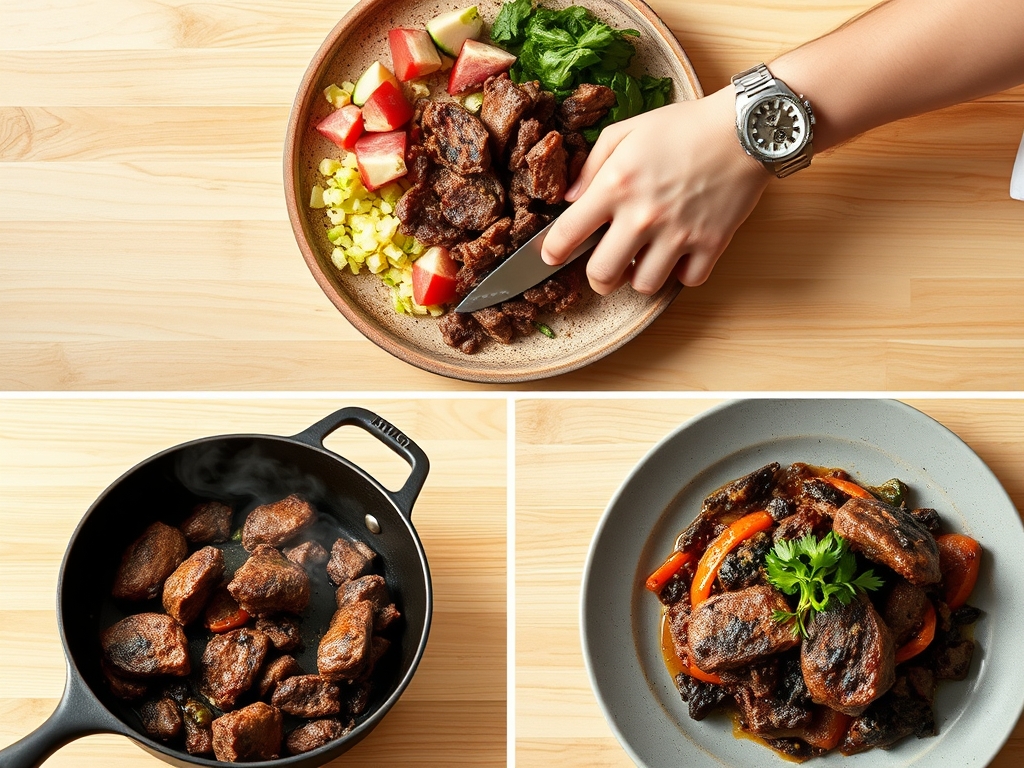
Place your heavy-bottomed skillet over medium-high heat until a drop of water flicked onto the surface dances and evaporates instantly. Add a high-smoke-point oil like avocado oil. Place your portioned beef in the center. Do not move it. You are waiting for the Maillard reaction, a chemical fusion between amino acids and reducing sugars that creates hundreds of flavor compounds.
Pro Tip: This is the "Hard Sear" phase. Resist the urge to stir. By leaving the meat undisturbed, you allow the moisture to evaporate from the surface, preventing the meat from steaming in its own juices.
2. The Deglaze and Emulsify
Once a deep brown crust has formed, flip the meat and use your tongs to break it into large chunks. As the fat begins to render, pour in two tablespoons of liquid (stock, wine, or even pasta water). Use a wooden spoon to scrape the "fond" (the brown bits stuck to the pan) back into the liquid.
Pro Tip: This process uses thermal energy to lift concentrated flavor molecules. The liquid acts as a solvent, creating a viscous sauce that coats the meat rather than puddling at the bottom of the bowl.
3. The Aromatic Infusion
Push the beef to the edges of the pan and drop your microplaned garlic or ginger into the center fat pool. Sauté for exactly 30 seconds until fragrant but not bitter. Toss the beef back into the center to combine.
Pro Tip: Fat is a highly efficient carrier for flavor. By blooming your spices in the rendered beef fat, you are infusing the entire dish with a piquant aroma that penetrates the muscle fibers more deeply than if you added them at the start.
4. The Final Tempering
Remove the pan from the heat when the beef is just slightly underdone. The residual heat from the heavy-bottomed skillet will continue to cook the meat for another 60 to 90 seconds.
Pro Tip: This is known as thermal carryover. If you cook the beef until it looks "done" in the pan, it will be dry and grainy by the time it reaches your plate. Aim for a 5-degree buffer.
The Deep Dive: Science and Solutions
Macro Nutrition:
A standard 4-ounce serving of 80/20 ground beef provides approximately 280 calories, 20 grams of protein, and 22 grams of fat. It is a dense source of Vitamin B12 and Zinc, making it an excellent anchor for a high-protein diet.
Dietary Swaps:
- Keto: Serve your beef over a bed of sautéed riced cauliflower with an extra dollop of grass-fed butter to increase the lipid profile.
- Vegan Swap: Use a pea-protein crumble. You must add a dash of liquid smoke and extra soy sauce to mimic the umami depth of real beef.
- Gluten-Free: Ensure your deglazing liquid is a certified GF tamari rather than standard soy sauce, which contains wheat.
The Fix-It: Common Pitfalls
- The Gray Meat Syndrome: This happens when the pan is too crowded or not hot enough. Fix: Cook in two smaller batches if your pan is small, or increase the flame until the oil shimmers.
- Excessive Grease: If the dish feels heavy, you likely didn't drain enough fat. Fix: Use a crumpled paper towel held by tongs to blot the excess oil before adding your sauce components.
- Grainy Texture: This is caused by overworking the meat or using beef that is too lean. Fix: Add a teaspoon of cornstarch mixed with water (a slurry) at the end to create a silky mouthfeel.
Meal Prep & Reheating:
To maintain "day-one" quality, reheat your beef in a saucier with a tablespoon of water and a lid. This creates a steam chamber that rehydrates the proteins without toughening them, unlike the harsh waves of a microwave which can cause the fats to turn rancid.
The Wrap-Up
Cooking ground beef recipes for one is an exercise in culinary autonomy. You have the power to control every variable, from the crispness of the sear to the piquant bite of the finish. By focusing on the science of the sear and the precision of the deglaze, you turn a humble ingredient into a five-star solo experience. Now, grab your skillet and let the chemistry do the heavy lifting!
The Kitchen Table:
How do I prevent ground beef from getting dry when cooking for one?
Use 80/20 beef and avoid over-stirring. The fat provides moisture, while leaving the meat in larger chunks during the initial sear prevents the internal juices from evaporating too quickly, keeping the center tender and succulent.
Can I freeze individual portions of ground beef?
Yes. Use a digital scale to portion 4-ounce balls, wrap them tightly in plastic wrap, and flatten them into "discs." This increases surface area, allowing them to thaw rapidly in cold water when you are ready to cook.
What is the best pan for a single serving of beef?
A small, 8-inch cast iron or stainless steel heavy-bottomed skillet is ideal. It retains heat better than thin aluminum, ensuring you get a professional-grade Maillard crust even with a smaller volume of meat.
How do I add flavor without adding calories?
Use "acidic deglazing." A splash of rice vinegar, lemon juice, or balsamic vinegar lifts the heavy fats and brightens the dish. Fresh herbs like cilantro or parsley added at the very end provide aromatic lift without caloric density.