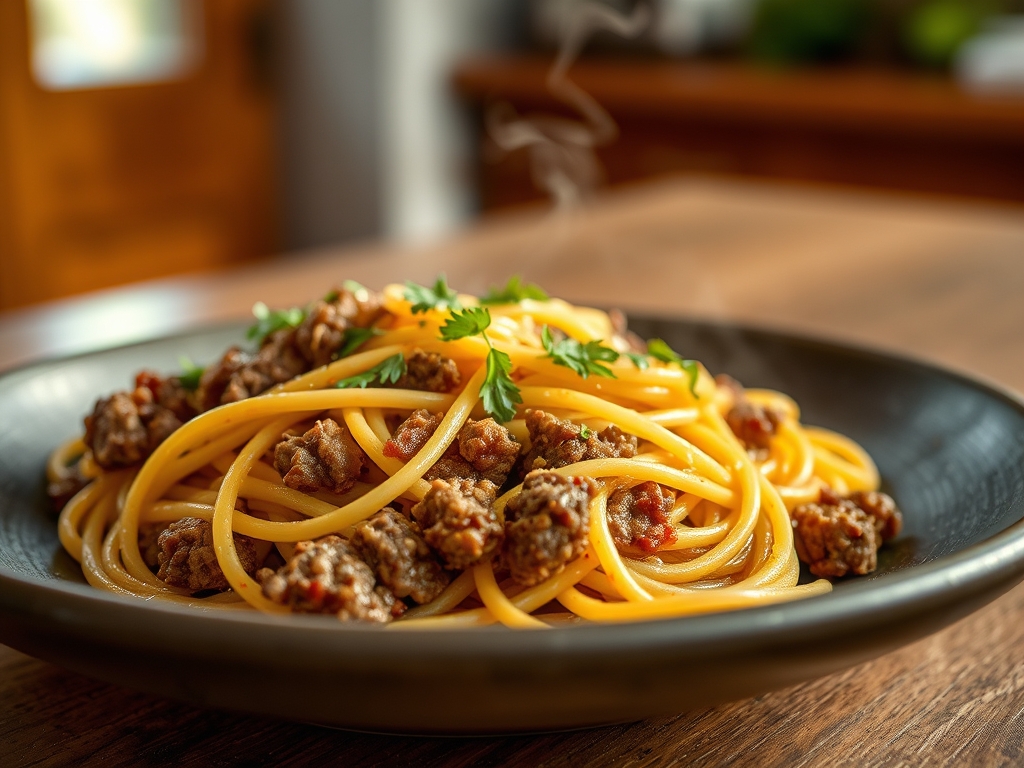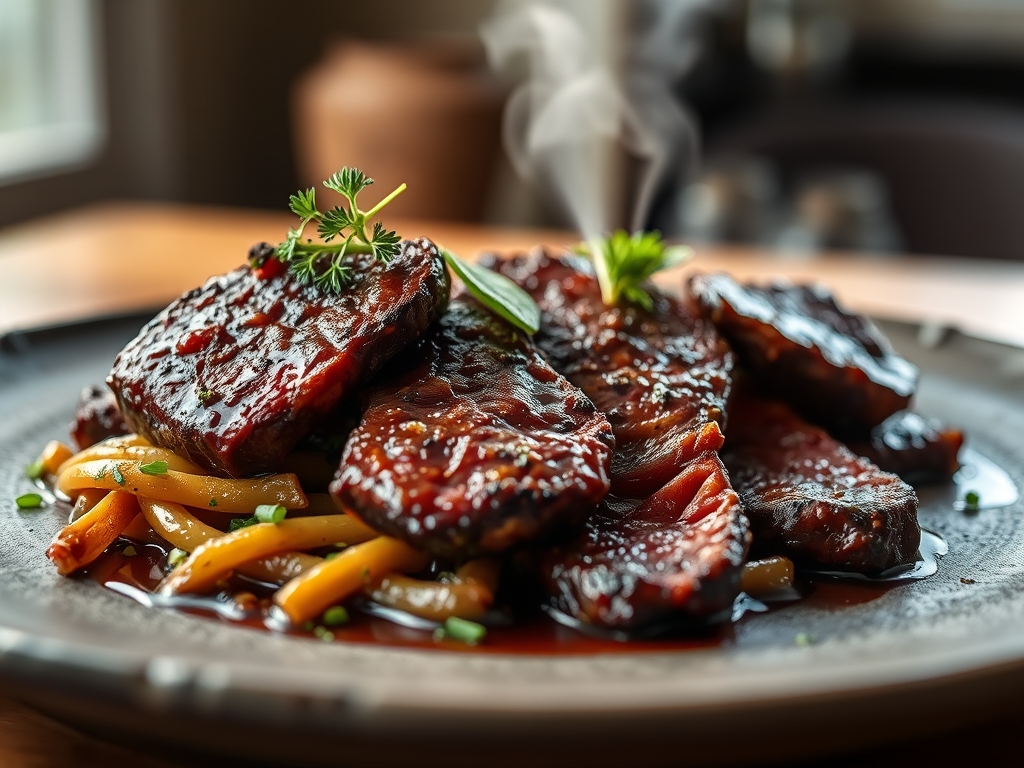
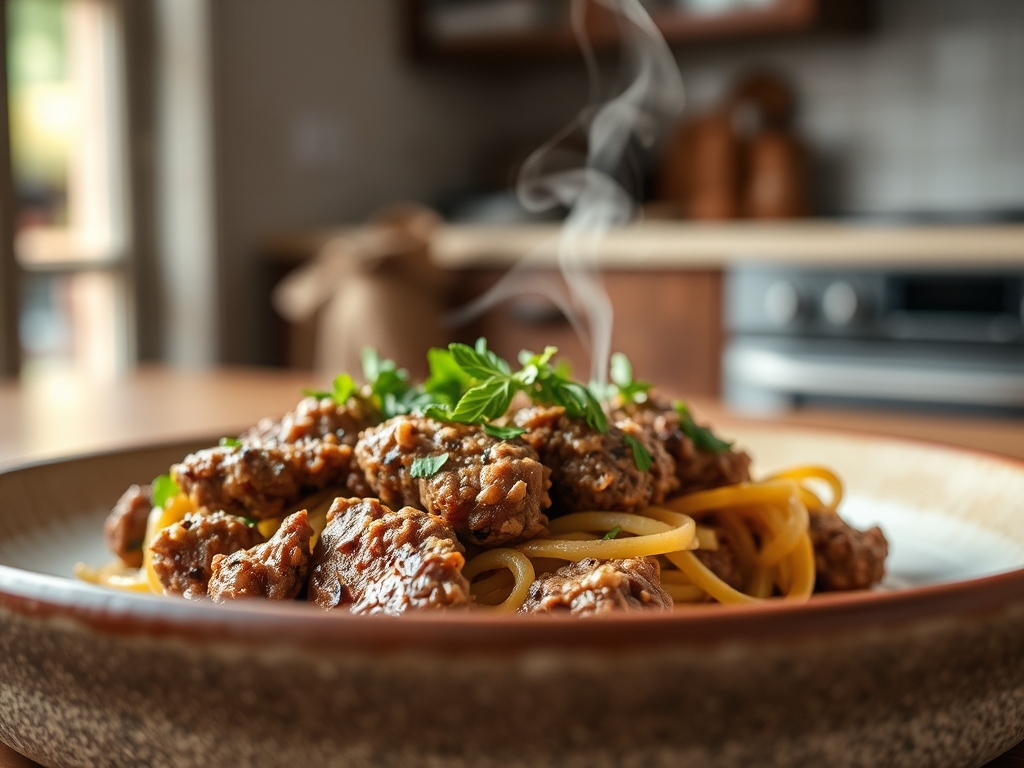
Imagine the sharp, savory scent of searing protein hitting a heavy bottomed skillet; it is the ultimate olfactory trigger for a hungry household. Finding the perfect balance between health goals and flavor can be tricky, but these extra lean ground beef recipes prove that low fat does not mean low impact. We are transforming nutrient dense, 90/10 or 93/7 beef into culinary gold.
The challenge with extra lean beef is its lack of intramuscular fat, which usually provides moisture and mouthfeel. To conquer this, we utilize professional techniques like deglazing and strategic hydration. By the end of this guide, you will be wielding your spatula like a pro, creating meals that are as vibrant as they are virtuous. We are talking about deep umami, bright acids, and textures that pop.
The Gathers:
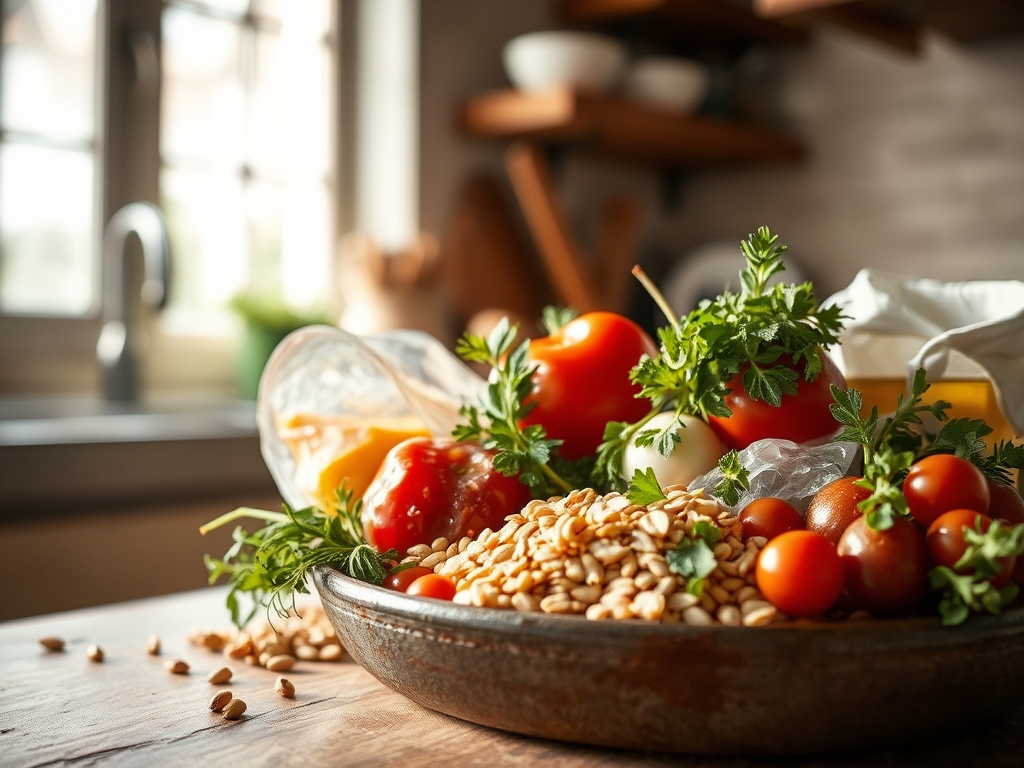
To begin our journey through extra lean ground beef recipes, we must assemble a mise en place that respects the delicate nature of lean protein. Start with your digital scale to ensure precise portions; this is vital for tracking macros and ensuring even cooking. You will need a piquant blend of aromatics: minced garlic, shallots, and perhaps some grated ginger for an Eastern flair.
The secret to success here is the "Smart Substitution" list. Because lean beef can dry out, we introduce viscous binders. Consider using grated zucchini or finely minced mushrooms; these vegetables release moisture during the cooking process, mimicking the juiciness of fat without the caloric load. For acidity, keep a bottle of balsamic vinegar or a fresh lemon nearby to deglaze your pan. Use a microplane to zest citrus or grate hard cheeses, ensuring the flavor is distributed evenly without adding bulk. Finally, have a high quality beef bone broth on hand to infuse the meat with collagen and depth during the simmering phase.
The Clock
Efficiency in the kitchen is all about the Chef's Flow. For these extra lean ground beef recipes, you are looking at a 15 minute prep window and a 20 to 30 minute cook time. The flow is simple: prep your aromatics while the skillet preheats, brown the meat in small batches to prevent steaming, and then integrate your vegetables.
By utilizing a bench scraper to move your chopped veggies from the board to the pan, you save precious seconds and keep your station clean. Most of these meals are designed for the "one pan" philosophy, meaning cleanup is as fast as the consumption. If you are meal prepping for the week, allocate 90 minutes on a Sunday to batch cook three different flavor profiles using the same base protein.
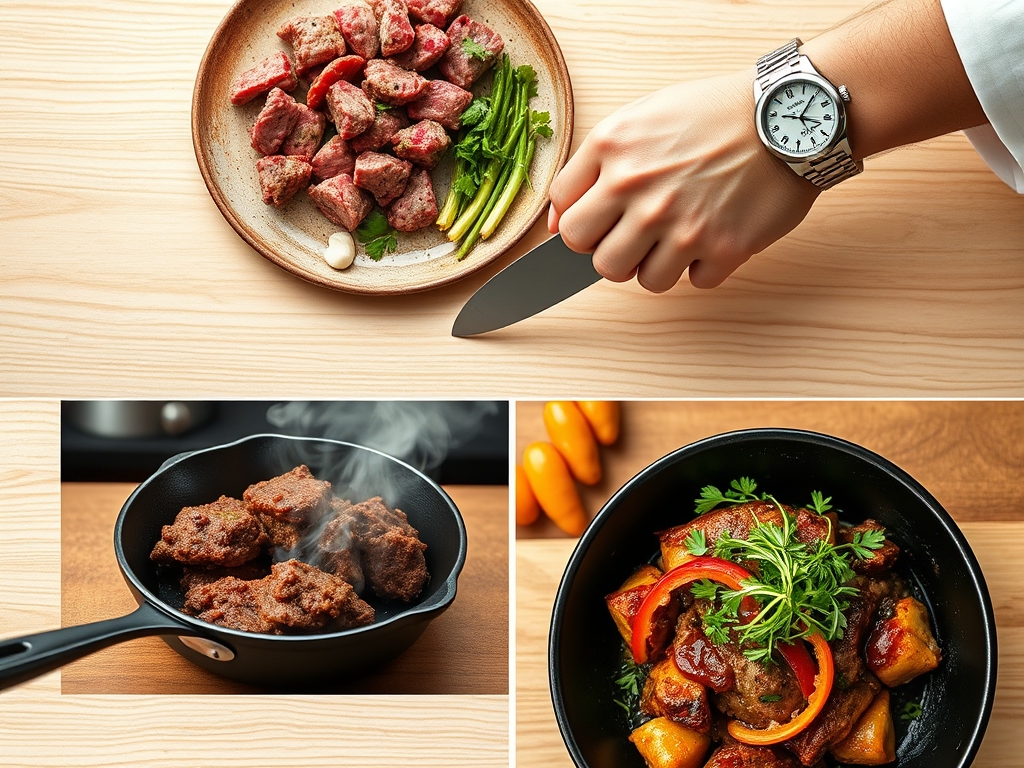
The Masterclass
1. The Perfect Sear
Place your heavy bottomed skillet over medium high heat until it wisps with a hint of smoke. Add a teaspoon of high smoke point oil and crumble the beef in. Do not crowd the pan.
Pro Tip: This stage relies on the Maillard Reaction, a chemical reaction between amino acids and reducing sugars that gives browned food its distinctive flavor. If you crowd the pan, the moisture released will cause the beef to boil in its own juices rather than sear, resulting in a gray, rubbery texture.
2. Deglazing for Depth
Once the beef has developed a dark crust, remove it and add your aromatics. After they soften, pour in a splash of wine or broth to scrape up the brown bits at the bottom of the pan.
Pro Tip: These brown bits are known as fond. Deglazing is the process of using liquid to dissolve these caramelized particles, creating a rich, complex base for your sauce that carries the concentrated essence of the meat.
3. Emulsifying the Sauce
Add your liquids and binders back into the pan, stirring constantly with a whisk or a wooden spoon.
Pro Tip: To achieve a silky mouthfeel without heavy cream, use a small amount of starchy pasta water or a slurry. This creates an emulsion, where fat and water based liquids are forced into a stable mixture, coating the lean beef in a luxurious, velvet like finish.
4. Controlled Simmering
Lower the heat and let the flavors infuse. This is not the time for a rolling boil; you want gentle bubbles.
Pro Tip: Low heat prevents protein denaturation from happening too rapidly. If you cook lean beef too fast at a high temperature, the muscle fibers tighten and squeeze out all the internal moisture, leaving you with dry crumbles.
5. The Rest and Carryover
Turn off the heat when the beef is just barely done. Let it sit in the pan for three minutes before serving.
Pro Tip: This accounts for thermal carryover. The internal temperature will continue to rise by 5 to 10 degrees after being removed from the heat. Resting allows the fibers to relax and reabsorb the surrounding sauce, ensuring every bite is succulent.
The Deep Dive
When we look at the macro nutrition of extra lean ground beef recipes, the numbers are impressive. A 4 ounce serving typically yields 25 to 30 grams of protein with only 8 to 10 grams of fat. This makes it an ideal "anchor" for your daily caloric intake.
For Dietary Swaps, those following a Keto lifestyle should lean into healthy fats like avocado or olives as toppings. If you are Gluten Free, ensure your binders are almond flour or GF breadcrumbs. For a Vegan twist, you can replicate these flavor profiles using a pea protein crumble, though you will need to add a touch of liquid smoke to mimic the beef's natural depth.
The Fix-It:
- The Beef is Dry: Stir in two tablespoons of Greek yogurt or a splash of beef broth at the very end.
- Too Much Liquid: Increase the heat and use a wide saucier to accelerate evaporation and concentrate the sauce.
- Bland Flavor: You likely need more acid. A squeeze of lime or a teaspoon of apple cider vinegar will "wake up" the savory notes.
Meal Prep Science: To maintain "day one" quality, reheat your beef in a covered container with a single ice cube. As it microwaves, the ice creates a steam chamber that rehydrates the meat fibers without overcooking them.
The Wrap-Up
Mastering extra lean ground beef recipes is about more than just following a list; it is about understanding the physics of the pan. By focusing on the Maillard reaction, respecting carryover heat, and using smart aromatics, you can turn a humble pound of beef into a week's worth of gourmet, health conscious fuel. Now, grab your favorite skillet and get to work! Your kitchen is about to smell incredible, and your body will thank you for the high quality protein.
The Kitchen Table
How do I keep lean beef from getting tough?
Avoid overworking the meat when raw and use low, gentle heat during the final simmering stage. Adding moisture rich vegetables like mushrooms or zucchini also helps maintain a tender, juicy texture throughout the cooking process.
Can I freeze these beef meals?
Yes, extra lean beef freezes exceptionally well. Ensure the meal is completely cooled before sealing it in an airtight container. This prevents large ice crystals from forming, which can damage the cellular structure and make the meat mushy upon thawing.
What is the best way to brown lean beef?
Use a very hot, heavy bottomed skillet and do not move the meat for the first two minutes. This allows a crust to form via the Maillard reaction, which is essential for flavor when fat content is low.
Why does my ground beef turn gray?
Gray beef is a result of steaming rather than searing. This happens if the pan is too crowded or not hot enough. Cook in smaller batches to ensure the moisture evaporates instantly, allowing for proper browning and flavor development.