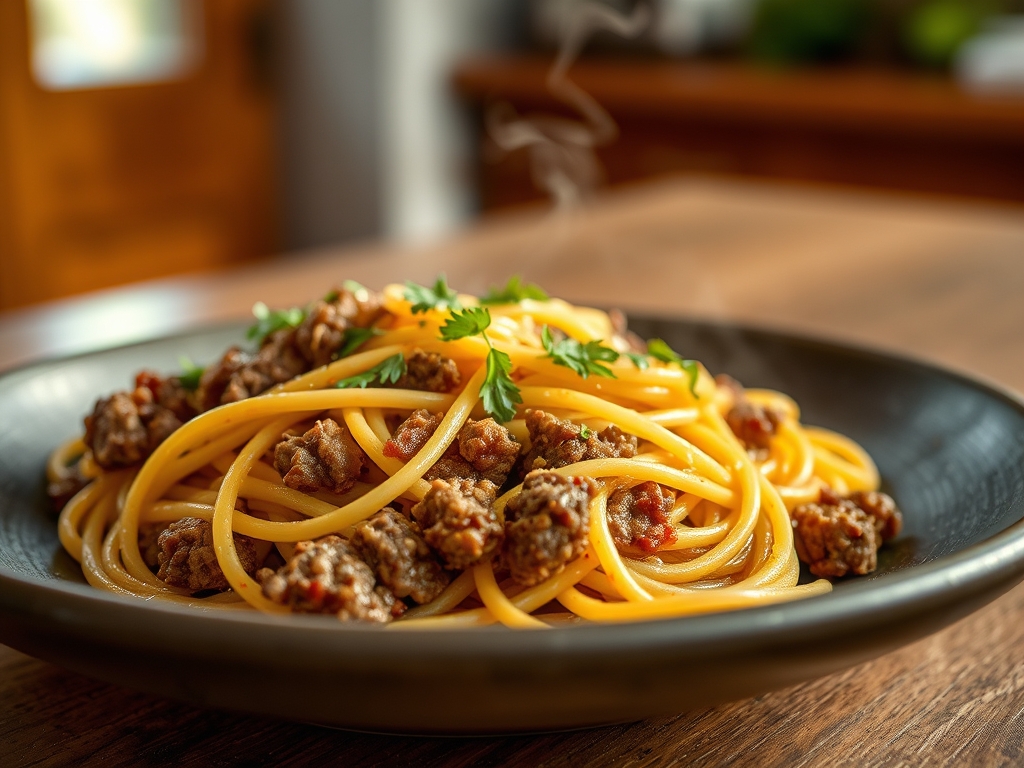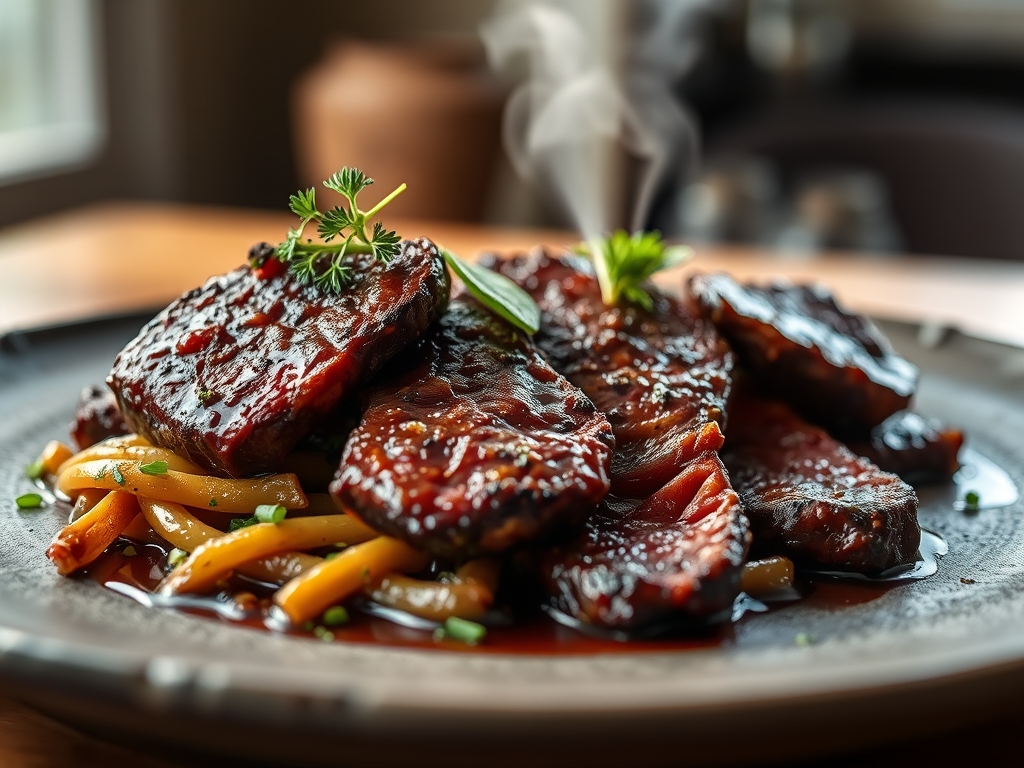
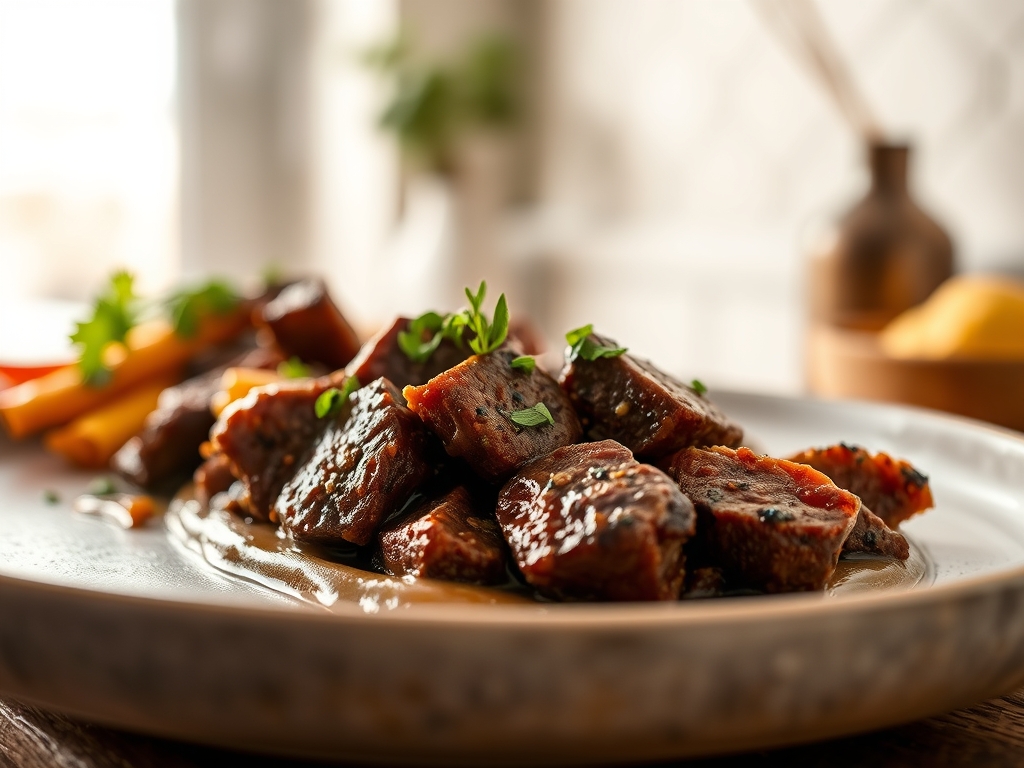
Close your eyes and imagine the scent of pimento wood smoke mingling with the sharp, acidic bite of fresh lime and the intoxicating heat of Scotch bonnet peppers. This is the sensory landscape of the islands. When you master caribbean beef recipes, you are not just searing protein; you are orchestrating a complex chemical symphony of spices and heat. We are talking about beef that has been marinated until the fibers are supple, then seared to achieve a deep, mahogany crust that hides a melt-in-your-mouth interior. Whether it is the slow-simmered depth of a Jamaican oxtail or the piquant snap of a Puerto Rican bistec encebollado, these dishes rely on the delicate balance of sweet, sour, salty, and spicy. We are going to dive into the molecular magic that turns a humble chuck roast into a legendary centerpiece. Grab your apron and your heaviest skillet; we are about to transform your kitchen into a tropical sanctuary where the science of flavor meets the soul of the Caribbean.
The Gathers:
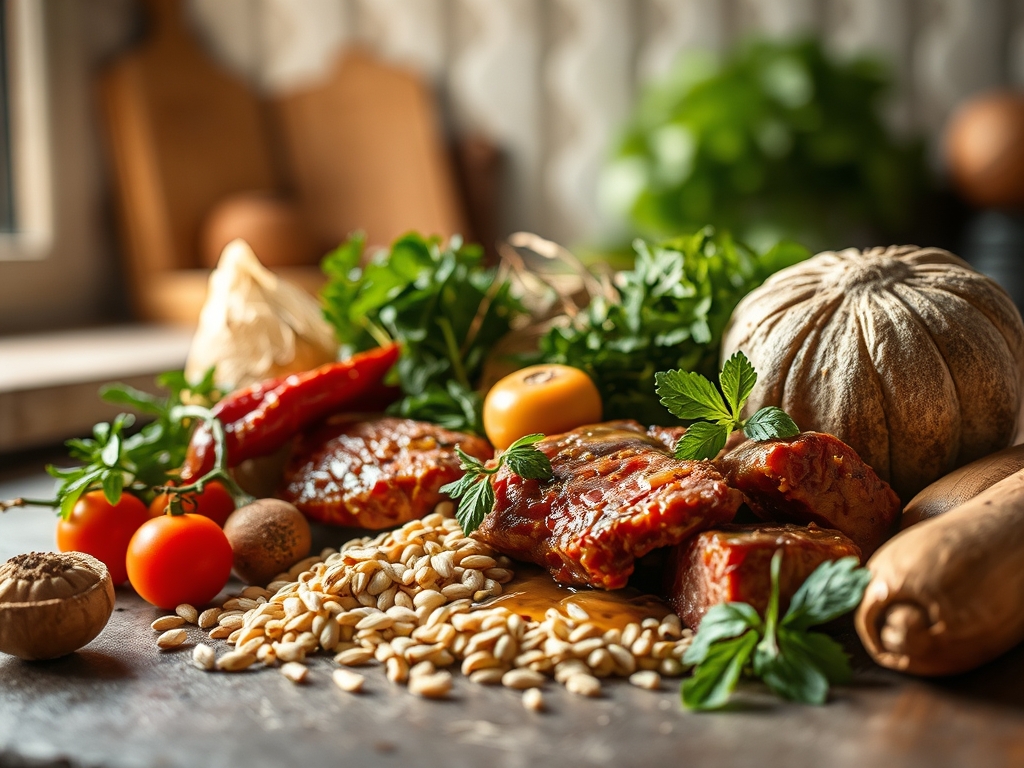
Setting up your mise-en-place is the difference between a chaotic kitchen and a culinary masterpiece. For these caribbean beef recipes, you need to assemble ingredients that offer both volatile aromatics and structural depth. Start with your aromatics: scallions, garlic cloves, and ginger. Use a microplane to grate the ginger and garlic into a fine paste; this increases the surface area, allowing the sulfurous compounds and gingerols to infuse the oil more efficiently. You will need high-quality browning sauce or dark soy sauce to provide that iconic obsidian hue and a rich, viscous mouthfeel.
For the beef, look for cuts with significant connective tissue like shank, oxtail, or chuck. The collagen in these cuts will render into gelatin during the long braising process, creating a luxurious sauce. Your spice cabinet should be stocked with whole allspice berries (pimento), which you should crush fresh in a mortar and pestle to release the essential oils.
Smart Substitutions:
If you cannot find Scotch bonnet peppers, habaneros are a close biological relative with a similar Scoville heat profile, though they lack the slightly fruity undertone. For a keto-friendly version, swap the brown sugar for a monk fruit erythritol blend to maintain the Maillard reaction without the glycemic load. If you are avoiding gluten, ensure your browning sauce is certified GF or use coconut aminos thickened with a touch of xanthan gum.
The Clock
Efficiency in the kitchen is all about "Chef's Flow." For most caribbean beef recipes, the active prep time is approximately 40 minutes, but the passive time is where the magic happens. You should account for at least 4 to 24 hours of marination. This allows the enzymes in the citrus and onions to begin breaking down the muscle fibers. The cook time varies from 20 minutes for a quick stir-fry to 3.5 hours for a traditional braise.
The flow works like this: Marinate the night before. On the day of, spend 15 minutes bringing the meat to room temperature to ensure an even sear. The first 20 minutes of cooking are high-intensity searing and deglazing. Once the liquid is added and the pot is covered, you have a 2-hour window of passive simmering where you can prep your side dishes like rice and peas or fried plantains.
The Masterclass
1. The Acidic Marination
Place your beef in a non-reactive glass bowl and massage in your citrus, green seasoning, and dry spices. Use a digital scale to ensure your salt ratio is exactly 1.5 percent of the meat's weight for optimal seasoning.
Pro Tip: This stage utilizes enzymatic tenderization. The protease enzymes in fresh aromatics break down tough proteins, while the acid denatures the outer layers, allowing flavors to penetrate deeper into the tissue.
2. Achieving the Perfect Sear
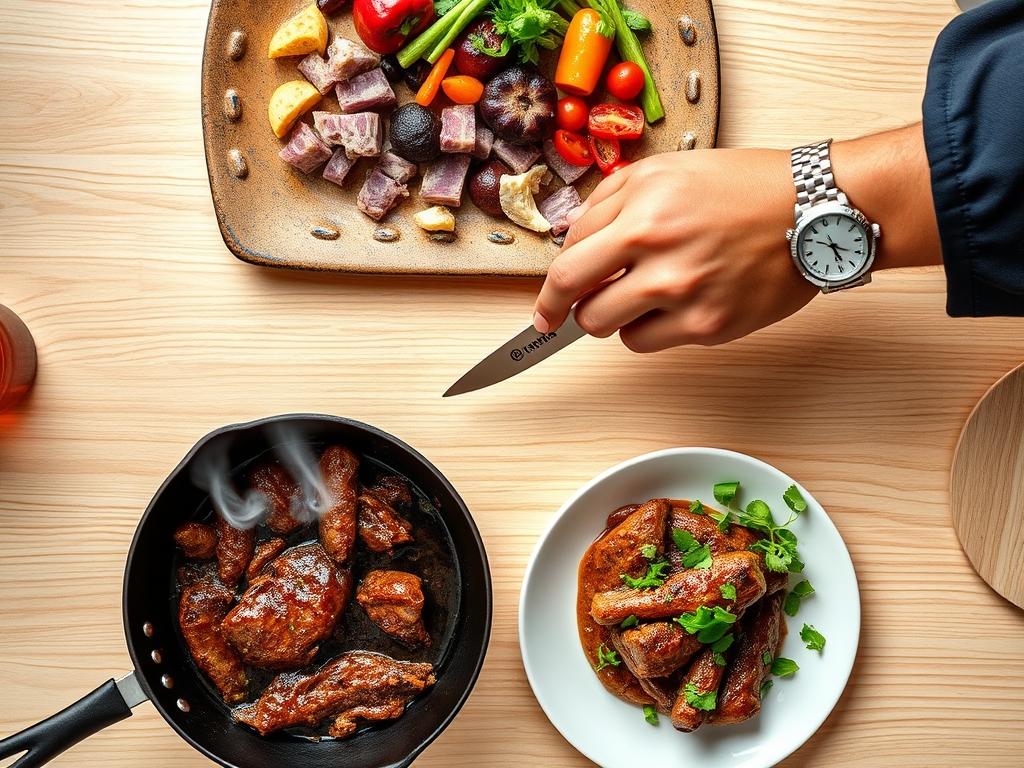
Heat a heavy-bottomed skillet or cast iron dutch oven until it reaches approximately 425 degrees Fahrenheit. Add a high-smoke-point oil and sear the beef in batches. Do not crowd the pan, or the meat will steam instead of brown.
Pro Tip: This is the Maillard reaction in action. By keeping the pan hot and the meat dry, you create hundreds of new flavor compounds that provide the savory, "umami" backbone of the dish.
3. The Fond and Deglaze
Once the meat is removed, you will see brown bits stuck to the bottom of the pan. This is called the fond. Pour in a splash of beef stock or malt vinegar and use a bench scraper or wooden spoon to lift those bits into the liquid.
Pro Tip: Deglazing captures the concentrated meat juices and caramelized sugars. This step is essential for creating a sauce with professional complexity and "long" flavor notes.
4. The Low and Slow Braise
Return the meat to the pot and add your braising liquid until the beef is two-thirds submerged. Lower the heat to a whisper; you want a gentle "lazy bubble" rather than a rolling boil.
Pro Tip: Maintaining a temperature between 180 and 200 degrees Fahrenheit ensures that collagen converts to gelatin without the muscle fibers tightening and becoming stringy. This is the secret to "fork-tender" results.
5. The Final Reduction
Once the meat is tender, remove it and crank the heat. Use a saucier if you have one to reduce the liquid by half until it coats the back of a spoon.
Pro Tip: Reduction increases the viscosity of the sauce through evaporation. As water leaves, the concentration of gelatin and fats increases, creating a velvety emulsion that clings to the beef.
The Deep Dive
From a nutritional perspective, these caribbean beef recipes are powerhouses of bioavailable iron, zinc, and Vitamin B12. A standard 6-ounce serving provides roughly 45 grams of protein. To keep it lean, trim the exterior fat cap before searing, though leaving some intramuscular fat is vital for flavor.
Dietary Swaps:
For a vegan alternative, use large chunks of "meaty" king oyster mushrooms or seitan. Follow the same marination and searing steps; the mushrooms will absorb the spices beautifully. For GF diners, always double-check your Worcestershire sauce and browning agents.
The Fix-It:
- Tough Meat: If the beef is still chewy, you likely pulled it too early. Put it back in the pot; collagen breakdown is a function of time and temperature.
- Too Spicy: If the Scotch bonnet burst and the heat is overwhelming, add a spoonful of peanut butter or coconut cream. The fats will bind to the capsaicin and neutralize the burn.
- Greasy Sauce: Use a chilled spoon to skim the surface or drop in a few ice cubes; the fat will congeal around the ice for easy removal.
Meal Prep:
Beef braises actually taste better on day two. As the dish cools, the protein fibers relax and soak up the surrounding sauce like a sponge. When reheating, use a low heat and add a tablespoon of water to aerate the sauce and prevent it from breaking into an oily mess.
The Wrap-Up
Mastering the art of caribbean beef recipes is a rite of passage for any serious home cook. It requires patience, a respect for the chemistry of heat, and a willingness to embrace bold, unapologetic flavors. By understanding the transition from collagen to gelatin and the importance of the Maillard reaction, you have moved beyond following a recipe to truly understanding the craft. Now, serve that beef over a bed of fluffy white rice, garnish with fresh cilantro, and watch as your friends and family experience the vibrant, rhythmic pulse of Caribbean cuisine right at your dinner table.
The Kitchen Table
Which beef cut is best for Caribbean stew?
Chuck roast or oxtail are ideal. These cuts contain high levels of collagen, which transforms into silky gelatin during long, slow braising. This creates a rich, thick sauce and incredibly tender meat that falls apart with a fork.
How do I make my beef dark without burning it?
Use a dedicated "browning" sauce or caramelized sugar. This provides the signature deep mahogany color and a hint of smoky sweetness without the bitter carbon notes that come from actually burning the meat fibers during the searing process.
Can I make these recipes in a slow cooker?
Yes, but you must sear the meat in a skillet first. The slow cooker cannot reach the temperatures required for the Maillard reaction. Without that initial sear, your stew will lack the complex, savory depth characteristic of Caribbean cooking.
How do I control the heat of Scotch bonnet peppers?
The heat is concentrated in the seeds and internal membranes. For flavor without intense fire, add the whole pepper to the pot without cutting it. If you want maximum heat, mince the pepper finely, including the seeds and ribs.