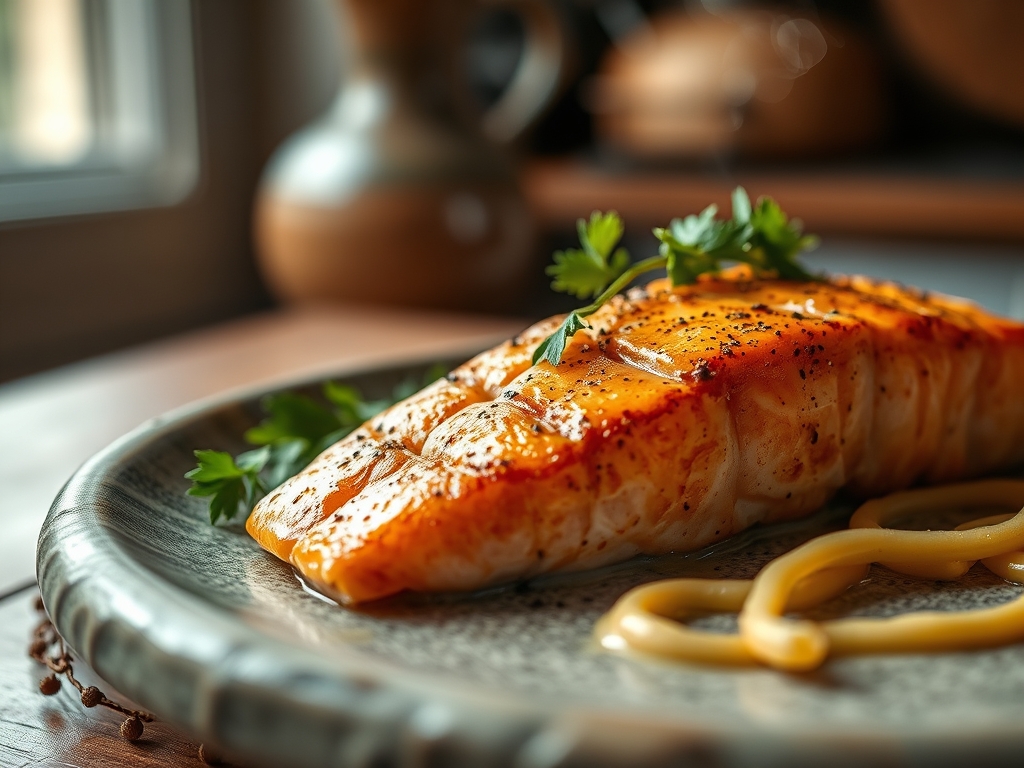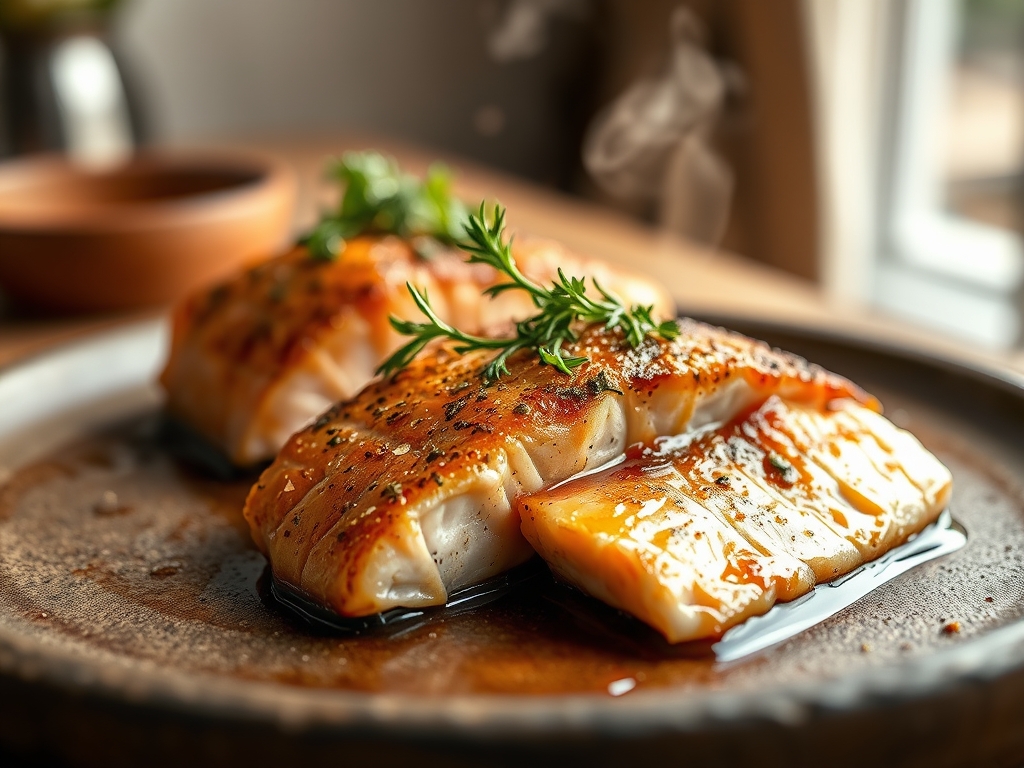
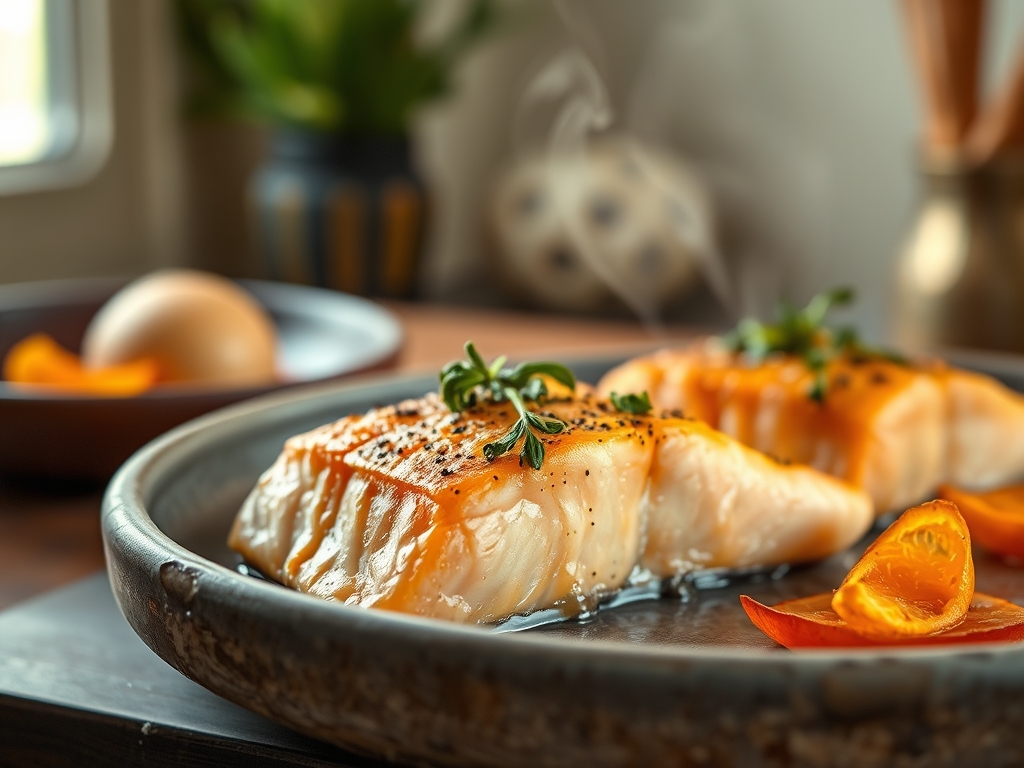
Imagine the scent of a sun-drenched Mediterranean afternoon colliding with the crisp, salt-kissed air of the North Atlantic. That is the intoxicating promise of these saffron salmon recipes. We are moving beyond the basic butter-and-lemon routine to embrace the world's most expensive spice, creating a golden, aromatic crust that transforms a simple weeknight fillet into a five-star masterpiece.
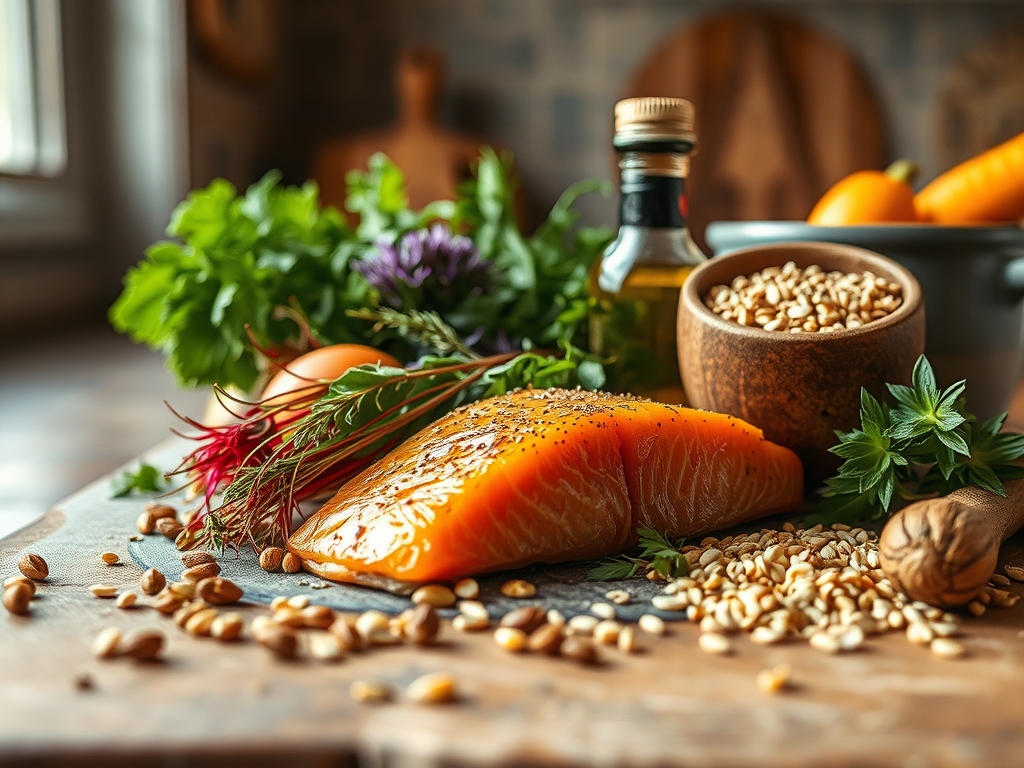
The Gathers:
To execute these saffron salmon recipes with precision, your mise-en-place must be impeccable. You will need high-quality Atlantic or King salmon fillets, ideally center-cut for uniform thickness. The star of the show is the saffron threads; look for "Sargol" or "Negin" grades, which contain the highest concentration of crocin, the compound responsible for that vibrant yellow hue and floral aroma.
Gather your fats: high-smoke-point avocado oil for the initial sear and European-style cultured butter for the final basting. You will also need aromatics like shallots, which contain more complex sugars than white onions, and dry white wine like Sauvignon Blanc to deglaze the pan. Professional tools are non-negotiable here. Reach for your heavy-bottomed skillet (cast iron or stainless steel) to ensure even heat distribution and a microplane for zesting citrus without hitting the bitter white pith.
Smart Substitutions: If saffron is unavailable, a pinch of turmeric combined with a drop of honey can mimic the color and earthy depth, though you will lose the specific floral notes. For a dairy-free version, swap the butter for full-fat coconut milk to maintain a viscous, luxurious mouthfeel.
The Clock
Efficiency in the kitchen relies on "Chef's Flow," the art of overlapping tasks to minimize downtime. Total preparation for these recipes spans approximately 15 minutes, while the active cooking time is a swift 10 to 12 minutes.
The flow begins with the blooming of the saffron. This takes 10 minutes and should happen while you pat the fish dry. The actual sear requires 4 minutes on the skin side to render the subcutaneous fat, followed by a gentle 3-minute finish on the flesh side. Allow for a 5-minute rest period; this is the "silent step" where internal temperatures stabilize and juices redistribute.
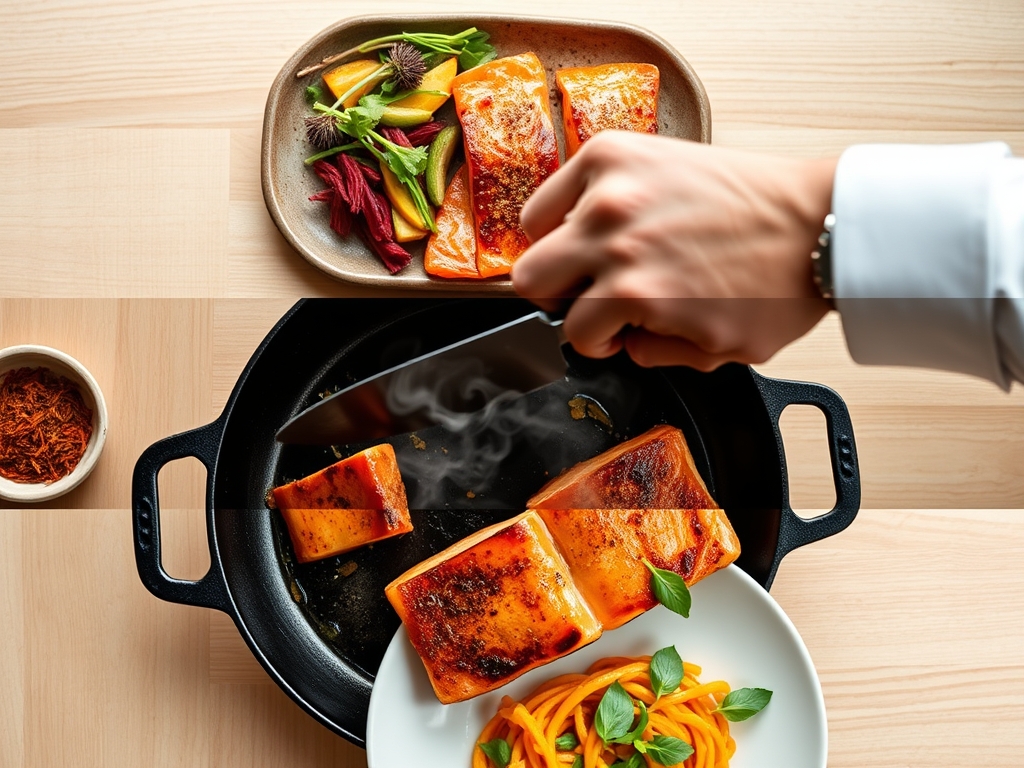
The Masterclass
1. The Saffron Bloom
Crush your saffron threads using a mortar and pestle or simply crumble them between your fingers into two tablespoons of warm water or white wine. This process extracts the water-soluble pigments and essential oils.
Pro Tip: The science here is solvent extraction. Using a warm liquid breaks down the cellular walls of the saffron stigmata faster than cold liquid, ensuring the flavor is fully bioavailable before it hits the pan.
2. Moisture Management
Use a paper towel to pat the salmon fillets until they are bone-dry. Moisture is the enemy of the Maillard reaction. If the surface is wet, the heat of the pan will spend its energy evaporating water rather than browning the proteins.
Pro Tip: For the ultimate "glass-like" skin, leave the salmon uncovered in the fridge for an hour. This creates a pellicle, a dry outer layer that crisps up instantly upon contact with hot oil.
3. The High-Heat Sear
Heat your heavy-bottomed skillet until the oil shimmers but does not smoke. Place the salmon skin-side down using tongs, pressing gently with a fish spatula for the first 30 seconds to prevent the skin from curling.
Pro Tip: This initial pressure ensures maximum surface contact, allowing the heat to move through the skin uniformly. This prevents "hot spots" and ensures the skin detaches easily once the proteins have fully denatured.
4. Deglazing and Infusing
Once the salmon is flipped, toss in your minced shallots and a splash of wine. Use a wooden spoon to scrape up the "fond," those delicious browned bits stuck to the bottom. Pour in your bloomed saffron liquid.
Pro Tip: Deglazing is a chemical process where the acidity of the wine dissolves the caramelized proteins. This creates a complex base for your sauce that carries the saffron's aroma directly into the heart of the fish.
5. The Butter Baste
Add a cold knob of butter to the pan. As it melts and foams, use a large spoon to continuously pour the golden liquid over the salmon. This technique, known as arroser, cooks the top of the fish gently while adding a nutty richness.
Pro Tip: The milk solids in the butter undergo further browning, creating a toasted flavor profile that complements the metallic, honey-like notes of the saffron.
6. Temperature Precision
Remove the salmon when a digital thermometer reads 125 degrees Fahrenheit for medium-rare. The temperature will continue to rise during the rest.
Pro Tip: This is thermal carryover. Even after removing the heat source, the kinetic energy within the fish continues to cook the center. Pulling it early prevents the albumin (the white protein) from leaking out and making the fish dry.
7. Emulsifying the Sauce
While the fish rests, whisk the remaining pan juices vigorously. If the sauce looks broken, add a teaspoon of cold water and whisk again to aerate and re-bind the fats.
Pro Tip: A successful emulsion requires a balance of fat and water. The lecithin in the shallots acts as a natural stabilizer, helping the saffron-infused oil and wine merge into a velvety coating.
8. The Final Polish
Finish the dish with a sprinkle of Maldon sea salt and fresh chives. Use a bench scraper to clean your workspace quickly, keeping the "Chef's Flow" intact until the very end.
Pro Tip: Large salt flakes provide a textural contrast and "bursts" of salinity that cut through the fatty richness of the salmon and the heavy perfume of the saffron.
The Deep Dive
Macro Nutrition: A standard 6-ounce serving of saffron salmon provides roughly 350 calories, 34 grams of high-quality protein, and 22 grams of heart-healthy fats, primarily Omega-3 fatty acids. Saffron adds negligible calories but contributes powerful antioxidants like crocin and safranal.
Dietary Swaps:
- Keto: This recipe is naturally low-carb. Serve over sautéed spinach or cauliflower rice.
- Vegan: Use the saffron infusion method on thick "steaks" of roasted cauliflower or king oyster mushrooms.
- Gluten-Free: This recipe is inherently GF; just ensure your wine choice is certified.
The Fix-It:
- Soggy Skin: Your pan wasn't hot enough, or you moved the fish too soon. Fix it by finishing the skin side under a high broiler for 60 seconds.
- Overpowering Saffron: If the flavor is too medicinal, add a squeeze of lemon juice. The citric acid cuts through the bitterness.
- Broken Sauce: If the sauce separates, whisk in a tablespoon of heavy cream. The proteins in the cream will act as an emulsifier to pull the fat and liquid back together.
Meal Prep: To reheat without losing quality, avoid the microwave. Place the salmon in a shallow dish with a tablespoon of water, cover with foil, and heat in a 275-degree oven for 8 minutes. This creates a steam chamber that restores moisture to the protein fibers.
The Wrap-Up
Mastering these saffron salmon recipes is about more than just following a list of ingredients; it is about understanding the chemistry of heat and the delicate balance of aromatics. When you combine the scientific precision of a perfect sear with the ancient, golden luxury of saffron, you aren't just making dinner. You are creating a sensory experience that lingers long after the final bite. Grab your skillet and let the gold rush begin!
The Kitchen Table
How do I prevent salmon from sticking to the pan?
Ensure the pan is preheated and the fish is completely dry. Use a high-smoke-point oil and do not attempt to flip the fillet until it naturally releases from the surface through the process of protein denaturation.
Can I use dried saffron powder instead of threads?
Yes, but use half the amount. Saffron powder is more concentrated and disperses quickly. However, threads provide a superior aroma and visual appeal that powders often lack due to the loss of volatile oils during processing.
What is the best way to store leftover saffron salmon?
Place leftovers in an airtight glass container and refrigerate for up to two days. To maintain the best texture, avoid freezing cooked salmon, as the ice crystals will rupture the delicate cell walls, resulting in a mushy consistency.
Why does my saffron sauce look pale instead of golden?
You likely did not "bloom" the saffron long enough. The pigments need time and heat to migrate from the threads into the liquid. Always crush the threads and soak them in warm liquid for at least ten minutes.