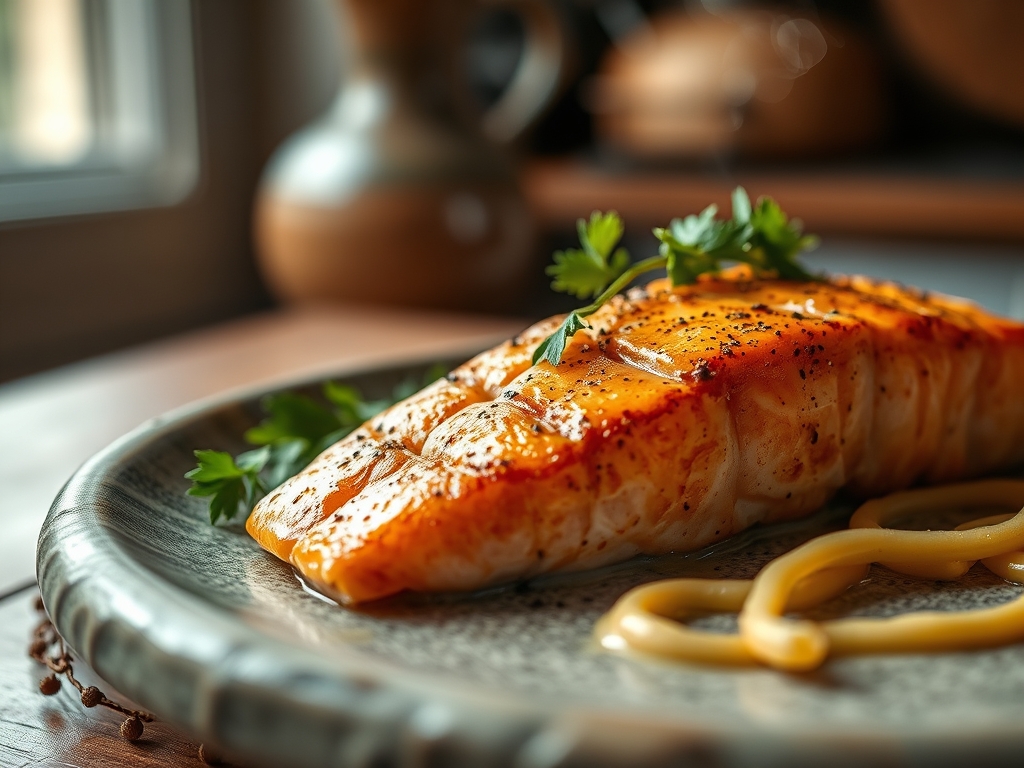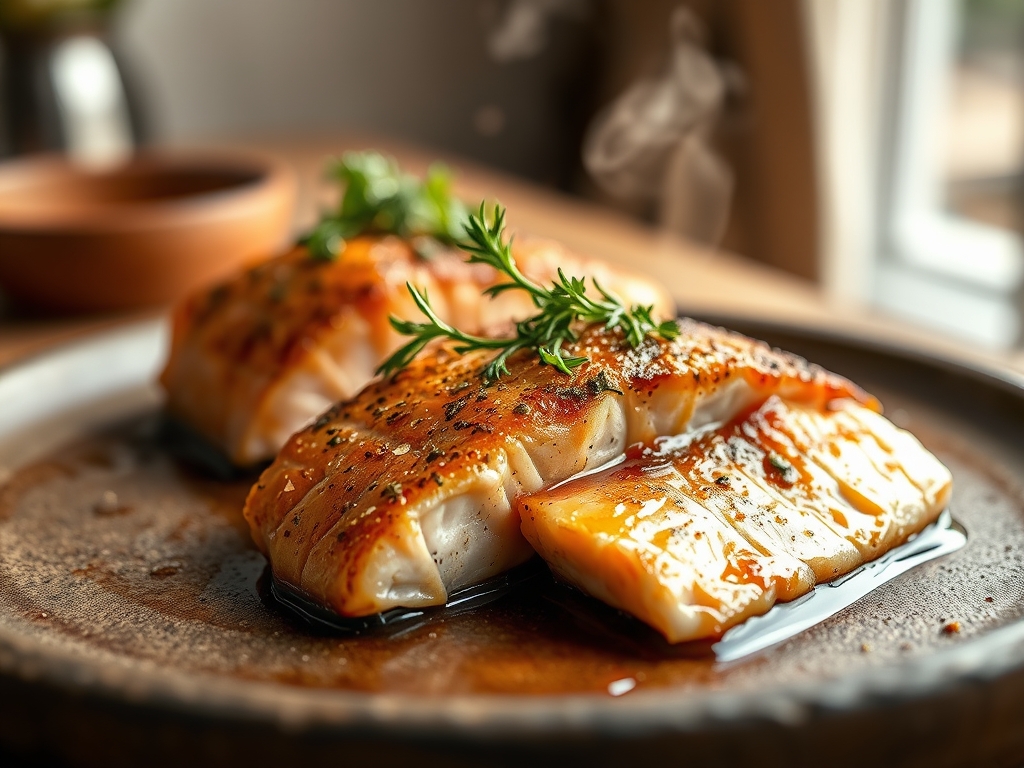
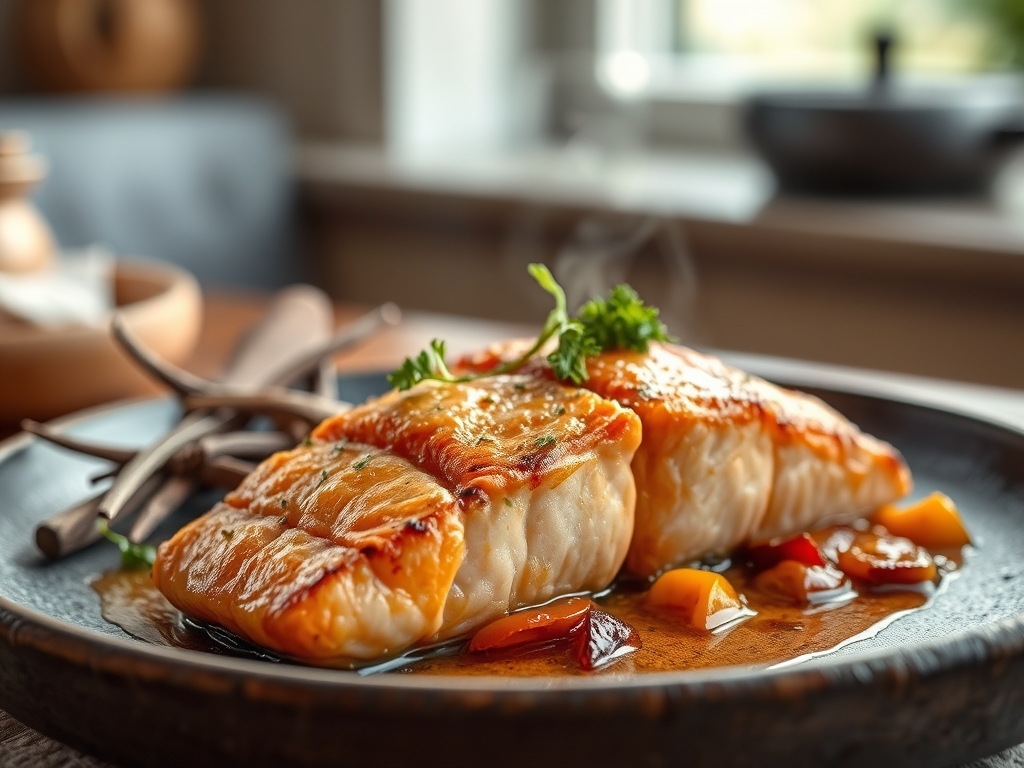
Imagine a sizzling heavy-bottomed skillet where cold Atlantic fats meet the blistering heat of the Sahara. The skin shatters like glass under your fork while the interior remains a buttery, translucent pink. Mastering african salmon recipes is not just about heat; it is about the collision of high-fat cold-water fish with the pungent, earthy aromatics of the continent. We are talking about the smoky depth of berbere, the acidic brightness of preserved lemons, and the velvet finish of red palm oil.
Salmon is a non-traditional but brilliant canvas for African flavors because its high lipid content carries spice better than almost any other protein. When you sear a fillet crusted in dukkah or bathed in a harissa glaze, you are initiating a complex chemical dance. The amino acids and sugars on the surface undergo the Maillard reaction, creating hundreds of new flavor compounds that smell like toasted nuts and dark chocolate. This is soulful, high-octane cooking that demands your attention and rewards your palate. Grab your apron; we are about to turn your kitchen into the most fragrant spot on the map.
The Gathers:
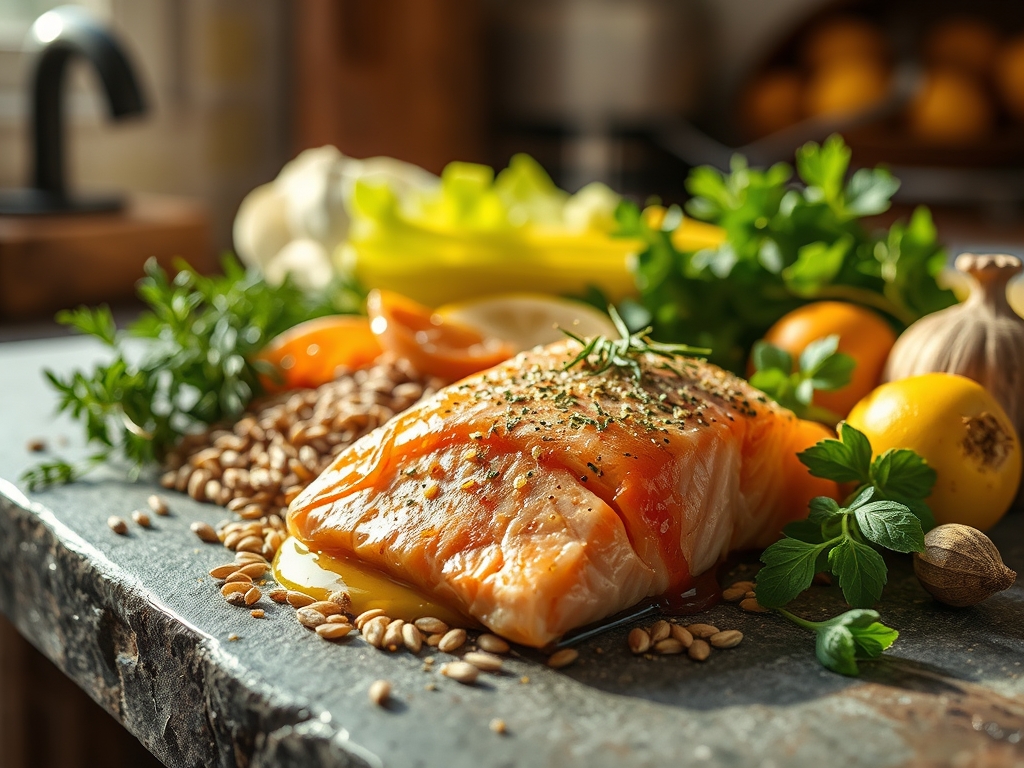
Your mise-en-place is the foundation of success. For these nine variations, you need high-quality fillets, preferably skin-on to protect the delicate flesh from direct thermal shock. Use a digital scale to ensure your spice blends are balanced; a gram of difference in cloves or bird eye chili can shift the profile from piquant to overpowering.
The aromatics are non-negotiable. You will need fresh ginger and garlic, which should be grated with a microplane to create a paste that integrates into marinades without burning. Keep a bottle of viscous, unrefined red palm oil on hand for its earthy flavor and high smoke point. For the acids, stock fresh limes and preserved lemons to brighten the heavy fats.
Smart Substitutions: If you cannot find authentic Berbere, a mix of smoked paprika, ginger, and cardamom works in a pinch. If red palm oil is unavailable, use avocado oil infused with a touch of turmeric to mimic the color and stability. For a vegan twist on these profiles, firm tofu or thick cauliflower steaks respond beautifully to these same spice rub techniques.
The Clock:
Efficiency in the kitchen is about "Chef's Flow," the art of overlapping tasks to minimize downtime. Total active prep for these dishes averages twenty minutes, with cooking times hovering around twelve minutes. The secret is the resting period. Salmon continues to cook after it leaves the pan due to thermal carryover.
Budget five minutes for your spice tempering and ten minutes for the fish to reach room temperature. Never cook salmon straight from the fridge; the cold center will remain raw while the exterior overcooks. If you are meal prepping, undercook the fish by two minutes. This allows the reheating process to finish the cook without turning the protein into dry, fibrous tinder.

The Masterclass:
1. The Surface Prep
Pat the salmon dry with paper towels until the skin feels like parchment. Moisture is the enemy of the Maillard reaction; any water on the surface will turn to steam, preventing the skin from becoming crisp.
Pro Tip: This is known as surface dehydration. By removing moisture, you ensure the heat goes directly into browning the proteins rather than evaporating water.
2. The Spice Infusion
Apply your chosen African rub, like Suya-inspired peanut spice or a zesty Chermoula. Use a bench scraper to gather your chopped herbs and press them firmly into the flesh side of the fish.
Pro Tip: Fat-soluble compounds in spices like cumin and coriander need a lipid carrier. Rubbing the fish with a light coat of oil before seasoning helps these flavors infuse deeper into the muscle fibers.
3. The Sear
Heat your skillet until the oil shimmers. Lay the fish skin-side down using tongs, pressing gently for thirty seconds to prevent the protein from curling as the collagen contracts.
Pro Tip: This initial pressure ensures maximum surface contact, leading to an even, glass-like crust through conductive heat transfer.
4. The Deglaze
Once the fish is flipped, add a splash of citrus juice or fish stock to the pan. Use a wooden spoon to scrape up the browned bits, known as the fond, to create a pan sauce.
Pro Tip: Deglazing releases the concentrated flavor molecules stuck to the pan, creating a viscous emulsion that coats the fish in savory depth.
5. The Rest
Move the salmon to a warm plate and let it sit for three minutes. This allows the internal juices, which were pushed to the center by heat, to redistribute.
Pro Tip: Respecting thermal carryover prevents the "white albumin" from leaking out, keeping the fillet moist and aesthetically pleasing.
The Deep Dive:
From a macro perspective, these african salmon recipes are nutritional powerhouses. You are getting high-quality Omega-3 fatty acids paired with the anti-inflammatory properties of turmeric and ginger. One six-ounce portion typically contains 34 grams of protein and 20 grams of healthy fats.
Dietary Swaps: For Keto followers, these recipes are naturally low-carb. If you are Gluten-Free, ensure your spice blends do not contain anti-caking agents derived from grain. For a vegan version, use the "Chermoula" or "Berbere" techniques on king oyster mushrooms; they have a similar meaty density that holds up to the bold spices.
The Fix-It:
- The Skin is Soggy: You likely crowded the pan. Cook in batches to maintain high heat and allow steam to escape.
- The Spices Burned: High-sugar rubs (like those with honey) burn fast. Sear the skin side first, then flip and finish on lower heat or in the oven.
- The Fish is Dry: You missed the window. Pull the salmon when the internal temperature hits 125 degrees Fahrenheit; it will rise to a perfect 135 as it rests.
Meal Prep Science: To reheat, avoid the microwave. Use a toaster oven at 300 degrees with a splash of water covered in foil. This creates a mini-steamer environment that rehydrates the proteins without toughening the fibers.
The Wrap-Up:
Bringing African flavors to your salmon routine is a game-changer for any home cook looking to break out of a culinary rut. By understanding the science of the sear and the chemistry of spice, you turn a simple piece of fish into a vibrant, textured masterpiece. Whether you are hosting a dinner party or just treating yourself on a Tuesday, these bold profiles offer a sophisticated edge that is surprisingly easy to achieve. Remember: dry the skin, temper your spices, and always let the fish rest. Now, go get that skillet screaming hot!
The Kitchen Table:
How do I prevent salmon from sticking to the pan?
Ensure the pan and oil are shimmering hot before adding the fish. Pat the skin completely dry. Once the protein sears and the Maillard reaction occurs, the fish will naturally release from the surface. Use a flexible metal spatula for easy lifting.
Can I use frozen salmon for these recipes?
Yes, but thaw it completely in the refrigerator first. Pat it exceptionally dry with paper towels to remove excess moisture from the freezing process. This ensures you still get a crisp sear rather than steaming the fish in its own juices.
What is the best way to store leftover African salmon?
Store in an airtight container for up to two days. To maintain texture, avoid the microwave. Instead, flake the cold salmon into a salad or gently warm it in a covered pan with a teaspoon of water to maintain moisture.
Which African spice blend is best for beginners?
Start with Chermoula. It is a vibrant mix of fresh parsley, cilantro, garlic, lemon, and cumin. It is forgiving, bright, and acts as both a marinade and a finishing sauce, making it perfect for those new to these flavor profiles.