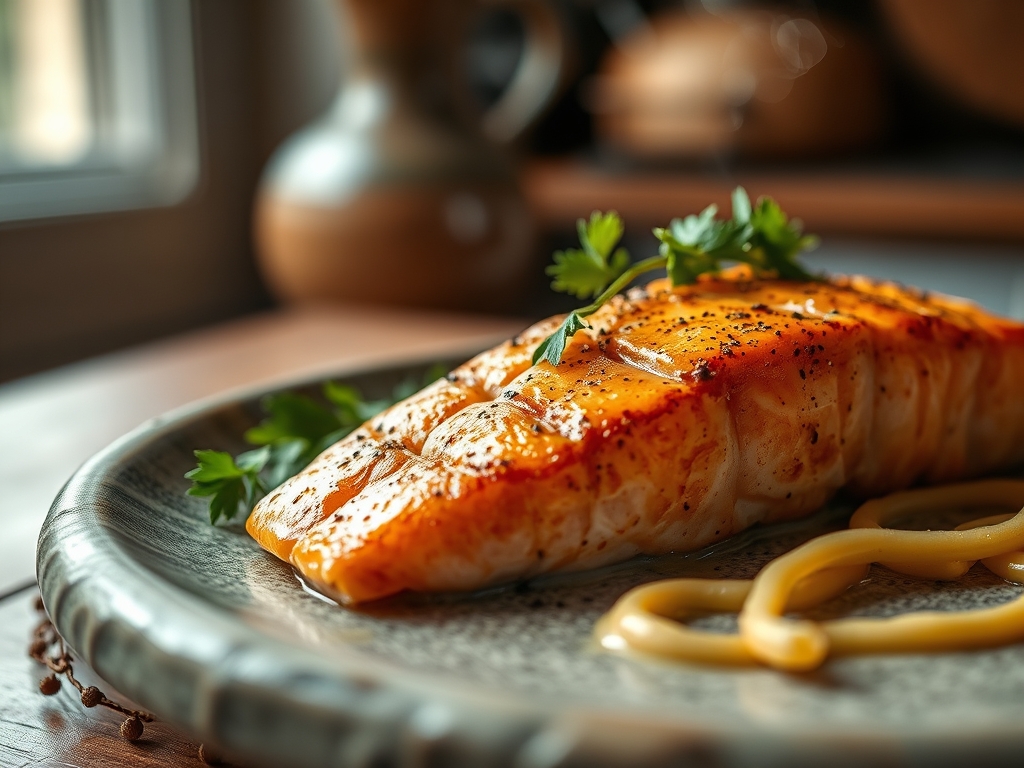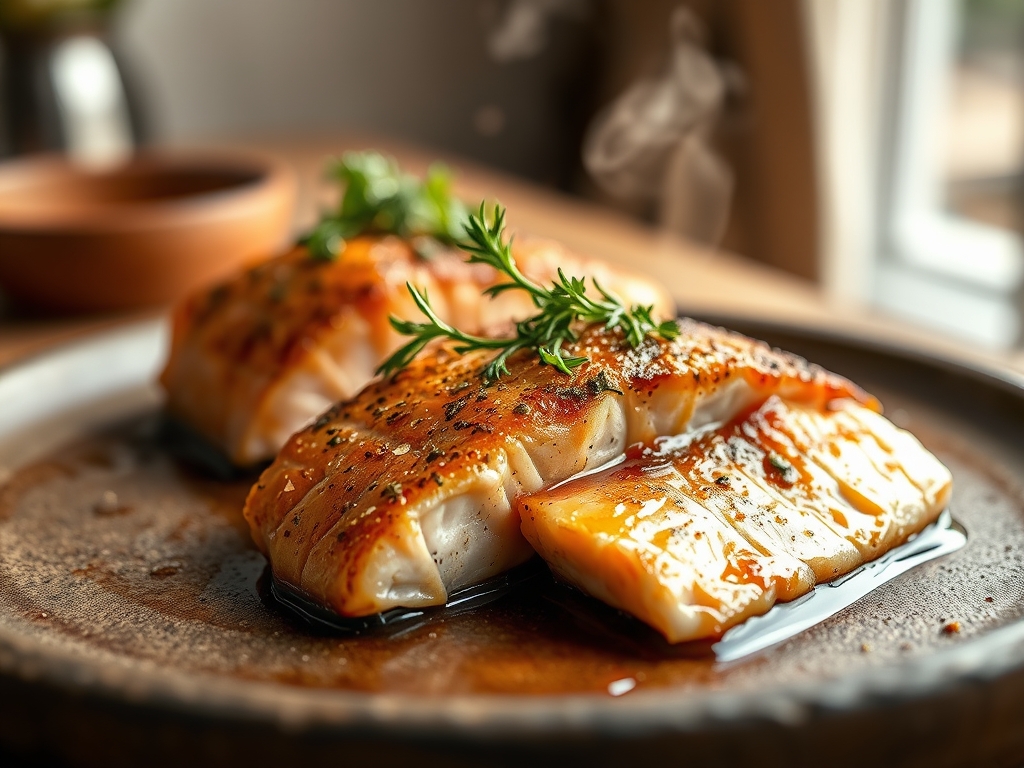
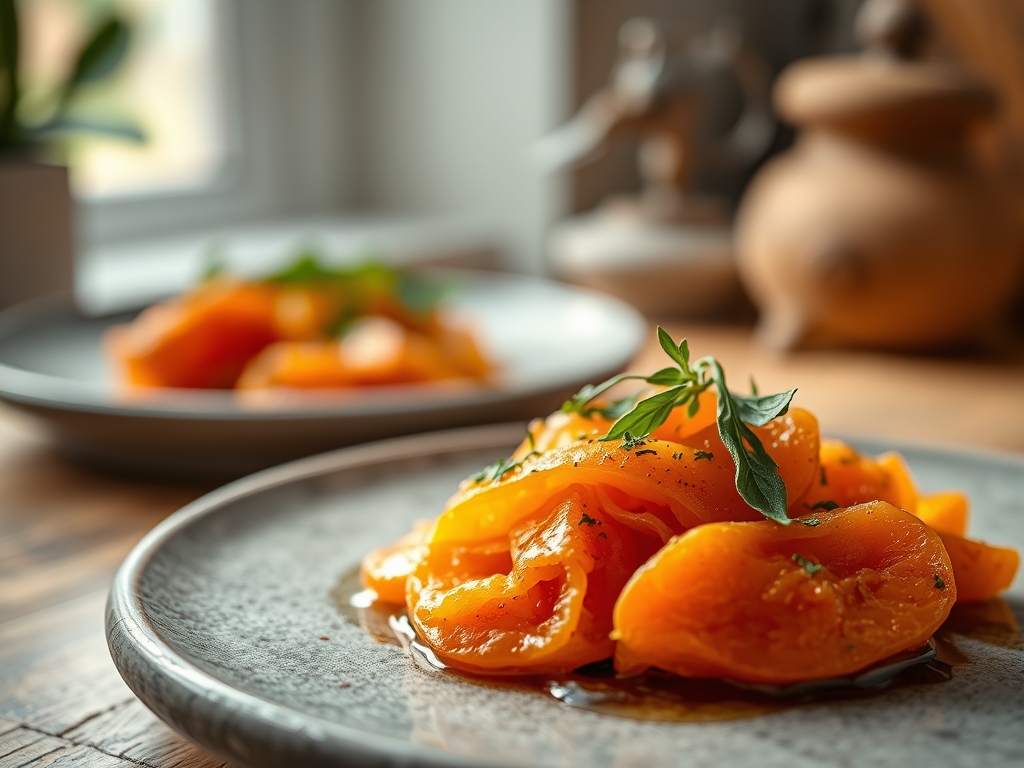
Imagine the scent of caramelized sugars meeting the pungent kick of freshly grated Pecorino Romano. It is a collision of worlds where the humble, earthy tuber meets the sophisticated aromatics of a Tuscan kitchen. Mastering italian sweet potato recipes is not just about dinner; it is about manipulating starch and sugar to create something truly transcendent.
Think of the sweet potato as a blank, starchy canvas. While most people bury them in marshmallows or brown sugar, we are going to treat them like gold. We are talking about high-heat roasting to trigger the Maillard reaction; that chemical dance where amino acids and reducing sugars create a savory, browned crust. By introducing Italian staples like cold-pressed olive oil, rosemary, and aged balsamic, we transform a simple root vegetable into a complex, piquant masterpiece. Whether you are folding them into a silky gnocchi dough or crisping them into savory "polenta" rounds, these hacks will redefine your pantry standards. Grab your apron and your sharpest chef's knife. We are about to turn the science of flavor into your new favorite obsession.
The Gathers:
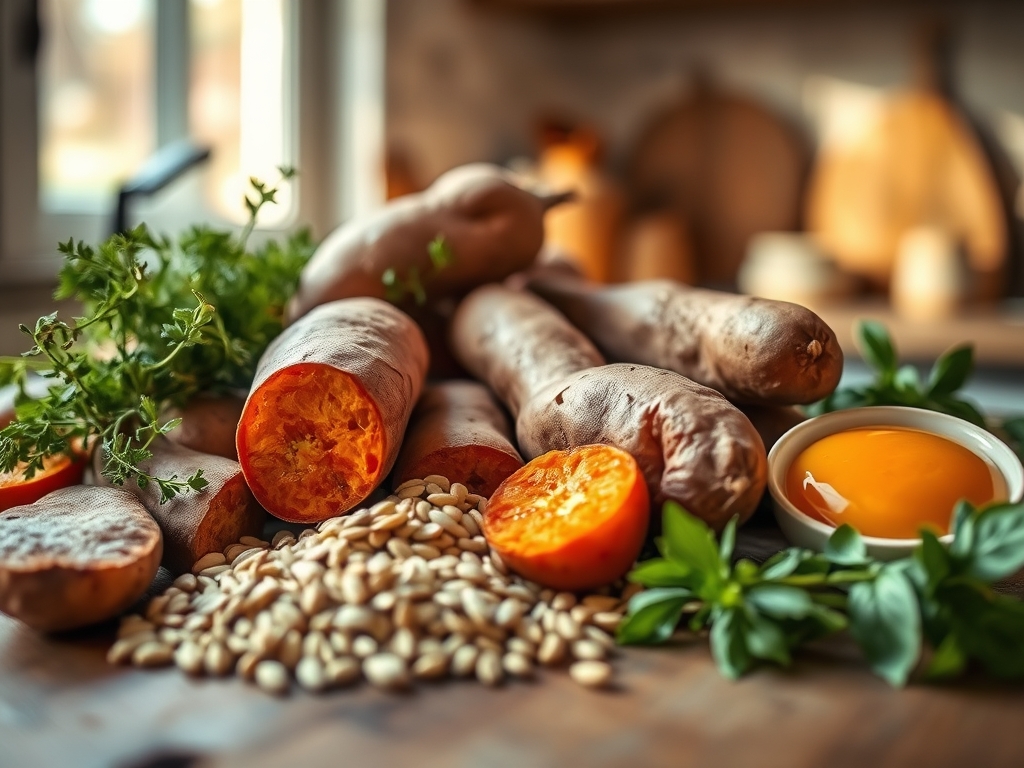
To execute these italian sweet potato recipes with precision, your mise-en-place must be flawless. You will need high-density, copper-skinned sweet potatoes (Jewel or Beauregard varieties) because their high moisture content allows for a creamy interior while the exterior crisps. You will also need high-quality fats. Reach for an extra virgin olive oil with a high polyphenol count for that peppery finish.
Your aromatics are equally vital. Fresh rosemary sprigs contain volatile oils that infuse better than dried herbs when exposed to heat. For the "Italian" soul, gather some Parmigiano-Reggiano (look for the DOP seal), toasted pine nuts for a buttery crunch, and a bottle of traditional balsamic vinegar for acidity.
Smart Substitutions:
If you want to lower the glycemic index, swap the orange tubers for Japanese purple sweet potatoes. They are starchier and hold their shape better during a long roast. If you are out of pine nuts, toasted walnuts provide a similar fatty profile with a more aggressive, earthy tannin. For a dairy-free umami kick, use nutritional yeast blended with a pinch of sea salt to mimic the crystalline texture of aged cheese.
The Clock:
Efficiency in the kitchen is all about "Chef's Flow." This is the art of overlapping tasks so no heat is wasted.
- Prep Time: 20 minutes. This includes washing, peeling, and the precision dicing required for even thermal distribution.
- Active Cook Time: 35 to 45 minutes. Most of this is "passive" oven time, but you will be active during the final 10 minutes for glazing and garnishing.
- Total Time: Approximately 1 hour.
The flow begins with the oven preheat. Never put your vegetables in a cold oven. You need that immediate blast of heat to sear the surface. While the oven climbs to 425 degrees Fahrenheit, you perform your knife work. While the potatoes roast, you prepare your "gremolata" or infusions. This ensures that the moment the tubers reach peak tenderness, your flavor enhancers are ready to be applied, preventing any loss of temperature or texture.
The Masterclass:
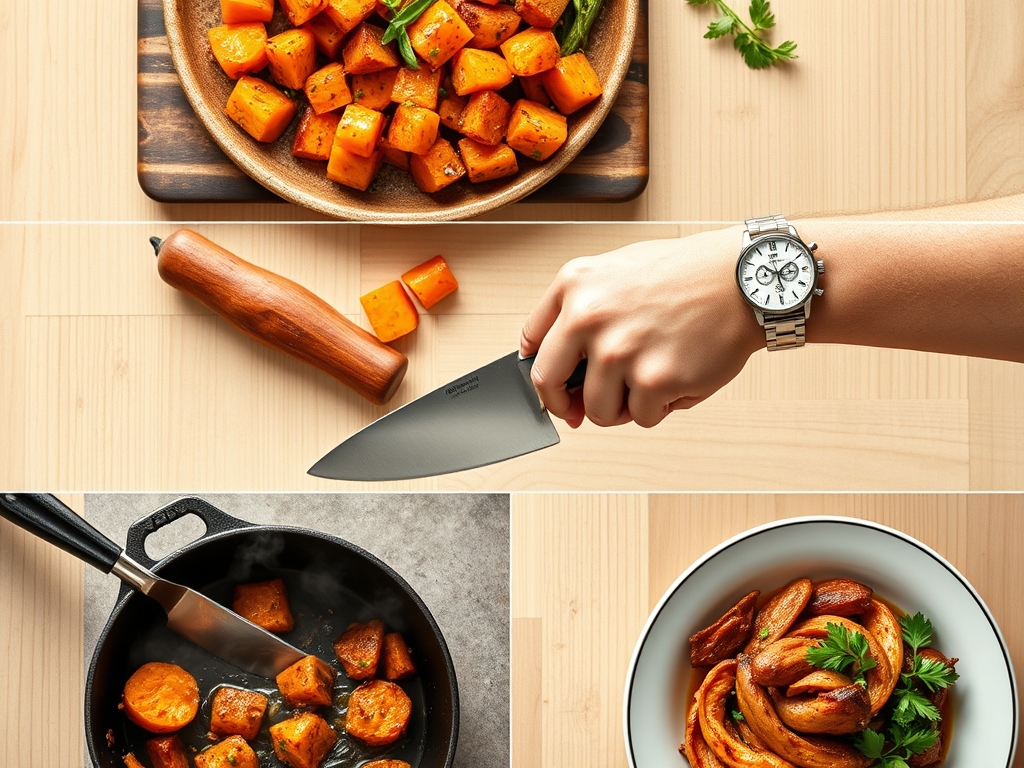
1. The Precision Dice and Soak
Start by peeling your tubers and using a sharp chef's knife to create uniform 1-inch cubes. Once cut, submerge them in a bowl of ice-cold water for ten minutes. This removes excess surface starch which often leads to a gummy texture rather than a crisp one.
Pro Tip: This process prevents enzymatic browning. By rinsing away the starch, you ensure the sugars on the outside of the potato do not burn before the interior is fully gelatinized.
2. The High-Heat Roast
Drain the cubes and pat them bone-dry with a lint-free kitchen towel. Toss them in a heavy-bottomed skillet or a rimmed baking sheet with olive oil and sea salt. Spread them out; overcrowding causes steaming instead of roasting.
Pro Tip: Use a digital scale to ensure you are using exactly 15 grams of oil per 500 grams of potato. This ratio ensures every surface is coated for optimal heat transfer without making the dish greasy.
3. The Garlic and Rosemary Infusion
Ten minutes before the potatoes are finished, toss in smashed garlic cloves and whole rosemary sprigs. Use your tongs to nestle them between the potato cubes so the fats can absorb the essential oils from the herbs.
Pro Tip: This is called lipid infusion. The fats in the olive oil act as a solvent, pulling the fat-soluble flavor compounds out of the rosemary and garlic and distributing them evenly across the potatoes.
4. The Balsamic Deglaze
Once the potatoes are fork-tender and golden, remove the pan from the oven. While the pan is still screaming hot, drizzle two tablespoons of balsamic vinegar over the potatoes. Use a bench scraper or spatula to toss them quickly.
Pro Tip: This is a controlled deglazing technique. The acidity of the vinegar cuts through the density of the starch, while the sugars in the balsamic undergo a secondary caramelization upon contact with the hot metal.
5. The Umami Dusting
Transfer the potatoes to a warm serving bowl. Use a microplane to shower the dish with a fine snow of Parmigiano-Reggiano. The residual heat will melt the bottom layer of cheese while the top remains light and aerated.
Pro Tip: This utilizes thermal carryover. The internal heat of the potatoes is enough to soften the cheese proteins without breaking the emulsion, resulting in a creamy mouthfeel rather than a greasy one.
6. The Textural Contrast
Scatter toasted pine nuts and a handful of torn flat-leaf parsley over the top. The parsley adds a fresh, grassy note that balances the heavy, roasted flavors.
Pro Tip: Adding fresh herbs at the very end preserves their chlorophyll levels and volatile aromatics, which would otherwise be destroyed by the high heat of the oven.
7. The Final Emulsion
Finish with a tiny drizzle of high-quality finishing oil and a crack of black pepper. This creates a thin, viscous coating that makes the colors pop and keeps the palate engaged.
Pro Tip: This final fat layer acts as a flavor carrier, helping the piquant notes of the pepper and the sweetness of the potato linger longer on your taste buds.
The Deep Dive:
Macro Nutrition: Sweet potatoes are a powerhouse of complex carbohydrates and Vitamin A. When paired with the healthy monounsaturated fats from olive oil and the protein from hard cheeses, you create a balanced side dish that prevents blood sugar spikes.
Dietary Swaps:
- Vegan: Use a cashew-based "parmesan" or a drizzle of tahini mixed with lemon juice for creaminess.
- Keto: While sweet potatoes are higher in carbs, you can use this same Italian method on cauliflower florets or daikon radish for a similar flavor profile.
- GF: This recipe is naturally gluten-free; just ensure your balsamic vinegar does not contain caramel coloring or thickeners.
The Fix-It:
- Soggy Potatoes: Usually caused by overcrowding the pan. Fix it by returning them to the oven on a wire rack for 5 minutes to allow air circulation.
- Burnt Garlic: If the garlic turns bitter, it was added too early. Next time, keep the cloves whole and unpeeled to protect the flesh.
- Too Sweet: If the tubers are cloying, increase the salt and add a squeeze of fresh lemon juice to provide a bright acid counterpoint.
Meal Prep: To reheat, avoid the microwave. The microwave agitates water molecules, making the starch molecules collapse and turn mushy. Instead, use a toaster oven or an air fryer at 350 degrees for 5 minutes to restore the "day-one" crispness.
The Wrap-Up:
There you have it; a masterclass in elevating italian sweet potato recipes from a simple side to a culinary event. By understanding the chemistry of starch, the importance of lipid infusion, and the power of acid, you have unlocked a new level of kitchen confidence. These seven hacks are not just instructions; they are tools for your creative arsenal. Now, go forth, grab your microplane, and turn those tubers into something spectacular. Your dinner guests (and your palate) will thank you.
The Kitchen Table:
Can I use yams instead of sweet potatoes?
In the US, "yams" are usually just soft-variety sweet potatoes. They work well, but true African yams are much starchier and drier; they require more oil and a longer roasting time to achieve the same creamy results.
How do I get the skins extra crispy?
The secret is a light coating of cornstarch or arrowroot powder after soaking and drying. This creates a thin, dehydrated layer that fries in the olive oil, resulting in a glass-like crunch that holds up against sauces.
Why does my balsamic glaze taste bitter?
Bitterness occurs when the sugars in the vinegar reach the "burnt" stage. To avoid this, always deglaze off the direct heat source and ensure you are using a high-quality, aged balsamic which has a higher natural sugar content.
What is the best way to store leftovers?
Store them in an airtight glass container. Plastic can trap steam, which makes the potatoes lose their structural integrity. For the best texture, keep the cheese and fresh herbs separate until you are ready to reheat and serve.