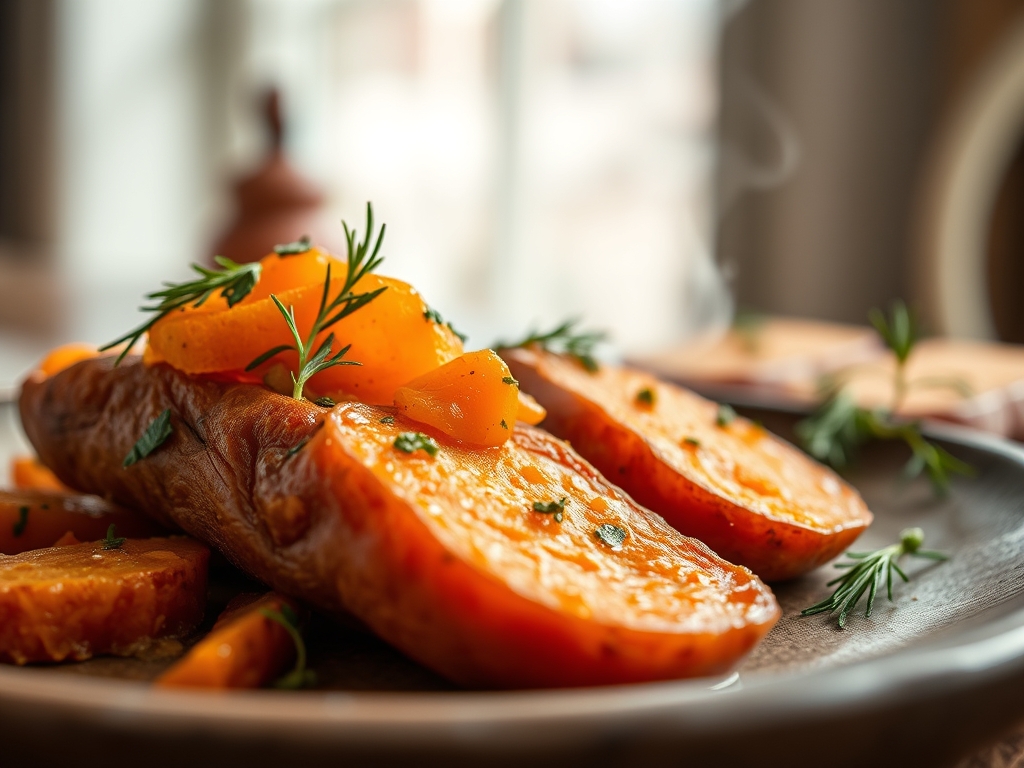
Imagine the scent of caramelized sugar and scorched butter drifting through a drafty kitchen on a Sunday afternoon. That specific, heady aroma is the hallmark of old fashioned sweet potato recipes, a culinary tradition that bridges the gap between humble root vegetables and high art. We are not just making dinner; we are engineering nostalgia through the precise application of heat and sugar.
The Gathers:
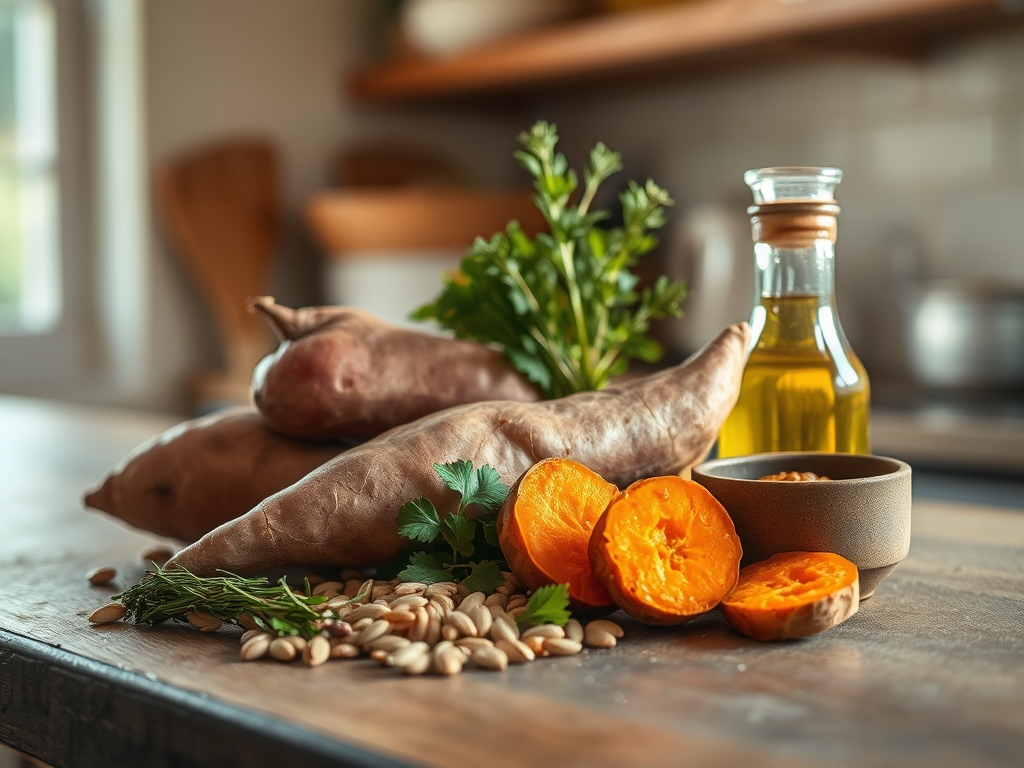
To achieve the velvet texture required for these nine classics, your mise-en-place must be exact. We start with the star: the Ipomoea batatas. Look for specimens with taut skin and heavy mass, indicating high water content and dense starch structures. You will need a digital scale to ensure your ratios of fat to fiber remain consistent.
The supporting cast includes high-fat European butter for better emulsification, dark muscovado sugar for its viscous molasses content, and whole nutmeg. Always use a microplane to grate your nutmeg fresh; the volatile oils dissipate within minutes of pre-grinding. You will also need heavy cream, farm-fresh eggs to bind the starches, and a pinch of fleur de sel to brighten the earthy undertones of the tubers.
Smart Substitutions: If you are aiming for a lighter profile, Greek yogurt can provide the necessary acidity to balance the sugar, though it lacks the lipid profile of heavy cream. For a dairy-free alternative, full-fat coconut milk offers a similar mouthfeel due to its high saturated fat content. If you find your potatoes are too fibrous, a quick pass through a chinois or fine-mesh strainer will ensure a professional, silky finish.
The Clock:
Mastering the timeline is about managing the Chef's Flow. Prep time usually clocks in at 25 minutes, primarily spent peeling and cubing. However, the true investment is the roasting or boiling phase, which takes 45 to 60 minutes.
The goal is to reach an internal temperature of 210 degrees Fahrenheit. At this stage, the starches have fully converted to maltose. Total time from pantry to plate for most old fashioned sweet potato recipes is roughly 90 minutes. Do not rush the cooling phase; allowing the mash to drop to 140 degrees before adding eggs prevents them from curdling, ensuring a smooth protein matrix.
The Masterclass:
1. The Thermal Breakdown
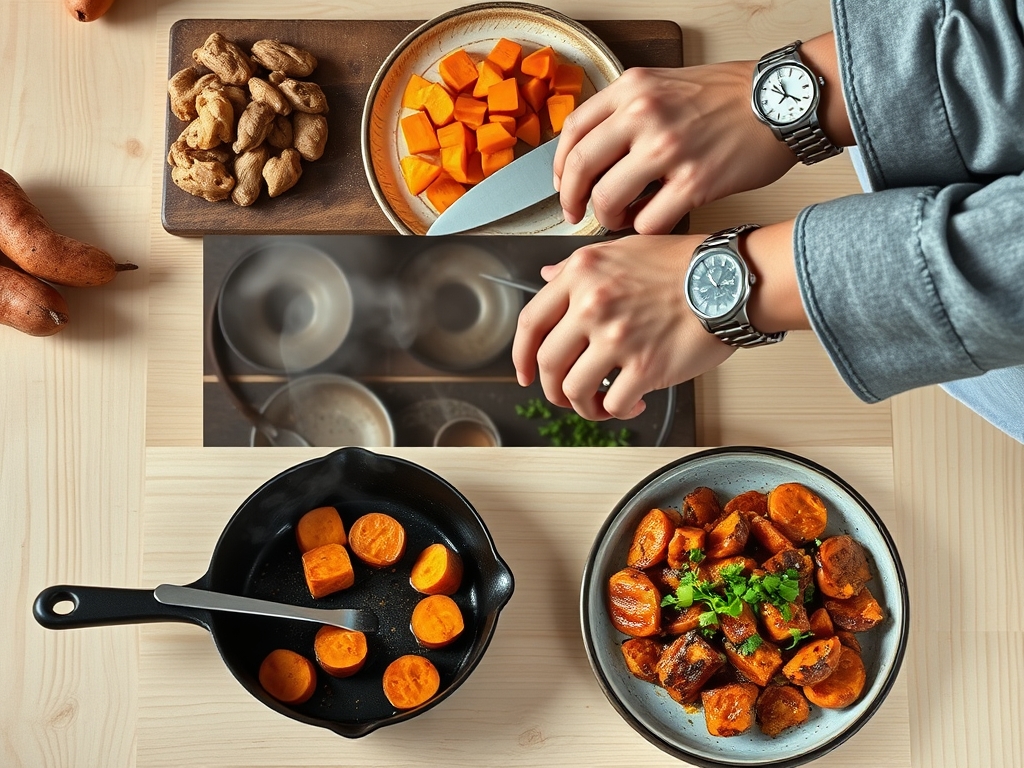
Begin by roasting your potatoes whole in their skins. This method utilizes dry-heat conduction to concentrate sugars rather than diluting them in boiling water. Use a heavy-bottomed skillet or a parchment-lined sheet pan.
Pro Tip: Roasting triggers the Maillard reaction on the skin, creating complex flavor compounds that migrate into the flesh. Piercing the skin allows steam to escape, preventing the potato from becoming waterlogged.
2. The Mechanical Puree
Once tender, peel the potatoes while warm and pass them through a ricer or food mill. Avoid using a high-speed blender, which can shear the starch granules and turn your mash into a gluey, non-Newtonian fluid.
Pro Tip: Ricing the potatoes while they are hot prevents retrogradation, a process where starches recrystallize and become tough as they cool.
3. The Lipid Infusion
In a small saucier, melt your butter and aromatics over low heat. We want to infuse the fat with cinnamon and ginger before folding it into the mash. Use a silicone spatula to fold the mixture gently.
Pro Tip: Fat acts as a flavor carrier. By heating the spices in butter, you unlock fat-soluble compounds that would otherwise remain dormant in a cold mix.
4. The Aeration Phase
For dishes like souffles or fluffy casseroles, whisk your egg whites to soft peaks before folding them in. This introduces air bubbles that will expand in the oven, creating a light, aerated structure.
Pro Tip: This is basic Charles's Law in action; as the air trapped in the egg whites heats up, it expands, giving your old fashioned sweet potato recipes their signature lift.
5. The Caramelized Topping
Whether you use pecans or marshmallows, the topping must be added during the final 15 minutes of baking. Use tongs to arrange pecans evenly for consistent browning.
Pro Tip: Sugar undergoes caramelization at approximately 320 degrees Fahrenheit. Adding the topping too early results in carbonization (burning), while adding it too late prevents the syrupy bond from forming.
The Deep Dive:
From a macro perspective, sweet potatoes are a powerhouse of complex carbohydrates and Vitamin A. A standard serving provides roughly 180 calories, with the glycemic index varying based on cooking method. Roasting increases the GI, while boiling keeps it lower.
Dietary Swaps:
For a Keto-friendly version, swap the potatoes for roasted cauliflower and use a monk fruit sweetener. For Vegan enthusiasts, replace butter with a high-quality avocado oil and use "flax eggs" as a binder. Gluten-free adaptations are simple; just ensure your thickeners are cornstarch or arrowroot powder instead of flour.
The Fix-It:
- Runny Texture: If your mash is too thin, it likely contains excess water. Return it to a heavy-bottomed skillet over medium heat and stir constantly to evaporate the moisture.
- Grainy Mouthfeel: This happens when the potatoes are undercooked. To fix, add a splash of warm cream and use an immersion blender sparingly to break down the stubborn fibers.
- Overly Sweet: If you over-measured the sugar, balance the profile with a teaspoon of apple cider vinegar or a squeeze of lemon juice to provide an acidic counterpoint.
Meal Prep:
To reheat while maintaining "day-one" quality, avoid the microwave. Use an oven at 350 degrees and cover the dish with foil to prevent surface dehydration. Adding a tablespoon of water or milk before reheating helps to rehydrate the starch molecules.
The Wrap-Up:
There is a profound joy in mastering these old fashioned sweet potato recipes. They represent a technical challenge disguised as comfort food. By understanding the science of starch and the chemistry of caramelization, you elevate a simple root vegetable into a centerpiece. Grab your bench scraper, clear your counters, and let the aroma of roasting tubers fill your home. You have the tools, the tech, and the talent to make this legendary.
The Kitchen Table:
How do I prevent my sweet potato casserole from being watery?
Ensure you roast the potatoes instead of boiling them to minimize water absorption. If boiling, drain them thoroughly and return them to the hot pot for two minutes to steam off any residual surface moisture before mashing.
Can I make these recipes ahead of time?
Yes, you can prep the mash up to 48 hours in advance. Store it in an airtight container in the refrigerator. Wait to add any crunchy toppings or leavening agents like egg whites until just before you bake.
What is the best way to peel a hot sweet potato?
After roasting, let the potatoes sit for five minutes. Use a paring knife to make a shallow slit down the length. The skin should slip off easily. Use a clean kitchen towel to hold the hot potato securely.
Why did my marshmallows burn instead of browning?
Marshmallows have a high sugar content and a low burn point. Place them on the dish during the last five to eight minutes of baking and watch them closely. Use the middle oven rack to avoid direct heat.