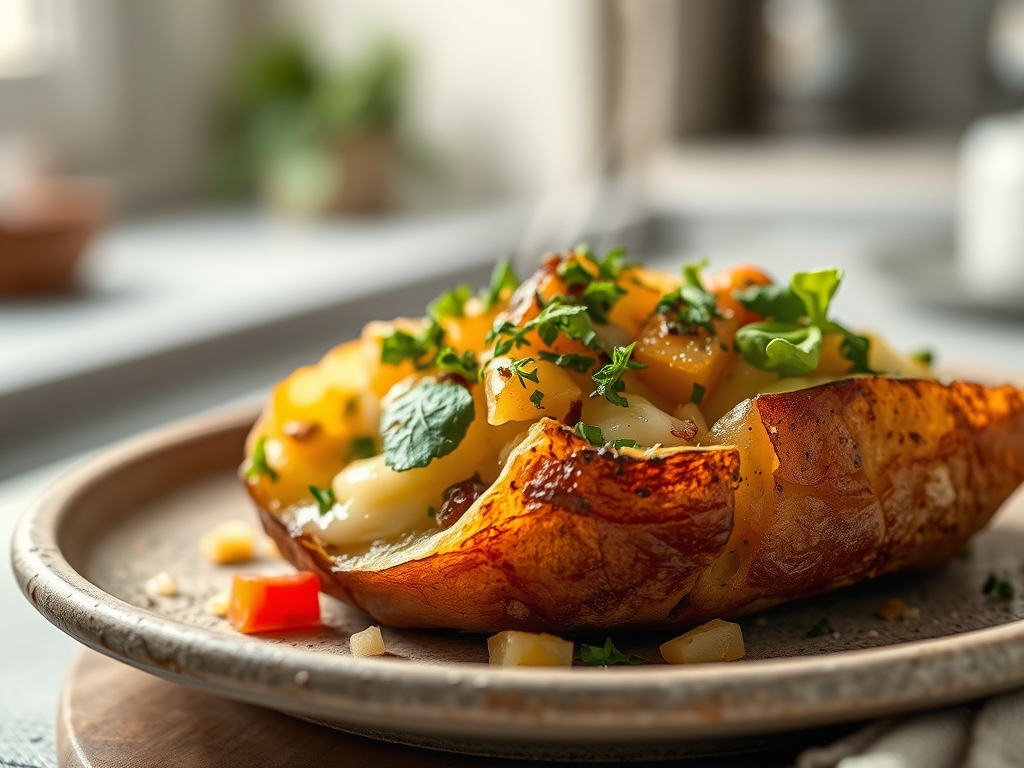
Imagine a cold, starchy relic sitting in your refrigerator; a humble baked potato that lost its luster the moment the oven timer beeped last night. Most people see a dense lump of carbs, but I see a molecular goldmine waiting for a second act. Finding leftover baked potato recipes easy enough for a Tuesday night is about more than just reheating; it is about manipulating retrograded starch to achieve textures that fresh potatoes simply cannot replicate. We are talking about skins so crisp they shatter and interiors that have transitioned from fluffy to a dense, creamy velvet.
The secret lies in the refrigerator. When a potato cools, its starch molecules undergo a process called retrogradation, where they realign into a more crystalline structure. This makes the flesh firmer and less prone to turning into a gummy paste when handled. Whether you are craving a piquant breakfast hash or a silky soup, that leftover spud is actually a superior ingredient to a raw one. It has already shed its excess moisture, meaning it is primed to absorb fats and aromatics like a sponge. Grab your heavy-bottomed skillet and a sharp chef's knife. We are about to transform those lonely leftovers into the best meal of your week.
The Gathers:
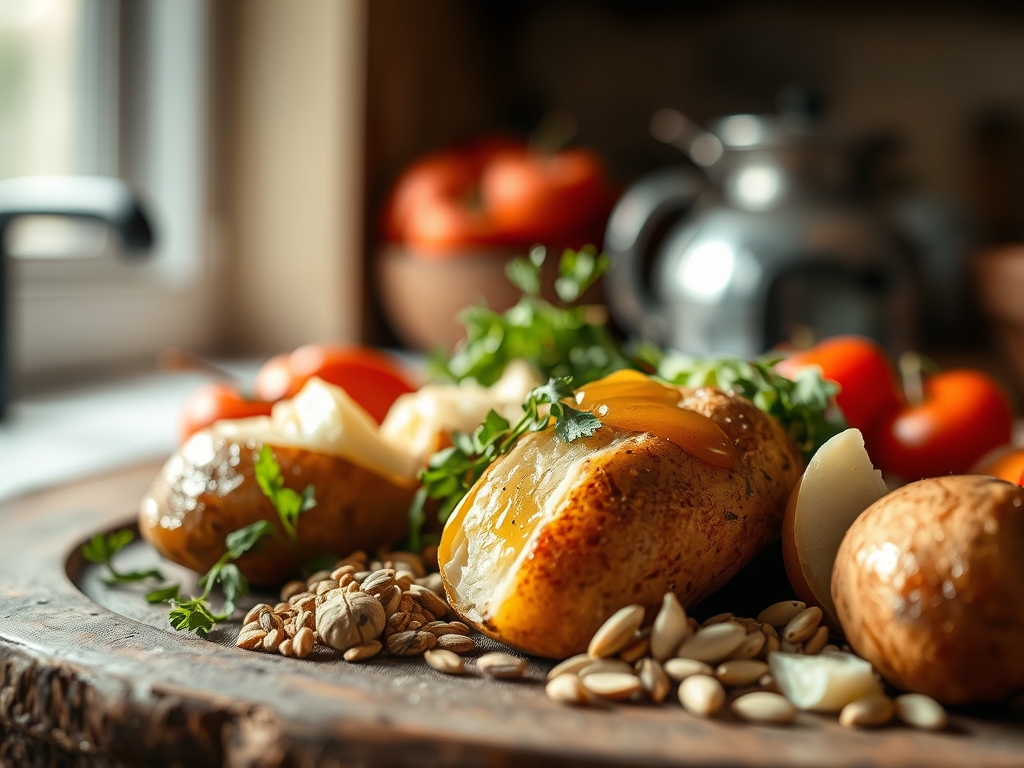
To execute these transformations, your mise-en-place must focus on contrasting textures and high-acid brightness to cut through the heavy starch. You will need high-smoke-point fats like clarified butter or avocado oil to facilitate the Maillard reaction without scorching. For aromatics, gather fresh rosemary, garlic cloves, and shallots. A block of aged sharp cheddar or nutty Gruyere is essential for creating a viscous, melted binding agent.
Smart Substitutions:
If you are out of heavy cream for a mash or soup, Greek yogurt provides a piquant tang and thick consistency while adding a protein boost. If you lack fresh herbs, a teaspoon of dried Herbes de Provence infused into your cooking oil will provide a similar depth. For those avoiding dairy, a splash of unsweetened almond milk and a tablespoon of nutritional yeast mimics the savory profile of Parmesan. Use a microplane to zest a lemon over your finished dish; the citric acid acts as a flavor catalyst, brightening the earthy notes of the potato.
The Clock:
Efficiency in the kitchen is all about the "Chef's Flow," which means grouping tasks by heat source and tool usage. If you are prepping multiple variations, expect a total active time of 15 to 20 minutes. The cook time varies from a quick 5-minute sear for hash browns to a 15-minute roast for crispy wedges.
The beauty of using pre-cooked potatoes is that you have already bypassed the 60-minute baking hurdle. Your goal now is surface modification. By the time your skillet reaches the shimmering point, you are less than ten minutes away from a finished plate. Use a digital scale to portion your ingredients if you are tracking macros, but otherwise, trust your senses. The sound of a vigorous sizzle is your indicator that the moisture is evaporating and the crust is forming.
The Masterclass:
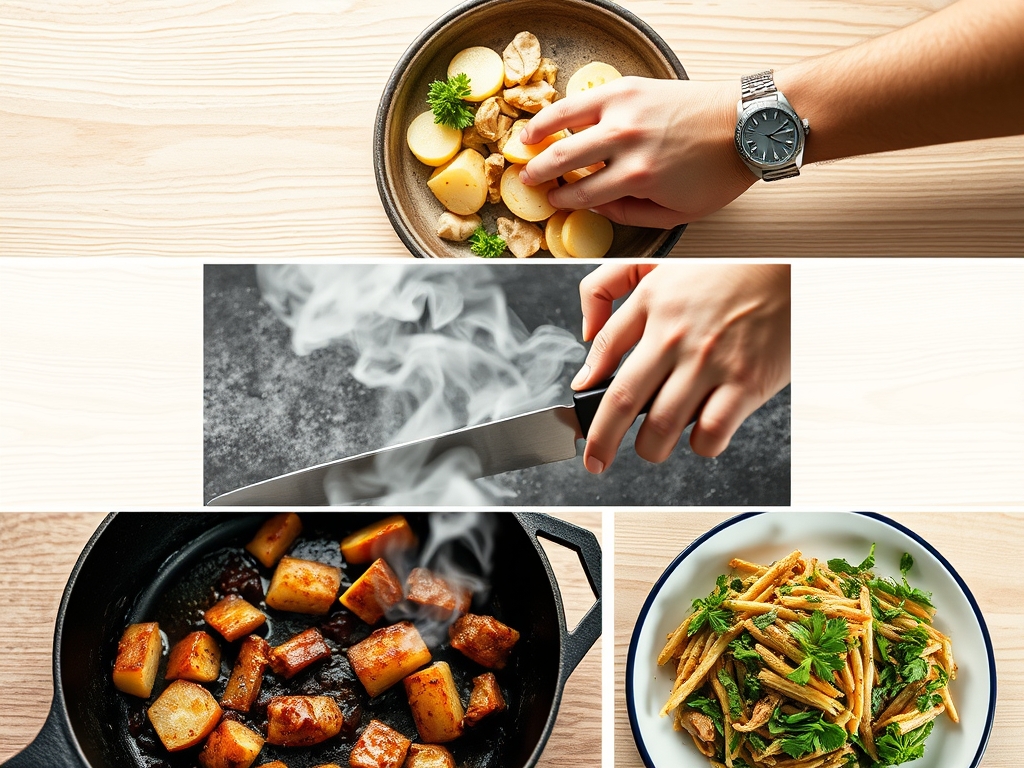
1. The Smash and Sear
Take your cold potato and use the palm of your hand or a heavy glass to gently compress it until the skin cracks and the flesh flattens. Heat a heavy-bottomed skillet with olive oil and sear each side until golden brown.
Pro Tip: This relies on thermal conductivity. The increased surface area created by smashing allows for more direct contact with the heat source, accelerating the Maillard reaction for a crunchier exterior.
2. The Bistro Breakfast Hash
Dice the potato into uniform half-inch cubes using a bench scraper to keep your board clean. Toss them into a pan with rendered bacon fat and diced peppers.
Pro Tip: Cold potatoes have retrograded starch, which prevents them from falling apart. This structural integrity ensures each cube stays distinct rather than turning into mashed potatoes in the pan.
3. The Loaded Potato Skins 2.0
Scoop out the center, leaving a quarter-inch wall. Brush with melted butter and bake at 425 degrees Fahrenheit until the edges are translucent and crisp. Fill with cheese and scallions.
Pro Tip: High heat causes moisture evaporation in the skin cells. This dehydration is what creates that signature "snap" when you bite into the shell.
4. The Velvety Potato Leek Soup
Roughly chop the potatoes and add them to a saucier with sautéed leeks and chicken stock. Use an immersion blender to emulsify the mixture into a smooth liquid.
Pro Tip: Because the potatoes are already cooked, the amylopectin has already gelatinized. This allows the soup to thicken instantly without the need for a flour-based roux.
5. Quick Gnocchi Dumplings
Grate the cold potato through a ricer or the large holes of a box grater. Mix with an egg yolk and just enough flour to form a dough. Roll into ropes and cut.
Pro Tip: Using cold potatoes prevents the flour from hydrating too quickly. This limits gluten development, resulting in a light, pillowy dumpling rather than a rubbery one.
6. The Crispy Wedge Roast
Cut the potato into thick wedges and toss with smoked paprika and garlic powder. Roast in a single layer at high heat.
Pro Tip: Avoid overcrowding the pan to prevent steam pockets. Airflow is crucial for the convection process to dry out the exterior skin effectively.
7. The Stuffed Potato Frittata
Slice the potato into thin rounds and layer them in a cast-iron skillet. Pour whisked eggs over the top and bake until set.
Pro Tip: The potato slices act as a heat sink, distributing warmth evenly through the egg mixture to prevent the proteins from curdling or weeping.
8. The Potato Salad Shortcut
Since the potatoes are already cooked, simply cube them and toss with a Dijon vinaigrette while they are slightly warmed.
Pro Tip: This utilizes capillary action. A slightly warm potato will draw the dressing into its center much more effectively than a cold one, seasoning the dish from the inside out.
The Deep Dive:
From a macro perspective, a medium potato provides roughly 160 calories, 4 grams of fiber, and a significant dose of potassium. When cooled and reheated, potatoes develop resistant starch, which functions more like fiber in the gut, potentially improving insulin sensitivity.
Dietary Swaps:
For a vegan version of these recipes, substitute butter with coconut oil or a high-quality olive oil. If you are following a keto-adjacent lifestyle, keep the portions small and focus on the "Loaded Skin" method where the potato acts as a vessel for high-fat, high-protein fillings like brisket or avocado.
The Fix-It:
- Soggy Skins: If your potatoes are limp, the heat is too low. Increase the temperature and ensure you are using a metal pan, which conducts heat better than glass.
- Sticking to the Pan: You likely tried to flip the potato too early. Wait for the release point; once the crust is fully formed, the potato will naturally detach from the cooking surface.
- Internal Cold Spots: If the outside is burnt but the inside is cold, use a lid for sixty seconds to trap steam and provide gentle conductive heating.
Meal Prep & Reheating:
To maintain "day-one" quality, avoid the microwave. The microwave excites water molecules, which can make the starch feel gummy. Instead, use an air fryer or a toaster oven at 375 degrees. This dry heat re-crisps the exterior while gently warming the core.
The Wrap-Up:
Transforming your leftovers is a masterclass in culinary resourcefulness. By understanding the science of starch and the power of high-heat searing, you turn a forgotten side dish into a gourmet centerpiece. Don't let those spuds languish in the back of the fridge. Grab your tongs, fire up the stove, and experiment with these textures. You have the tools, the science, and the flavor profiles to make something truly spectacular. Happy cooking!
The Kitchen Table:
Can I freeze leftover baked potatoes?
Yes, but the texture changes. Freezing causes water to form ice crystals that rupture cell walls. They are best used for soups or mashed dishes after thawing, rather than recipes requiring a firm, crisp structure.
How long do leftover potatoes last?
Stored in an airtight container, they remain safe and delicious for three to four days. Always ensure they have cooled to room temperature before sealing to prevent excess moisture buildup and bacterial growth.
Why are my reheated potatoes gummy?
Gumminess occurs when starch granules are overworked or heated unevenly in a microwave. To fix this, use dry heat methods like roasting or pan-frying, which encourage crisping rather than steaming the internal starches.
What is the best oil for frying potatoes?
Use an oil with a high smoke point like grapeseed or refined avocado oil. These allow you to reach the high temperatures necessary for the Maillard reaction without the oil breaking down and tasting bitter.