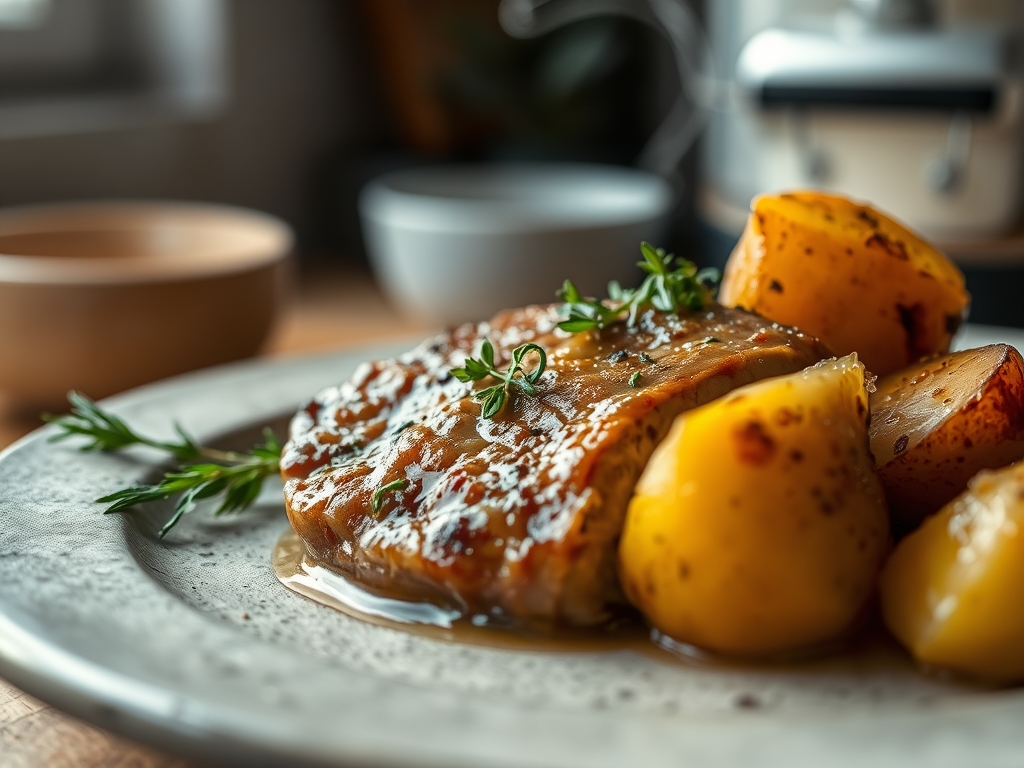
Imagine the scent of slow-simmered rosemary and savory rendered fat greeting you at the door after a long day. There is a specific kind of magic found in crockpot pork chop and potato recipes that turns a humble cut of meat into a fork-tender masterpiece. This is not just comfort food; it is a lesson in the beautiful, slow-motion physics of the ceramic crock. By the time you lift that lid, the starches have softened into velvet and the proteins have yielded to the gentle, persistent pressure of low heat. We are going to master six variations of this classic tonight, ensuring every bite is a perfect balance of salt, fat, and acid.
The beauty of the slow cooker lies in its ability to manage moisture, but the secret to a professional-grade finish is all in the preparation. We are moving beyond the dump-and-go mentality to embrace actual culinary technique. Whether you prefer a creamy mushroom gravy or a piquant herb-and-garlic rub, the foundation remains the same. It is about understanding how a root vegetable behaves when bathed in pork drippings for six hours. Grab your favorite apron; we are about to turn your kitchen into a high-end bistro with minimal effort and maximum flavor density.
The Gathers:
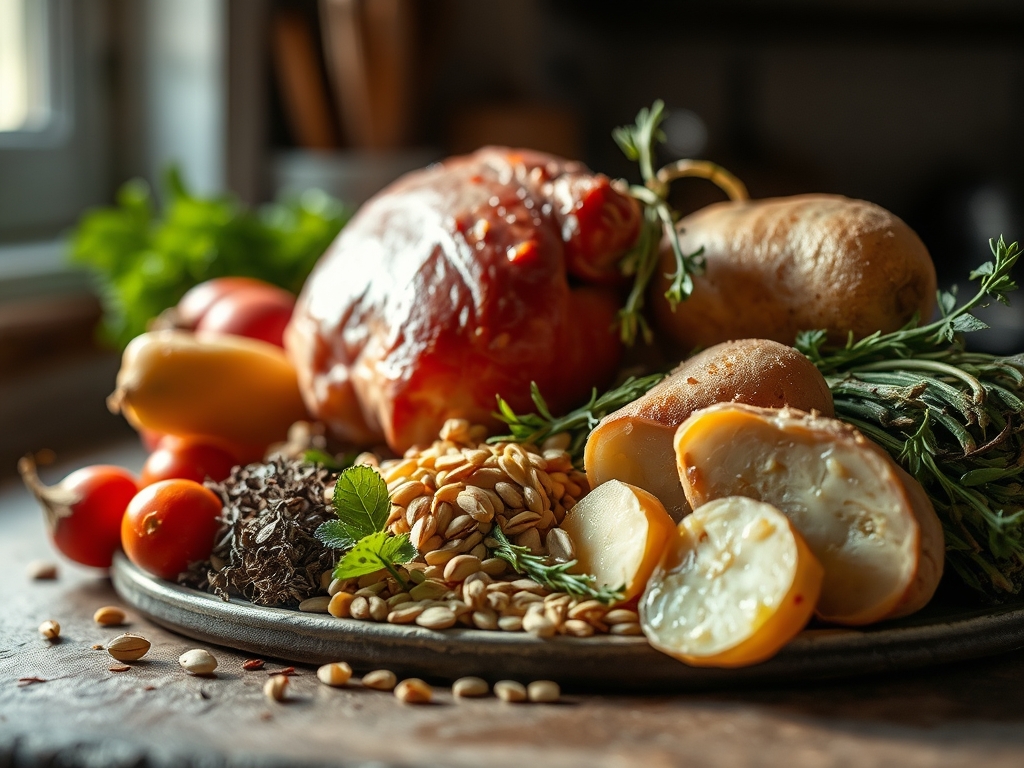
To execute these crockpot pork chop and potato recipes with precision, your mise-en-place must be impeccable. Start with the pork. I recommend thick-cut, bone-in loin chops. The bone acts as a thermal conductor and adds a deeper collagen profile to your sauce. For the potatoes, reach for low-starch varieties like Yukon Golds. They hold their cellular structure far better than Russets, which tend to disintegrate into a grainy mash under prolonged heat. You will also need high-quality aromatics: fresh thyme sprigs, whole cloves of garlic, and yellow onions that have been sliced thin with a sharp chef's knife to ensure they melt into the background.
Your pantry staples are equally vital. You will need a high-smoke-point oil like avocado oil for the initial sear, a splash of dry white wine or apple cider vinegar to deglaze the pan, and a rich chicken or vegetable stock. Do not forget the emulsifiers; a bit of heavy cream or a pat of cold butter whisked in at the end will create a viscous, glossy sauce that clings to the meat. Use a digital scale to measure your dry spices like smoked paprika and onion powder to ensure consistency across all six variations.
Smart Substitutions:
If you are avoiding nightshades, swap the potatoes for peeled parsnips or celery root; they offer a similar bite with a more complex, earthy sweetness. For a dairy-free version, full-fat coconut milk or a cornstarch slurry provides that same luxurious mouthfeel without the lactose. If you find yourself out of fresh herbs, remember that dried herbs are more potent; use a one-to-three ratio to avoid overpowering the delicate pork.
The Clock:
Efficiency in the kitchen is about the "Chef's Flow." Total active prep time for these recipes is approximately 20 minutes, while the passive cooking time ranges from 4 to 6 hours on low. Never rush pork chops on the high setting; high heat causes the muscle fibers to contract violently, squeezing out moisture and leaving you with a leathery texture.
The flow begins with the sear. Spend 8 minutes at the stove using a heavy-bottomed skillet to develop a crust. While the meat rests, you spend 5 minutes chopping vegetables and 2 minutes layering the crockpot. The final 5 minutes happen right before serving, where you will aerate the sauce and adjust the seasoning. This structured approach ensures you are never scrambling, leaving you plenty of time to enjoy a glass of wine while the slow cooker does the heavy lifting.
The Masterclass:
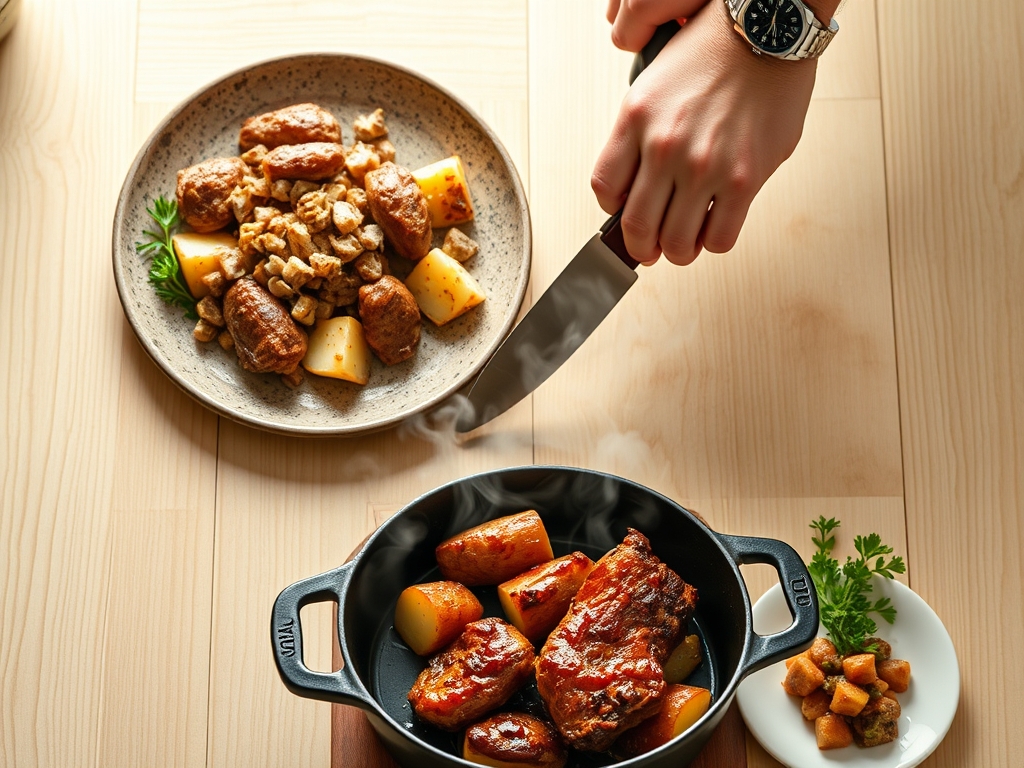
1. The Maillard Sear
Before anything touches the crockpot, pat your pork chops bone-dry with paper towels. Season aggressively with kosher salt. Heat your skillet until the oil shimmers, then sear the chops for 3 minutes per side. You are looking for a deep, mahogany crust.
Pro Tip: This is the Maillard reaction, a chemical dance between amino acids and reducing sugars. It creates hundreds of flavor compounds that a slow cooker cannot produce on its own due to the presence of steam.
2. Deglazing the Fond
Once the meat is removed, you will see brown bits stuck to the bottom of the pan. This is "fond," or liquid gold. Pour in a splash of stock or wine and use a bench scraper or wooden spoon to lift those bits.
Pro Tip: Deglazing captures the concentrated essence of the meat. This step ensures your sauce has a professional depth of flavor rather than tasting like plain canned broth.
3. Strategic Layering
Place your sliced potatoes and aromatics at the very bottom of the crockpot. These denser vegetables require more direct contact with the heating element to soften properly. Place the seared pork chops directly on top of the vegetable bed.
Pro Tip: This creates a "flavor elevator." As the pork heats, its fats render and drip down, essentially confiting the potatoes in seasoned lard.
4. The Liquid Ratio
Pour your deglazing liquid and any additional sauce components over the chops. Do not submerge the meat entirely; you only need enough liquid to reach halfway up the sides of the pork.
Pro Tip: Slow cookers are closed systems with zero evaporation. If you add too much liquid, you will end up with a bland soup rather than a concentrated sauce.
5. The Low and Slow Phase
Set your device to "Low" for 5 to 6 hours. Resist the urge to lift the lid. Every time you open the crockpot, you lose significant heat and moisture, extending the cook time by at least 15 minutes.
Pro Tip: Maintaining a steady internal temperature allows the tough connective tissues (collagen) to break down into gelatin, which provides that signature "melt-in-your-mouth" texture.
6. The Final Emulsion
Once the timer is up, remove the chops carefully with tongs. If the sauce is too thin, whisk in a small amount of butter or a slurry. Use a microplane to zest some fresh lemon over the top to brighten the heavy fats.
Pro Tip: This final hit of acid balances the richness. It also accounts for thermal carryover, as the meat will continue to cook slightly even after being removed from the heat.
The Deep Dive:
From a nutritional standpoint, these crockpot pork chop and potato recipes are powerhouses. A standard serving provides roughly 35g of protein and a healthy dose of potassium from the potatoes. To make this Keto-friendly, simply swap the potatoes for cauliflower florets and use a heavy cream base. For a Vegan twist, use thick-cut cauliflower "steaks" and vegetable bouillon, though the cooking time will drop significantly to about 2 hours.
The Fix-It:
- Tough Meat: If the pork is rubbery, it likely cooked too fast on "High." Fix this by shredding the meat and tossing it back into the sauce to rehydrate.
- Bland Sauce: This usually means a lack of acidity. Stir in a teaspoon of Dijon mustard or a squeeze of lime to wake up the flavors.
- Greasy Texture: If too much fat rendered out, use a chilled spoon to skim the oil off the surface, or stir in a tablespoon of flour to bind the fats.
For meal prep, these dishes are actually better on day two. The flavors continue to infuse as they sit. When reheating, avoid the microwave, which can turn pork into rubber. Instead, use a saucier on the stovetop over low heat, adding a tablespoon of water to loosen the sauce and maintain the original moisture levels.
The Wrap-Up:
Mastering crockpot pork chop and potato recipes is like having a secret weapon in your culinary arsenal. It proves that you do not need to spend hours standing over a stove to produce a meal that feels sophisticated and intentional. By focusing on the science of the sear and the patience of the slow cook, you have transformed basic ingredients into a high-density flavor experience. Now, set the table, pour a drink, and enjoy the fruits of your very minimal labor!
The Kitchen Table:
Can I use frozen pork chops in the crockpot?
It is not recommended for safety reasons. Frozen meat stays in the "danger zone" temperature range for too long in a slow cooker, risking bacterial growth. Always thaw your pork completely in the refrigerator before starting.
Why are my potatoes still hard after six hours?
This usually happens if the potatoes were sliced too thick or if they were not submerged in enough liquid. Always place your root vegetables at the bottom of the pot where the heat is most intense.
What is the best type of pork chop to use?
Thick-cut, bone-in rib chops are the gold standard. The bone adds flavor and prevents the meat from drying out, while the extra thickness stands up better to the long, slow braising process.
How do I prevent the sauce from curdling?
If your recipe calls for dairy, add it during the last 30 minutes of cooking. High heat for extended periods can cause the proteins in milk or cream to break and clump.