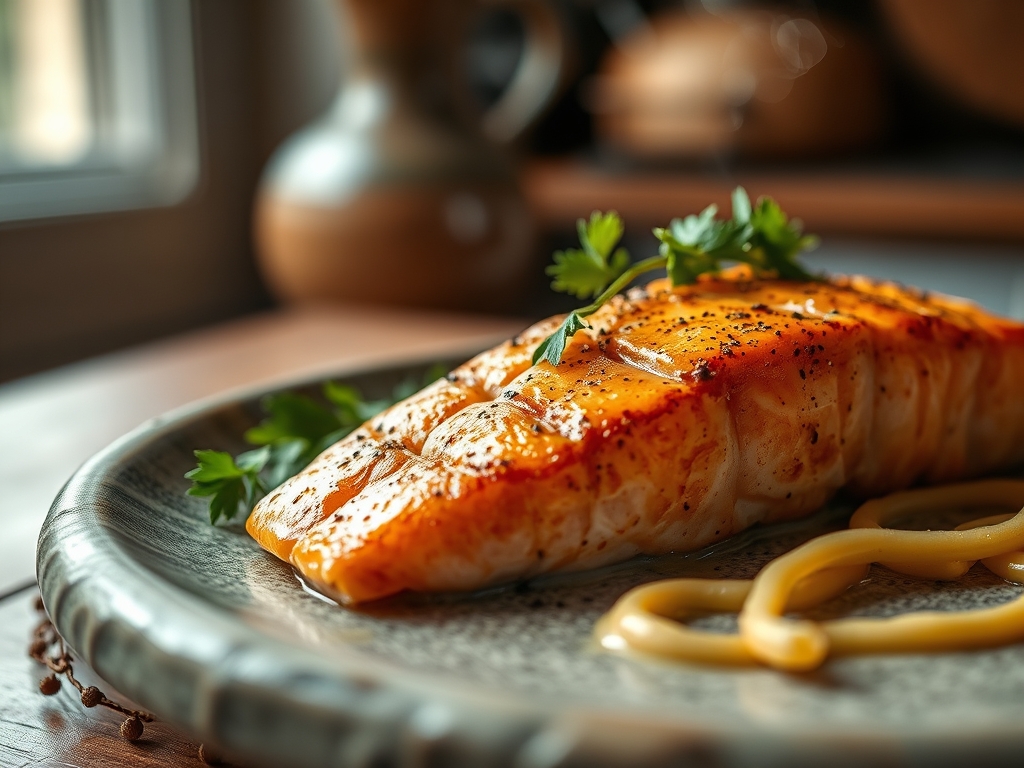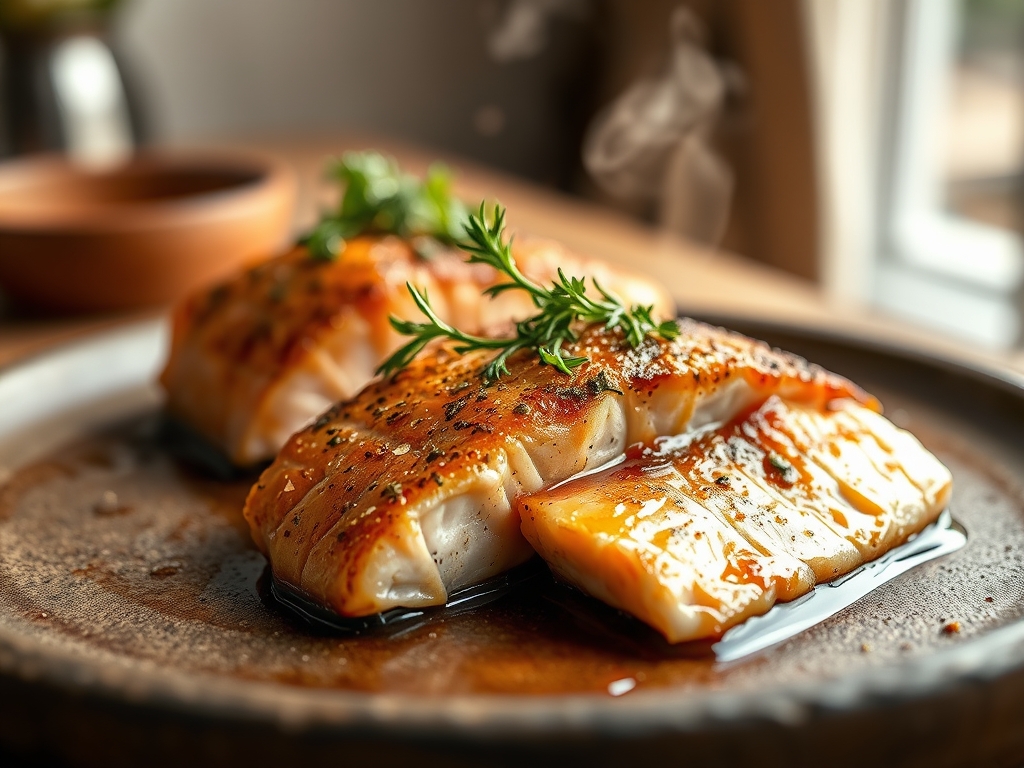
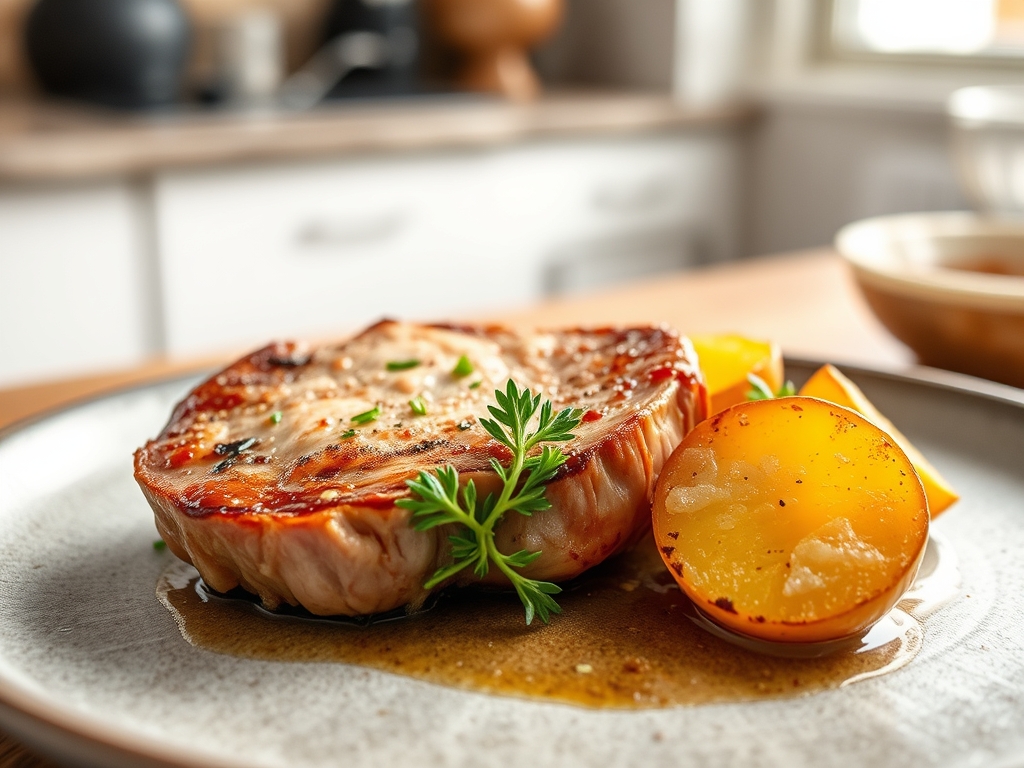
Imagine the sound of a heavy-bottomed cast iron skillet hitting the stove. It is a resonant, metallic thud that promises a serious dinner. Within minutes, the kitchen fills with the scent of rendering fat and toasted rosemary. If you are hunting for easy pork chop and potato recipes, you have found the holy grail of weeknight efficiency. This is not just a meal; it is a masterclass in texture and timing.
We are talking about bone-in chops with a crust so golden it shatters, paired with potatoes that have soaked up every drop of savory pan juice. Most people fail because they treat the meat and the starch as separate entities. Here, they are partners in a high-heat dance. We will use the science of the Maillard reaction to transform humble proteins into a piquant masterpiece. Whether you are a seasoned home cook or a total novice, these easy pork chop and potato recipes will change your Tuesday night rotation forever. Grab your favorite apron and let us get into the chemistry of the perfect sear.
The Gathers:
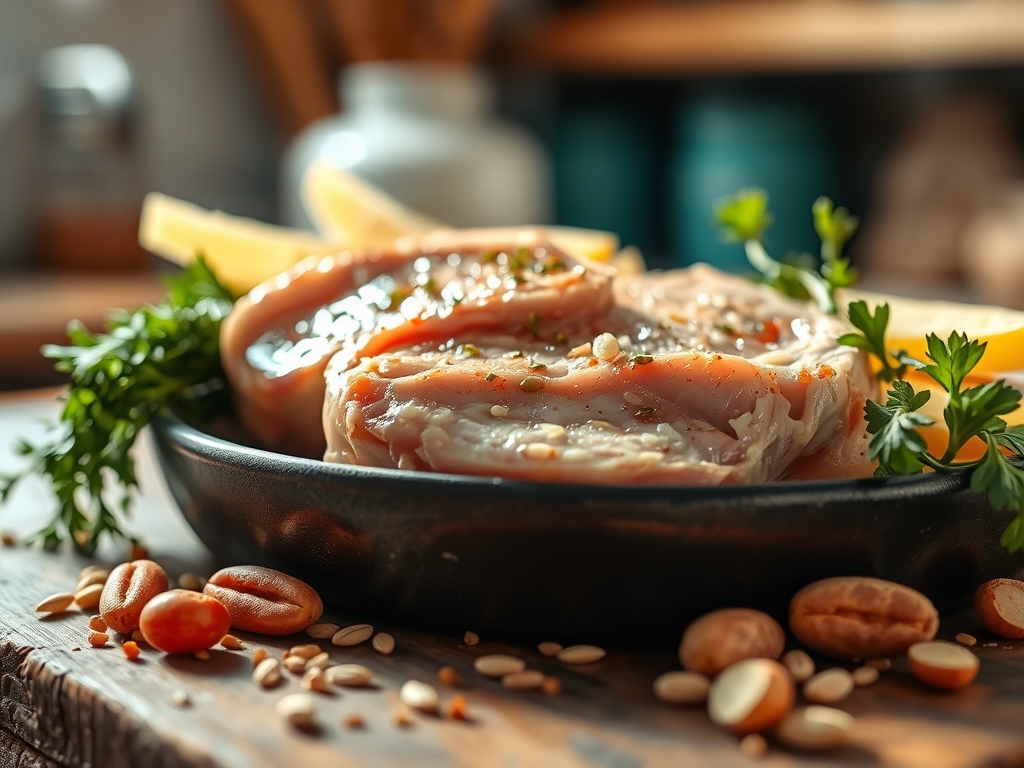
To achieve a restaurant-grade finish, your mise-en-place must be precise. Start with four thick-cut pork chops; ideally one inch thick to prevent internal desiccation during the searing process. For the potatoes, reach for Yukon Golds. Their high starch content and waxy skin allow them to maintain structural integrity while developing a creamy interior. You will also need high-smoke-point fats like avocado oil or clarified butter. Do not use extra virgin olive oil for the initial sear, as its low smoke point will result in a bitter, acrid flavor profile.
Essential aromatics include whole garlic cloves, fresh thyme sprigs, and a splash of acidic liquid like dry white wine or apple cider vinegar to deglaze the pan. Use a digital scale to ensure your potato wedges are uniform in mass, which guarantees they cook at the same rate. A microplane is indispensable here for grating fresh zest or garlic directly into your finishing butter.
Smart Substitutions:
If you are out of Yukon Golds, Red Bliss potatoes work beautifully for a firmer bite. For those avoiding pork, thick-cut cauliflower steaks provide a similar surface area for browning. If you lack fresh herbs, use a high-quality dried herbes de Provence, but reduce the volume by half to account for the concentrated volatile oils in dried spices.
The Clock
The beauty of these easy pork chop and potato recipes lies in the "Chef's Flow." Total active prep time is exactly 15 minutes, with a cook time of 20 to 25 minutes. The secret is the "staggered start." You will begin by par-cooking the potatoes to jumpstart their starch gelatinization, followed by the high-heat sear of the pork.
The flow is logical: prep the vegetables, season the meat, sear the protein, and finish everything together in a hot oven. This method ensures the pork reaches its target temperature of 145 degrees Fahrenheit just as the potatoes achieve a glass-like crispness on the exterior.
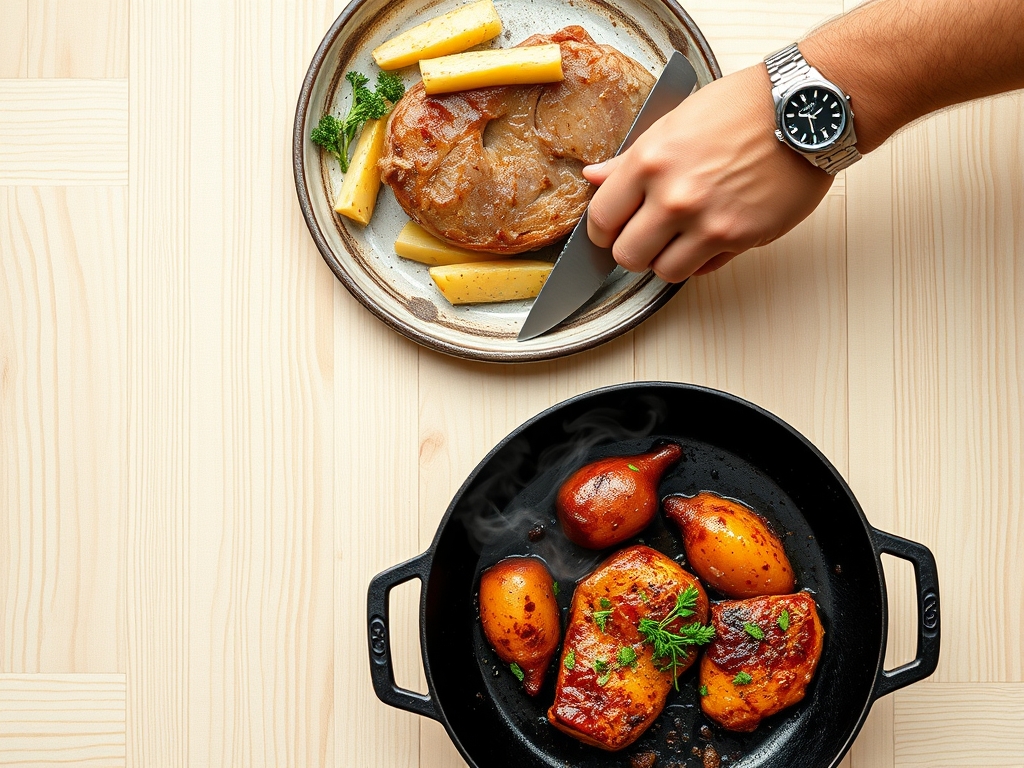
The Masterclass
1. Temper and Dry the Protein
Remove your pork chops from the refrigerator 20 minutes before cooking. Use a paper towel to aggressively pat the surface dry. Moisture is the enemy of a good sear; any surface water will turn to steam and prevent the Maillard reaction.
Pro Tip: This process is called thermal equilibrium. By bringing the meat closer to room temperature, you ensure the center cooks evenly without the exterior becoming overdone and fibrous.
2. The Initial Potato Par-Sear
Heat your heavy-bottomed skillet over medium-high heat. Add your oil and toss in the potato wedges. Sear them for about 5 to 7 minutes until the edges are translucent and the bottoms are golden.
Pro Tip: This utilizes enzymatic browning and starch conversion. By searing the potatoes first, you create a protective crust that prevents them from turning into mush when the meat juices are released later.
3. Creating the Fond
Push the potatoes to the perimeter of the pan and place the pork chops in the center. Do not crowd the pan; if necessary, use a second skillet. Let them sit undisturbed for 4 minutes. Use tongs to lift a corner and check for a deep mahogany color.
Pro Tip: This step creates fond, those brown bits stuck to the pan. Fond is a concentrated explosion of flavor created by the breakdown of amino acids and reducing sugars.
4. The Butter Baste and Infusion
Flip the chops and add a knob of cold butter, smashed garlic, and thyme to the pan. As the butter foams, use a large spoon to continuously pour the hot, flavored fat over the meat.
Pro Tip: This is known as arrosage. The hot fat acts as a heat transfer medium, cooking the top of the meat while simultaneously infusing it with the aromatic compounds of the garlic and herbs.
5. The Oven Finish and Rest
Transfer the entire skillet into a 400-degree oven for 5 to 8 minutes. Once the internal temperature hits 140 degrees, remove the pan. Move the chops to a warm plate and let them rest for at least 5 minutes.
Pro Tip: This accounts for thermal carryover. The internal temperature will rise about 5 degrees while resting. Resting also allows the muscle fibers to relax and reabsorb the viscous juices, ensuring every bite is succulent.
The Deep Dive
Macro Nutrition:
A standard serving of this dish provides approximately 35 grams of protein, 28 grams of complex carbohydrates, and 18 grams of healthy fats. It is a balanced "power plate" that provides sustained energy without a sugar crash.
Dietary Swaps:
For a Keto version, swap the potatoes for radishes or turnips; they mimic the texture of potatoes when roasted but have a fraction of the net carbs. For a Vegan alternative, use thick slices of king oyster mushrooms and vegan butter. This recipe is naturally Gluten-Free, provided your seasonings do not contain hidden starches.
The Fix-It:
- Tough Meat: Usually caused by overcooking. Use a digital thermometer to pull the meat at 140 degrees.
- Soggy Potatoes: This happens if the pan is crowded. Use a larger skillet or cook in batches to allow steam to escape.
- Burnt Garlic: If the garlic turns black, it becomes bitter. Add your aromatics only during the final few minutes of cooking.
Meal Prep Science:
To reheat, avoid the microwave as it turns pork into rubber. Instead, use a saucier or small pan with a tablespoon of water and a lid. Reheat over low heat to create a gentle steam environment that restores moisture to the protein fibers.
The Wrap-Up
Mastering easy pork chop and potato recipes is about understanding the relationship between heat and moisture. When you respect the sear and honor the rest, you turn basic ingredients into a culinary event. This skillet method is efficient, flavorful, and scientifically sound. Now that you have the blueprint, get into the kitchen and make some magic happen. Your dinner table is waiting for its upgrade.
The Kitchen Table
How do I keep my pork chops from drying out?
Use a digital thermometer to pull the meat at 140 degrees Fahrenheit. Let it rest for five minutes; carryover cooking will bring it to the safe 145-degree mark while the juices redistribute through the muscle fibers for maximum tenderness.
What is the best potato for a skillet meal?
Yukon Gold potatoes are the superior choice. Their medium starch content provides a creamy interior texture, while their thin skins crisp up beautifully in the rendered pork fat without the need for peeling or extensive prep work.
Can I make this recipe with boneless pork chops?
Yes, but reduce the oven time. Boneless chops lack the insulation provided by the bone and cook significantly faster. Monitor the internal temperature closely to avoid desiccation, as boneless cuts can turn dry and tough very quickly under high heat.
Why are my potatoes sticking to the pan?
This usually happens if the pan wasn't hot enough before adding the oil or if you try to flip them too early. Wait for the starch to form a golden crust; the potatoes will naturally release from the surface once seared.