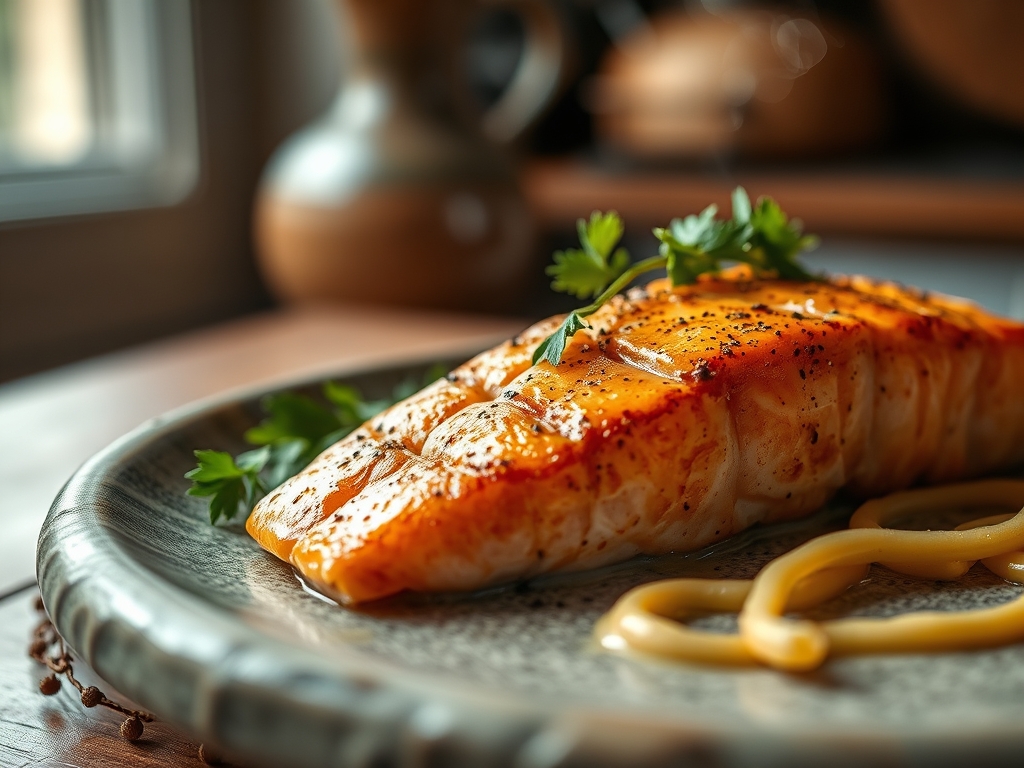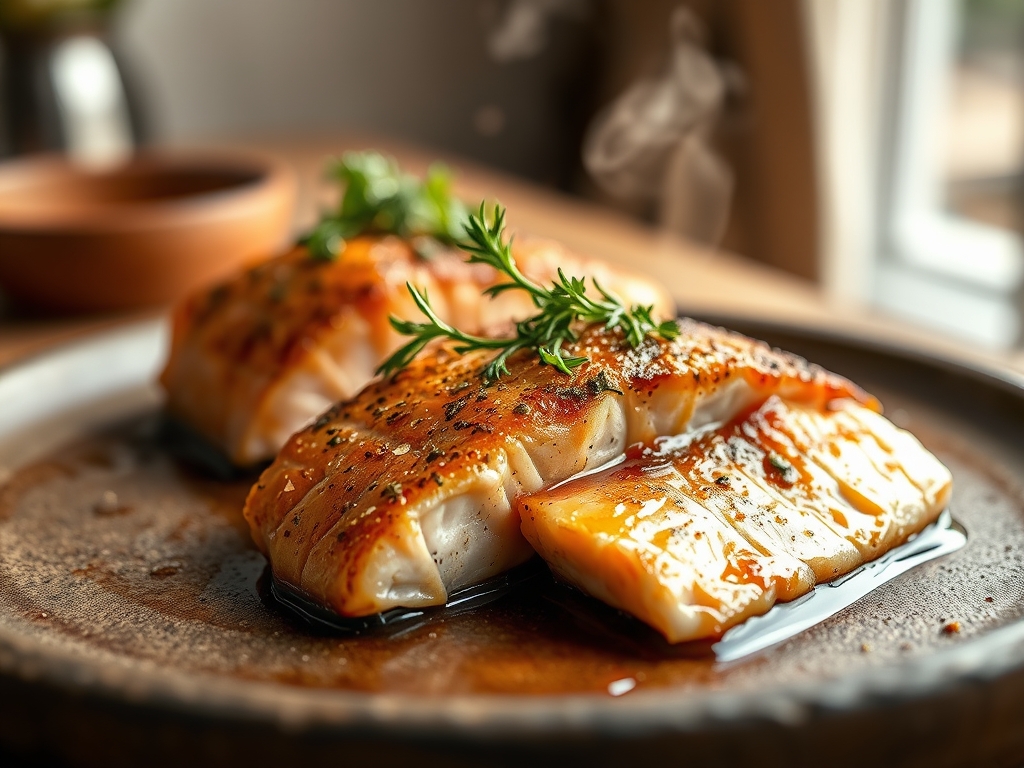
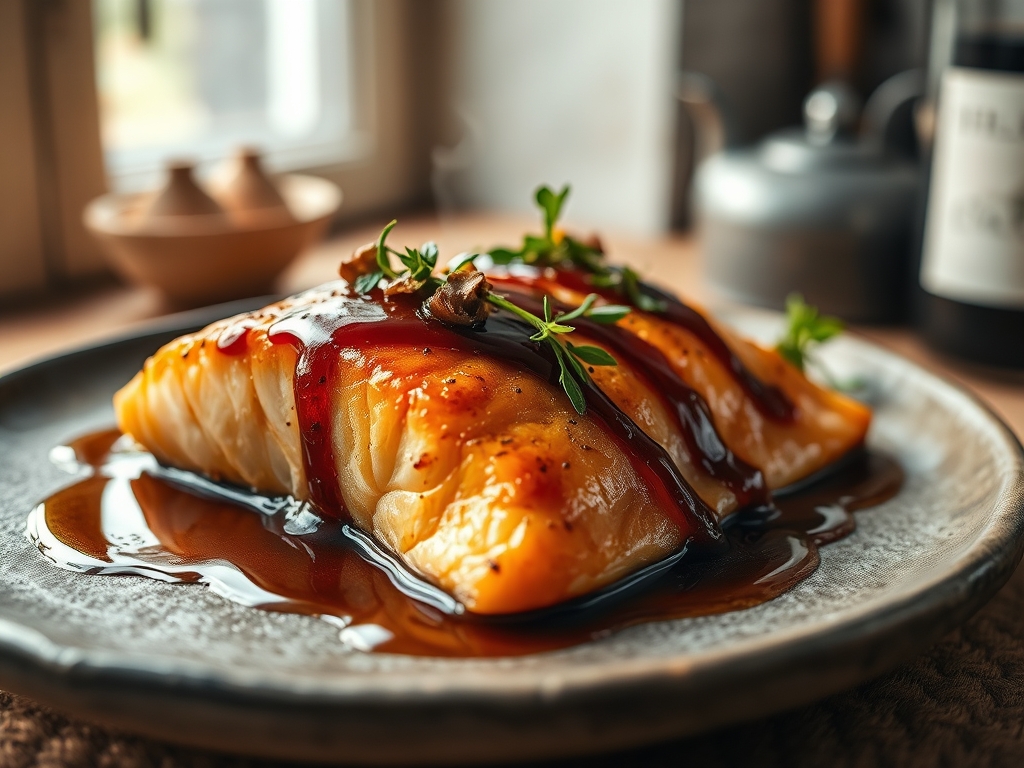
Imagine a kitchen filled with the scent of caramelized sugars and sharp acidity. When you master salmon recipes with balsamic vinegar and honey, you are not just cooking; you are conducting a symphony of molecular reactions. The honey provides the viscous body while the vinegar offers a piquant edge that cuts through the fatty richness of the fish.
The magic happens when the heat hits the pan. You are looking for that perfect intersection of the Maillard reaction and sugar caramelization. It is a delicate dance between the amino acids in the salmon and the natural sugars in your glaze. If you do it right, you get a shatteringly crisp exterior and a succulent, translucent center. This is the ultimate weeknight flex. It is fast enough for a Tuesday but sophisticated enough to serve to your most judgmental foodie friends. We are going to dive deep into the chemistry of the perfect sear and the physics of a stable emulsion so you never have to settle for dry, lackluster fish again.
The Gathers:
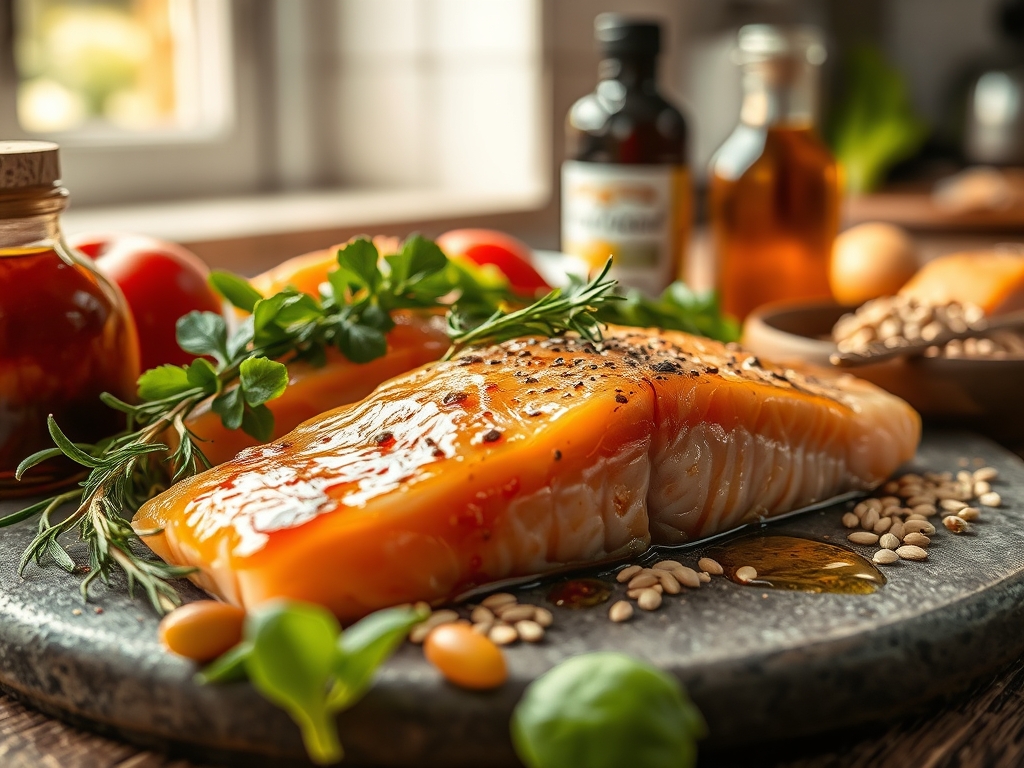
To achieve a restaurant-grade finish, your mise-en-place must be precise. Reach for your digital scale to ensure your ratios are exact. You will need high-quality balsamic vinegar; look for one with a syrupy consistency, often labeled as Aceto Balsamico di Modena. For the honey, a raw wildflower variety provides a complex floral profile that elevates the glaze.
Your salmon fillets should be center-cut for uniform thickness. Use a bench scraper to clear your workstation and keep your aromatics organized. You will need fresh garlic, which we will process with a microplane to create a paste; this ensures the flavor infuses the oil without burning.
Smart Substitutions:
If you are out of balsamic, a high-quality sherry vinegar mixed with a touch of molasses mimics that deep, fermented complexity. For those avoiding honey, maple syrup offers a similar viscosity but brings a woodier, autumnal note to the profile. If you find yourself with skin-on fillets, ensure the skin is bone-dry to allow the collagen to crisp rather than steam.
The Clock
Efficiency in the kitchen is about "Chef's Flow." This is the psychological state where your movements are deliberate and sequential.
Prep Time: 10 Minutes. This includes patting the fish dry (non-negotiable for crust development) and whisking your glaze in a small saucier.
Cook Time: 8 to 12 Minutes. This varies based on the thickness of your fillets and your desired level of doneness.
Total Time: 22 Minutes.
The flow starts with tempering your fish. Never take salmon straight from the fridge to the pan. Let it sit at room temperature for fifteen minutes. This prevents the muscle fibers from seizing up when they hit the heat, which ensures a more tender flake. While the fish tempers, you prepare the glaze. By the time your heavy-bottomed skillet is shimmering with oil, your glaze is ready to be deployed at the exact moment of deglazing.
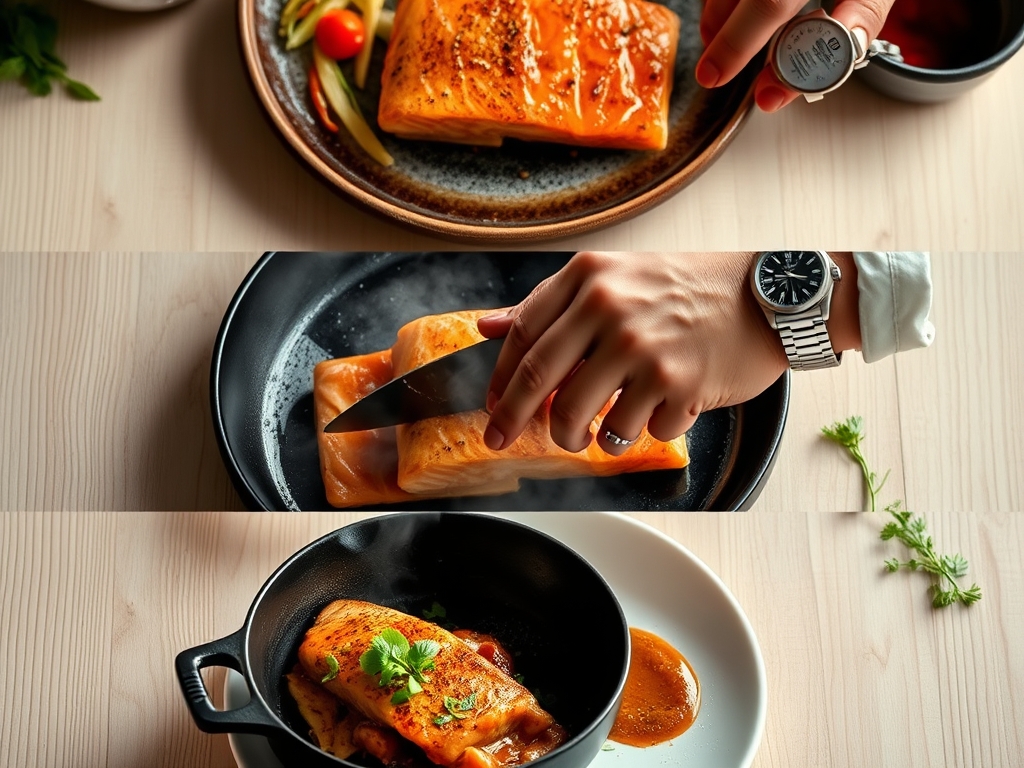
The Masterclass
1. Prep the Protein
Start by using paper towels to remove every trace of surface moisture from the salmon. Season aggressively with kosher salt.
Pro Tip: This process is called surface dehydration. Salt draws out moisture through osmosis; by wiping it away, you ensure the energy of the pan goes into browning the fish rather than evaporating water.
2. The Initial Sear
Heat your heavy-bottomed skillet over medium-high heat. Add a high-smoke-point oil like avocado oil. Place the salmon flesh-side down.
Pro Tip: Do not move the fish for at least three minutes. This allows the proteins to undergo the Maillard reaction, creating a complex flavor profile and allowing the fish to naturally release from the pan surface.
3. Flip and Deglaze
Use tongs or a fish spatula to gently flip the fillets. Immediately pour your balsamic and honey mixture into the hot pan.
Pro Tip: This is the deglazing phase. The liquid lifts the "fond" (the browned bits) from the bottom of the pan, incorporating those concentrated flavors back into your glaze.
4. Basting for Gloss
As the glaze bubbles and reduces, use a spoon to continuously pour the liquid over the salmon.
Pro Tip: This is known as "arroser." The hot glaze cooks the top of the fish gently while the honey begins to undergo caramelization, creating a lacquered, professional finish.
5. Checking Internal Temperature
Use an instant-read thermometer to check the thickest part of the fillet. Aim for 125 degrees Fahrenheit for medium-rare.
Pro Tip: Account for thermal carryover. The internal temperature will continue to rise by 5 degrees after you remove the fish from the heat as the energy moves from the exterior to the core.
6. The Final Rest
Move the salmon to a warm plate and let it rest for three minutes before serving.
Pro Tip: Resting allows the muscle fibers to relax and reabsorb the juices. If you cut in too early, the moisture will leak out, leaving the fish dry.
The Deep Dive
Macro Nutrition:
A standard 6-ounce serving of this balsamic honey salmon provides approximately 340 calories. You are looking at 34g of high-quality protein and 18g of healthy fats, primarily Omega-3 fatty acids. The glaze adds about 12g of carbohydrates, mostly from the natural sugars in the honey.
Dietary Swaps:
For a Keto-friendly version, swap the honey for a monk fruit-based syrup and reduce the balsamic slightly, as it contains natural sugars. For a Vegan alternative, this glaze works beautifully on "steaks" of roasted cauliflower or firm tofu. If you are Gluten-Free, ensure your balsamic is high-quality, as some cheaper brands use caramel color or thickeners that contain gluten.
The Fix-It:
- The Glaze is Too Thin: Continue to simmer the sauce in the saucier after removing the fish. The water will evaporate, concentrating the sugars into a thick syrup.
- The Garlic Burnt: If your garlic turned bitter and black, you likely added it too early. Next time, add the garlic paste only when you add the liquid components to buffer the heat.
- The Fish Stuck to the Pan: This usually means the pan wasn't hot enough or you tried to flip it too soon. Wait for the protein to "self-release."
Meal Prep:
To reheat salmon without it turning into rubber, avoid the microwave. Use a low-heat oven (275 degrees) with a splash of water and a tight foil cover. This creates a steam chamber that gently rehydrates the proteins.
The Wrap-Up
Mastering salmon recipes with balsamic vinegar and honey is a foundational skill that will serve you for a lifetime. By understanding the science of the sear and the chemistry of the reduction, you have moved beyond following a recipe to truly understanding the "why" behind the flavor. Grab your heavy-bottomed skillet, trust your thermometer, and enjoy the most sophisticated meal you have ever made in under thirty minutes. Your kitchen is now a laboratory of deliciousness.
The Kitchen Table
How do I prevent the honey from burning in the pan?
Add the honey-based glaze only during the final minutes of cooking. The high sugar content burns quickly; by deglazing the pan later, you control the temperature and ensure the honey caramelizes without carbonizing or turning bitter.
Can I use frozen salmon for this recipe?
Yes, but ensure it is completely thawed and patted dry. Frozen fish often releases more albumin (the white protein). Thawing it slowly in the fridge helps maintain the cellular structure for a better texture after searing.
What is the best way to store leftover glazed salmon?
Store leftovers in an airtight glass container for up to two days. Keep the extra glaze in a separate small jar. When reheating, add the glaze last to refresh the flavor and provide moisture to the fish.
Why does my balsamic glaze taste too acidic?
The acidity level depends on the quality of your vinegar. If it is too sharp, add a tiny pinch of baking soda to neutralize the acid or increase the honey slightly to balance the pH level on your palate.