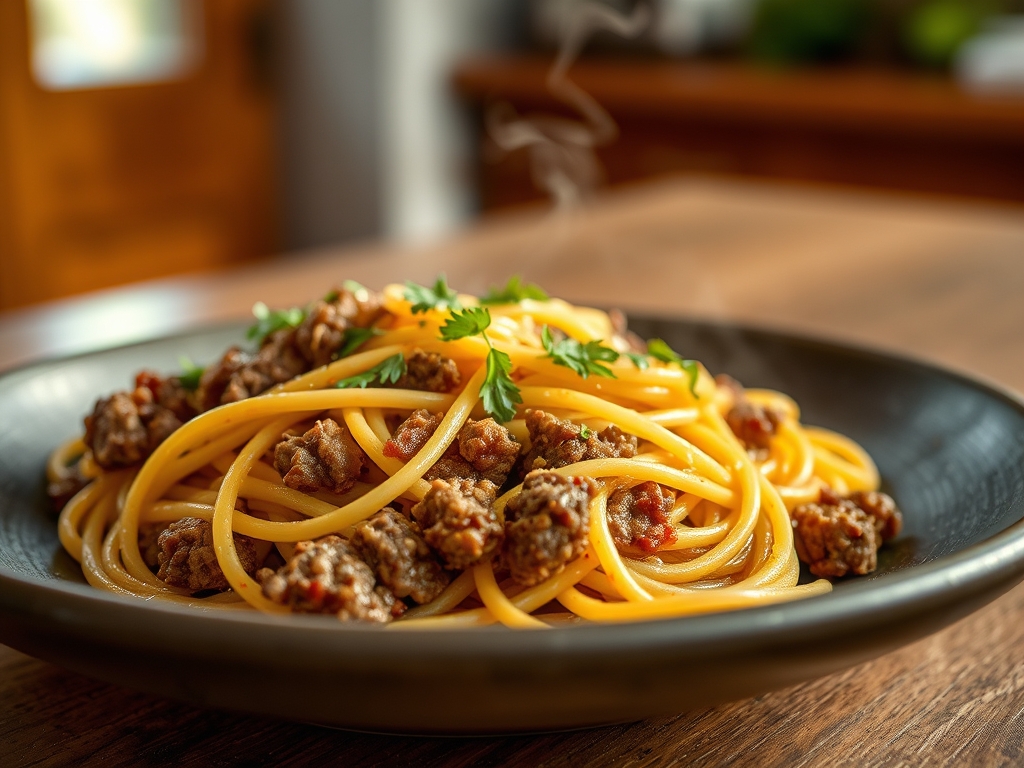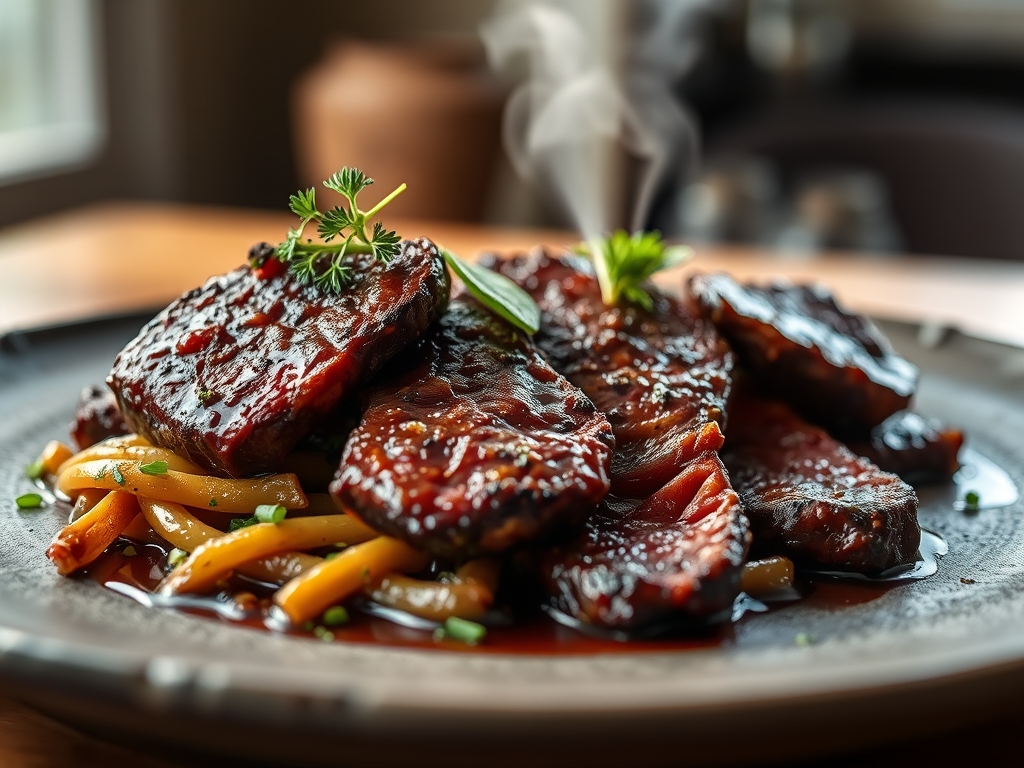
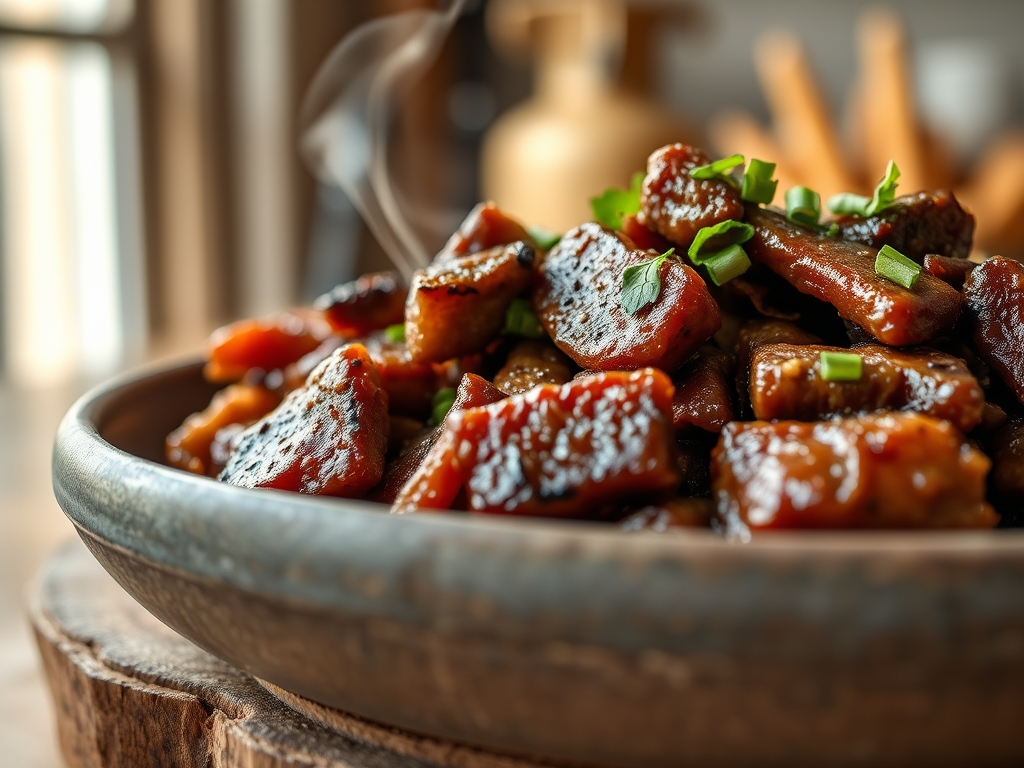
Close your eyes and listen for that distinctive, aggressive hiss as cold beef hits a screaming hot wok. That sound is the overture to one of the most iconic Chinese black pepper beef recipes in the culinary canon. It is a dish defined by contrast; the velvety, almost buttery texture of the meat set against the sharp, piquant bite of freshly cracked peppercorns. When you master this, you are not just making dinner. You are orchestrating a complex chemical reaction involving high-heat searing and the delicate emulsification of a glossy, obsidian sauce. The aroma is intoxicating, filling your kitchen with notes of toasted spice and caramelized soy. We are chasing that elusive "wok hei," or the breath of the wok, which provides a smoky complexity that elevates a simple stir fry into a masterpiece of Cantonese-style cooking. Whether you are a seasoned home cook or a curious beginner, the secret lies in the precision of your prep and the speed of your execution. Let us dive into the molecular magic that makes this dish a perennial favorite at the best bistros in Hong Kong and beyond.
The Gathers:
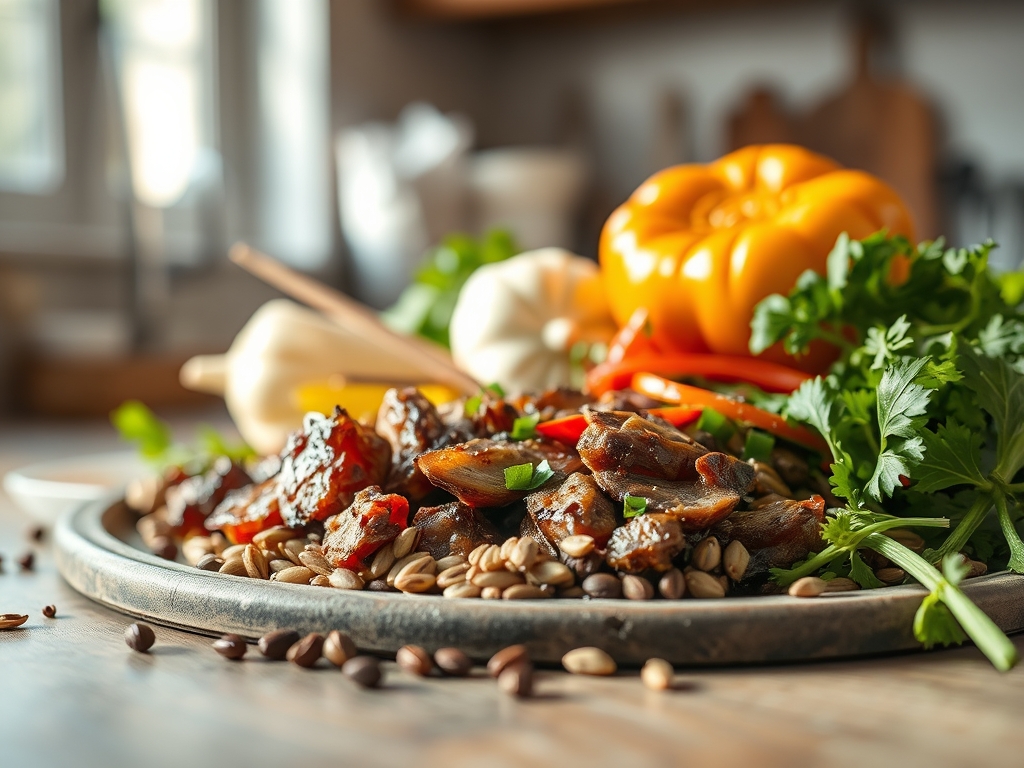
To achieve a professional result, your mise-en-place must be impeccable. Start with the protein. You want a cut with significant intramuscular fat, such as ribeye or flank steak, sliced against the grain to shorten the muscle fibers. For the aromatics, you will need fresh garlic and ginger, ideally processed with a microplane to create a fine paste that integrates seamlessly into the sauce. The peppercorns are the star; do not use pre-ground dust. You need whole Tellicherry peppercorns toasted in a dry heavy-bottomed skillet and then crushed with a mortar and pestle to ensure the volatile oils are released just before cooking.
The sauce requires a base of oyster sauce for viscosity, dark soy for color, and light soy for salinity. A splash of Shaoxing wine is essential to deglaze the pan and add a fermented depth. For smart substitutions, if you are avoiding alcohol, a mixture of apple juice and white vinegar can mimic the acidity. If you cannot find fermented black beans, a teaspoon of miso paste provides a similar umami punch. Use a digital scale to measure your cornstarch for the velvetizing marinade; precision here ensures the beef remains tender without becoming gummy. Finally, have your bell peppers and onions sliced into uniform batons to ensure they cook at the same rate.
The Clock
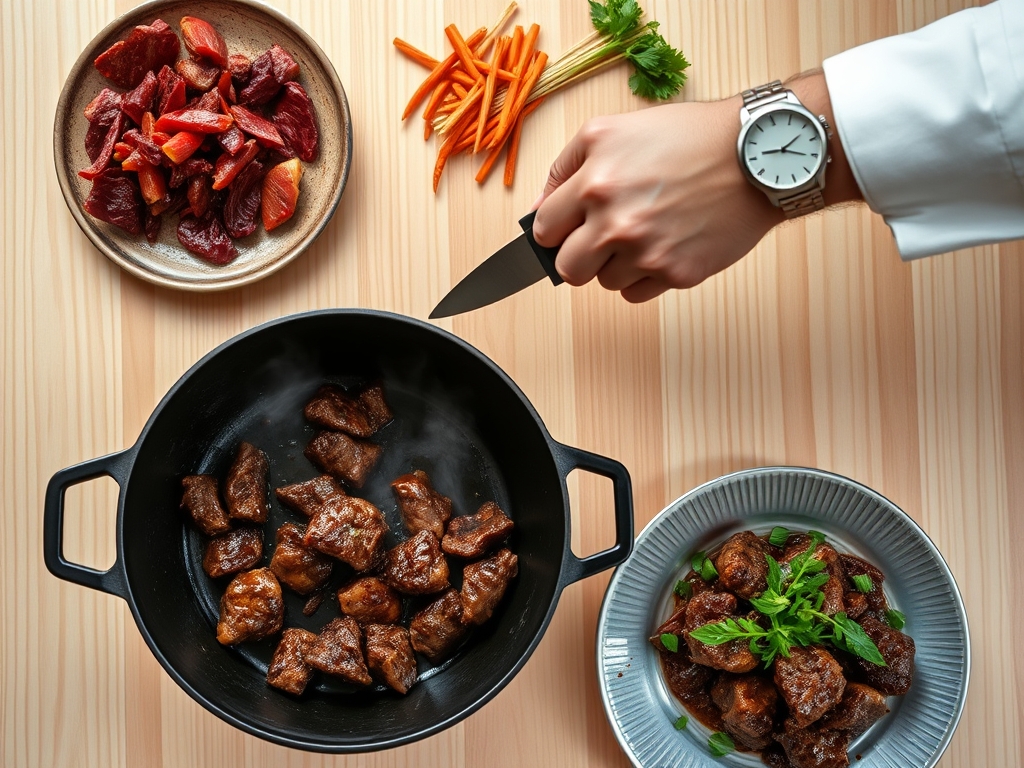
The "Chef's Flow" for this dish is skewed heavily toward preparation. You will spend approximately 20 minutes on the "cold prep," which includes slicing, marinating, and whisking the sauce. The beef requires at least 30 minutes of marinating time to allow the alkaline components to break down the proteins. However, the "hot prep" or actual cooking time is a lightning-fast 5 to 7 minutes. This disparity is why professional kitchens use a bench scraper to clear their boards quickly; every second counts once the oil reaches its smoke point. You are looking at a total commitment of 55 minutes, but the active cooking is a high-intensity sprint.
The Masterclass
1. The Velvetizing Technique
Place your sliced beef in a bowl and massage it with cornstarch, soy sauce, and a pinch of baking soda. This process, known as velvetizing, creates a protective barrier that prevents the meat from toughening under high heat.
Pro Tip: The baking soda raises the pH level on the surface of the meat, which physically hinders the proteins from bonding too tightly. This ensures a tender, "slippery" texture characteristic of high-end Chinese black pepper beef recipes.
2. Toasting and Crushing the Peppercorns
Place whole peppercorns in a dry pan over medium heat until they become fragrant and start to "jump." Immediately transfer them to a mortar and pestle and crush them into a coarse meal.
Pro Tip: Heating the peppercorns triggers the release of piperine and essential oils. By crushing them fresh, you prevent the oxidation that turns pre-ground pepper bitter and flat.
3. The High-Heat Sear
Heat your wok or heavy skillet until a drop of water evaporates instantly. Add a high-smoke-point oil (like peanut or grapeseed) and swirl to coat. Add the beef in a single layer, resisting the urge to stir for the first 60 seconds.
Pro Tip: This stage facilitates the Maillard reaction. By leaving the meat undisturbed, you allow the amino acids and reducing sugars to create a savory, browned crust that provides the base flavor for the entire dish.
4. Aerating the Aromatics
Push the beef to the sides of the wok and drop the garlic, ginger, and onion into the center. Use tongs or a wok spatula to toss them rapidly.
Pro Tip: Moving the aromatics constantly allows them to infuse the oil without burning. This rapid movement aerates the ingredients, ensuring the sulfurous compounds in the garlic mellow into a sweet, nutty aroma.
5. The Sauce Emulsification
Pour your pre-mixed sauce around the edges of the wok so it slides down into the center, sizzling as it goes. Toss everything together until the sauce thickens and coats every strip of beef.
Pro Tip: The cornstarch in the marinade and the sauce acts as an emulsifier. As the liquid heats, the starch granules swell and trap water, creating a viscous glaze that clings to the meat rather than pooling at the bottom of the bowl.
The Deep Dive
From a macro perspective, this dish is a protein powerhouse. A standard serving provides roughly 35 grams of protein and 12 grams of fat. To make this Keto-friendly, swap the cornstarch for xanthan gum and replace the sugar in the sauce with a monk fruit sweetener. For a Vegan version, use "beef-style" soy curls or king oyster mushrooms, which mimic the fibrous texture of steak beautifully. If you are Gluten-Free, ensure you use Tamari instead of traditional soy sauce.
The Fix-It:
- Tough Meat: If the beef is chewy, you likely cut with the grain or skipped the baking soda. Fix it by slicing thinner next time.
- Thin Sauce: If the sauce is watery, your wok wasn't hot enough. Whisk a teaspoon of cornstarch with cold water and stir it in at the end to tighten the glaze.
- Too Spicy: If the pepper is overwhelming, add a squeeze of lime juice or a teaspoon of honey to balance the heat with acidity and sweetness.
For Meal Prep, store the beef and sauce separately from your rice. When reheating, use a saucier over low heat and add a tablespoon of water. This prevents the proteins from overcooking and helps the sauce "relax" back into its original silken state. Avoid the microwave if possible, as it can make the beef rubbery through uneven thermal carryover.
The Wrap-Up
Mastering Chinese black pepper beef recipes is a rite of passage for any home chef looking to capture the energy of a professional kitchen. It is a dish that rewards bravery; you have to be willing to crank the heat and move with purpose. By understanding the science of velvetizing and the importance of fresh-cracked spice, you have moved beyond following a recipe into the realm of true culinary technique. Now, grab your wok, prep your station, and get ready to serve a meal that is as bold, smart, and sophisticated as you are.
The Kitchen Table
What is the best cut of beef for this recipe?
Flank steak or ribeye are the gold standards. Flank is lean but tender when sliced against the grain; ribeye offers more fat for a richer, more luxurious mouthfeel. Both respond exceptionally well to the velvetizing process.
Can I use pre-ground black pepper?
You can, but the flavor will be significantly muted. Freshly toasted and cracked peppercorns contain volatile oils that provide a floral, spicy heat that pre-ground pepper lacks. For the best results, always grind your own.
How do I prevent the beef from sticking to the wok?
Ensure your wok is "seasoned" or use a well-heated heavy skillet. The "long yau" technique involves heating the wok until smoking, adding cold oil, and then discarding it before adding fresh oil to create a non-stick surface.
Why is my stir fry soggy instead of crisp?
This usually happens from overcrowding the pan. When too much cold meat is added at once, the temperature drops and the beef steams in its own juices. Cook in small batches to maintain high heat and achieve a proper sear.