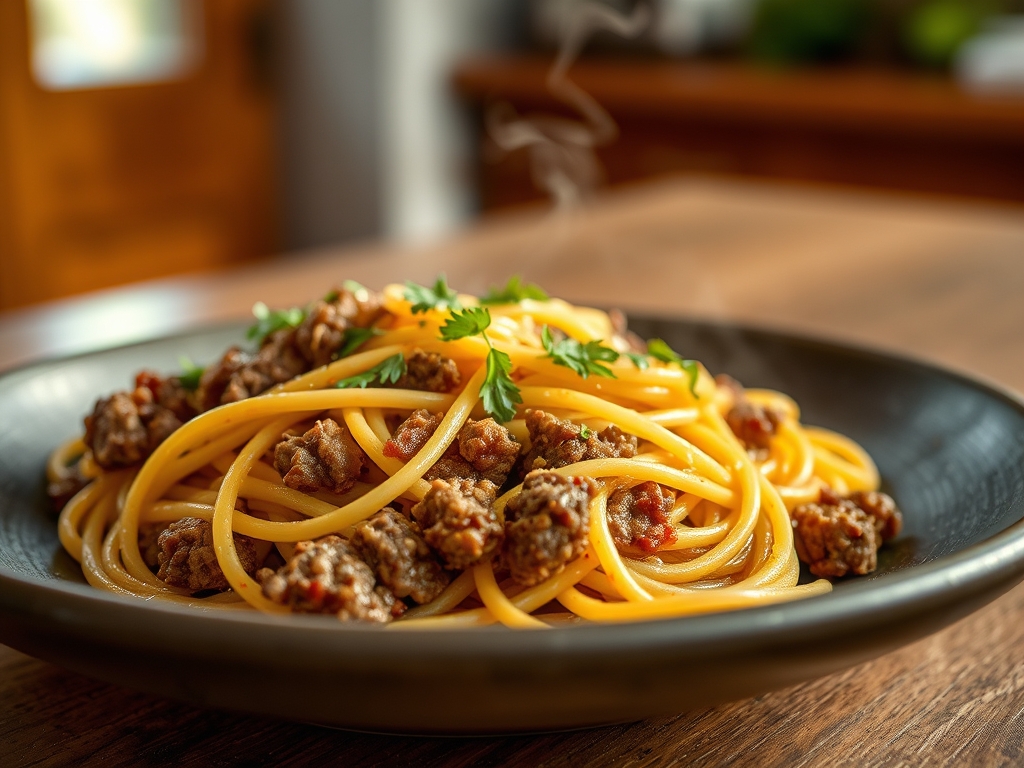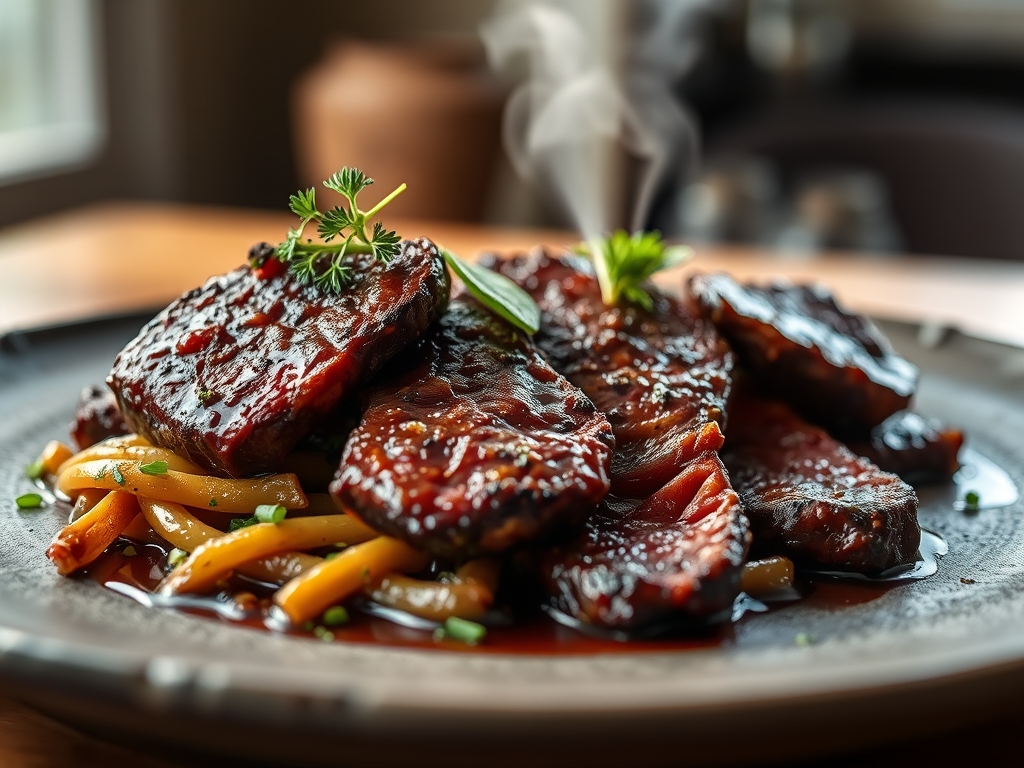
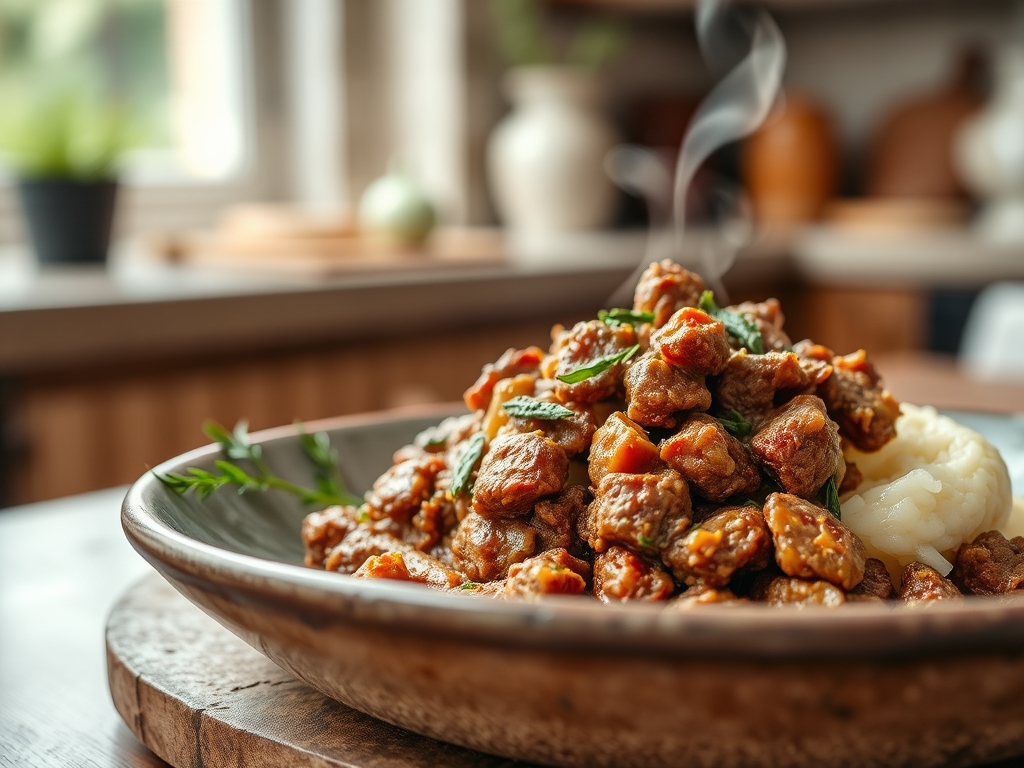
Imagine the scent of slow-simmered garlic and rendered fat greeting you at the door after a grueling workday. That heavy-lidded crock pot on your counter is more than a convenience; it is a vessel for chemical transformation. Finding reliable low carb ground beef recipes crock pot style means mastering the art of the slow braise without the sugar-laden thickeners that usually plague slow cooker meals. We are trading cornstarch for reduction and flour for fiber.
This guide is your roadmap to six distinct flavor profiles that utilize the humblest cut of meat to create restaurant-quality results. Whether you are craving a piquant Thai basil beef or a deeply savory mushroom stroganoff, the science remains the same. We are focusing on high-density nutrition and low-glycemic impact. By the end of this masterclass, you will understand how to manipulate heat and acidity to turn standard ground chuck into a silky, decadent masterpiece that fits perfectly within your macros. Let us get your kitchen smelling like a five-star bistro.
The Gathers:
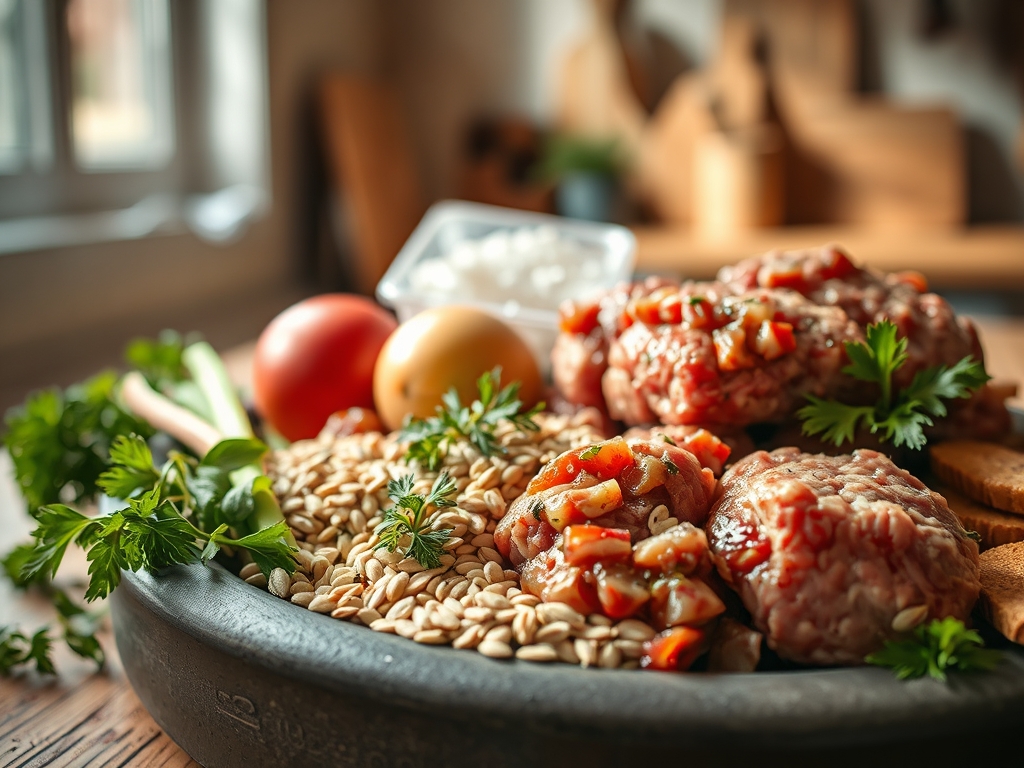
Before you even touch a dial, your mise-en-place must be impeccable. For these low carb ground beef recipes crock pot favorites, we start with 80/20 ground beef. This ratio is vital because the 20 percent fat content provides the lipids necessary to carry fat-soluble vitamins and flavor compounds throughout the long cooking cycle. You will need a heavy-bottomed skillet for the initial sear; do not skip this, as the Maillard reaction cannot occur in the moist environment of a slow cooker.
Your aromatics should include fresh garlic, shallots, and ginger. Use a microplane to zest your citrus and grate your aromatics into a fine paste; this increases the surface area and ensures the flavors infuse the meat deeply. For liquids, keep a high-quality bone broth and dry red wine on hand to deglaze your pan.
Smart Substitutions are your secret weapon for keeping things low carb. Instead of potatoes, we use cauliflower florets or radishes, which lose their peppery bite and mimic the texture of a red potato when braised. Swap traditional pasta for shirataki noodles or ribbons of zucchini added in the final thirty minutes. For thickeners, reach for xanthan gum or a dollop of full-fat cream cheese to create a viscous sauce without the insulin spike of a roux.
The Clock
Efficiency in the kitchen is about the Chef's Flow. Your active prep time for these recipes is roughly 20 minutes. This includes the "Hard Sear" phase where you develop color and flavor. Once the meat and aromatics are transferred to the crock pot, the "Passive Phase" takes over.
Most ground beef dishes require 4 to 6 hours on Low or 2 to 3 hours on High. However, the Low setting is superior for collagen breakdown and flavor melding. If you are using a digital scale to portion your meals, do so after the cooking process is complete to account for moisture loss. Always allow for a 10-minute "Resting Phase" once the heat is off; this allows the proteins to reabsorb some of the expressed juices, ensuring your beef remains succulent rather than grainy.
The Masterclass
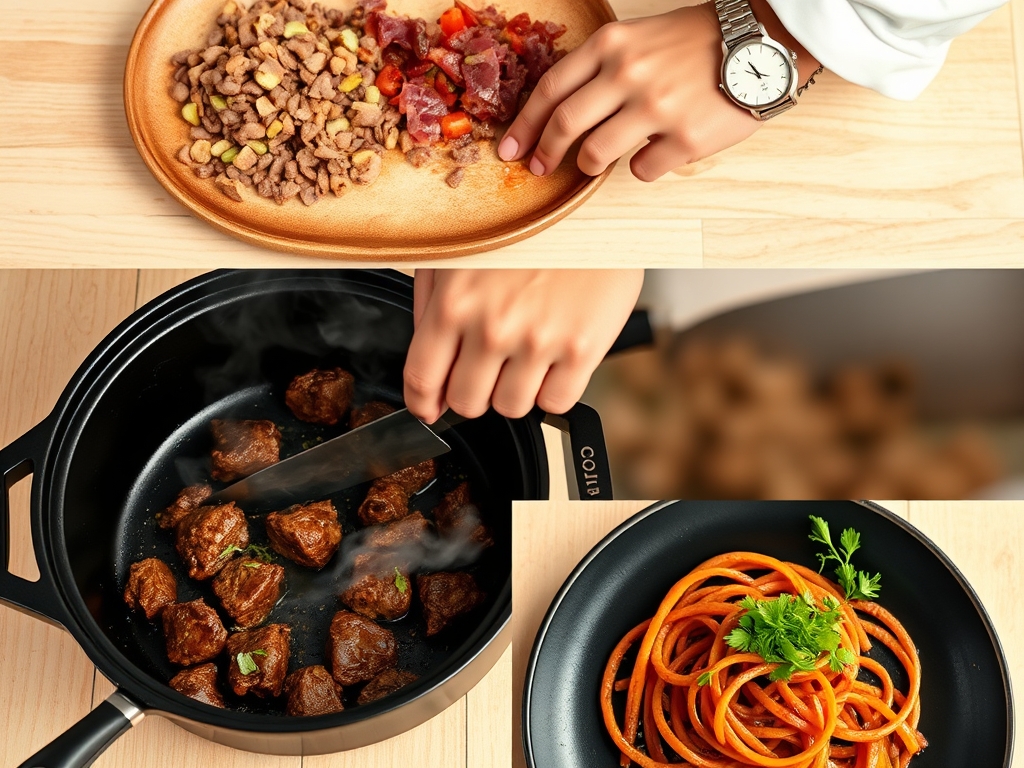
1. The Maillard Foundation
Start by heating your heavy-bottomed skillet until it is wisping smoke. Add the beef in batches to avoid overcrowding, which causes the meat to steam rather than sear. Use a sturdy bench scraper or wooden spoon to break the meat into uniform morsels.
Pro Tip: This step triggers the Maillard reaction, a chemical reaction between amino acids and reducing sugars that creates hundreds of different flavor compounds. Without this, your slow cooker beef will taste "boiled" and one-dimensional.
2. Deglazing the Essence
Once the beef is browned and removed, you will see brown bits stuck to the bottom of the pan. This is "fond." Pour in a splash of beef stock or dry wine and scrape the bottom vigorously.
Pro Tip: Deglazing recovers the concentrated proteins and caramelized sugars. This liquid is a flavor bomb that acts as the primary seasoning base for your slow cooker liquid.
3. Layering the Aromatics
Add your onions, celery, and peppers to the slow cooker first, followed by the seared beef. Place your hard spices, like bay leaves or cinnamon sticks, in the center of the pot.
Pro Tip: Placing vegetables at the bottom ensures they are closest to the heat source. This facilitates enzymatic browning even in a moist environment, softening the cellulose structures more effectively than if they were layered on top.
4. Controlled Hydration
Pour your liquid over the mixture until it just barely covers the beef. Over-hydrating is the most common mistake in slow cooking; since there is no evaporation, what you put in is what you get out.
Pro Tip: Use a saucier to pre-warm your broth before adding it. This reduces the time the crock pot spends in the "danger zone" (40F to 140F) where bacteria can multiply, ensuring a safer and faster start to the cooking process.
5. The Emulsification Finish
In the final 30 minutes, if your sauce looks thin, whisk in your thickener or heavy cream. If you are using xanthan gum, sprinkle it lightly while stirring to avoid "fish eyes" or clumps.
Pro Tip: This is the emulsification stage. Fat and water-based liquids are forced to bond, creating a silky mouthfeel. Adding fats at the end prevents them from breaking or curdling during the long heat cycle.
6. The Acid Brightener
Just before serving, stir in a teaspoon of apple cider vinegar, lemon juice, or a splash of pickle juice.
Pro Tip: Acidity cuts through the richness of the rendered beef fat. It "wakes up" the taste buds by balancing the pH of the dish, making the savory notes pop without needing extra salt.
The Deep Dive
From a macro perspective, these low carb ground beef recipes crock pot style are a powerhouse. A standard serving provides approximately 30 grams of protein, 22 grams of fat, and only 4 to 6 grams of net carbs. To keep these Keto-friendly, ensure your spices do not contain hidden maltodextrin. For a Vegan swap, use tempeh crumbles, though you will need to add extra olive oil to mimic the beef fat.
"The Fix-It" section: If your dish is too salty, add a raw peeled radish to absorb excess sodium for 30 minutes, then discard. If it is too thin, remove two cups of liquid, reduce it in a saucepan on the stove, and stir it back in. If the beef feels tough, it likely needs more time; ground beef becomes more tender the longer the connective tissues are exposed to low, consistent heat.
For meal prep, the science of reheating is key. Use a damp paper towel over your container in the microwave to create a steam chamber. This prevents the beef from dehydrating and becoming "rubbery" through protein denaturation.
The Wrap-Up
Mastering low carb ground beef recipes crock pot techniques is about respecting the ingredients. You have the tools, the science, and the flavor profiles to turn a simple pound of beef into a nutritional goldmine. Remember to sear for flavor, deglaze for depth, and finish with acid for brilliance. Your slow cooker is no longer just a tool for pot roasts; it is your secret weapon for a sophisticated, low-carb lifestyle. Now, go grab that skillet and start browning!
The Kitchen Table
Can I put frozen ground beef in the crock pot?
No, you should never put frozen meat in a slow cooker. It stays in the bacterial "danger zone" for too long before reaching a safe temperature. Always thaw your beef completely in the refrigerator before browning and slow cooking.
How do I prevent the beef from being too greasy?
Drain the excess fat after browning the beef in your skillet but before adding it to the crock pot. You can also use a fat separator or a chilled spoon to remove the lipid layer from the surface before serving.
Why is my slow cooker beef flavorless?
Flavorless beef usually results from skipping the searing step or under-seasoning. Remember that slow cooking mellows spices. Always deglaze your pan and add a "brightener" like vinegar or citrus zest at the very end to lift the flavors.
What are the best low carb thickeners for beef stew?
Xanthan gum is the most effective low-carb thickener. Use only a quarter teaspoon at a time. Alternatively, blending a portion of the cooked vegetables into a puree and stirring it back into the pot creates a thick, natural texture.