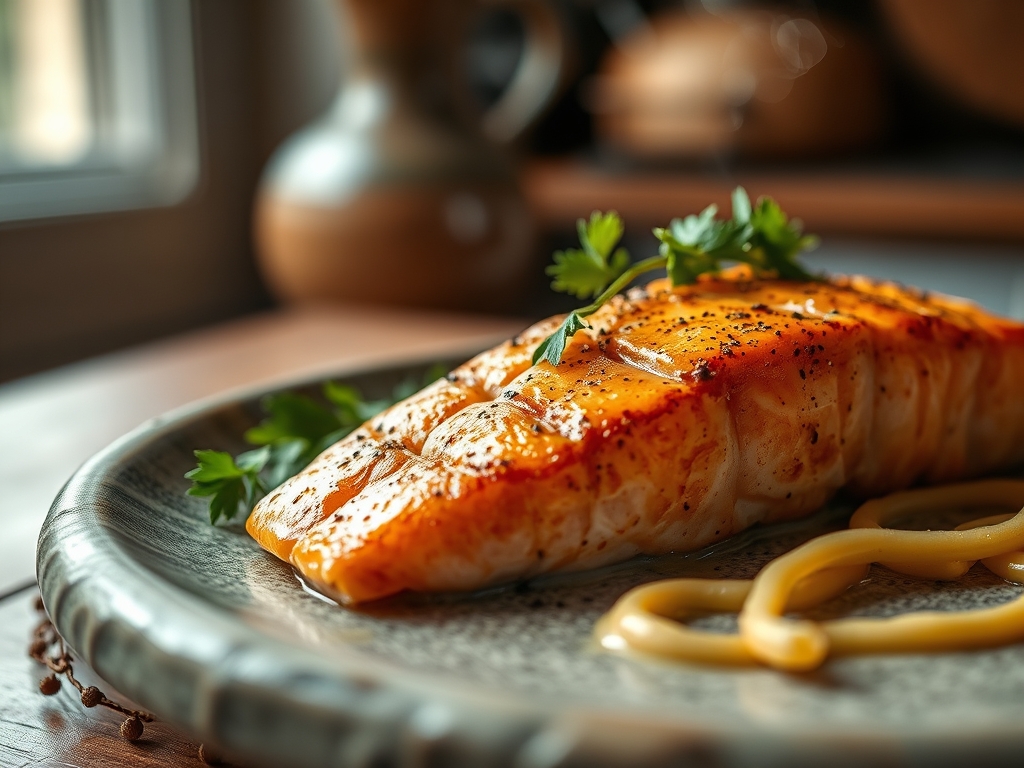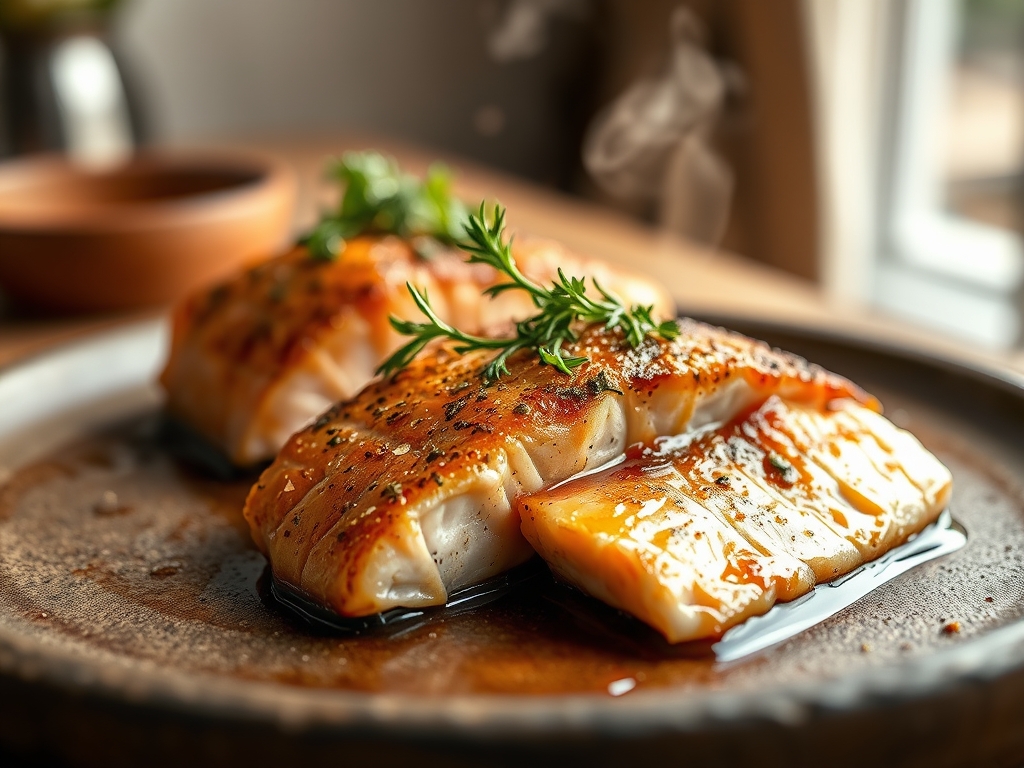
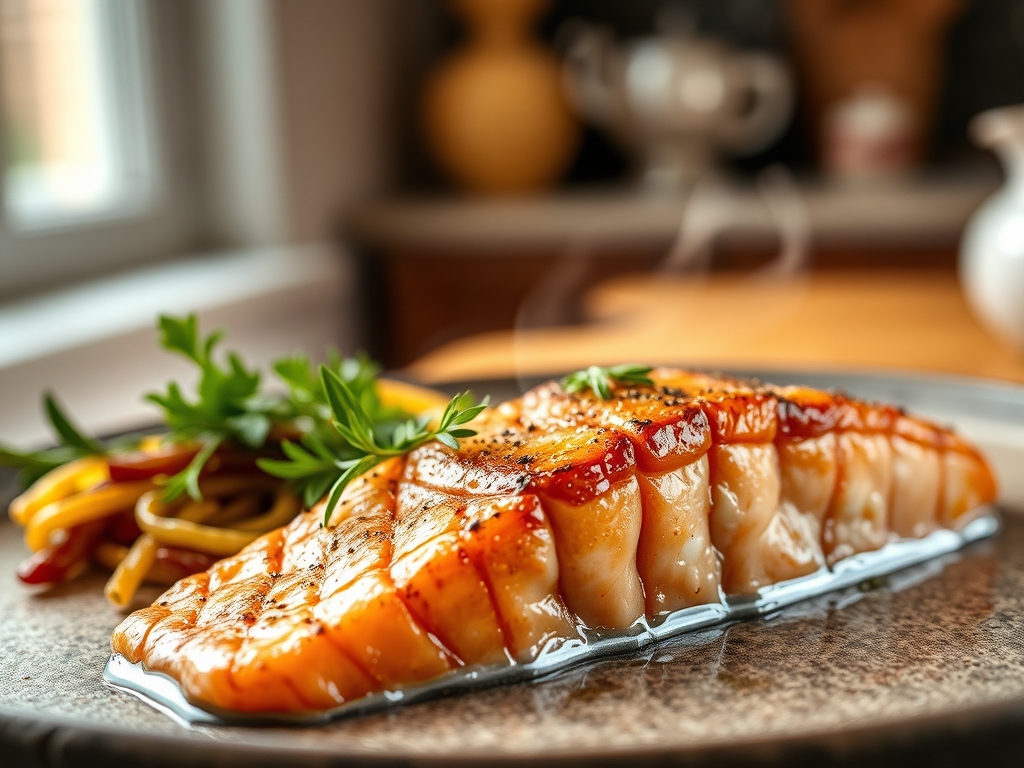
Close your eyes and listen for that specific, high-frequency sizzle that only happens when cold protein meets a searing hot heavy-bottomed skillet. You have seen it a thousand times on your feed; that perfect, translucent flake yielding to a golden, glass-like crust. We are diving deep into the world of the salmon recipes video trend to deconstruct why these nine viral sensations actually work. This is not just about aesthetics or the way the light hits the glaze; it is about the chemistry of omega-3 fatty acids and the precision of heat transfer. Whether it is the marinated "salmon bites" that took over the internet or the slow-roasted fillets bathed in herb-infused butter, the secret lies in the cellular structure of the fish. Salmon is a masterpiece of culinary engineering, packed with connective tissue that dissolves at a much lower temperature than beef. Today, we are mastering the art of the perfect sear and the science of the emulsion to bring those digital cravings into your physical kitchen.
The Gathers:
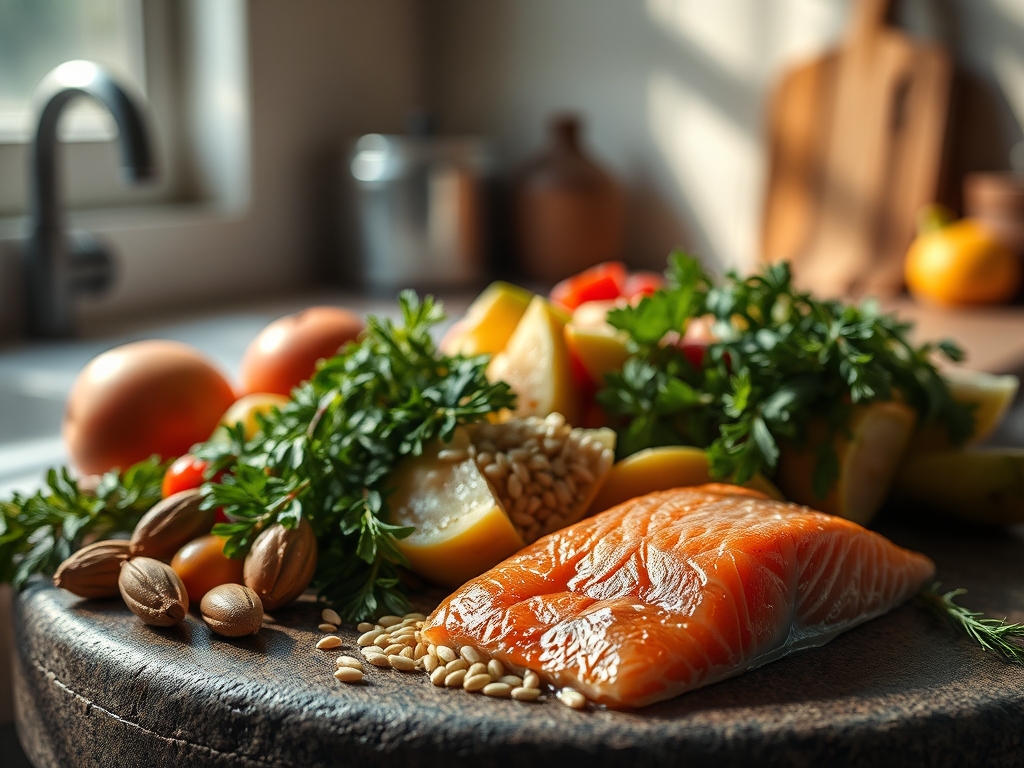
Before we ignite the burner, we must assemble our mise-en-place with the precision of a laboratory technician. Your primary subject is a center-cut Atlantic or King salmon fillet; look for deep pigmentation, which indicates a high concentration of astaxanthin, a powerful antioxidant. You will need a high-smoke-point lipid, such as avocado oil or clarified butter, to facilitate the Maillard reaction without scorching. For the viral glazes, gather viscous honey, piquant Dijon mustard, and microplaned garlic. The aromatics are non-negotiable; fresh dill and lemon zest provide the volatile oils necessary to cut through the richness of the fish.
Smart Substitutions: If you are avoiding honey, a maple syrup reduction offers a similar sugar density for caramelization. For those seeking a dairy-free profile, swap butter for a high-quality tahini to maintain a creamy mouthfeel. If fresh salmon is unavailable, high-grade frozen fillets are often "fresher" due to flash-freezing technology that halts cellular degradation; just ensure they are fully thawed and patted bone-dry with lint-free towels to prevent steam-capping.
The Clock
Efficiency in the kitchen is governed by the "Chef's Flow," a sequence that maximizes heat retention and minimizes downtime.
Prep Time: 15 Minutes. This includes the critical "tempering" phase. Never drop a fridge-cold fillet into a hot pan; the extreme temperature differential causes the muscle fibers to contract violently, squeezing out moisture and leaving you with a tough result. Let the fish sit at room temperature for at least 10 minutes.
Cook Time: 8 to 12 Minutes. Most salmon recipes video tutorials emphasize high heat for a short duration. You are aiming for an internal temperature of 125 degrees Fahrenheit for medium-rare, allowing for thermal carryover to bring it to a perfect 130 degrees.
Total Time: 27 Minutes. This is the sweet spot where professional technique meets weeknight reality.
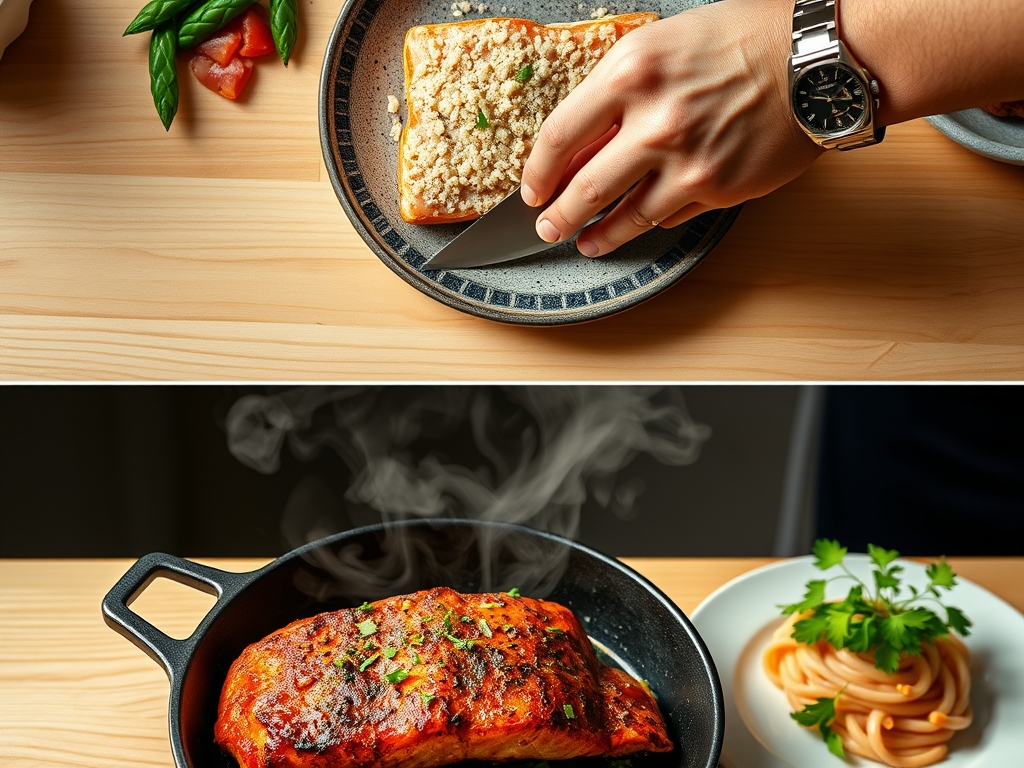
The Masterclass
1. The Desiccation Ritual
The enemy of a crispy crust is moisture. Use a paper towel to press firmly onto the skin and flesh of the salmon. You are removing surface water to ensure that the energy from your skillet goes directly into browning rather than evaporating steam.
Pro Tip: This is known as surface desiccation. When the surface is dry, the Maillard reaction (the chemical reaction between amino acids and reducing sugars) happens almost instantly, creating that savory, complex flavor profile.
2. The Cold-Pan Start vs. High-Sear
For the skin-on viral methods, place the salmon skin-side down in a cold, heavy-bottomed skillet, then turn the heat to medium-high. This allows the fat to render slowly, resulting in a chip-like crunch that does not curl.
Pro Tip: Using a cold start prevents the collagen in the skin from shrinking too rapidly, which is what causes the fish to "bow" or cook unevenly.
3. The Arrosé Technique
Once you flip the fish, drop a knob of butter and a bruised clove of garlic into the pan. Use a large spoon to continuously drench the salmon in the foaming fat. This is called arrosé, or butter-basting.
Pro Tip: The foaming butter acts as a thermal jacket, finishing the top of the fish with gentle, convective heat while infusing it with nutty, browned milk solids (beurre noisette).
4. The Deglaze and Emulsify
Remove the fish and immediately hit the pan with a splash of white wine or citrus juice. Use a whisk to scrape up the fond (the browned bits on the bottom).
Pro Tip: This is deglazing. The acidity in the liquid breaks the chemical bonds of the stuck proteins, incorporating them into a sauce that you can then emulsify with a final pat of cold butter for a glossy finish.
The Deep Dive
Macro Nutrition: Salmon is a nutritional powerhouse. A standard 6-ounce portion delivers roughly 34 grams of high-quality protein and 2 grams of Omega-3 fatty acids. It is naturally low in sodium and high in potassium, making it a heart-healthy choice that supports cognitive function and reduces inflammation.
Dietary Swaps:
- Keto: Replace any honey or sugar in glazes with an erythritol-based sweetener or simply double down on lemon and herbs.
- Vegan: While this guide focuses on salmon, the "Masterclass" searing techniques apply perfectly to thick-cut cauliflower steaks or firm tofu "fillets."
- Gluten-Free: Salmon is naturally GF; just ensure your soy sauce is substituted with tamari or liquid aminos for the glaze.
The Fix-It:
- The White Gunk (Albumin): If you see white liquid seeping out, you are overcooking the fish. This is albumin, a protein that stays liquid until the muscle fibers contract too tightly and push it out. Fix: Pull the fish off the heat 5 degrees earlier next time.
- The Stick: If the fish is stuck to the pan, do not force it with your tongs. Fix: Wait. The fish will naturally "release" once the crust has fully formed.
- The Soggy Skin: This happens if you cover the pan with a lid. Fix: Never cover the pan; the lid traps steam, which destroys the crispness you worked so hard to achieve.
Meal Prep Science: To reheat salmon without it becoming "fishy" or dry, avoid the microwave. The high-frequency waves vibrate water molecules too fast, toughening the protein. Instead, use an oven at 275 degrees with a splash of water and a foil cover to create a gentle steaming environment that preserves the delicate fats.
The Wrap-Up
Mastering the salmon recipes video trends is about more than just following a list of steps; it is about understanding the dialogue between the heat and the ingredient. When you hear that sizzle change from a watery pop to a rhythmic crackle, you know the moisture has left and the flavor has arrived. You now have the technical vocabulary and the scientific foundation to turn a viral clip into a professional-grade dinner. Grab your skillet, trust your senses, and remember that the best meals are the ones where you understand exactly why they taste so good.
The Kitchen Table
How do I stop salmon from smelling "fishy"?
Always buy fresh, high-quality fish and rinse it with cold water, then pat it dry. The "fishy" odor comes from Trimethylamine (TMA), which can be neutralized by applying an acidic marinade like lemon juice or vinegar before cooking.
Can I cook salmon straight from the freezer?
It is not recommended for viral searing techniques. Cooking from frozen leads to uneven textures; the outside overcooks while the center remains icy. For the best results, thaw overnight in the refrigerator or use a cold-water bath for thirty minutes.
What is the best pan for searing salmon?
A stainless steel or cast iron skillet is superior. These materials have high heat retention and distribution, which is essential for creating a consistent crust. Non-stick pans often fail to reach the temperatures required for a proper Maillard reaction.
How can I tell if salmon is done without a thermometer?
Use a fork to gently press down on the top of the fillet. If the flesh "flakes" or separates easily along the white lines of fat (the lamellae), it is ready. The center should still look slightly translucent and moist.