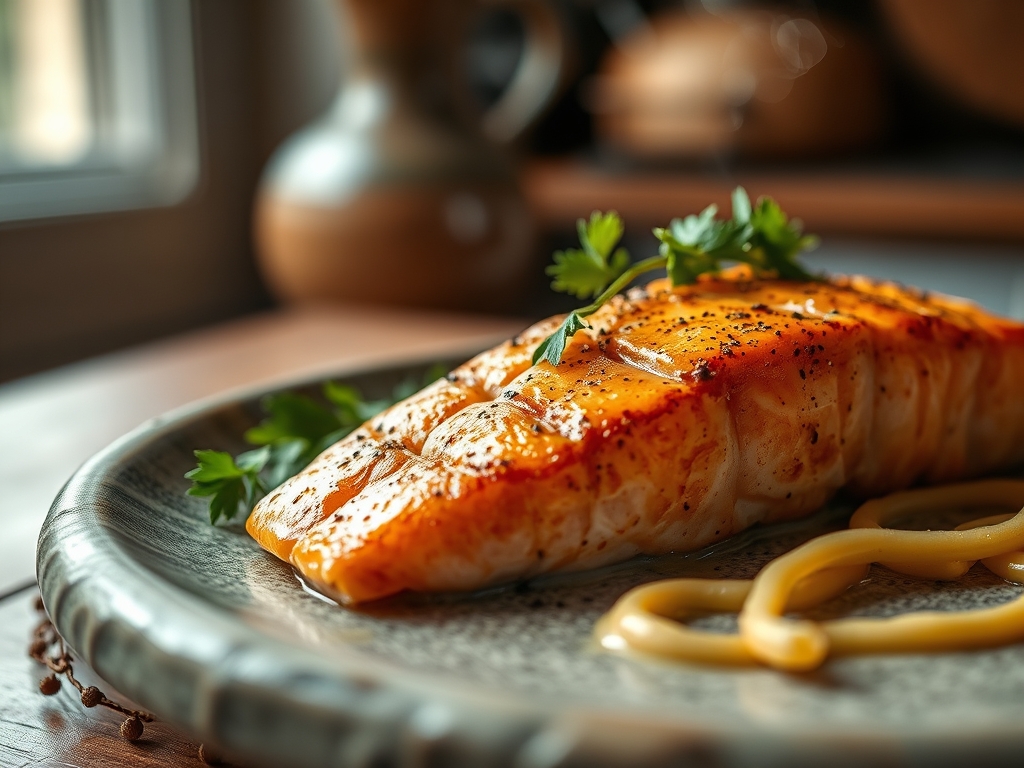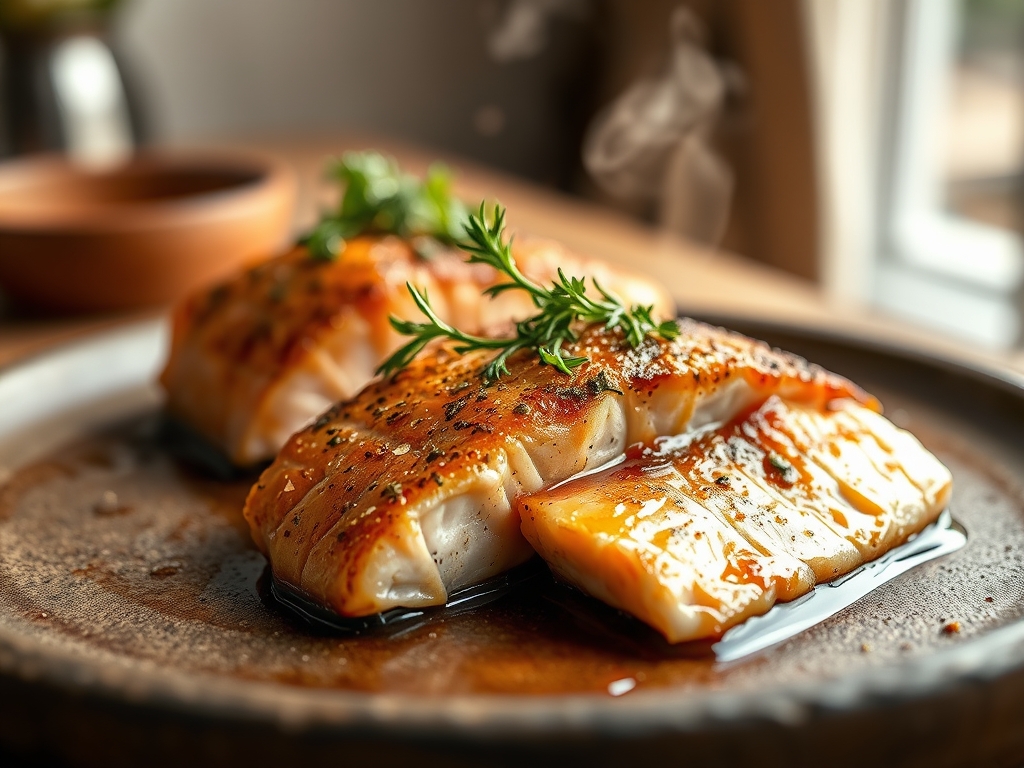
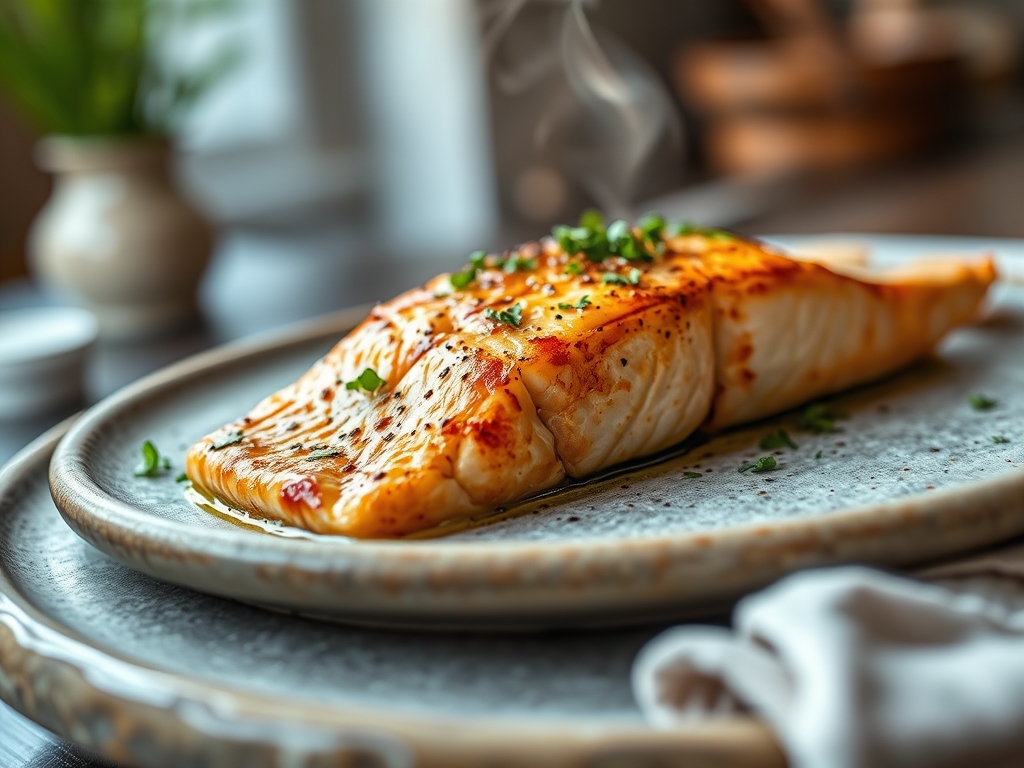
Imagine a world where the dreaded white albumin sludge never escapes your fish fillets. You know that unsightly protein "snow" that ruins a perfectly good dinner? That is the sound of your salmon screaming for mercy. When you master steam oven salmon recipes, you are not just cooking; you are engineering a climate-controlled environment that preserves the delicate cellular structure of the fish. The air is thick with the scent of Meyer lemon and fresh dill, swirling in a vaporous dance that ensures every bite is as buttery as a French pastry. We are moving beyond the dry, flaky tragedies of traditional roasting into a realm of high-moisture precision. This is the ultimate hack for the modern kitchen: using physics to achieve culinary perfection without breaking a sweat. Whether you are hosting a frantic dinner party or meal prepping for a high-performance week, the steam oven is your secret weapon. It turns a temperamental protein into a foolproof masterpiece, ensuring that the pink, succulent interior remains exactly that. Let us dive into the chemistry of the perfect steam and transform your kitchen into a professional-grade atelier.
The Gathers:
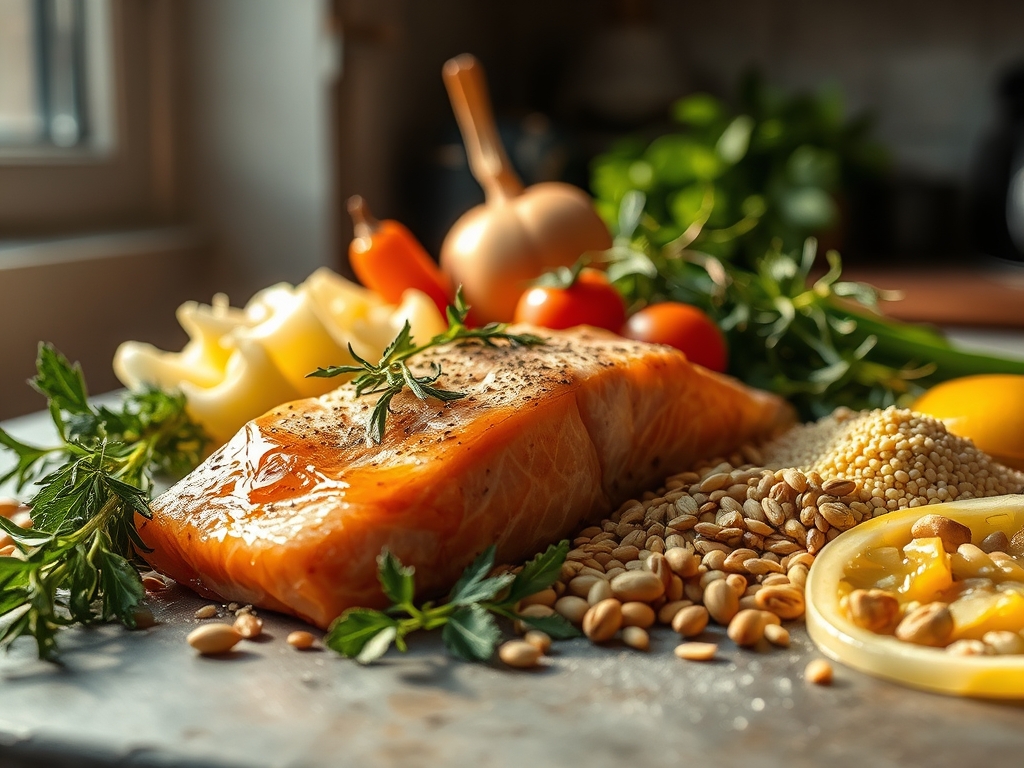
To begin our journey into steam oven salmon recipes, we must first curate our mise-en-place with the precision of a chemist. Start with high-quality, center-cut fillets; look for deep pigmentation, which indicates a high concentration of astaxanthin, a powerful antioxidant. You will need a digital scale to ensure uniform portioning, as even weight distribution is the cornerstone of consistent thermal penetration.
Our aromatic profile relies on viscous fats and piquant acids. Gather cold-pressed olive oil, Maldon sea salt, and a bouquet of woody herbs like thyme or rosemary. Use a microplane to zest citrus directly over the fish; this captures the volatile oils before they can evaporate. For our "Smart Substitutions," if you are avoiding dairy, swap the traditional finishing butter for a dollop of white miso paste thinned with a splash of mirin. This creates a deeply savory, umami-rich glaze that mimics the mouthfeel of saturated fats. If fresh herbs are unavailable, use a high-quality freeze-dried alternative, but remember to rehydrate them in a bit of oil first to prevent them from scorching in the convection air.
The Clock
Efficiency in the kitchen is all about "Chef's Flow." Prep time for these hacks is a lean ten minutes, mostly spent on knife work and seasoning. The cook time varies between eight and twelve minutes depending on your desired level of doneness. However, the real magic happens during the "carryover period." You must factor in a three-minute rest on a room-temperature bench scraper or cutting board. This allows the internal temperature to stabilize, preventing the juices from rushing out the moment you pierce the surface. Total time from fridge to fork is under twenty-five minutes, making this faster than any delivery service and infinitely more sophisticated.
The Masterclass
1. The Brine Bath
Before the fish even sees the oven, submerge it in a 5 percent salt solution for ten minutes. Use a saucier to mix the brine thoroughly. This process, known as denaturing, seasons the fish deeply and tightens the exterior proteins.
Pro Tip: This step prevents the "albumin leak." By pre-setting the proteins on the surface, you create a barrier that keeps the white moisture-binding proteins inside the muscle fibers.
2. The Parchment Envelope
Place your fillet on a square of parchment paper with a splash of dry vermouth. Fold the edges tightly to create an airtight seal. This technique, known as en papillote, creates a micro-climate of concentrated flavor.
Pro Tip: The steam inside the pouch reaches a higher pressure than the ambient oven air, accelerating the infusion of aromatics into the lipid layers of the fish.
3. The Cold-Start Method
Place your seasoned salmon in a cold steam oven and then turn it on. This gradual rise in temperature allows the fats to render slowly rather than shocking them into a liquid state.
Pro Tip: Slow heating prevents the rapid contraction of muscle fibers, which can squeeze out moisture and leave the fish "tight" and rubbery.
4. The Citrus Shield
Slice lemons or oranges into thin rounds using a mandoline and layer them across the top of the fillet like shingles. This acts as a physical heat shield while the steam extracts the citric acid.
Pro Tip: This creates a barrier against enzymatic browning on the delicate top surface, keeping the flesh vibrant and pink.
5. The Miso Glaze Application
Brush a thin layer of miso and honey onto the fish halfway through the cycle. Use a silicone pastry brush for even distribution without tearing the softened skin.
Pro Tip: The sugars in the honey will undergo a limited Maillard reaction even in a moist environment, providing a complex depth of flavor without the need for high-heat searing.
6. The Ice-Bath Shock for Skin
If you prefer to remove the skin after cooking, steam the fish skin-side up. Once done, briefly touch the skin with an ice cube. It will peel away in one perfect, continuous sheet.
Pro Tip: The thermal shock breaks the collagen bond between the skin and the fat layer, making for a clean, professional presentation.
7. The Herb Infusion Rack
Place a bed of fresh dill and parsley on the perforated steam tray, then set the salmon directly on top. As the steam rises, it must pass through the herbs first.
Pro Tip: This uses the steam as a delivery vehicle for fat-soluble flavor compounds, ensuring the underside of the fish is as flavorful as the top.
8. The Butter-Basting Finish
In the final sixty seconds, place a small pat of compound butter on each fillet. The steam will melt it into a translucent, viscous coating.
Pro Tip: This creates an emulsion with the residual surface moisture, resulting in a sauce that clings to the fish rather than sliding off.
9. The Temperature Probe Precision
Use the oven's internal probe, inserting it into the thickest part of the fillet. Set the alert for 125 degrees Fahrenheit for a perfect medium-rare.
Pro Tip: Thermal carryover will continue to cook the fish after it is removed; pulling it early ensures it hits the ideal 130-degree mark on the plate.
10. The Flash-Steam Reheat
If using leftovers, use the "reheat" or "regenerate" setting at 80 percent humidity. This prevents the fish from becoming "fishy" or dry.
Pro Tip: Steam re-hydrates the protein matrix, essentially "undoing" the tightening that occurs when fish cools in the refrigerator.
The Deep Dive
From a macro perspective, salmon is a nutritional powerhouse, offering high-quality protein and essential Omega-3 fatty acids. For those on a Keto journey, the healthy fats in salmon are a primary fuel source. If you are Vegan, you can apply these same steam oven techniques to thick slabs of "watermelon steak" or marinated tofu to mimic the texture of fish. For a Gluten-Free crowd, ensure your miso or soy glazes are tamari-based.
The Fix-It:
- The Fish is Mushy: You likely used too much liquid in the pan. Reduce the water or wine by half; the steam oven provides its own moisture.
- The Skin is Flabby: Steam ovens are not meant for crispy skin. If you want crunch, finish the skin-side down in a heavy-bottomed skillet for sixty seconds after steaming.
- The Aromatics are Bitter: You likely used the white pith of the citrus. Use a microplane to get only the zest, avoiding the bitter white layer.
Meal Prep: When reheating, never use a microwave. The localized friction of microwave energy causes the fats to pop and the proteins to toughen. Use the steam oven at 250 degrees Fahrenheit with 50 percent steam for five minutes to restore "day-one" quality.
The Wrap-Up
Mastering steam oven salmon recipes is the ultimate "work smarter, not harder" hack for any home cook. By understanding the relationship between moisture, temperature, and protein structure, you can produce restaurant-quality results with zero stress. Use your tongs with confidence, trust your digital scale, and let the steam do the heavy lifting. Your dinner guests will wonder how you achieved such a silky, decadent texture; you can just tell them it is a little bit of kitchen magic and a whole lot of science.
The Kitchen Table
Can I cook frozen salmon in a steam oven?
Yes, use the "Steam Defrost" setting first. This gently thaws the fish without "cooking" the edges, preserving the integrity of the muscle fibers before you begin the actual cooking cycle.
How do I prevent the fish from sticking to the tray?
Lightly coat the perforated tray with a high-smoke-point oil or use a perforated sheet of parchment paper. This allows steam to circulate while providing a non-stick surface for the delicate skin.
What is the best temperature for steam oven salmon?
For most fillets, a temperature of 212 degrees Fahrenheit (100 percent steam) works quickly. For a more "sous-vide" texture, drop the temperature to 175 degrees Fahrenheit and increase the cook time.
Why is my salmon white on top?
That is albumin, a protein that leaches out when fish is cooked too fast or at too high a temperature. Lower the heat or try the salt-brine hack to keep it inside.