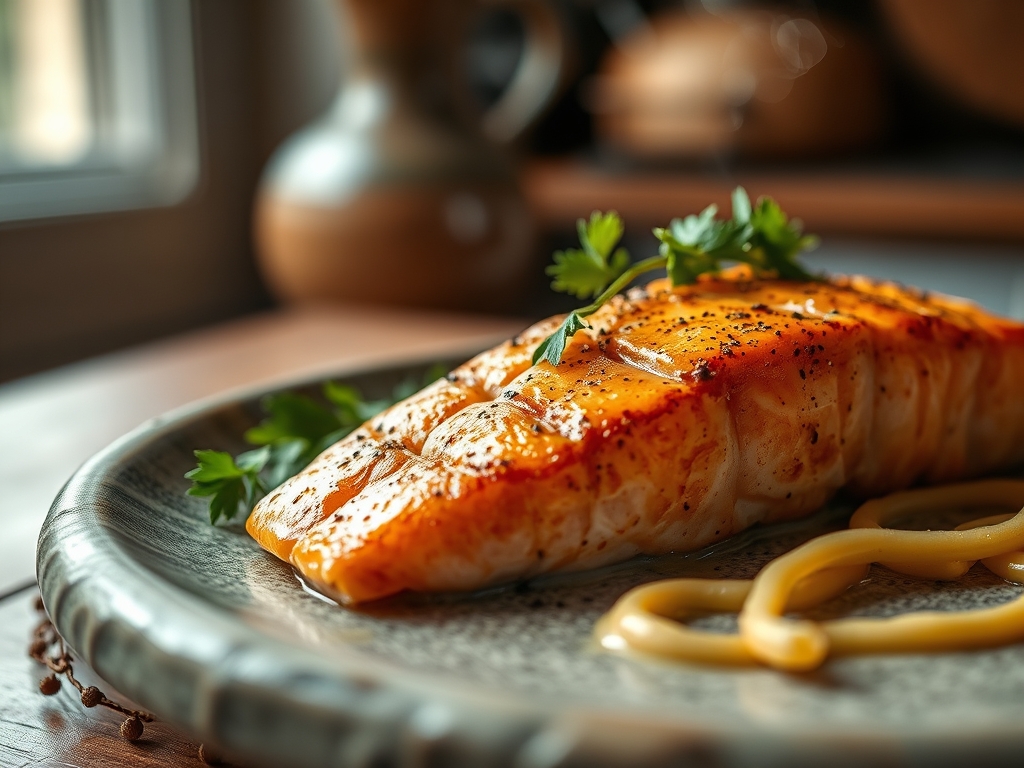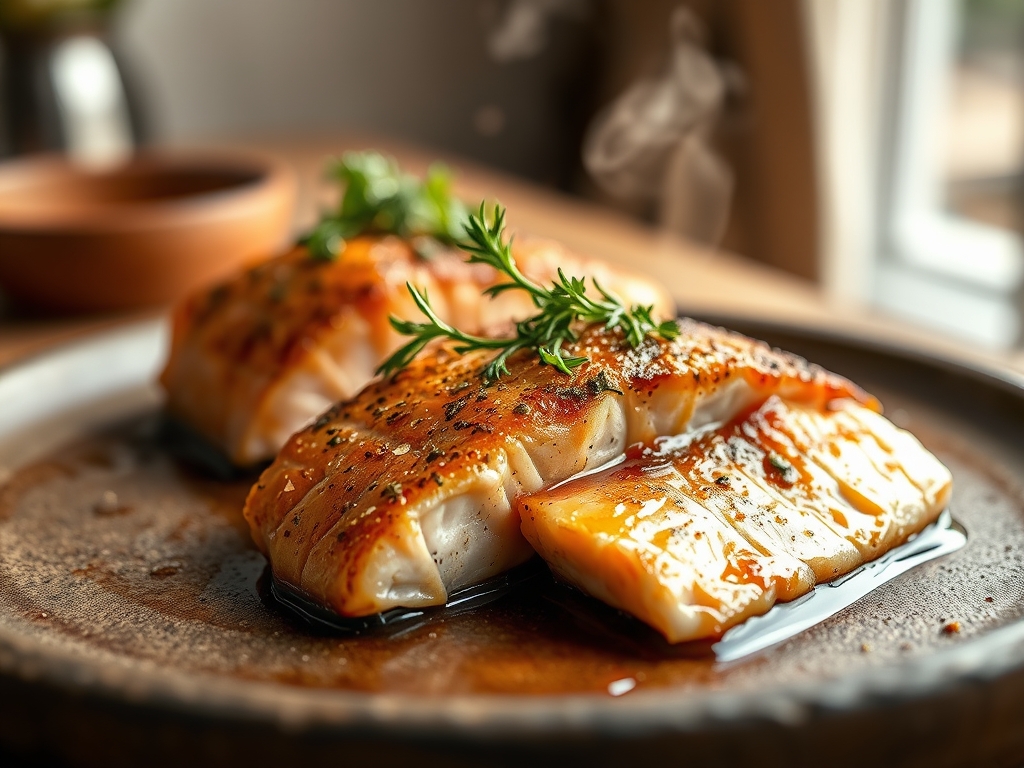
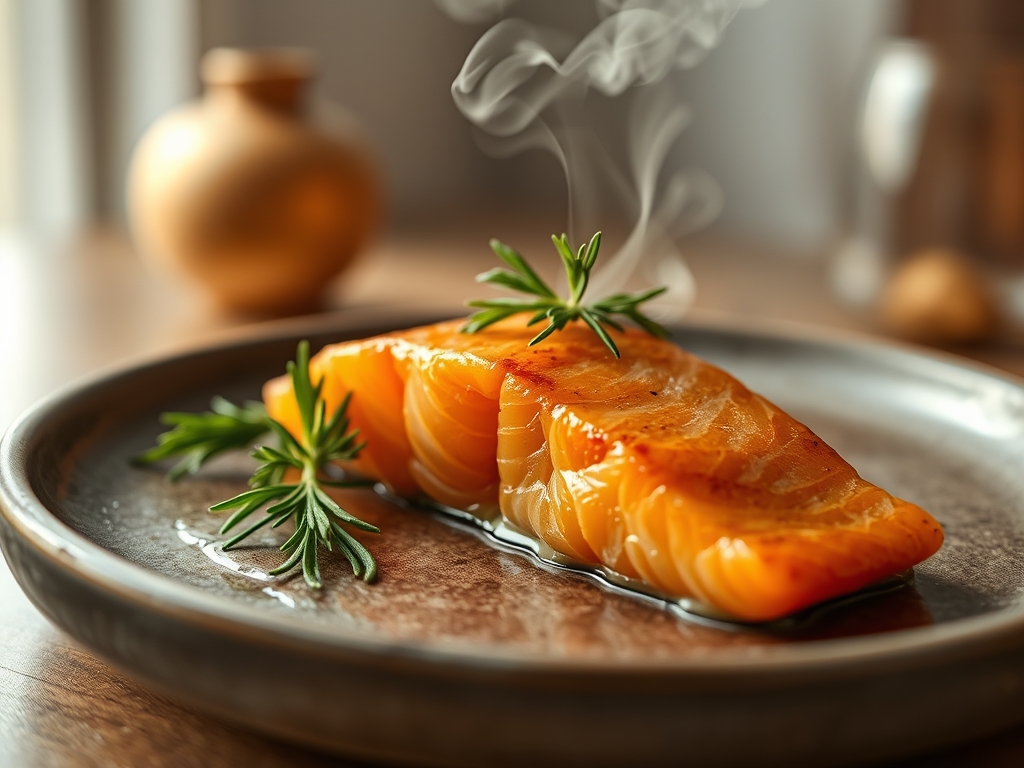
The smell of cherry wood smoke hitting cold, salt-cured fat is a sensory experience that belongs in a gallery. If you have been searching for how to smoked salmon recipes that actually deliver that buttery, translucent finish rather than a dry, flaky mess, you have finally found your culinary home. We are moving beyond the basic backyard grill and entering the realm of professional charcuterie. This process is not just about heat; it is about managing the delicate protein structures of the Pacific or Atlantic salmon to ensure a melt-in-the-mouth texture. By the time we are finished, you will understand the exact chemical shifts that turn a raw fillet into a piquant, smoky masterpiece. This is the ultimate guide to mastering the art of the cure and the cold-kissed flame.
The Gathers:
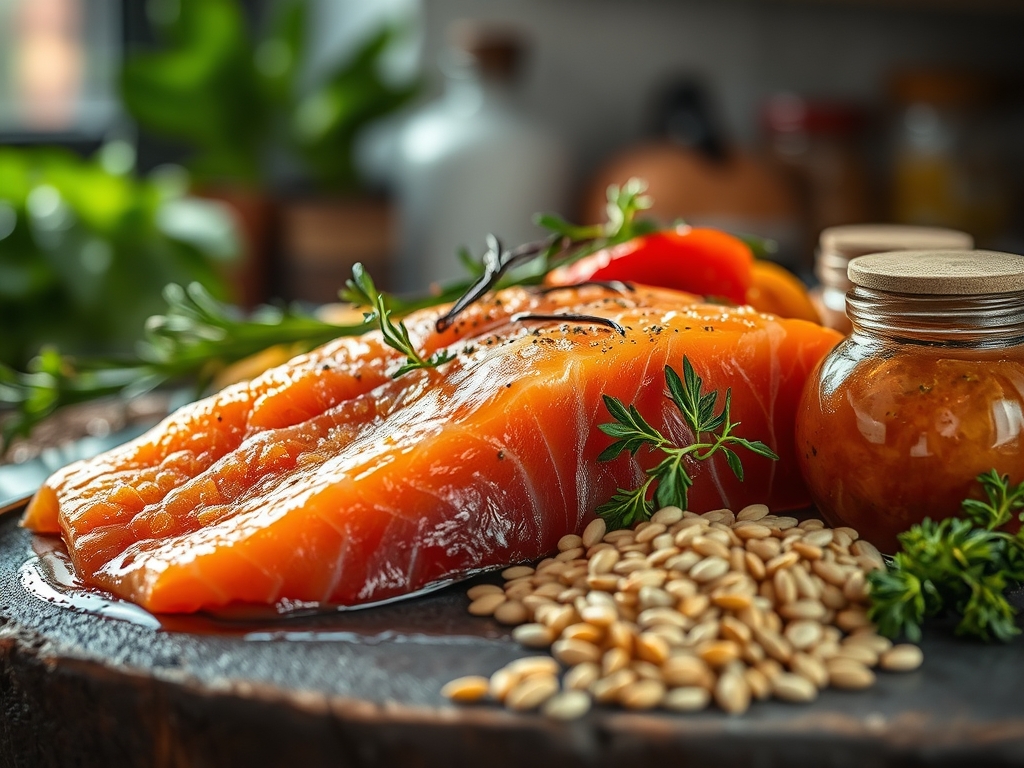
To achieve the perfect results, your mise-en-place must be precise. You will need a high-quality side of salmon, preferably center-cut for uniform thickness. On your workstation, assemble a digital scale for precise salt-to-sugar ratios; volume measurements are too inconsistent for curing. You will also need Kosher salt, dark brown sugar for its viscous molasses content, and aromatics like toasted peppercorns and fresh dill.
Smart Substitutions: If you cannot find King Salmon, Sockeye offers a leaner, more robust flavor profile. For the sugar, maple sugar provides a deeper autumnal note than white sugar. If you are avoiding nitrates, ensure your salt is pure sodium chloride without anti-caking agents. You will also need a bench scraper to clean your board and tongs for handling the fish without piercing the delicate flesh.
The Clock:
The "Chef's Flow" for this recipe is all about patience. You cannot rush the osmotic pressure required to cure the fish. Plan for a 12 to 24-hour cure period followed by a 4-hour air-dry to form the pellicle. The actual smoking process takes 3 to 4 hours depending on the ambient temperature. Total time: 20 to 30 hours. This is a weekend project that rewards the methodical cook.
The Masterclass:
1. The Precision Trim
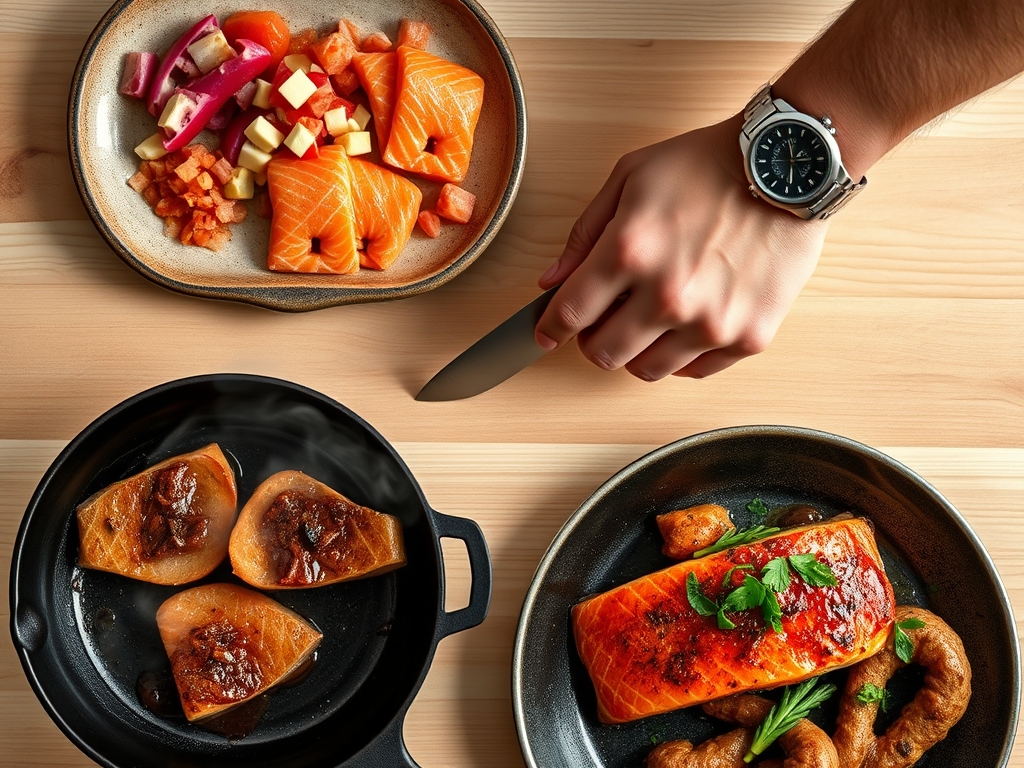
Use a sharp fillet knife to remove any remaining pin bones and excess silver skin. Ensure the fillet is of uniform thickness so it cures evenly.
Pro Tip: Removing the pin bones ensures the muscle fibers remain intact during the denaturation process. If left in, the bones can create pockets of moisture that prevent a proper cure.
2. The Dry Brine Application
Mix your salt and sugar in a 2:1 ratio. Coat the salmon generously, ensuring every square centimeter is covered. This is the foundation of all how to smoked salmon recipes.
Pro Tip: The salt initiates hygroscopic action, drawing moisture out of the cells while the sugar molecules move in. This creates the firm texture characteristic of premium smoked fish.
3. The Cold Cure
Wrap the fish tightly in plastic wrap and place it in a glass dish. Weight it down with a heavy-bottomed skillet or bricks to force the brine into the center of the fillet.
Pro Tip: Weighting the fish accelerates the diffusion of the salt, ensuring the center of the thickest part of the fillet is fully preserved and seasoned.
4. The Thorough Rinse
After 12 to 24 hours, rinse the brine off under cold, filtered water. Use your fingers to ensure no granules remain, then pat dry with lint-free towels.
Pro Tip: Rinsing prevents the exterior from becoming oversaturated with salt. If you skip this, the sodium concentration on the surface will be unpalatable once the smoke attaches.
5. The Pellicle Formation
Place the salmon on a wire rack in front of a fan for 2 to 4 hours. The surface should become tacky and shiny to the touch.
Pro Tip: This tacky layer is the pellicle. Without it, the smoke particles cannot adhere to the fish, and you will end up with a dull, grey exterior instead of a vibrant mahogany hue.
6. The Low and Slow Smoke
Set your smoker to 150 degrees Fahrenheit. Use fruitwoods like apple or cherry to infuse a subtle sweetness that does not overpower the natural oils of the fish.
Pro Tip: Keeping the temperature below 160 degrees prevents the albumin (the white protein) from leaking out. High heat causes the proteins to contract too quickly, squeezing out the moisture.
7. The Internal Temp Check
Use a digital probe thermometer to monitor the internal temperature. You are looking for an internal reading of 135 to 140 degrees Fahrenheit for a moist, tender result.
Pro Tip: Thermal carryover will continue to cook the fish once it is removed from the smoker. Pulling it at 135 ensures it hits the perfect 145-degree safety mark without drying out.
8. The Essential Rest
Let the salmon cool to room temperature before refrigerating. This allows the smoke flavors to mellow and the fats to re-solidify.
Pro Tip: Resting allows the lipids to stabilize. If you slice it while hot, the oils will run out, leaving the remaining meat crumbly rather than silky.
The Deep Dive:
Macro Nutrition: Smoked salmon is a powerhouse of Omega-3 fatty acids, providing roughly 18 grams of protein and 8 grams of healthy fats per 3-ounce serving. It is naturally low in carbohydrates, making it ideal for metabolic health.
Dietary Swaps: For a Keto version, replace the brown sugar with an erythritol-based sweetener. For a Vegan "smoked salmon," use large carrots that have been roasted in salt, peeled, and marinated in liquid smoke and caper brine to mimic the umami and texture.
The Fix-It:
- White Gunk (Albumin): If white spots appear, your smoker was too hot. Fix it by gently brushing them away with a pastry brush dipped in olive oil.
- Oversalted: If the fish is too salty, soak it in cold milk for 30 minutes to leach out the excess sodium.
- Acrid Flavor: This happens from "dirty smoke." Ensure your wood is smoldering with thin blue smoke, not thick white clouds.
Meal Prep: To reheat without losing quality, use a saucier or a steamer basket. Avoid the microwave, which causes the fats to render too quickly and results in a rubbery texture.
The Wrap-Up:
Mastering how to smoked salmon recipes is a rite of passage for any serious home cook. By respecting the chemistry of the cure and the physics of the smoke, you transform a simple protein into a luxury ingredient. Whether you are serving it on a bagel with a microplane dusting of lemon zest or folding it into a creamy pasta, your homemade version will ruin store-bought options forever. Now, go fire up that smoker and let the magic happen.
The Kitchen Table:
What is the best wood for smoking salmon?
Fruitwoods like apple, cherry, or peach are ideal because they provide a mild, sweet smoke. Avoid heavy woods like hickory or mesquite, as their high tannin content can easily overwhelm the delicate fats of the fish.
How long does homemade smoked salmon last?
When properly cured and smoked, it will last up to 10 days in the refrigerator. For longer storage, vacuum seal the fillets to prevent oxidative rancidity, allowing them to be frozen for up to six months.
Why is my smoked salmon dry?
Dryness usually results from overcooking or a lack of humidity. Ensure you pull the fish at an internal temperature of 135 degrees Fahrenheit and consider placing a water pan in the smoker to maintain a moist environment.
Can I smoke salmon without a smoker?
Yes, you can use a heavy-bottomed skillet with a tight lid. Place wood chips in the bottom, a rack above them, and heat until smoking. This "stovetop" method requires careful ventilation to manage the particulate matter in your kitchen.