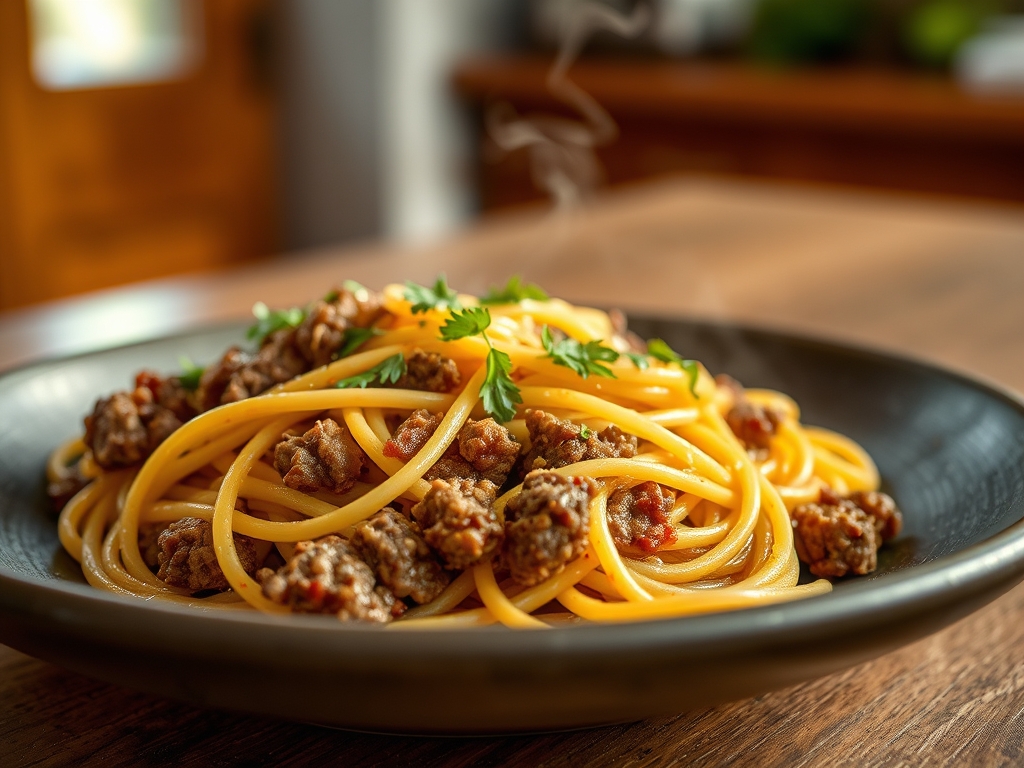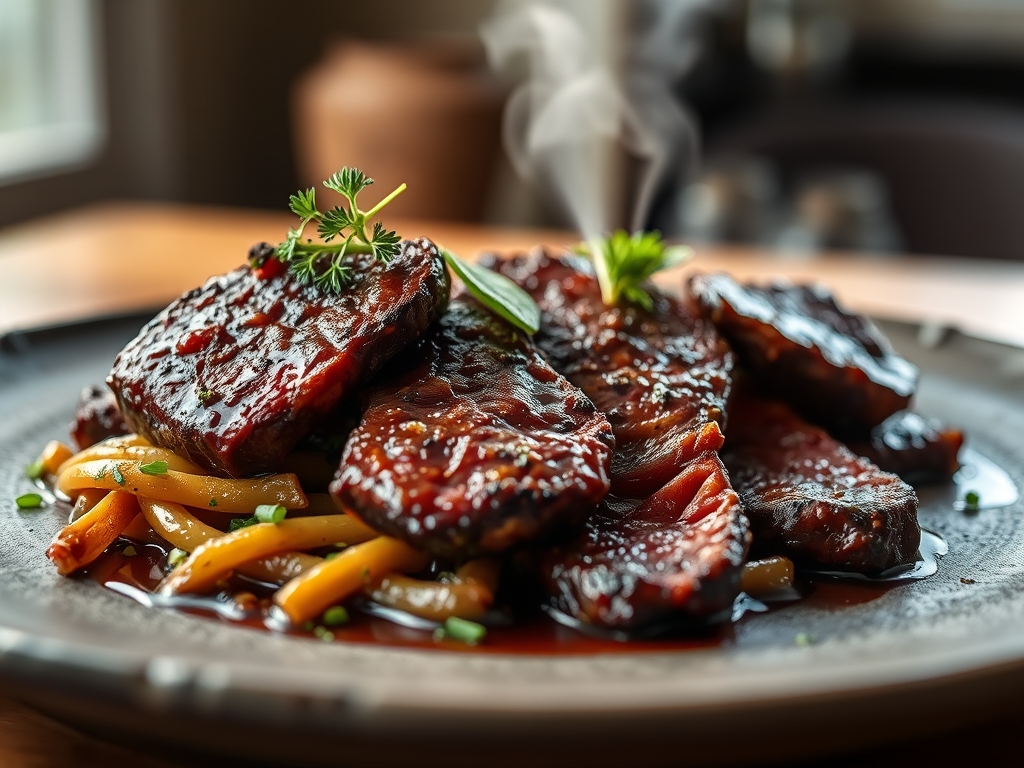
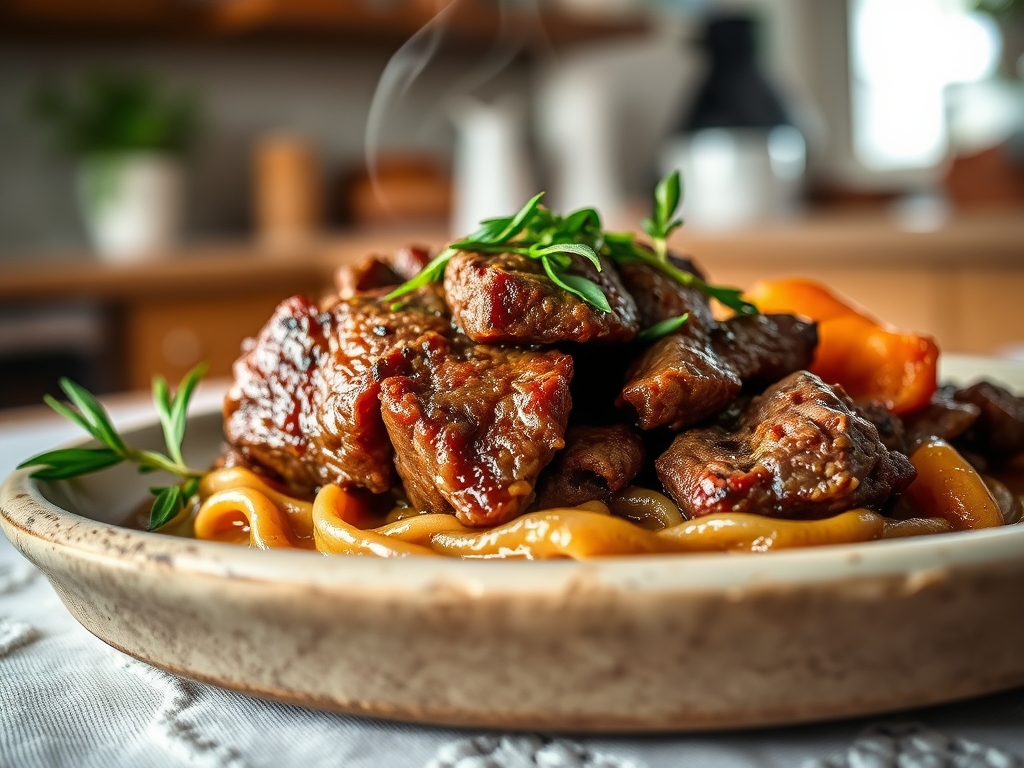
The scent of toasted garlic and slow-rendered fat is a love language all its own; specifically, one that speaks in the dialect of a Sunday afternoon in a bustling kitchen. When you are hunting for the ultimate italian roast beef recipes slow cooker enthusiasts swear by, you are not just looking for a meal; you are looking for a transformation. We are talking about taking a stubborn, lean cut of muscle and coaxing it into succulent, velvet ribbons of protein that practically melt upon contact with a toasted hoagie. This is the intersection of patience and chemistry. By the time the sun sets, your kitchen will smell like a high-end trattoria, and your slow cooker will have done ninety percent of the heavy lifting. Forget the watery, bland roasts of the past. We are diving into the molecular secrets of deep browning, acid balancing, and collagen breakdown to ensure every bite is a savory masterpiece.
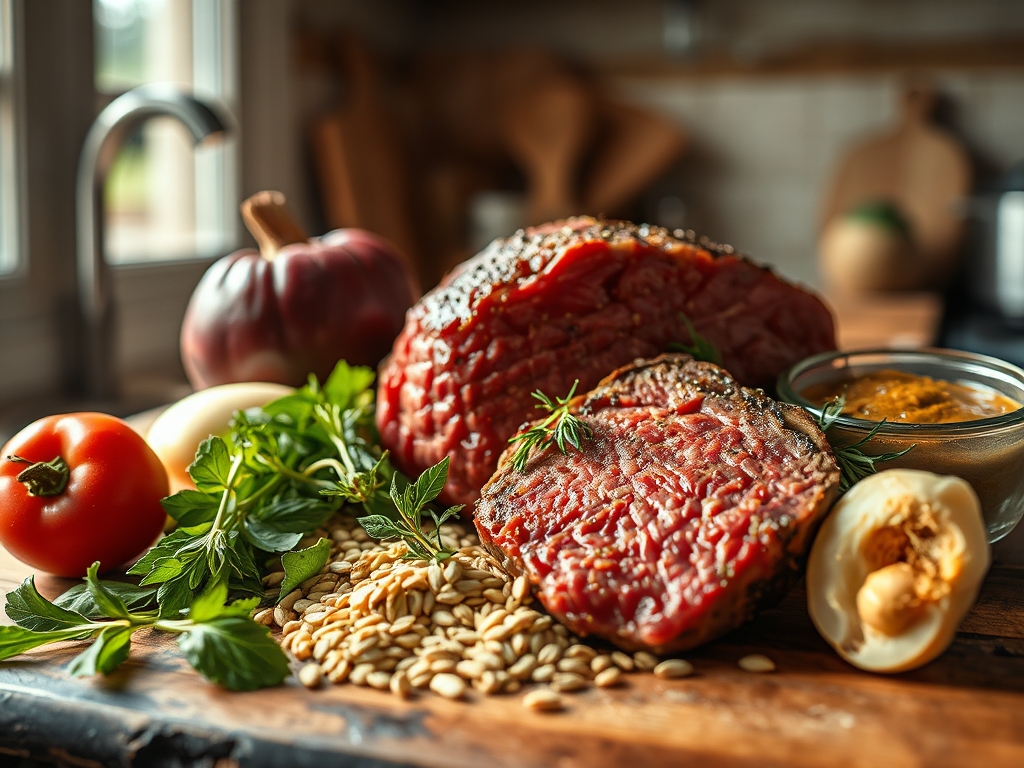
The Gathers:
To achieve a truly viscous and piquant jus, your mise-en-place must be intentional. Start with a three to four pound chuck roast. While some prefer top round, the chuck contains the intramuscular fat and connective tissue necessary for that signature "shred." You will need a heavy-bottomed skillet for the initial sear; do not even think about skipping this step. Gather your aromatics: six cloves of garlic smashed with a bench scraper, a quart of high-quality beef bone broth, and a jar of piquant pepperoncini with the brine.
For the spice blend, use a digital scale to measure out dried oregano, basil, red pepper flakes, and a touch of celery salt. The secret weapon is a splash of Worcestershire sauce and a tablespoon of soy sauce to provide an umami backbone. If you want to elevate the texture, have some cold unsalted butter ready to emulsify into the sauce at the very end.
Smart Substitutions: If you are watching your sodium, swap the jarred peppers for fresh sliced banana peppers and a splash of apple cider vinegar. For a deeper flavor profile, replace one cup of broth with a dry red wine like Chianti to help deglaze the pan after searing.
The Clock
Efficiency in the kitchen is about mastering the "Chef's Flow." Your active prep time is roughly twenty minutes. This includes the searing process and the vegetable prep. Once the lid is locked, the thermal energy takes over. You are looking at eight to ten hours on low heat, or five to six hours on high. However, the "low and slow" method is scientifically superior for breaking down tough collagen into gelatin. Plan for a twenty minute rest period after the beef is shredded to allow the fibers to reabsorb the liquid.
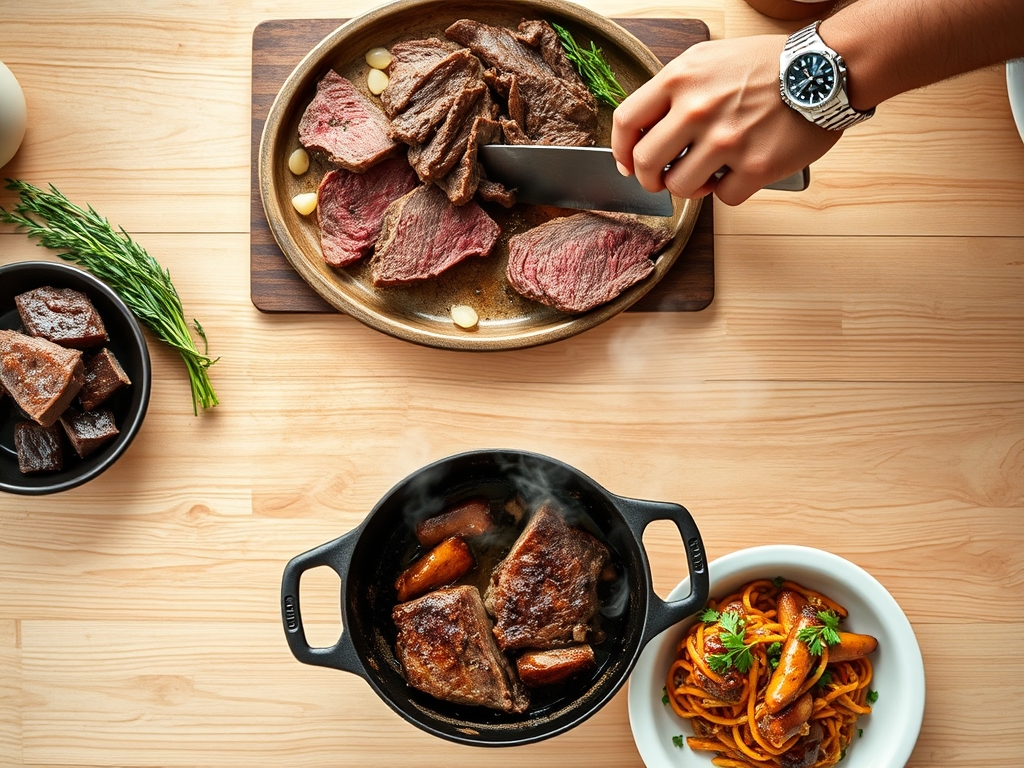
The Masterclass
1. The Maillard Initiation
Pat your beef dry with paper towels. Moisture is the enemy of a good crust. Season aggressively with kosher salt and black pepper. Heat your skillet until the oil reaches its smoke point, then use tongs to sear every side of the roast until a deep, mahogany crust forms.
Pro Tip: This is the Maillard reaction, a chemical dance between amino acids and reducing sugars. This step creates hundreds of flavor compounds that a slow cooker cannot produce on its own due to the presence of steam.
2. Deglazing the Fond
Once the meat is browned, remove it and pour a splash of broth or wine into the hot pan. Use a wooden spoon to scrape up the "fond," those brown bits stuck to the bottom.
Pro Tip: These bits are concentrated flavor gold. By deglazing, you are capturing toasted proteins that would otherwise be lost, ensuring your jus has a complex, layered profile rather than a flat, salty taste.
3. The Aromatic Infusion
Place the seared roast into the slow cooker. Surround it with your garlic, herbs, and pepperoncini. Pour the deglazed liquid and the remaining broth over the top until the meat is about two-thirds submerged.
Pro Tip: Do not fully submerge the meat. Leaving the top exposed allows for slight evaporation, which concentrates the flavors in the upper portion of the roast while the bottom braises.
4. Low-Temperature Denaturation
Set your cooker to "Low." This is where the magic happens over the next eight hours. The internal temperature needs to reach approximately 195 degrees Fahrenheit for the connective tissue to fully dissolve.
Pro Tip: Rapid boiling causes muscle fibers to contract and toughen. Keeping the temperature just below a simmer ensures the denaturation of proteins happens gently, resulting in a tender, fork-tender texture.
5. The Shred and Emulsify
Once tender, move the beef to a cutting board. Use two forks to shred it against the grain. Strain the remaining liquid into a saucier and simmer it on the stove to reduce by a third. Whisk in a knob of cold butter.
Pro Tip: Whisking cold fat into a hot liquid creates a stable emulsion. This gives the jus a silky mouthfeel and helps the sauce cling to the beef fibers when you toss them back together.
The Deep Dive
From a nutritional standpoint, this dish is a protein powerhouse. A standard six ounce serving provides roughly 40 grams of protein and is naturally low in carbohydrates, provided you skip the bun. For a Keto version, serve the beef over roasted cauliflower or mashed turnips. Vegan friends can mimic this flavor profile using rehydrated soy curls or king oyster mushrooms, though the cooking time will drop to thirty minutes. For a Gluten-Free adaptation, simply ensure your beef broth and Worcestershire sauce are certified GF.
The Fix-It:
- Too Salty? Drop in a peeled, halved potato for the last hour of cooking; it acts as a sponge for excess sodium.
- Greasy Sauce? Use a fat separator or chill the liquid so the fat solidifies at the top for easy removal.
- Tough Meat? It likely needs more time. If it is not shredding, the collagen has not yet converted to gelatin. Give it another hour.
Meal Prep: To maintain "day-one" quality, store the beef submerged in its jus. When reheating, use a gentle simmer on the stove rather than a microwave. This prevents the proteins from becoming rubbery and allows the capillary action to pull the juices back into the meat.
The Wrap-Up
Mastering italian roast beef recipes slow cooker style is about more than just "set it and forget it." It is about respecting the science of the sear and the patience of the braise. When you take the time to build layers of flavor through deglazing and proper emulsification, you elevate a humble pot roast into a culinary event. So, grab your tongs, fire up that skillet, and get ready to serve a meal that will have everyone asking for your secret. You can tell them it is love, but we both know it is chemistry.
The Kitchen Table
How do I prevent the beef from becoming dry?
Always cook the roast in a generous amount of liquid and keep the lid closed. Opening the lid releases steam and lowers the internal temperature, which can stall the collagen breakdown and result in a stringy, dry texture.
Can I use a different cut of meat?
Yes, but stick to "tough" cuts like brisket or bottom round. These contain the necessary connective tissues that transform into silky gelatin during long cooking cycles. Leaner cuts like sirloin will become incredibly dry and tough in a slow cooker.
What is the best way to store leftovers?
Store the shredded beef completely submerged in its cooking liquid in an airtight container. This prevents oxidation and ensures the meat stays moist. It will last in the refrigerator for up to four days or frozen for three months.
Should I sear the meat if I am in a hurry?
While you can skip it, you will lose the depth of flavor provided by the Maillard reaction. If you are short on time, even a quick three-minute sear on the top and bottom will significantly improve the final result.