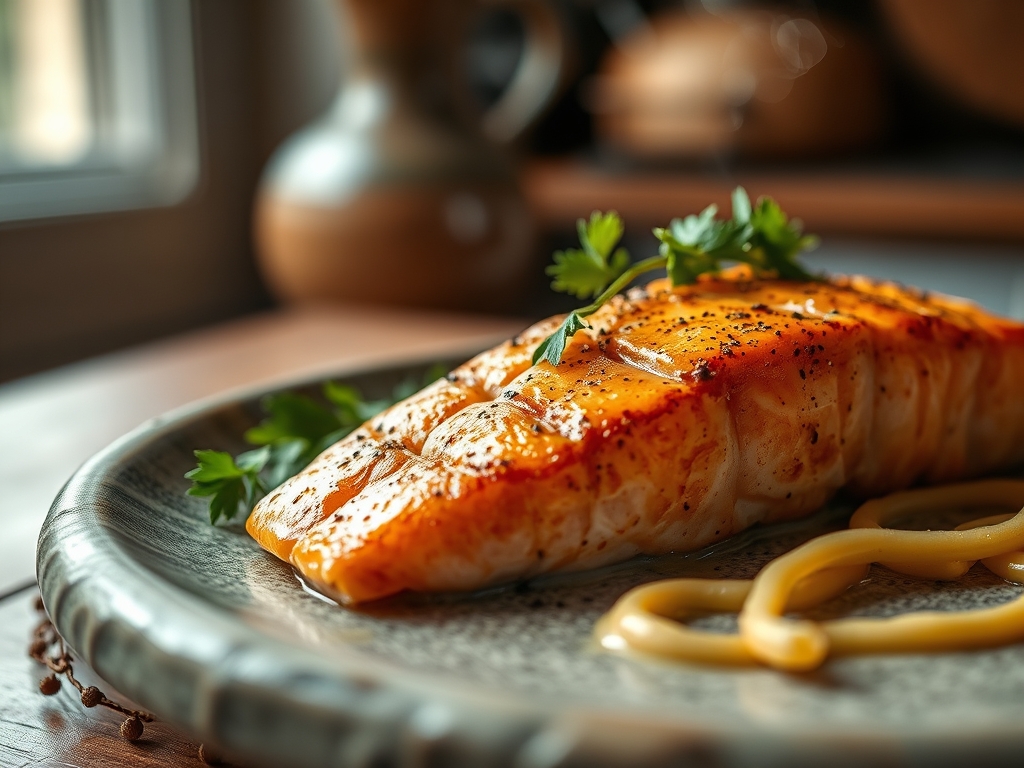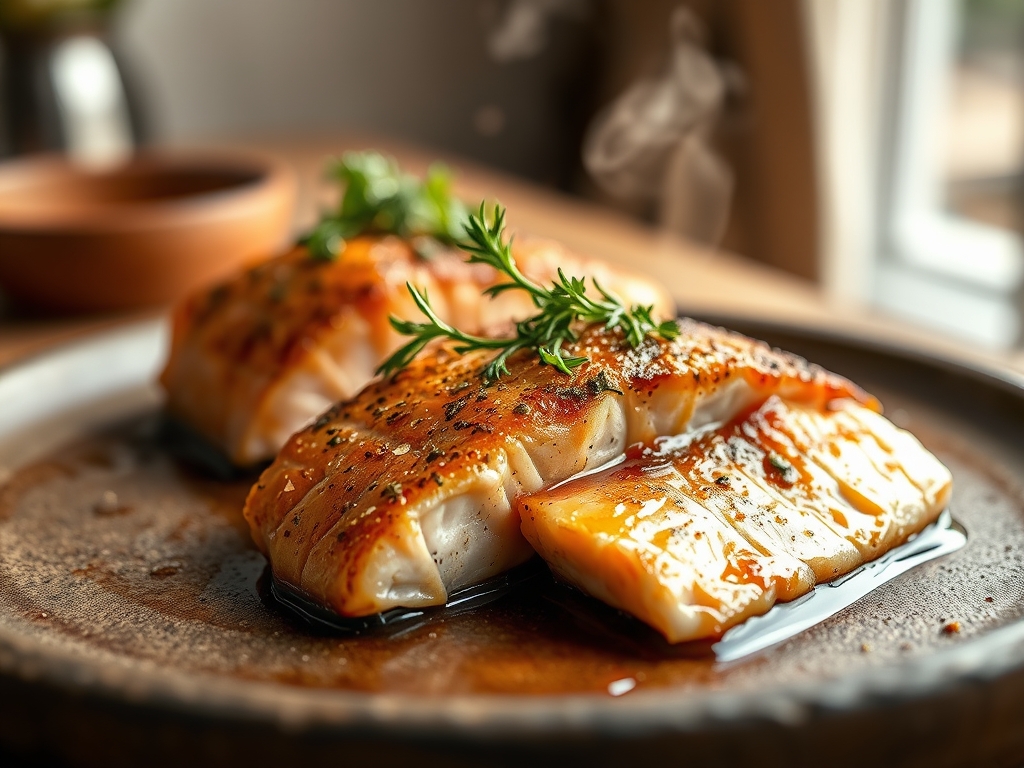
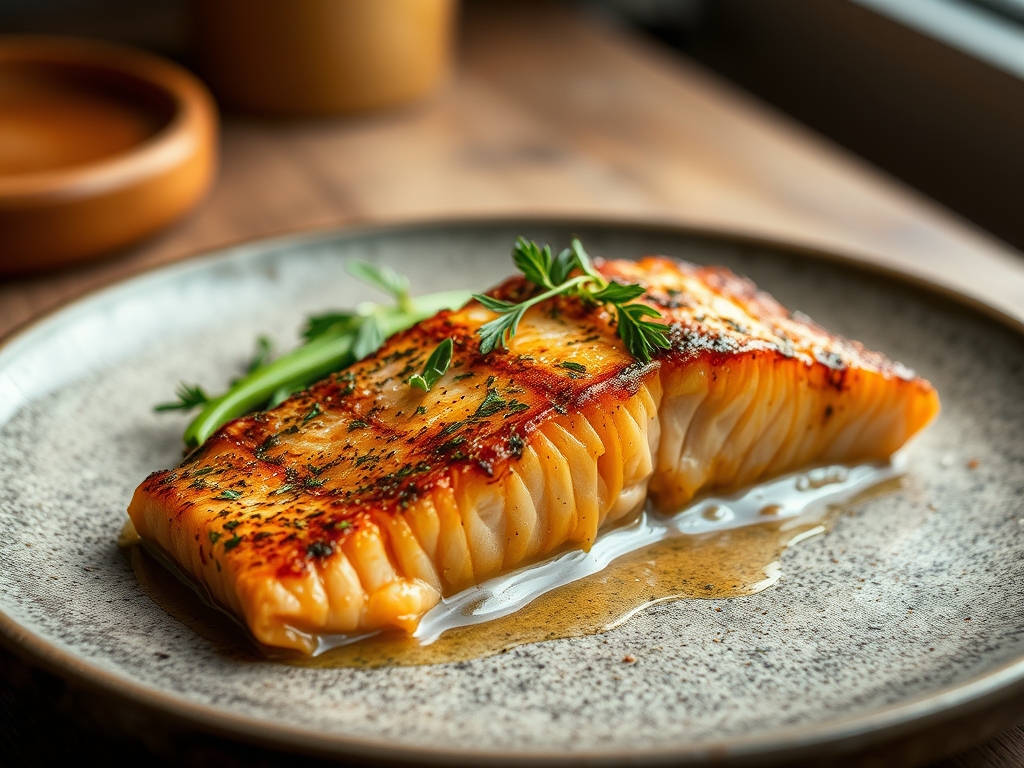
Close your eyes and listen for the sound of a heavy-bottomed stainless steel skillet meeting a high-heat flame. That sharp, rhythmic sizzle is the siren song of a perfect sear. When you are hunting for the ultimate fresh atlantic salmon recipes, you are not just looking for a meal; you are looking for that specific, buttery flake that melts against the tongue while the skin shatters like glass. Most home cooks treat salmon like a delicate flower, but in a professional kitchen, we treat it like a high-performance engine. We are balancing fat ratios, thermal conductivity, and the precise moment of protein coagulation. It is the difference between a sad, grey slab of fish and a vibrant, coral masterpiece that looks like it belongs on a magazine cover. We are going to master the art of the Maillard reaction without overcooking the interior. We are going to talk about why your fish sticks to the pan and how to fix it forever. Grab your apron and a glass of something crisp; we are about to turn your kitchen into a five-star bistro.
The Gathers:
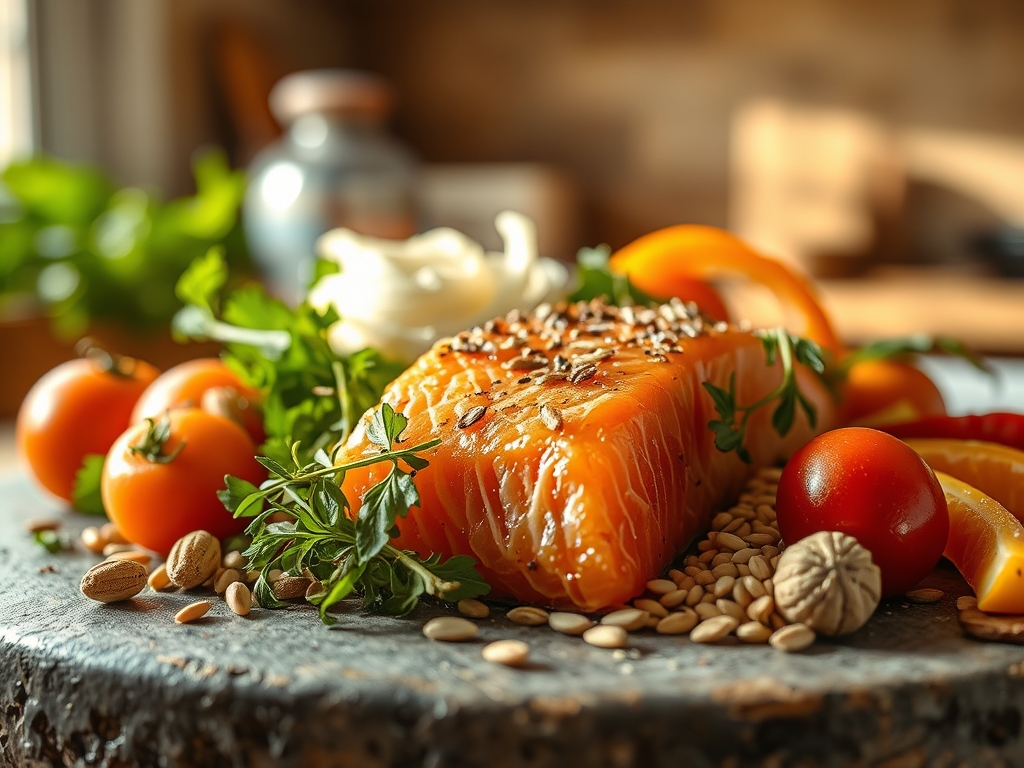
Before we touch the heat, we must respect the mise-en-place. For these fresh atlantic salmon recipes, start with center-cut fillets, ideally six to eight ounces each. You will need a high-smoke-point oil like avocado or grapeseed oil; do not use extra virgin olive oil here, as it will break down and turn bitter at searing temperatures. Gather kosher salt for its jagged crystal structure that adheres better to flesh, and cracked black pepper. For the aromatic infusion, have cold unsalted butter, three cloves of smashed garlic, and a few sprigs of woody thyme or rosemary ready.
Smart Substitutions: If you are avoiding dairy, swap the butter for a high-quality vegan butter alternative with a high water content to mimic the milk solid browning. If you lack fresh herbs, a teaspoon of dried herbes de Provence added to the oil at the very end will suffice. For a piquant kick, keep a lemon and a microplane nearby to zest directly over the finished plate; this provides essential acidity without the moisture that could soggy the skin.
The Clock
The "Chef's Flow" is all about timing and temperature. You cannot rush a cold piece of fish. Plan for twenty minutes of "tempering" where the salmon sits at room temperature to ensure even heat distribution. The actual active cooking time is remarkably short: six to eight minutes total. Prep takes ten minutes of focused knife work and drying. If you are serving this with a side, ensure your starches or greens are ninety percent complete before the fish ever hits the pan. Salmon waits for no one; it must be served immediately to maintain the integrity of the crispy skin.
The Masterclass
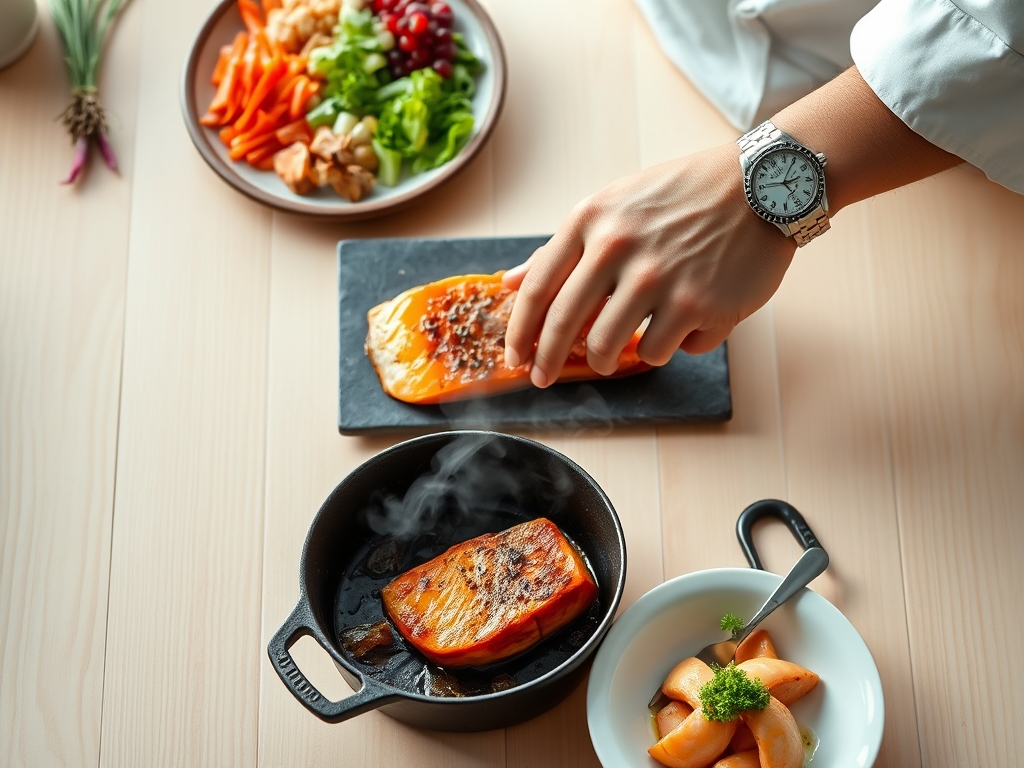
1. The Desiccation Ritual
Use a paper towel to press every molecule of moisture off the skin. If the skin is damp, the energy from the pan will go toward evaporating water rather than browning the surface.
Pro Tip: This is about latent heat of vaporization. By removing surface water, you allow the skin to reach the 285 degree Fahrenheit threshold for the Maillard reaction almost instantly, preventing the flesh from overcooking while you wait for a crunch.
2. The Weight of the World
Place the salmon skin-side down in a shimmering, hot skillet and immediately press down with a flexible fish spatula for thirty seconds.
Pro Tip: Proteins naturally contract when they hit heat, causing the fish to curl upward. By applying manual pressure, you ensure total surface-to-pan contact, leading to a uniform, viscous fat rendering across the entire skin.
3. The Gentle Flip
Once the skin releases naturally from the pan (do not force it!), use your tongs to gently turn the fillet. The skin should look like bronzed parchment.
Pro Tip: This is the "70/30 rule." Cook the fish seventy percent of the way on the skin side to protect the delicate muscle fibers. The skin acts as a thermal buffer, preventing the proteins from tightening and squeezing out the moisture.
4. The Butter Baste
Drop your cold butter, garlic, and herbs into the pan. Tilt the skillet so the melting fat pools at the bottom, then use a large spoon to rapidly infuse the hot fat over the fish.
Pro Tip: This technique, known as arroser, uses the hot milk solids to create a nutty flavor profile while the fat fills any microscopic gaps in the crust, enhancing the sensory "mouthfeel."
5. The Carryover Rest
Remove the salmon when a digital thermometer reads 125 degrees Fahrenheit for medium-rare. Transfer it to a warm plate, not a cold one.
Pro Tip: Thermal carryover will continue to raise the internal temperature by another five to seven degrees. If you wait until it looks "done" in the pan, it will be dry by the time it reaches the table.
The Deep Dive
From a macro perspective, Atlantic salmon is a powerhouse of Omega-3 fatty acids and high-quality protein. A standard six-ounce portion delivers roughly 34 grams of protein and 22 grams of healthy fats. For those on a Keto or Paleo path, this is the gold standard of "clean" fuel. If you are cooking for a vegan guest, use the same searing techniques on a thick "steak" of cauliflower or a large King Oyster mushroom to mimic the texture.
The Fix-It:
- The White Gunk: If you see white beads (albumin) popping out, the heat was too high too fast. Next time, temper the fish longer and lower the initial sear temp.
- Sticking: If the fish won't budge, it is not ready. Wait another thirty seconds for the proteins to denature and release from the metal.
- Soggy Skin: This happens when you cover the fish or let it sit in sauce. Always serve the sauce underneath the fillet, never on top.
Meal Prep: To reheat without turning your fish into rubber, avoid the microwave. Place it in a 275 degree oven with a splash of water and cover with foil for eight minutes. This creates a gentle steam environment that rehydrates the fibers without re-cooking the core.
The Wrap-Up
Mastering professional fresh atlantic salmon recipes is about more than just following a list of steps; it is about understanding the physics of the pan and the chemistry of the crust. When you use a heavy-bottomed skillet and respect the power of desiccation, you elevate a simple piece of seafood into a culinary event. You have the tools, the science, and the technique to out-cook any local bistro. Now, get that skillet shimmering and show that salmon who is boss!
The Kitchen Table
Why does my salmon have white stuff on it?
That white substance is albumin, a protein that escapes when the muscle fibers contract too quickly. To prevent this, cook the salmon more gently and avoid aggressive high heat, which "squeezes" the moisture and protein out of the flesh.
Should I leave the skin on when cooking?
Yes, always keep the skin on during the cooking process. It acts as a natural insulator, protecting the delicate flesh from direct heat and ensuring the meat remains moist. You can easily remove it after cooking if you prefer.
How do I know when the salmon is done?
The most reliable method is using a digital thermometer to reach 125-130 degrees Fahrenheit for a perfect medium. Alternatively, press the thickest part; it should yield slightly and begin to flake along the natural fat lines when gently nudged.
Is it better to bake or pan-sear salmon?
Pan-searing is superior for texture, providing a crispy skin and a rich flavor through the Maillard reaction. Baking is better for large batches or thicker fillets where even, indirect heat prevents the exterior from drying out before the center cooks.