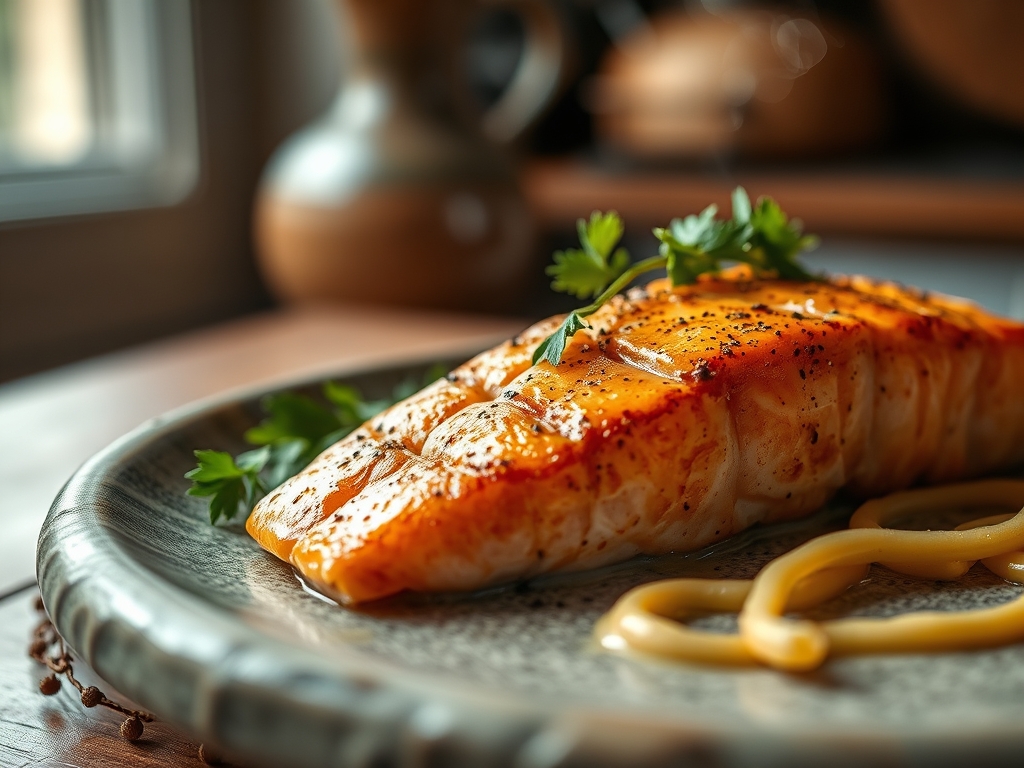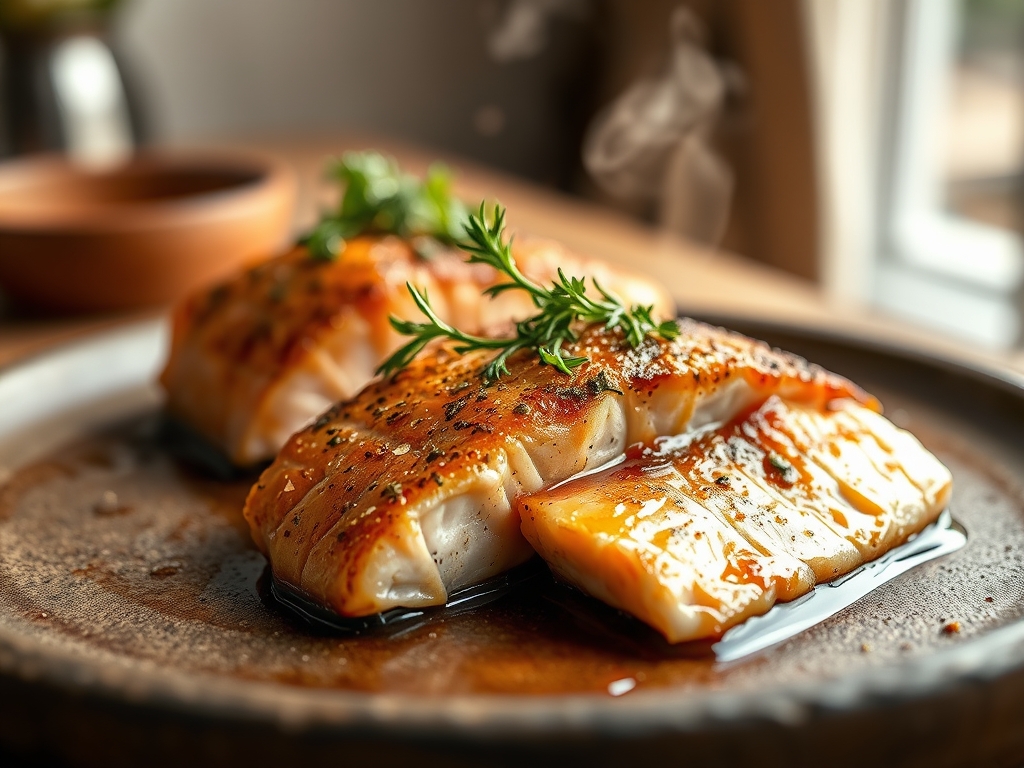
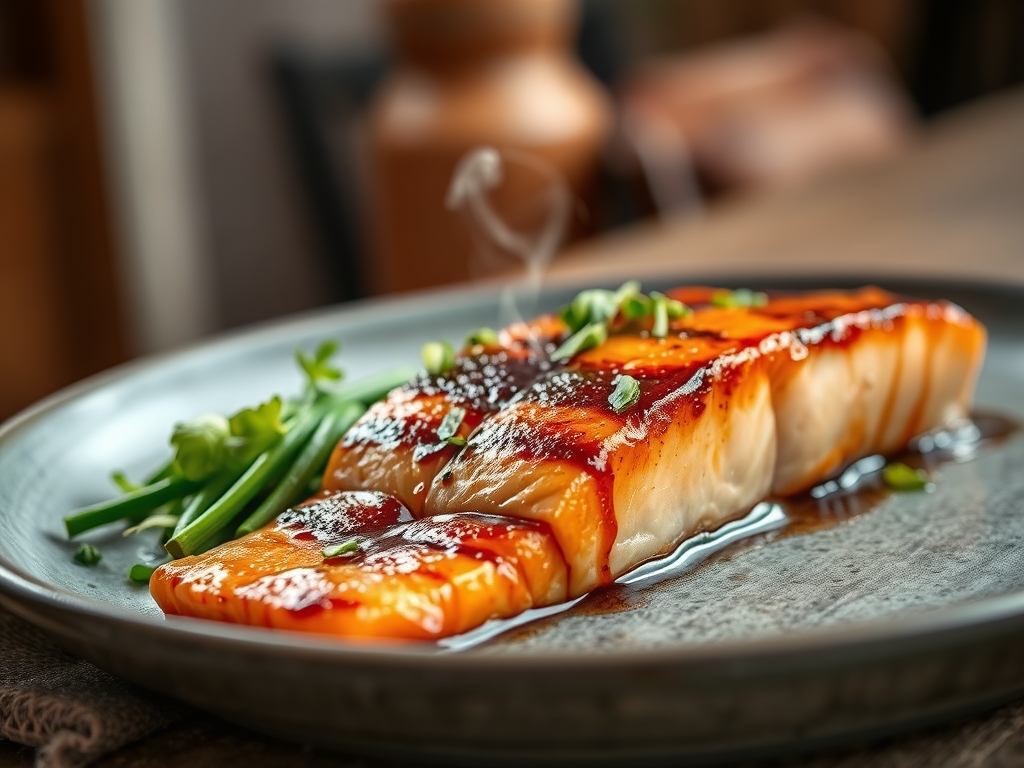
Close your eyes and listen for the distinct, rhythmic sizzle of cold protein hitting a searing cast iron surface. That sound is the overture to one of the most reliable, nutrient-dense meals in a chef's repertoire. When you master healthy teriyaki salmon recipes, you are not just cooking; you are orchestrating a delicate balance between omega-3 fatty acids and the complex sugars of a refined glaze. The air fills with the scent of toasted ginger and the sharp, piquant aroma of fermenting soy. It is a sensory experience that feels indulgent but functions like high-octane fuel for your body.
Most people settle for bottled sauces that are essentially liquid candy. We are going to do something better. We are going to use molecular chemistry to create a viscous, deep-mahogany coating that clings to the fish without the need for refined white sugar or corn syrup. We are looking for that perfect flake; a texture that yields to a fork with zero resistance while maintaining a crisp, caramelized exterior. This is where high-end culinary technique meets weekday practicality. Let us get your mise-en-place ready because this moves fast once the heat is on.
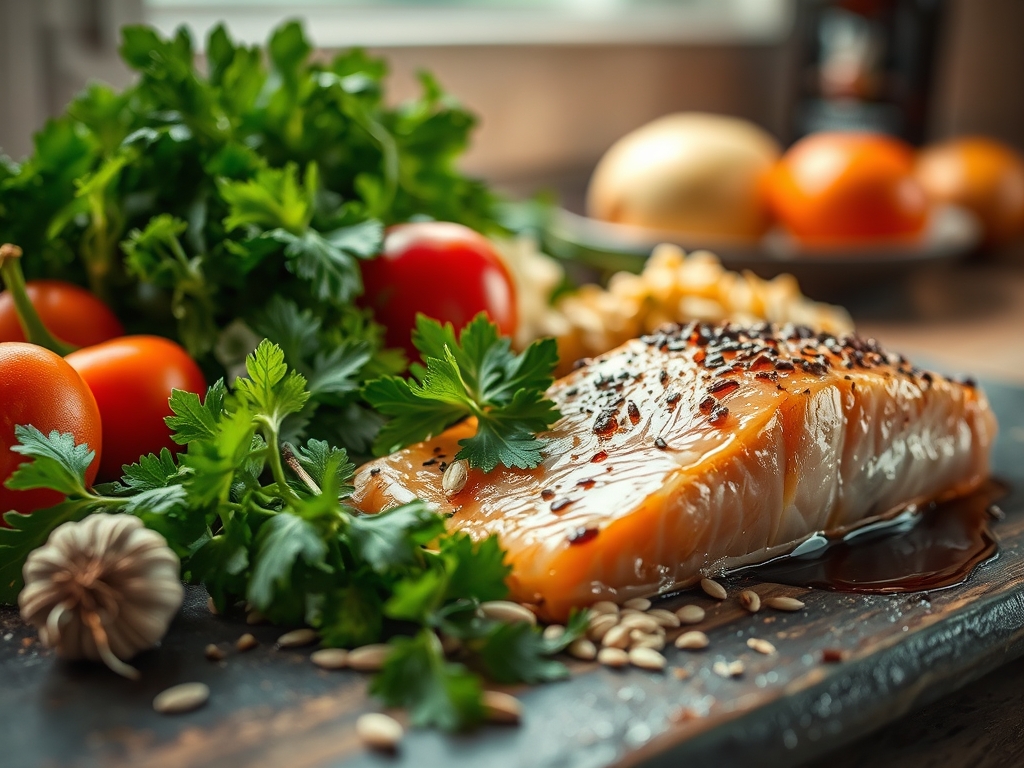
The Gathers:
Precision starts with your ingredients. Grab your digital scale to ensure your ratios are exact. For the protein, look for wild-caught Coho or King salmon. You want fillets with consistent thickness so they cook at the same rate. Use a bench scraper to clear your workstation as you prep these essentials.
For the sauce, we are swapping the traditional heavy hitters for "Smart Substitutions." Instead of soy sauce, use liquid aminos or tamari for a gluten-free base with a lower glycemic index. Replace white sugar with raw honey or maple syrup; these contain enzymes and minerals that assist in a more complex Maillard reaction. You will also need fresh aromatics. Use a microplane to grate ginger and garlic into a fine paste. This increases the surface area, allowing the oils to infuse the sauce instantly rather than floating on top. Finally, a splash of mirin or rice vinegar provides the acidity needed to cut through the fatty richness of the fish.
The Clock
Efficiency in the kitchen is about "Chef's Flow." Total active time for this dish is roughly 25 minutes. You will spend 10 minutes on prep; mostly grating aromatics and whisking your glaze in a small saucier. The actual cook time is a lightning-fast 8 to 12 minutes depending on the thickness of your fillets.
The secret to the flow is multitasking. While your heavy-bottomed skillet preheats, you are patting the salmon bone-dry. Moisture is the enemy of a good sear. If the skin is damp, it will steam rather than crisp. By the time the pan reaches the smoke point of your avocado oil, your salmon should be seasoned and ready to hit the heat.
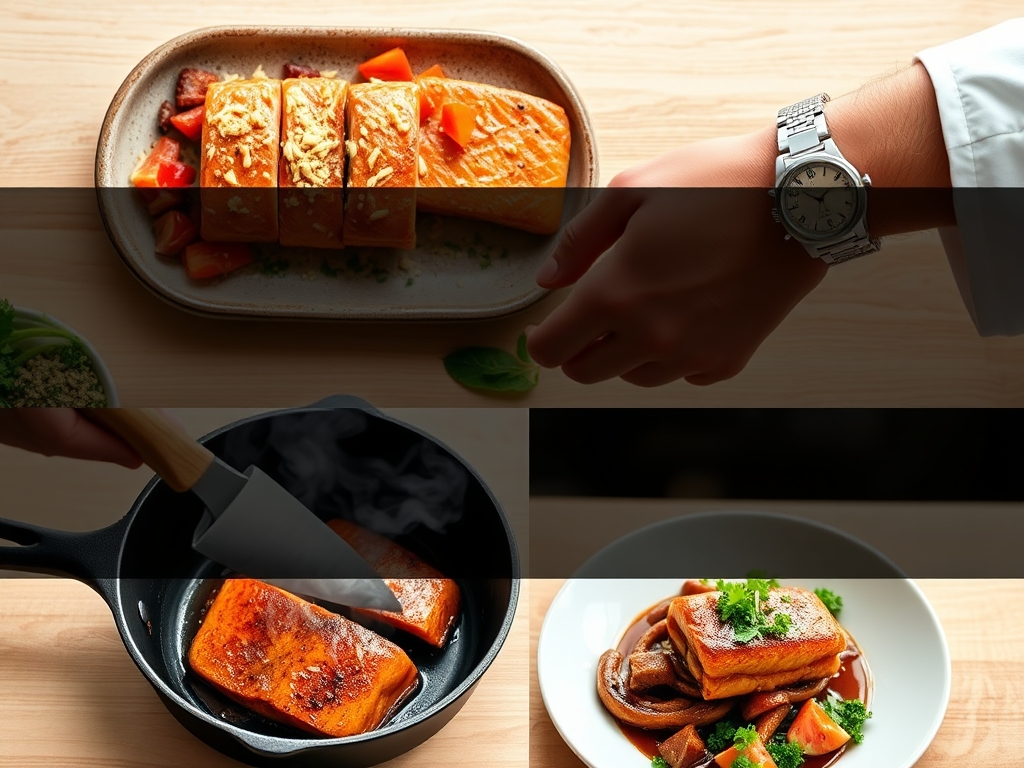
The Masterclass
1. The Desiccation Phase
Use a paper towel to press every ounce of moisture from the salmon skin. Place the fillets on a cooling rack for five minutes to allow the surface to air-dry.
Pro Tip: This is known as surface desiccation. By removing water, you prevent the formation of a steam barrier, allowing the heat to directly trigger the Maillard reaction for a crispier texture.
2. The Searing Foundation
Heat avocado oil in a stainless steel or cast iron pan until it shimmers. Place the salmon skin-side down using tongs, pressing firmly for ten seconds to prevent the protein fibers from curling.
Pro Tip: This initial pressure ensures even contact with the heat source. The skin acts as an insulator, protecting the delicate flesh from toughening while the fat begins to render.
3. The Aromatics Infusion
Once the skin is crisp, flip the fish. Toss in your grated ginger and garlic. Move them around with a silicone spatula so they do not burn but begin to release their volatile oils.
Pro Tip: Garlic contains allicin, which can become bitter if scorched. Adding it halfway through the process ensures you get the flavor without the acrid aftertaste of over-toasted bits.
4. The Glaze Reduction
Pour your prepared teriyaki mixture into the pan. It will bubble violently as the water content evaporates. Use a spoon to continuously baste the top of the salmon.
Pro Tip: This is a technique called nappe. As the sauce reduces, the sugars become more concentrated and viscous, eventually coating the back of a spoon and the fish perfectly.
5. The Resting Period
Remove the salmon when the internal temperature hits 125 degrees Fahrenheit. Transfer it to a warm plate and let it sit for three minutes before serving.
Pro Tip: This accounts for thermal carryover. The internal temperature will rise another 5 degrees while resting, ensuring the center is succulent rather than chalky.
The Deep Dive
When we look at the macro nutrition of healthy teriyaki salmon recipes, we see a powerhouse profile. A standard 6-ounce serving provides roughly 34 grams of protein and 18 grams of healthy fats. By using honey instead of brown sugar, you are also getting a hit of antioxidants.
If you are following a specific diet, the swaps are easy. For Keto, replace the honey with a monk fruit sweetener and use xanthan gum to thicken the sauce. For a Vegan alternative, this same glaze works beautifully on firm tofu or "steaks" of cauliflower.
The Fix-It
- Problem: The sauce is too thin and won't stick. Fix: Whisk a teaspoon of arrowroot powder into a tablespoon of cold water and stir it into the simmering sauce to create a glossy slurry.
- Problem: The skin is sticking to the pan. Fix: You likely tried to flip it too early. Protein "releases" naturally once the sear is complete. Wait another 30 seconds.
- Problem: The garlic is burning before the fish is done. Fix: Deglaze the pan with a tablespoon of water or sake to instantly drop the surface temperature.
Meal Prep Science
To maintain "day-one" quality when reheating, do not use the microwave. The high-frequency waves agitate water molecules, making the fish rubbery. Instead, place the salmon in a covered pan with a teaspoon of water over low heat. This creates a gentle steam environment that rehydrates the proteins without overcooking them.
The Wrap-Up
You now have the technical blueprint to turn a simple piece of fish into a restaurant-quality masterpiece. Mastering healthy teriyaki salmon recipes is about respecting the science of the sear and the chemistry of the glaze. It is fast, it is vibrant, and it is a total flex of your culinary muscles. Now, get that skillet screaming hot and show that salmon who is boss!
The Kitchen Table
Can I make this recipe without any added sugar?
Yes. You can use blended dates or a reduction of fresh pineapple juice. These provide natural sweetness and the necessary viscosity to glaze the salmon without using refined sugars or syrups.
What is the best way to tell if salmon is done?
Use a digital thermometer to check for an internal temperature of 130 degrees Fahrenheit. Alternatively, press the top of the fillet; if the flakes begin to separate easily along the white fat lines, it is ready.
Why is my teriyaki sauce turning bitter?
Bitterness usually occurs if the garlic or ginger burns in the dry pan. Always ensure there is enough fat or liquid in the skillet when adding aromatics, and never let them sit on high heat alone.
Can I use frozen salmon for this recipe?
Absolutely. Just ensure the fillets are completely thawed in the refrigerator and patted extremely dry. Frozen salmon often holds more moisture, so the desiccation step is even more critical for a good sear.