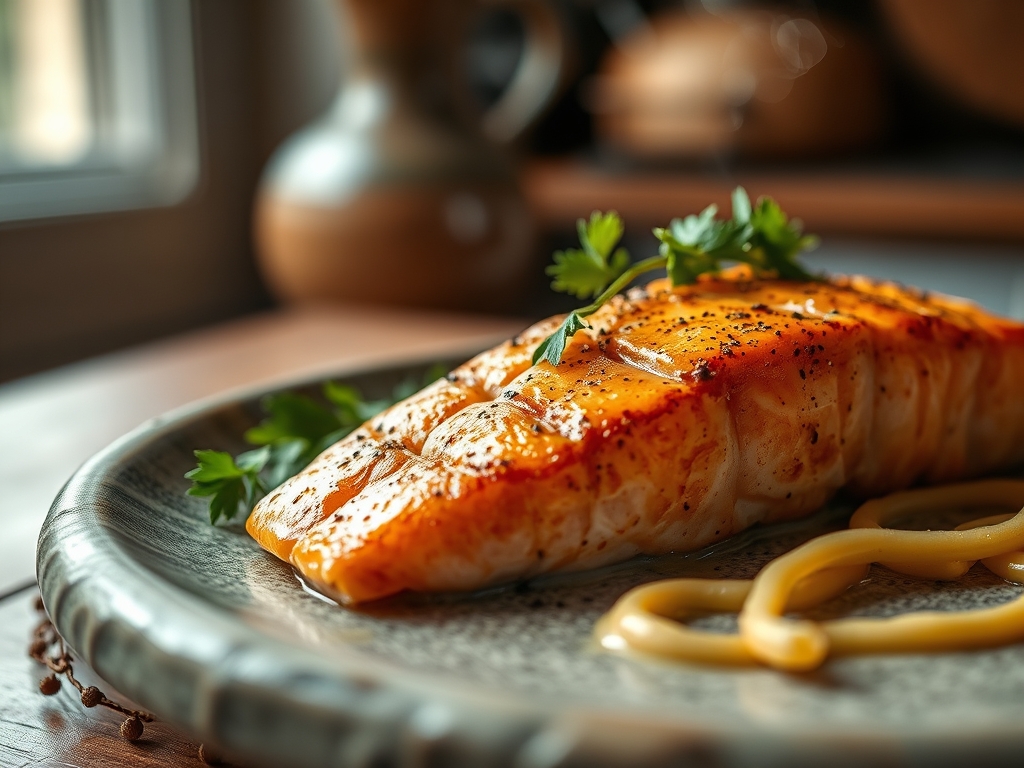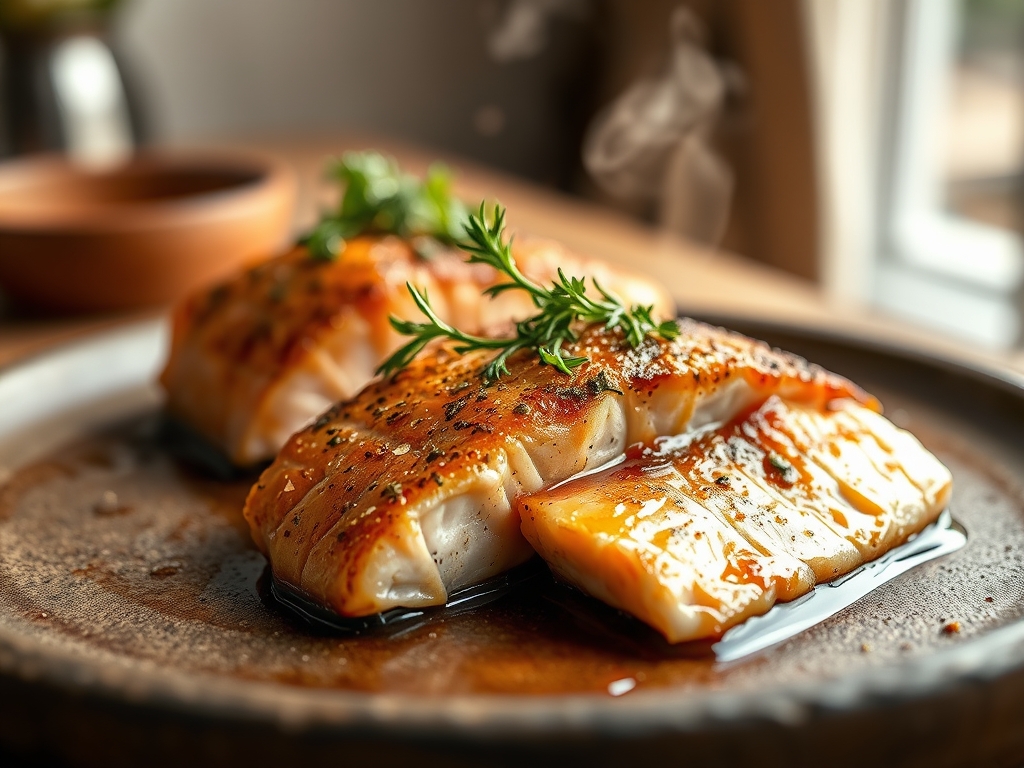
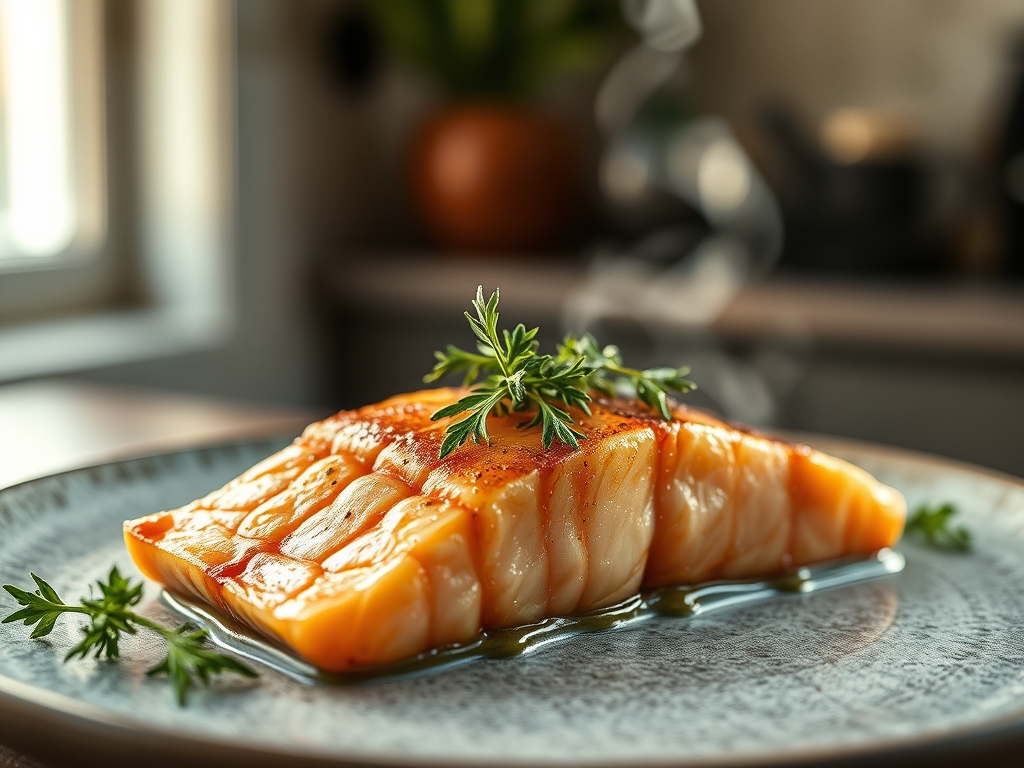
Picture a crisp morning on the Alaskan coast where the air tastes of salt and the water is a deep, frigid turquoise. This is the home of the pink salmon, a fish often overlooked by its larger cousins but prized by locals for its delicate texture and light, approachable flavor. Mastering alaskan pink salmon recipes requires more than just heat; it demands an understanding of the delicate protein structures that make this wild caught wonder so unique. Unlike the fatty king salmon, pinks are lean and agile, meaning they require a gentle hand and a bit of kitchen science to prevent them from drying out. When handled correctly, the flesh transforms into a succulent, flakey masterpiece that carries bright citrus and earthy herbs with ease. We are going to dive into the traditional techniques used by the people who live where these fish run, blending old world wisdom with modern culinary precision. Grab your apron and your sharpest fillet knife because we are about to turn a simple catch into a five star experience.
The Gathers:
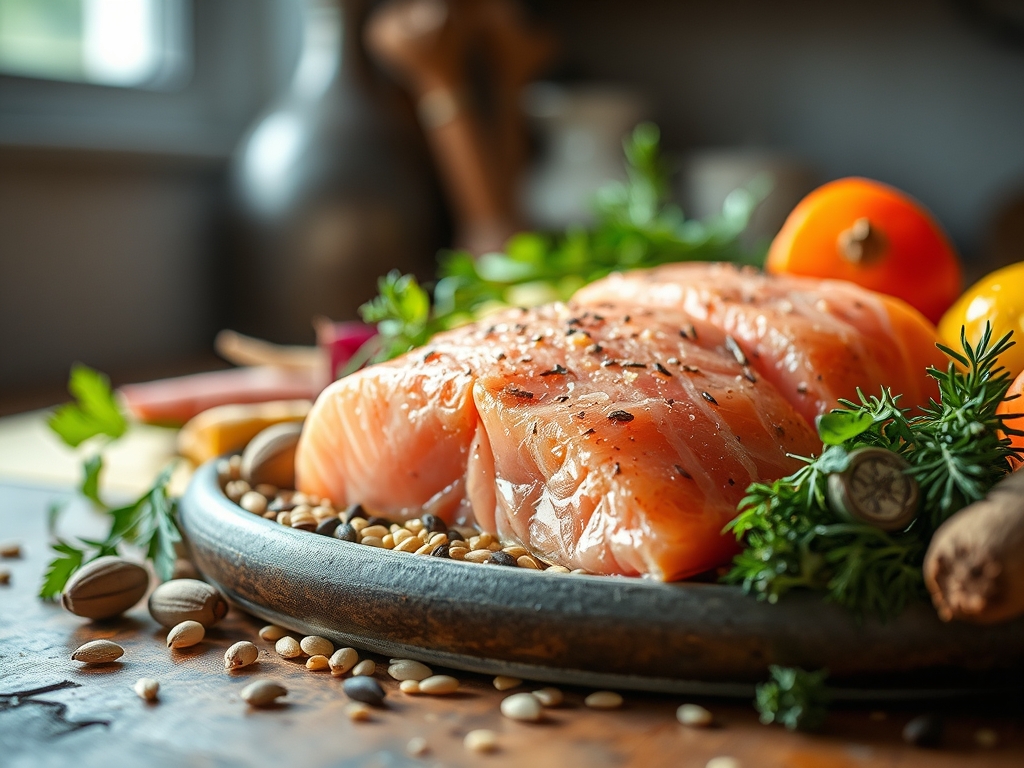
To execute these alaskan pink salmon recipes with professional finesse, your mise en place must be precise. Start with two pounds of fresh or thawed pink salmon fillets. You will need high quality fats to compensate for the leanness of the fish; think cold pressed olive oil or unsalted European butter with a high butterfat content. For the aromatics, gather fresh dill, flat leaf parsley, and a bulb of garlic. The piquant notes will come from a jar of non-pareil capers and the zest of two organic lemons.
Your toolkit is just as vital as your ingredients. Pull out your heavy bottomed skillet, preferably cast iron or stainless steel, to ensure even heat distribution. You will also need a microplane for zesting, a digital scale for precise seasoning, and a fish spatula with a thin, flexible edge to navigate the delicate skin.
Smart Substitutions: If you cannot find fresh dill, use fennel fronds to maintain that herbaceous profile. If you are avoiding dairy, a high quality avocado oil provides a similar smoke point and a viscous mouthfeel without the lactose. For those who want an extra kick, swap the black pepper for white pepper to provide a sharp, floral heat that does not distract the eye from the pale pink flesh.
The Clock:
Efficiency in the kitchen is about the Chef's Flow. This is the art of overlapping tasks so that no second is wasted.
- Prep Time: 15 minutes. This includes patting the fish dry to ensure a perfect sear and mincing your aromatics.
- Cook Time: 8 to 12 minutes depending on the thickness of your fillets.
- Resting Time: 5 minutes. This is non-negotiable for moisture retention.
The total commitment is under 35 minutes. While the skillet preheats, you are zesting. While the fish rests, you are deglazing the pan to create a pan sauce. This rhythmic approach ensures that the meal hits the table at the peak of its sensory appeal.
The Masterclass:
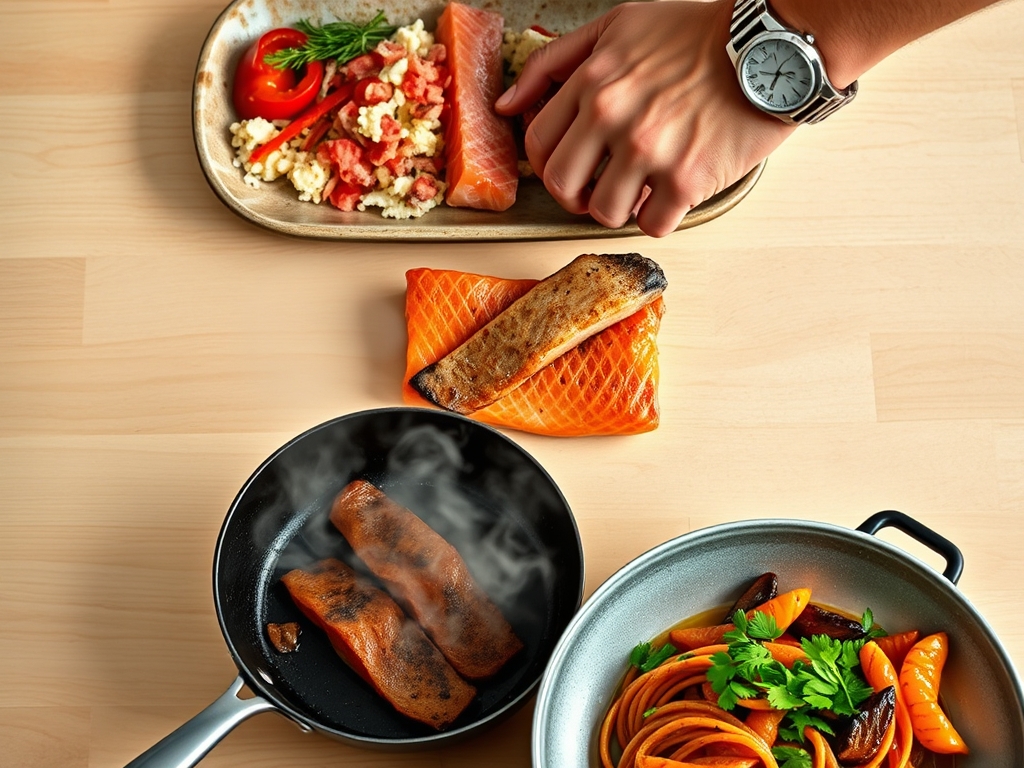
1. The Desiccation Ritual
The enemy of a crispy skin is moisture. Use a paper towel to press firmly onto the surface of the fish until it feels tacky to the touch. This removes surface water that would otherwise turn into steam, preventing the Maillard reaction.
Pro Tip: This process is known as surface dehydration. By removing water molecules, you allow the proteins and sugars on the skin to bond more quickly with the heat, resulting in a golden, shatter-crisp texture rather than a rubbery finish.
2. Precision Seasoning
Weight your salt. Use a digital scale to measure out 1.5 percent of the fish's weight in kosher salt. Sprinkle from a height of twelve inches to ensure an even distribution of crystals across the entire surface.
Pro Tip: Salting early triggers denaturation, where the salt ions penetrate the muscle fibers. This helps the fish retain its internal juices during the high heat of the cooking process.
3. The Cold Pan Start
Place the salmon skin side down in a cold heavy bottomed skillet before turning the heat to medium high. This allows the fat under the skin to render slowly as the pan warms up, leading to a more uniform crunch.
Pro Tip: Starting cold prevents the protein fibers from "shrugging" or contracting too violently. This prevents the fillet from curling and ensures the skin maintains maximum contact with the heat source.
4. The Weight Technique
Use a heavy press or another smaller skillet to hold the fillets down for the first two minutes. This ensures the skin remains flat and fries evenly in its own rendered fats.
Pro Tip: This is a mechanical solution to thermal expansion. By applying pressure, you prevent the formation of steam pockets between the skin and the flesh, which often leads to soggy patches.
5. The Butter Baste
Once you flip the fish, drop a knob of butter and crushed garlic into the pan. Use a large spoon to continuously drench the skin in the bubbling fat. This is known as arrosage.
Pro Tip: Butter basting introduces convection heat to the top of the fish while it finishes cooking. The milk solids in the butter caramelize, adding a nutty complexity to the flavor profile.
6. The Deglaze
Remove the fish and immediately toss in a splash of dry white wine or lemon juice. Use a bench scraper or whisk to lift the brown bits, or fond, from the bottom of the pan.
Pro Tip: Deglazing is a chemical extraction of flavor. The acidity of the liquid dissolves the caramelized proteins, creating a concentrated base for a sophisticated pan sauce.
7. The Emulsification
Whisk in cold butter or a dollop of Dijon mustard into your deglazing liquid until the sauce becomes thick and viscous. This creates a stable emulsion that coats the back of a spoon.
Pro Tip: Emulsification is the process of forcing two immiscible liquids, like oil and water, into a homogenous mixture. The lecithin in mustard acts as a bridge, keeping the sauce from breaking.
8. The Resting Phase
Transfer the salmon to a warm plate and let it sit for five minutes. Do not tent it with foil, as this will trap steam and soften the skin you worked so hard to crisp.
Pro Tip: This allows for thermal carryover. The internal temperature will rise by about five degrees while resting, ensuring the center reaches the perfect medium rare without overcooking the exterior.
9. The Aerate Finish
Garnish with freshly chopped herbs at the very last second. Use a sharp knife to avoid bruising the leaves, which causes oxidation and a bitter taste.
Pro Tip: Aerating the herbs by tossing them lightly over the hot fish releases volatile oils. These aromatic compounds hit the nose before the first bite, enhancing the overall perception of flavor.
The Deep Dive:
When we look at the macro nutrition of alaskan pink salmon recipes, we see a powerhouse of lean protein. A six ounce serving provides roughly 34 grams of protein and only 6 grams of fat, making it an ideal choice for muscle recovery and heart health. It is exceptionally high in Vitamin B12 and Selenium.
Dietary Swaps: For a Keto version, double the butter baste and serve over sautéed spinach. For a Vegan alternative, this same searing technique works wonders on "slabs" of king oyster mushrooms. To keep it Gluten Free, ensure your Dijon mustard is certified, as some brands use wheat based thickeners.
The Fix-It:
- Fish is sticking: You likely tried to flip it too early. The fish will naturally "release" from the pan once the skin is fully carbonized.
- White gunk appearing: This is albumin, a protein that leaks out when the fish is cooked too fast or too high. Lower your heat.
- Soggy skin: You didn't dry the fish enough or you crowded the pan. Give each fillet space to breathe.
Meal Prep: To reheat salmon without it turning into a brick, use the "Low and Slow" method. Place it in a 275 degree oven with a teaspoon of water and cover tightly with foil for 8 minutes. This creates a mini steam chamber that restores moisture to the protein fibers.
The Wrap-Up:
There is a profound satisfaction in mastering a traditional ingredient like Alaskan pink salmon. It is a dance of temperature, timing, and technique. By focusing on the science of the sear and the chemistry of the sauce, you turn a humble protein into a gourmet staple. Remember that the best recipes are the ones where you understand the "why" behind every step. Now, go forth, fire up that skillet, and show that salmon who is boss!
The Kitchen Table:
How do I tell when pink salmon is done?
Use a digital thermometer to check for an internal temperature of 125 to 130 degrees Fahrenheit. The flesh should be opaque and pull apart easily with a fork while remaining moist in the center.
Can I use frozen pink salmon for these recipes?
Yes, but thaw it completely in the refrigerator overnight. Pat it extremely dry with paper towels before cooking to remove the excess moisture gained during the freezing process, ensuring a proper sear.
Why is my salmon falling apart in the pan?
Pink salmon has a delicate structure. Overhandling or using a blunt spatula can break the flakes. Use a thin, flexible fish spatula and only flip the fillet once during the entire cooking process.
Is the skin on pink salmon edible?
Absolutely. When seared correctly using the cold pan start method, the skin becomes thin and crispy, similar to a potato chip. It contains high concentrations of healthy Omega 3 fatty acids and adds great texture.