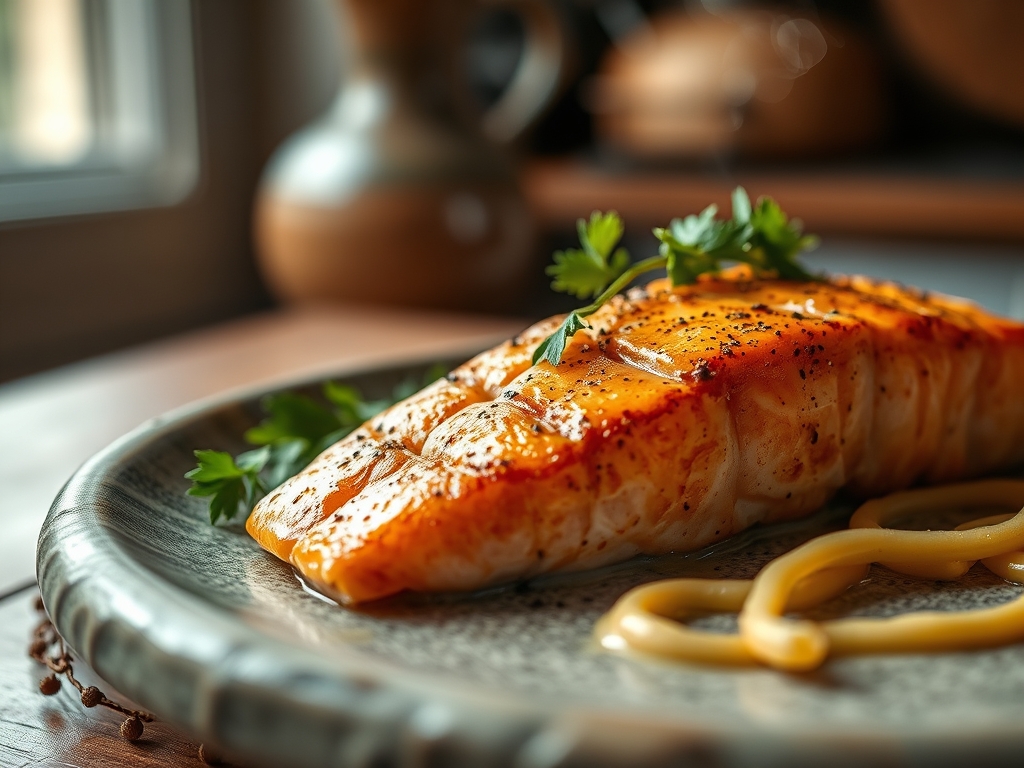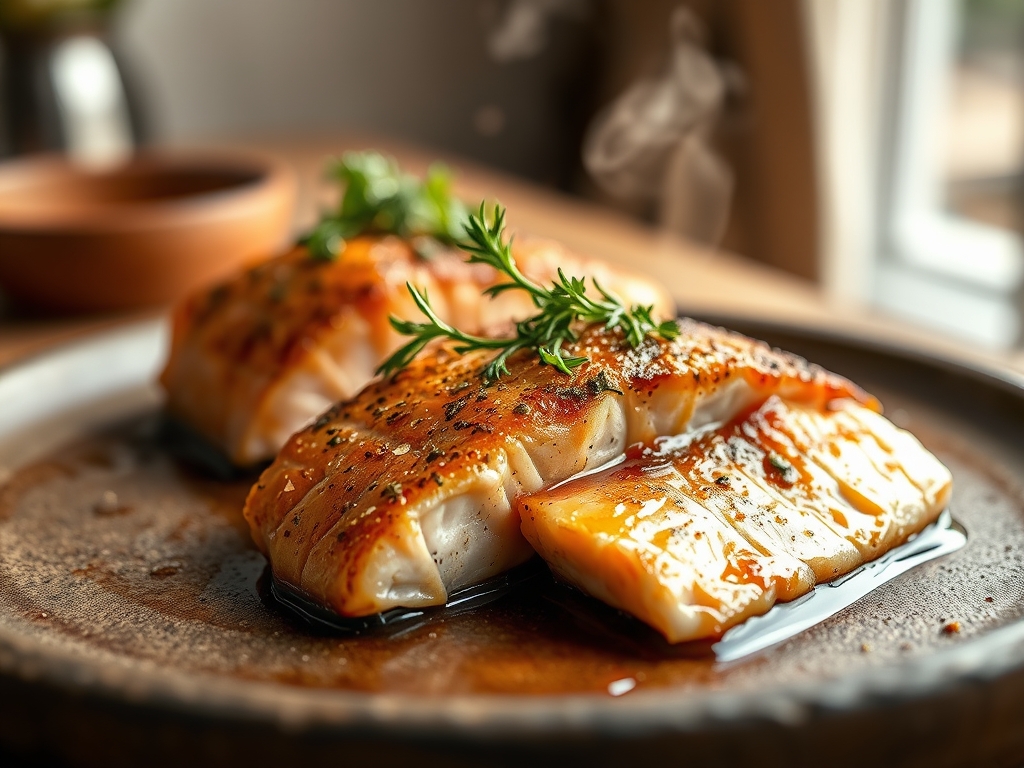
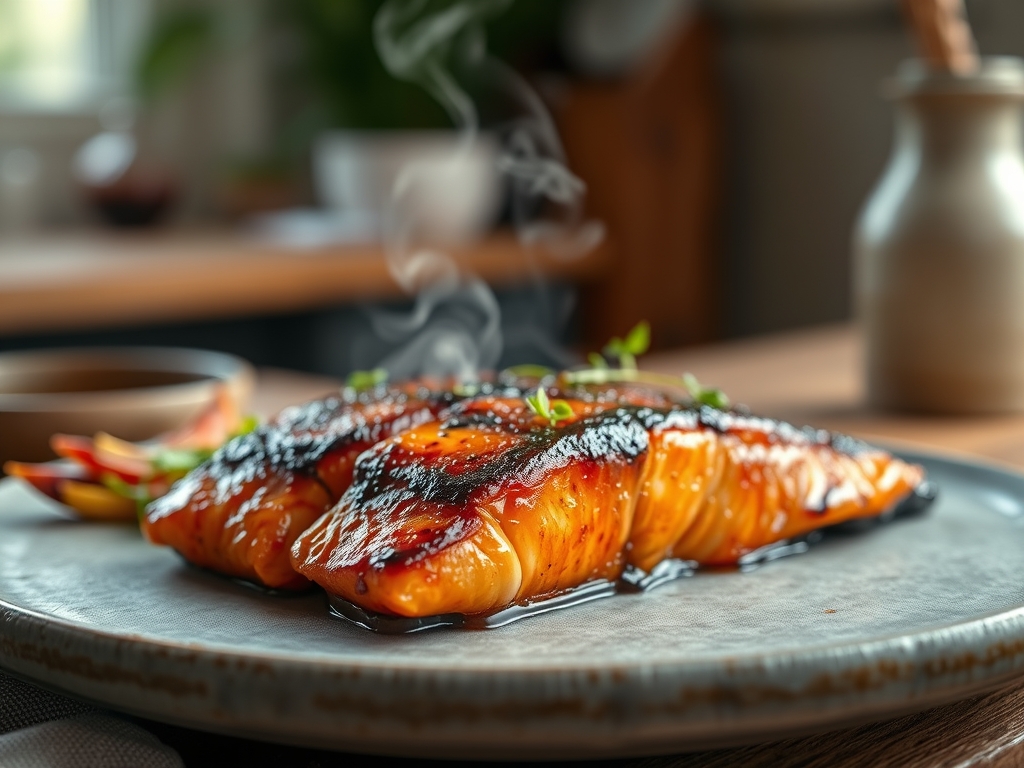
Imagine the scent of cedar smoke mingling with the sharp, piquant aroma of charred citrus as a deep ruby fillet hits the grates. Mastering barbecue sockeye salmon recipes is less about following a list of instructions and more about understanding the volatile chemistry of fat and fire. Sockeye is the marathon runner of the Pacific; it is leaner, firmer, and more vibrant than its Atlantic cousins. This means it requires a surgical approach to heat to prevent it from turning into expensive driftwood. We are aiming for that glorious intersection of a glass-like, crispy skin and a translucent, buttery interior that flakes at the mere suggestion of a fork. Whether you are hosting a summer garden party or just craving a high-protein masterpiece, the secret lies in controlling the moisture. Sockeye contains a high concentration of astaxanthin, the antioxidant that gives it that iconic red hue, which also makes it more sensitive to overcooking. Today, we are going to bridge the gap between backyard grilling and professional culinary science.
The Gathers:
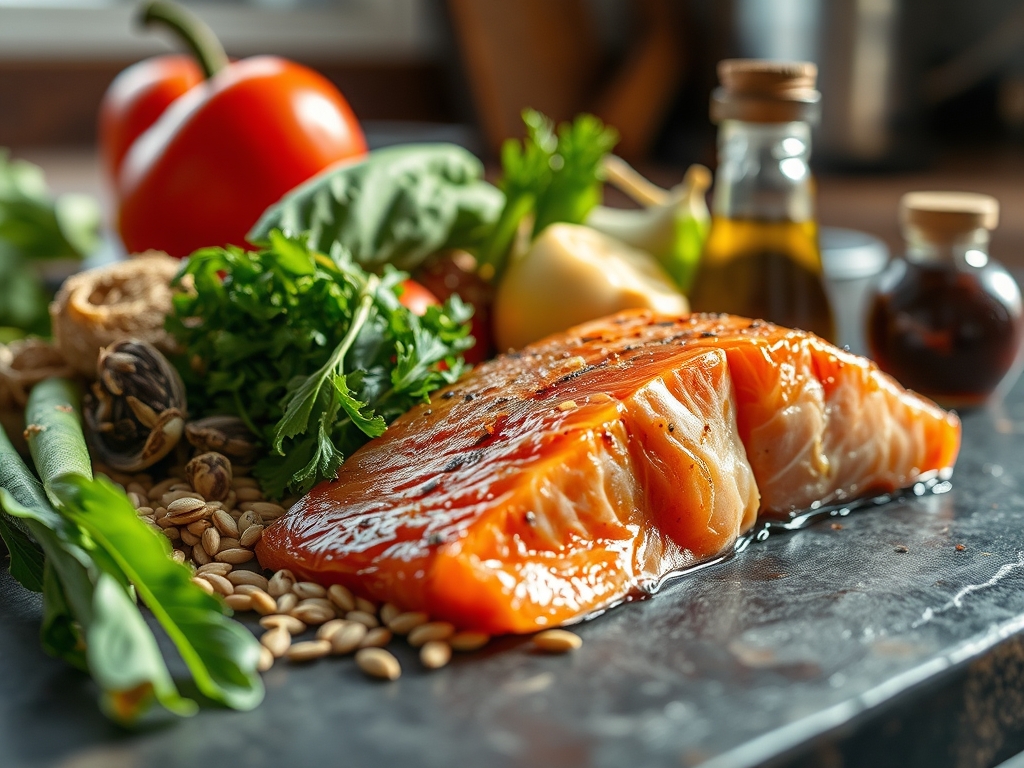
To begin, your mise-en-place must be precise. Start with a side of wild-caught sockeye, ideally skin-on to provide a structural thermal barrier. You will need high-quality kosher salt for osmotic seasoning and a neutral oil with a high smoke point, such as avocado or grapeseed oil. Avoid extra virgin olive oil here; its low smoke point will create bitter, acrid compounds when it meets the flame. For the glaze, gather raw honey for its viscous texture, fresh ginger to provide a sharp aromatic bite, and a microplane to zest two organic lemons.
Smart Substitutions: If you are avoiding honey, use maple syrup for a more complex, earthy sweetness that mimics the smokiness of the grill. For those sensitive to soy, liquid aminos or coconut aminos provide that essential umami depth without the gluten. Always have a digital scale on hand to measure your dry rub ingredients; consistency is the hallmark of a professional kitchen. If you lack a cedar plank, use a bed of sliced lemons to create a "citrus raft" that protects the delicate protein fibers from direct heat.
The Clock:
The "Chef's Flow" for this recipe is designed to maximize efficiency while respecting the biological makeup of the fish. Total preparation time is approximately 20 minutes, which includes the critical "tempering" phase where the fish sits at room temperature. The actual cook time is remarkably fast; usually 8 to 12 minutes depending on the thickness of the fillet.
Plan for a 10-minute rest period post-grill. This is not a suggestion; it is a mechanical necessity. During this time, thermal carryover will increase the internal temperature by another 5 degrees, allowing the juices to redistribute and the proteins to "set" so the fish does not shred when sliced. Total time from fridge to table is roughly 45 minutes.
The Masterclass:
1. Temper and Desiccate
Remove the salmon from the refrigerator 20 minutes before cooking. Use a paper towel to pat the skin extremely dry. Moisture is the enemy of the Maillard reaction; if the skin is damp, it will steam rather than crisp.
Pro Tip: This process is called desiccation. By removing surface moisture, you allow the heat to immediately begin the browning process rather than wasting energy evaporating water.
2. The Precision Score
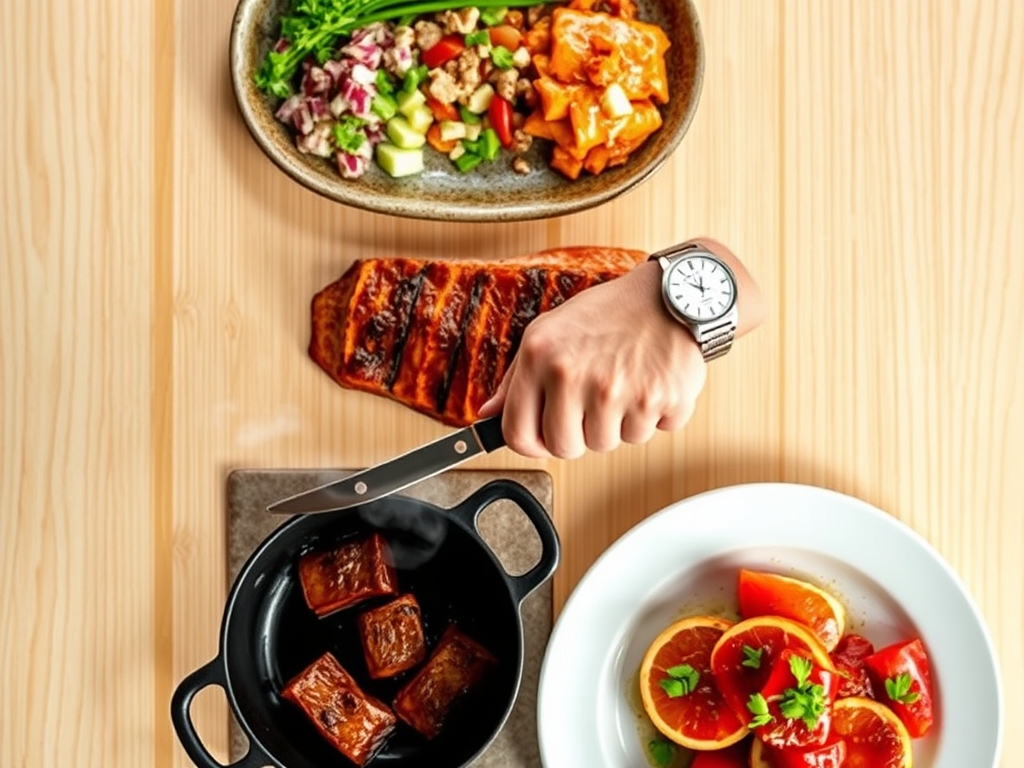
Using a very sharp chef's knife, make shallow diagonal cuts into the skin side only. Do not cut into the flesh. This prevents the fillet from curling as the skin proteins contract under heat.
Pro Tip: This technique increases the surface area exposed to the heat, allowing the fat underneath the skin to render more efficiently, resulting in a potato-chip-like crunch.
3. Emulsify the Glaze
In a small saucier, whisk together your honey, soy, ginger, and lemon zest. Use a whisk to aerate the mixture slightly, ensuring the sugars and fats are fully integrated into a stable emulsion.
Pro Tip: An emulsion ensures that the glaze coats the fish evenly rather than sliding off into the coals, which would cause flare-ups and carbonization.
4. Direct Sear Execution
Place the salmon skin-side down on a clean, oiled grate over medium-high heat. Use a bench scraper or a wide fish spatula to press down firmly for the first 30 seconds to ensure total contact.
Pro Tip: Pressing the fish prevents the "recoil" of the collagen fibers, ensuring the skin remains flat and cooks uniformly across the entire surface.
5. The Glaze Application
Once the skin is crispy and releases naturally from the grate, flip the fish carefully using tongs and a spatula. Immediately brush the glaze onto the cooked skin side.
Pro Tip: Applying the glaze late in the process prevents the sugars from burning. This is known as enzymatic browning management; you want caramelization, not combustion.
6. The Internal Check
Use an instant-read thermometer to check the thickest part of the fillet. You are looking for 125 degrees Fahrenheit for a perfect medium-rare.
Pro Tip: Sockeye is lean. If you wait until it hits 145 degrees on the grill, the thermal carryover will push it into the dry, chalky zone. Pull it early.
The Deep Dive:
From a macro perspective, sockeye is a nutritional powerhouse. It is exceptionally high in Vitamin D and B12, providing roughly 25 grams of protein per 4-ounce serving with a high concentration of Omega-3 fatty acids. For a Keto version, simply swap the honey for an erythritol-based sweetener or a squeeze of lime. Vegan guests can enjoy the same glaze over thick slabs of cauliflower or firm tofu, though the cooking times will vary significantly.
The Fix-It:
- Fish Sticking: If the fish won't lift, do not force it. It will naturally release once the proteins have sufficiently denatured and formed a crust.
- Albumin Leakage: Those white beads that pop out are called albumin. This happens when the heat is too high, too fast. Lower your flame to prevent the muscle fibers from contracting like a dry sponge.
- Flare-ups: Keep a small spray bottle of water nearby to douse flames without cooling the entire grill.
Meal Prep: To reheat sockeye without losing its soul, avoid the microwave. Use a heavy-bottomed skillet over low heat with a teaspoon of water and a lid. This creates a gentle steam sauna that rehydrates the fats without re-cooking the protein.
The Wrap-Up:
Barbecue sockeye salmon recipes are the ultimate test of a griller's finesse. By focusing on skin desiccation, precise temperature control, and the timing of your glaze, you transform a simple piece of fish into a culinary event. Remember that sockeye is a wild, lean animal; treat it with the respect its biology demands. Now, grab your tongs, fire up the charcoal, and prepare to ruin all other salmon for your friends forever.
The Kitchen Table:
How do I prevent salmon from sticking to the grill?
Ensure your grates are scrubbed clean and highly seasoned with oil. Most importantly, pat the fish skin completely dry and do not attempt to flip it until the proteins naturally release from the metal.
What is the best temperature for sockeye salmon?
For professional results, pull sockeye off the heat at 125 to 130 degrees Fahrenheit. Carryover cooking will bring it to the ideal 135-degree mark, preserving the delicate fats and moisture.
Should I leave the skin on when grilling?
Yes. The skin acts as a protective thermal jacket for the flesh. It prevents the fish from falling apart and provides a delicious, crispy texture that contrasts with the soft meat.
Can I use frozen sockeye for these recipes?
Absolutely, provided you thaw it slowly in the refrigerator. Once thawed, treat it exactly like fresh fish, paying extra attention to patting away the excess moisture released during the thawing process.