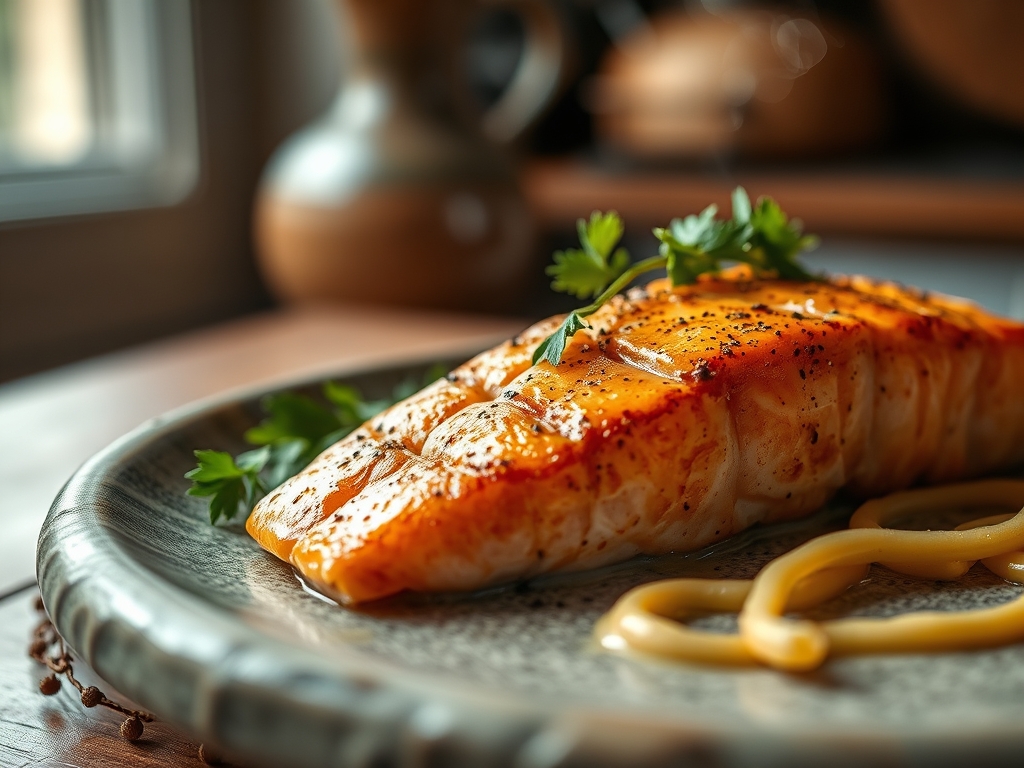
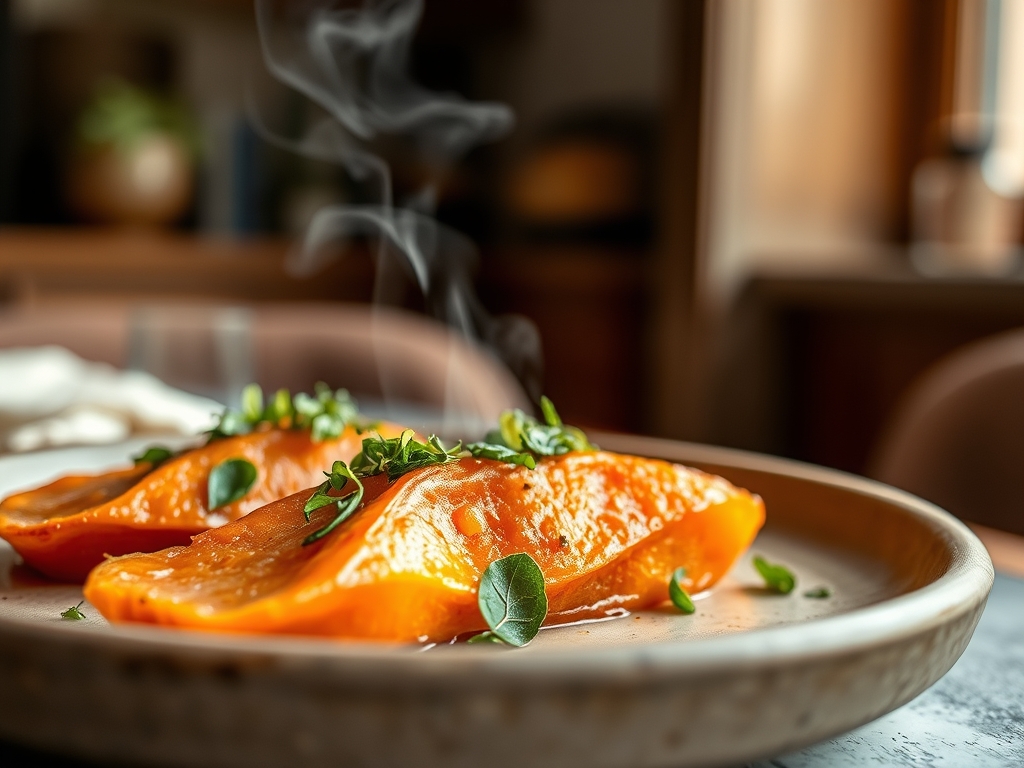
Imagine the crunch of a cold, crisp apple paired with the earthy sweetness of a root vegetable pulled straight from the frost-kissed ground. Most people ignore the vibrant potential of raw sweet potato recipes; they relegate these tubers to the oven for an hour until they become mushy pulp. But you and I know better. When you keep them raw, you unlock a structural integrity and a glycemic profile that vanishes the moment heat touches the starch. We are talking about translucent ribbons of orange gold that snap between your teeth, releasing a subtle, milky nectar that plays beautifully with lime and chili. It is time to stop boiling away the nutrients and start treating these tubers like the gourmet produce they are. By mastering a few knife skills and understanding the cellular structure of the Ipomoea batatas, you can transform a humble root into eight distinct, high-vibe snacks that will make your standard carrot sticks look absolutely tragic. Let us get into the grit and the glamour of it all.
The Gathers:
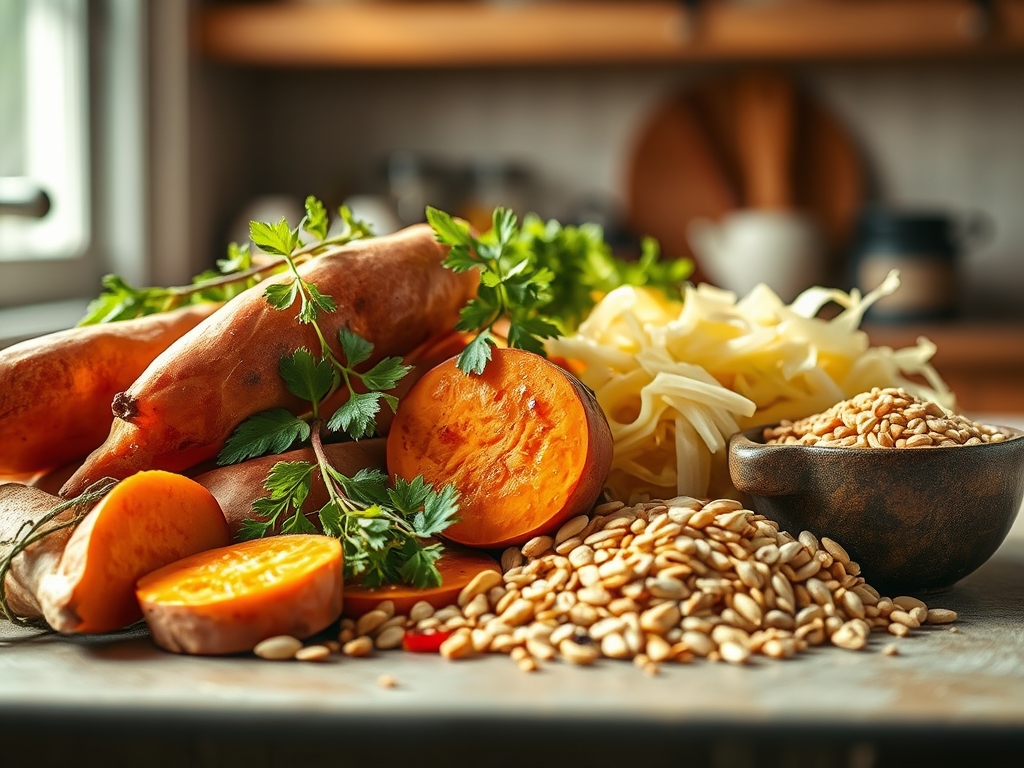
To execute these raw sweet potato recipes with precision, your mise-en-place must be immaculate. We are looking for tubers that feel heavy for their size, indicating high water content and crispness. Avoid any with soft spots or "eyes," as these indicate the starch is already converting to sugar to fuel growth, which compromises the snap we need.
The Essentials:
- The Tubers: Jewel or Garnet varieties provide the most aesthetic "pop," while Japanese Murasaki sweet potatoes offer a dense, nutty profile.
- The Acids: Freshly squeezed lime juice, rice wine vinegar, or verjuice. Acid is non-negotiable; it prevents enzymatic browning and balances the heavy starch.
- The Fats: Cold-pressed avocado oil or toasted sesame oil to help your body absorb the fat-soluble beta-carotene.
- The Crunch: Black sesame seeds, toasted pepitas, or Maldon sea salt for textural contrast.
Smart Substitutions:
If you cannot find a specific sweet potato variety, a firm butternut squash neck can work in a pinch, though it lacks the specific maltose notes. For a "Smart Swap" on the heat, replace standard chili flakes with gochugaru for a smoky, nuanced burn that does not overwhelm the delicate raw flavor.
The Clock
Efficiency in the kitchen is all about the Chef's Flow. Preparing raw sweet potato recipes requires about 15 minutes of active "knife time" and roughly 10 minutes of "marination dwell." Since we are not using a heat source, your time is spent on mechanical breakdown rather than thermal transition.
Prep Time: 15 Minutes.
Dwell Time: 10 Minutes (to soften the cellulose slightly).
Total Time: 25 Minutes.
The flow is simple: Wash, peel, slice, and dress. By the time you have cleaned your bench scraper and wiped down your station, the acid in your dressing will have worked its magic on the tuber's cell walls, making them perfectly pliable.
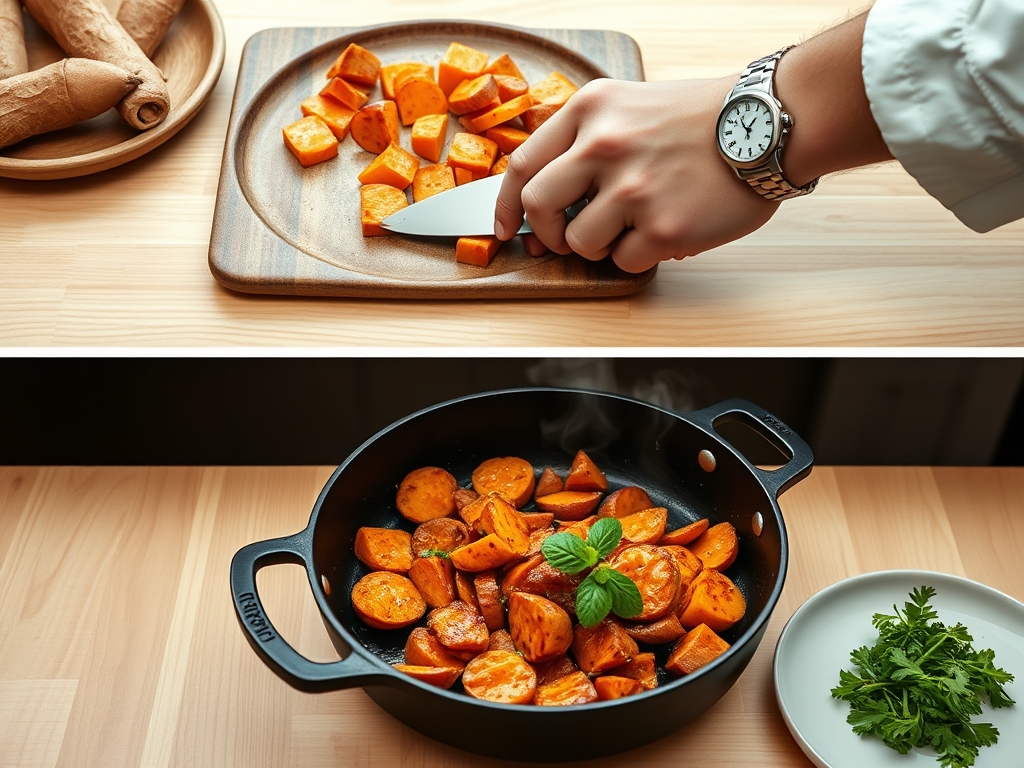
The Masterclass
1. The Mandoline Ribbon Shave
Using a professional Japanese mandoline, shave the raw sweet potato into paper-thin ribbons. These should be almost translucent. Toss them immediately in a bowl with a splash of citrus.
Pro Tip: This technique relies on breaking the cellulose structure without heat. The thinness of the slice increases the surface area, allowing the dressing to penetrate the starch granules quickly, which mimics a "cooked" mouthfeel while remaining raw.
2. The Microplane Zest Infusion
Take a microplane and grate a small portion of the raw potato into your vinaigrette. This releases the internal moisture of the vegetable, creating a natural emulsion.
Pro Tip: This uses the potato's own endogenous enzymes to flavor the sauce. By grating it finely, you release amylase, which starts to break down some of the starches into sugars right in your mixing bowl.
3. The Ice Bath Shock
After slicing your snacks into matchsticks (julienne), plunge them into a bowl of ice water for five minutes. This is a crucial step for maximum "snap."
Pro Tip: This process is called turgor pressure optimization. The cold water fills the plant cells, making them rigid and extra crunchy. It also washes away excess surface starch, preventing the snacks from feeling "chalky" on the tongue.
4. The Acidic Maceration
Combine your slices with a high-acid dressing. Use a saucier to whisk together lime, ginger, and a touch of honey before pouring it over the raw batons.
Pro Tip: Acid inhibits polyphenol oxidase, which is the enzyme responsible for that unappealing brown color that happens when raw potatoes hit the air. It keeps your snacks looking vibrant and "day-one" fresh.
5. The Vacuum Compression (Optional)
If you have a vacuum sealer, place your dressed slices in a bag and seal them. This forces the marinade into the dense tissue of the potato instantly.
Pro Tip: This is hydrostatic pressure at work. It collapses the air pockets within the vegetable tissue, turning the potato from opaque to a beautiful, jewel-like translucent orange while intensifying the flavor profile.
The Deep Dive
When we look at the Macro Nutrition, raw sweet potatoes are a powerhouse. One cup provides over 100 percent of your daily Vitamin A requirements. Because we are avoiding the frying pan, we are keeping the caloric density low while maintaining a high fiber count.
Dietary Swaps:
- Vegan: Use agave or maple syrup instead of honey in your dressings.
- Keto: Sweet potatoes are higher in carbs, so keep your portion to "garnish" levels (about 1/4 cup) and pair with high-fat macadamia nuts.
- GF: Naturally gluten-free, but ensure your soy sauce is replaced with tamari or coconut aminos.
The Fix-It:
- Too Chalky: Your slices are too thick. Use a digital scale to ensure you are slicing at 2mm or less.
- Too Bitter: This happens with older tubers. Add a pinch of salt and a dash of fat (like olive oil) to suppress the bitter receptors on your tongue.
- Soggy Texture: You let them sit in the dressing too long. Raw snacks should be eaten within 30 minutes of dressing to maintain that signature snap.
Meal Prep:
To keep these snacks fresh for work, store the dry-cut potato matchsticks in a damp paper towel inside a sealed container. Keep the dressing in a separate glass cruet. Combine them only when you are ready to eat to ensure the texture remains "chef-standard."
The Wrap-Up
Mastering raw sweet potato recipes is like learning a secret language of texture and light. You are taking a kitchen staple and viewing it through a completely different lens; one that prioritizes crispness, enzymatic integrity, and vibrant color. Whether you are tossing them into a slaw or eating them as "carpaccio" with a drizzle of chili oil, you are elevating your snack game to a professional level. Now, grab your sharpest knife and go make something beautiful.
The Kitchen Table
Can you eat raw sweet potatoes every day?
Yes, in moderation. They are rich in fiber and vitamins. However, they contain raffinose, a complex sugar that can cause gas if consumed in massive quantities. Stick to one cup per day to keep your digestion happy.
Do raw sweet potatoes taste like regular potatoes?
Not at all. Raw sweet potatoes are sweeter, crunchier, and lack the heavy "starchy" aftertaste of a raw white potato. They have a flavor profile closer to a cross between a carrot and a very mild cantaloupe.
How do I stop them from turning brown?
Immediately toss your cut slices in an acidic liquid like lemon juice or vinegar. This halts the oxidation process. Storing them in an airtight container with minimal headspace also helps preserve their bright orange hue.
What is the best tool for slicing them?
A Japanese mandoline is the gold standard for achieving the consistent, paper-thin slices required for raw consumption. If you don't have one, a very sharp chef's knife and a steady hand will work for thicker julienne cuts.