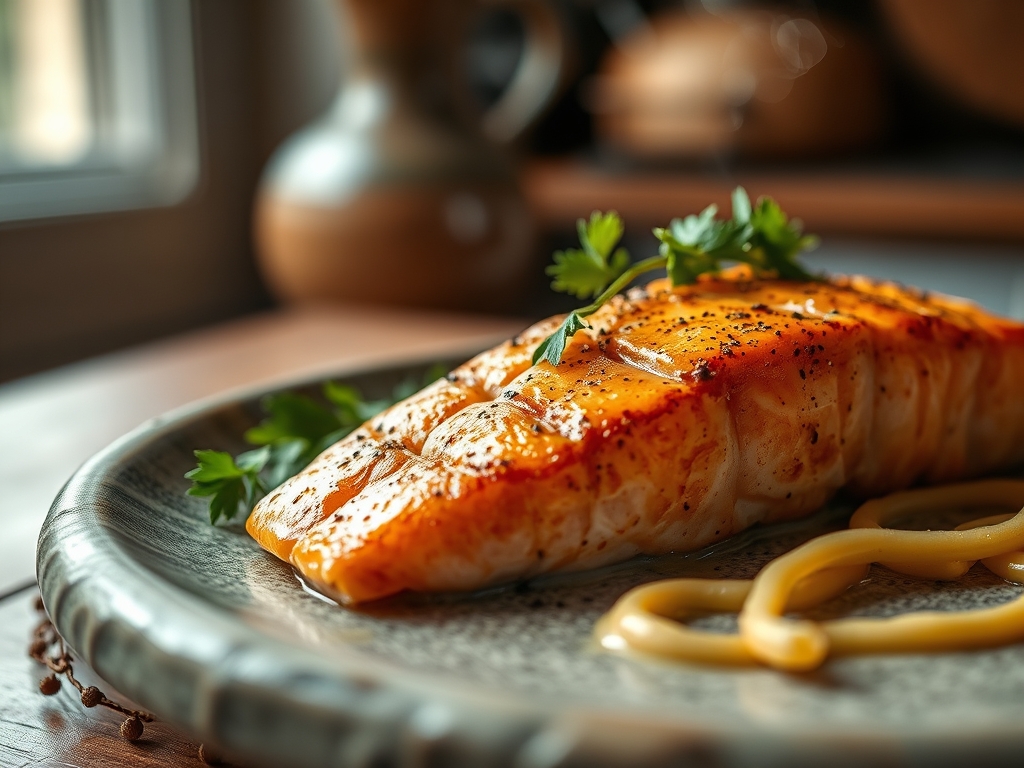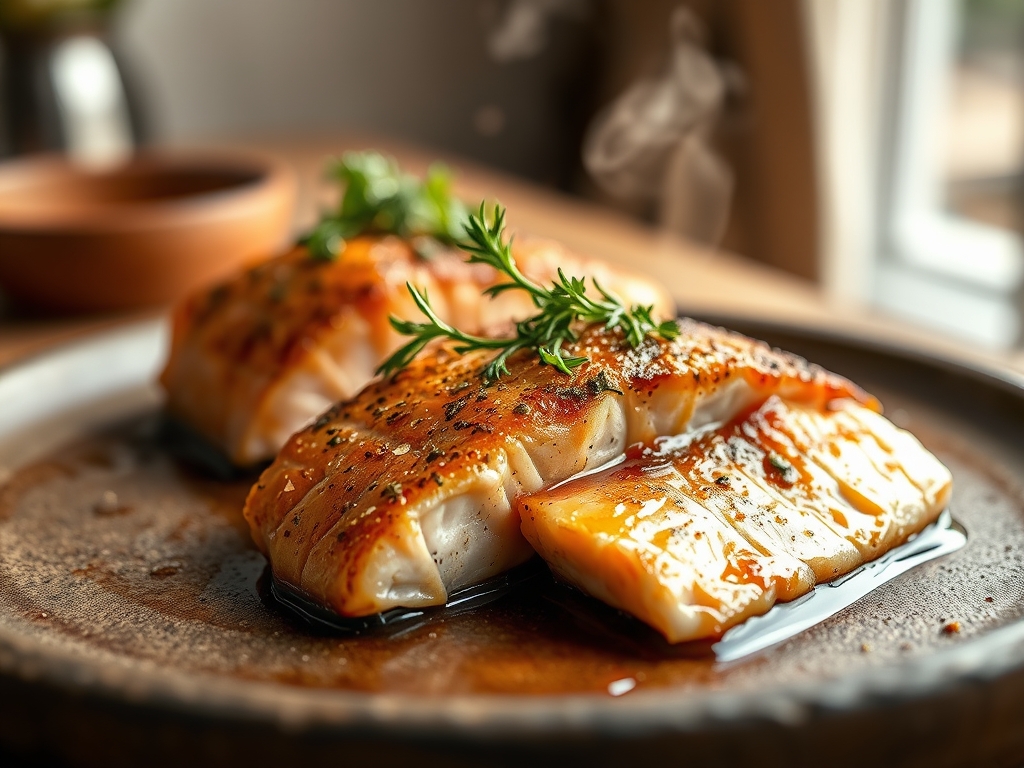
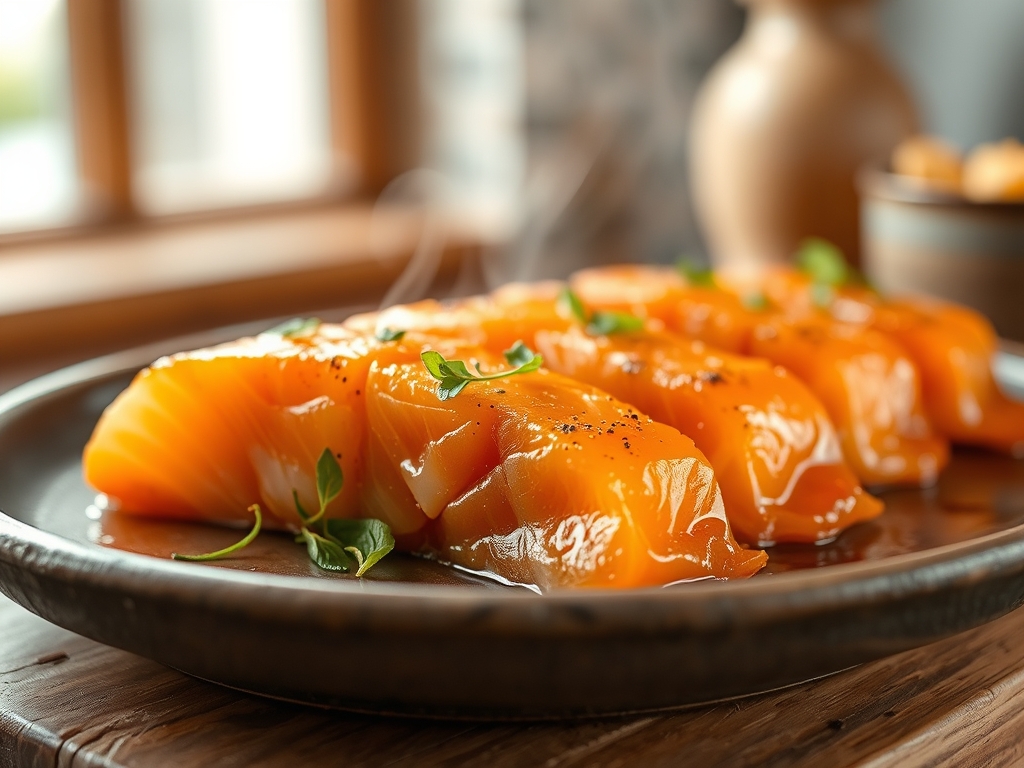
Imagine the velvet texture of cold-cured fish meeting the aggressive, umami-rich punch of a Tokyo night market. We are moving far beyond the standard bagel and cream cheese combo today. When you master asian smoked salmon recipes, you are essentially playing with a high-stakes balance of salt, smoke, and sugar. It is a sensory collision where the fatty acids of the fish act as a carrier for volatile aromatics like ginger and toasted sesame. We are going to transform that delicate, translucent protein into something that feels both luxurious and electric.
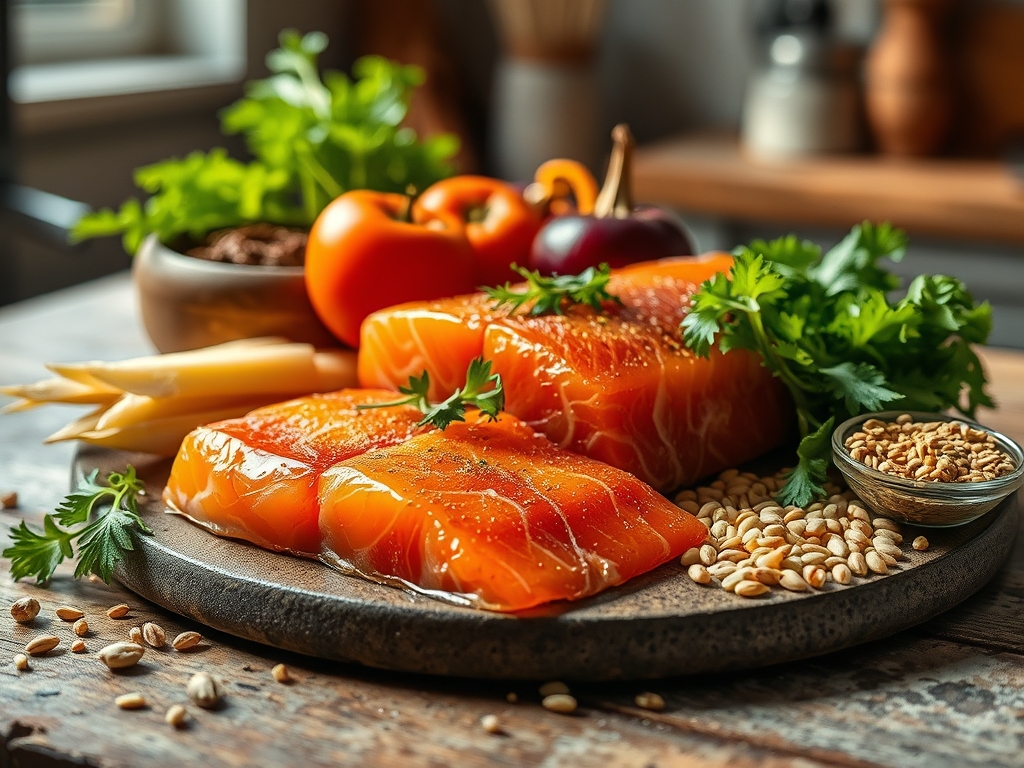
The Gathers:
To execute these hacks, your mise-en-place must be precise. Start with high-quality smoked salmon; I prefer cold-smoked for its supple elasticity, but hot-smoked works if you want a flaked, rustic texture. You will need a microplane for grating fresh ginger into a fine paste, which releases the gingerol compounds more effectively than dicing. Grab a bottle of viscous dark soy sauce for color and a lighter, naturally brewed shoyu for seasoning.
Essential aromatics include scallions, toasted sesame oil, and furikake. For the "Smart Substitutions," if you find yourself without mirin, a splash of dry sherry mixed with a pinch of granulated sugar mimics that fermented sweetness perfectly. If you are watching your sodium, liquid aminos provide a similar piquant profile without the heavy salt load. Always keep a bench scraper handy to tidy your workspace; it is the most underrated tool for moving delicate piles of sliced green onions without bruising their cell walls.
The Clock
Efficiency in the kitchen is about Chef's Flow, which is the art of overlapping tasks to minimize downtime. For these nine hacks, your active prep time is a brisk 15 minutes. However, the "curing" or marinating phases for some of the more intense glazes require about 30 minutes of chill time to allow the flavors to osmose into the flesh. Total time from fridge to table averages 45 minutes. By the time your rice cooker clicks over to the "warm" setting, your salmon should be hitting its peak room-temperature bloom.
The Masterclass
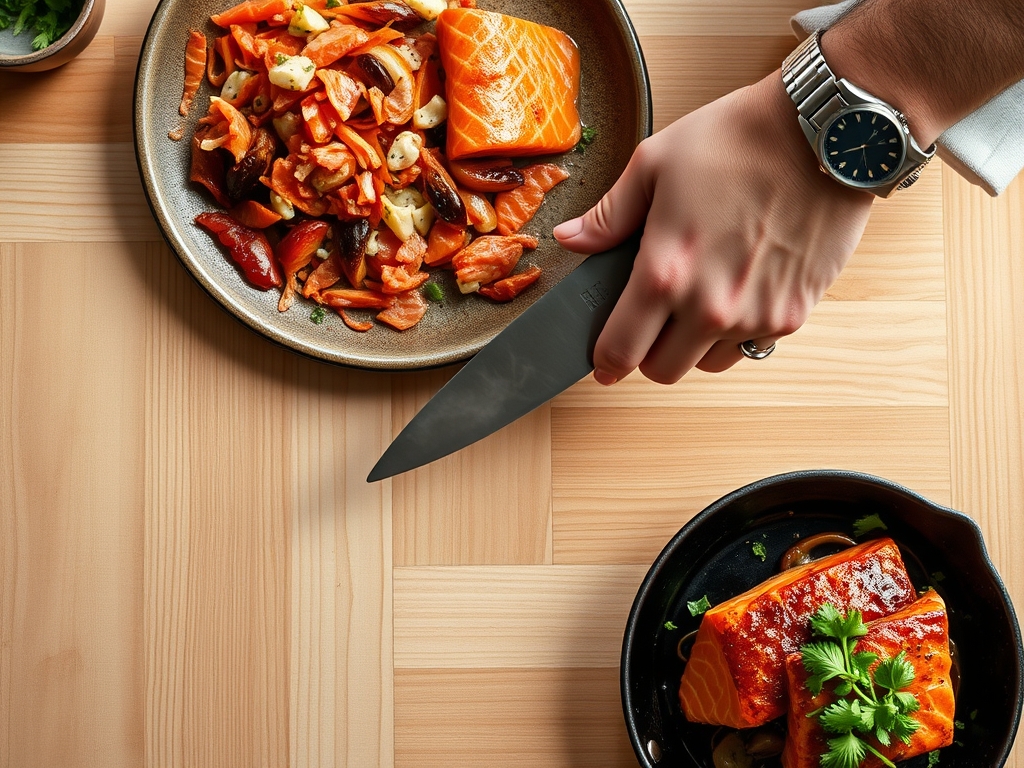
1. The Miso-Maple Glaze
Whisk white miso paste with maple syrup in a small saucier over low heat until it reaches a nappe consistency. Brush this over the salmon slices.
Pro Tip: Miso contains live enzymes that can break down protein too quickly; apply it just before serving to avoid a mushy texture.
2. Wasabi Crema Aeration
Fold wasabi paste into Greek yogurt or creme fraiche using a silicone spatula. Use a whisk to aerate the mixture, making it light and cloud-like.
Pro Tip: The heat in wasabi is volatile and dissipates when exposed to air; whip it at the last second to preserve that nasal-clearing punch.
3. Toasted Sesame Infusion
Heat sesame oil in a heavy-bottomed skillet until it just begins to shimmer, then pour it over sliced scallions and ginger resting on top of the salmon.
Pro Tip: This is a "flash-sear" technique that uses thermal energy to bloom the fat-soluble flavors in the aromatics without cooking the fish.
4. The Crispy Rice Base
Press seasoned sushi rice into a flat disc and fry in a non-stick pan until a golden crust forms. Top with a ribbon of smoked salmon.
Pro Tip: The Maillard reaction on the rice provides a structural and textural contrast to the soft, fatty fish.
5. Quick-Pickled Cucumber Ribbons
Use a Y-peeler to create thin ribbons of cucumber, then toss them in rice vinegar and sugar.
Pro Tip: The acetic acid in the vinegar breaks down the hemicellulose in the cucumber walls, making them flexible enough to drape elegantly.
6. Furikake Dusting
Generously coat the edges of your salmon with furikake (seaweed and sesame seasoning).
Pro Tip: The salt in the furikake will draw out a tiny amount of moisture, creating a "tacky" surface that helps the seasoning stick better.
7. Soy-Cured Egg Yolk Topping
Place a raw egg yolk in a mixture of soy and mirin for two hours, then slide it onto the salmon.
Pro Tip: This is denaturation through salt; the yolk becomes jammy and concentrated, acting as a rich, natural sauce.
8. Chili Crunch Drizzle
Spoon spicy chili crisp over the fish, ensuring you get plenty of the sediment from the bottom of the jar.
Pro Tip: The capsaicin in the chili triggers thermogenesis, which actually makes the cold salmon feel more satisfying and "warm" on the palate.
9. Yuzu Zest Brightening
Finish the dish with a fine dusting of yuzu or lime zest using your microplane.
Pro Tip: Citric oils are found in the zest, not the juice; zesting provides the aroma of citrus without the acid curdling the fish fats.
The Deep Dive
From a macro perspective, smoked salmon is a powerhouse of Omega-3 fatty acids and high-quality protein, typically offering about 18 grams of protein per 100-gram serving. It is naturally Keto-friendly and Gluten-Free, provided your soy sauce is substituted with tamari. For a vegan alternative, thinly sliced "lox" made from roasted carrots marinated in liquid smoke and caper brine offers a surprisingly similar mouthfeel.
The Fix-It:
- Too Salty: If your salmon is over-cured, soak it in cold filtered water for 10 minutes to leach out excess sodium.
- Fishy Aroma: A quick spritz of lemon juice neutralizes trimethylamine, the compound responsible for that "off" fish smell.
- Falling Apart: If the slices are too fragile, chill the fish in the freezer for 10 minutes before handling; cold fats provide better structural integrity.
Meal Prep: To reheat hot-smoked salmon without it becoming rubbery, use a "low and slow" approach. Place it in a covered dish with a teaspoon of water and heat at 275 degrees Fahrenheit. This creates a small steam chamber that prevents the proteins from tightening and squeezing out all the moisture.
The Wrap-Up
You are now officially armed with the technical prowess to turn a basic grocery staple into a gourmet Asian-inspired feast. Whether you are flash-searing aromatics or curing yolks, remember that cooking is just delicious chemistry. Don't be afraid to get creative with your saucier and your spices. Go ahead, invite the girls over, and show them that smoked salmon is so much more than a brunch side dish.
The Kitchen Table
Can I use frozen smoked salmon for these recipes?
Yes, but thaw it slowly in the refrigerator to prevent cellular breakdown. Pat the fish dry with a paper towel before adding glazes to ensure the sauces adhere to the surface rather than sliding off due to excess moisture.
What is the best way to store leftover seasoned salmon?
Place it in an airtight glass container with a piece of parchment paper pressed directly onto the surface. This prevents oxidative rancidity, which happens when fats are exposed to oxygen, and keeps the fish fresh for up to two days.
Is smoked salmon actually cooked?
Cold-smoked salmon is cured in salt and smoked at low temperatures, so it remains technically raw but "preserved." Hot-smoked salmon is smoked at higher temperatures, which denatures the proteins fully, resulting in a flaky, cooked texture similar to grilled fish.
How do I make my salmon slices look professional?
Use a long, thin slicing knife and cut against the grain at a 45-degree angle. Chilling the fish slightly before slicing firms up the lipids, allowing you to achieve those translucent, restaurant-quality ribbons without tearing the delicate flesh.