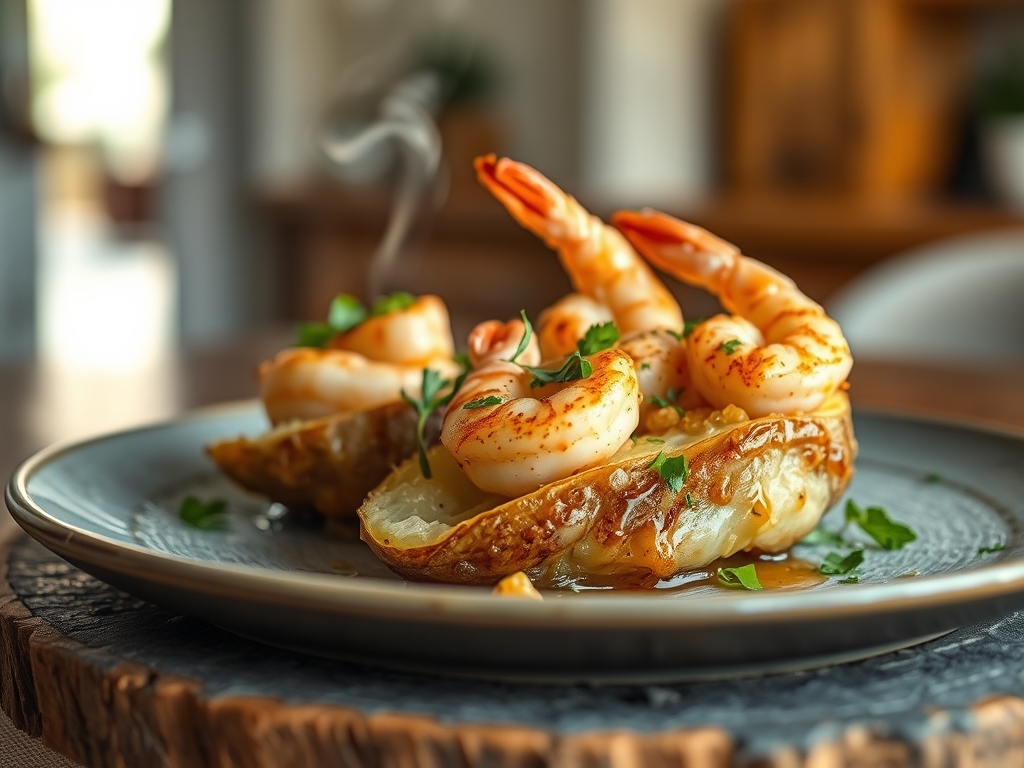
Imagine the scent of salt-crusted Russet skins crisping in a hot oven while garlic-infused butter sizzles in a heavy-bottomed skillet. We are not just making dinner; we are engineering a masterpiece of texture and temperature. Finding the perfect balance in shrimp baked potato recipes requires a deep understanding of starch retrogradation and protein coagulation. This is where coastal elegance meets mountain-high comfort food.
The magic happens when the fluffy, aerated interior of a potato meets the snap of a perfectly seared crustacean. It is a dish that feels like a luxury resort dinner but lives in the heart of your home kitchen. We are going to transform a humble tuber into a vessel for succulent, piquant seafood. Forget the soggy, foil-wrapped potatoes of your past. We are aiming for a shattering exterior skin and a center so light it practically floats.
The Gathers:
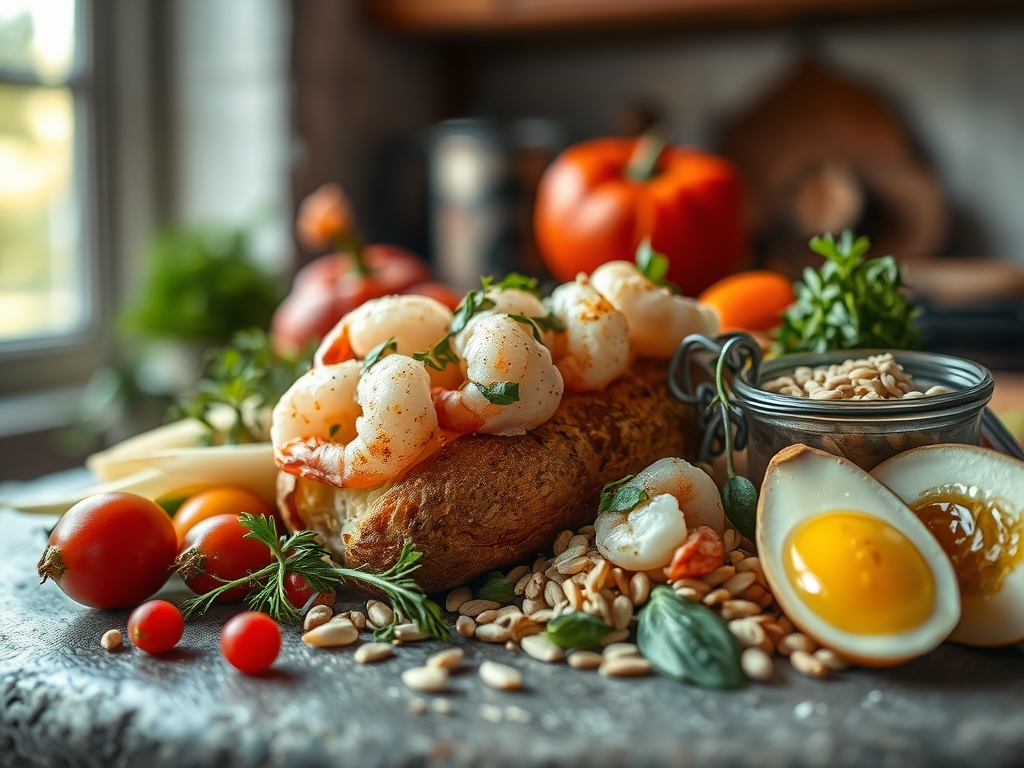
To achieve culinary excellence, your mise-en-place must be precise. Use a digital scale to select Russet potatoes of equal weight, roughly 300 grams each, to ensure uniform thermal penetration. You will need high-quality, wild-caught shrimp (16/20 count) for the best snap. Gather heavy cream with at least 36 percent milkfat to ensure a viscous, luxurious sauce that clings to the potato starch without breaking.
Your tool kit is essential for this transformation. Have your microplane ready for zest and hard cheeses; a bench scraper for cleaning your station; and a saucier for the shrimp reduction. For the fats, choose a high-smoke-point oil like avocado oil for the skins and a cultured, unsalted butter for the filling. The piquant kick comes from fresh lemon juice and a dash of cayenne pepper.
Smart Substitutions: If you are avoiding dairy, a full-fat coconut milk provides the necessary lipids for a rich mouthfeel. For the potatoes, Yukon Golds offer a waxier, more buttery texture if you prefer a dense mash over a fluffy flake. If shrimp is unavailable, bay scallops offer a similar protein profile and cook time.
The Clock:
Efficiency in the kitchen is about mastering the Chef's Flow. Your total active time is approximately 20 minutes, but the total duration is 75 minutes. The potato is the bottleneck in this operation. It requires 60 minutes of undisturbed roasting to reach an internal temperature of 205 degrees Fahrenheit. This is the thermal sweet spot where starch granules fully swell and burst.
While the potatoes roast, you have a 45-minute window of passive time. This is when you prep your aromatics and clean your shrimp. The actual stovetop work for the shrimp and sauce takes less than 10 minutes. By timing the shrimp to finish exactly as you fluff the potato, you prevent the seafood from becoming rubbery while waiting for the starch.
The Masterclass:
1. The Osmotic Prep
Scrub the skins and pierce them with a fork to allow steam to escape. Rub the exteriors with oil and a generous coating of kosher salt. This draws moisture out of the skin through osmosis, ensuring a crisp, crackling finish rather than a leathery one.
Pro Tip: Piercing the skin prevents the internal pressure from causing a "tuber explosion" and allows for more even heat distribution.
2. The High-Heat Roast
Place potatoes directly on the oven rack at 425 degrees Fahrenheit. Avoid foil at all costs. Foil traps steam, which results in a boiled texture rather than a roasted one. Use tongs to rotate them halfway through the cycle.
Pro Tip: Thermal carryover will continue to cook the potato for 5 minutes after removal; pull them when they feel slightly yielding to a squeeze.
3. The Protein Sear
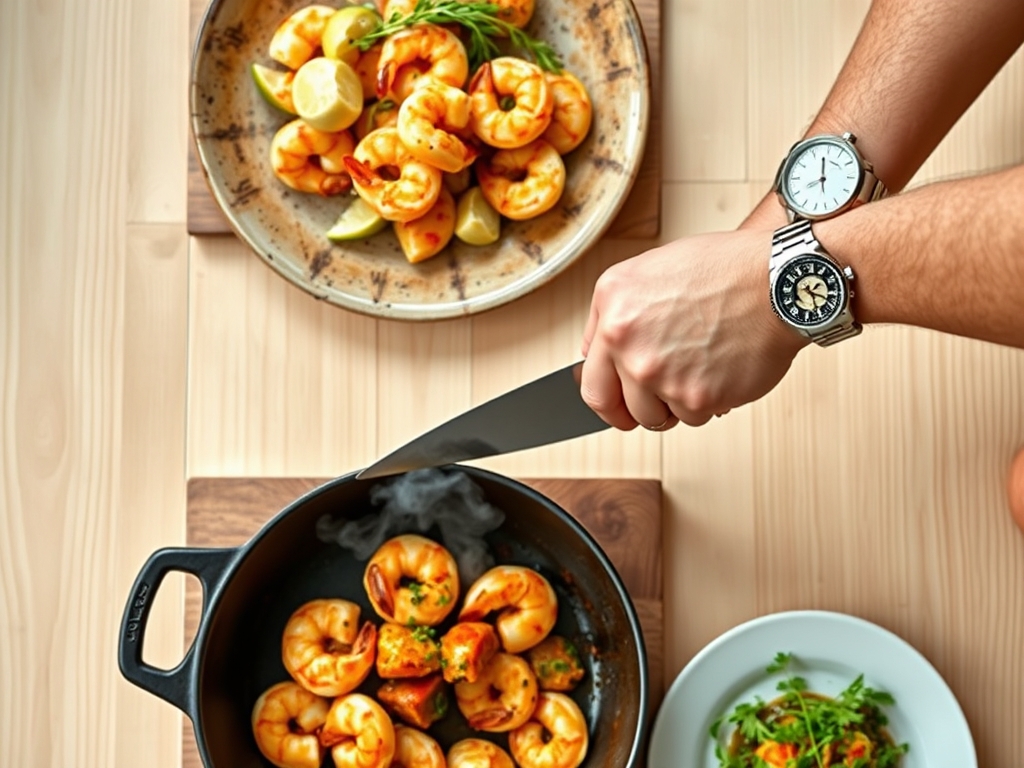
Pat your shrimp bone-dry with paper towels. Heat your heavy-bottomed skillet until the oil shimmers. Sear the shrimp for 90 seconds per side until they reach an opaque pearlescence. Do not overcrowd the pan, or you will cause the temperature to drop and the shrimp to stew in their own juices.
Pro Tip: The Maillard reaction occurs most efficiently on dry surfaces; moisture is the enemy of a golden-brown crust.
4. Deglazing the Fond
Remove the shrimp and immediately deglaze the pan with a splash of white wine or seafood stock. Use a wooden spoon to scrape up the browned bits (the fond) which are concentrated pockets of umami.
Pro Tip: Deglazing captures the flavor molecules stuck to the pan, incorporating them into your sauce for a deeper profile.
5. The Emulsion Phase
Lower the heat and whisk in your heavy cream and cold butter cubes. Use a constant whisking motion to create a stable emulsion. The fats must be suspended in the liquid to create a velvety texture that does not separate.
Pro Tip: Cold butter emulsifies more slowly and smoothly than melted butter, preventing the sauce from becoming oily.
6. The Aeration
Slice the potatoes open and use a fork to aggressively fluff the interior. This introduces air into the starch, increasing the surface area for the sauce to penetrate.
Pro Tip: Aerating the potato prevents it from becoming a dense, gluey mass when the liquid ingredients are added.
7. The Final Assembly
Fold the seared shrimp back into the sauce to coat them, then spoon the mixture generously into the potato cavities. Garnish with fresh chives or microgreens for a bright, herbaceous finish.
Pro Tip: Adding fresh herbs at the very end preserves their volatile oils and vibrant color.
The Deep Dive:
From a nutritional perspective, this dish is a powerhouse of complex carbohydrates and lean protein. A standard serving provides significant potassium and vitamin B6. To make this Keto-friendly, swap the potato for roasted cauliflower florets. For a Vegan version, utilize cashew cream and king oyster mushroom "scallops" in place of shrimp.
The Fix-It: If your potato skin is soft, your oven temperature was likely too low or you used foil. If your shrimp is rubbery, it was overcooked; remember they cook in seconds, not minutes. If your sauce breaks, whisk in a teaspoon of warm water to re-emulsify the fats.
Meal Prep: To reheat, avoid the microwave as it turns shrimp into erasers. Instead, wrap the potato in parchment and heat in a 350-degree oven. Reheat the sauce separately on the stovetop with a splash of milk to loosen the proteins.
The Wrap-Up:
Mastering shrimp baked potato recipes is about respecting the chemistry of the ingredients. You have taken a simple root vegetable and elevated it through precise thermal control and emulsification techniques. This dish is a testament to the fact that with the right tools and a bit of scientific curiosity, home cooking can rival any five-star kitchen. Now, grab your fork and dive into that creamy, salty, coastal perfection!
The Kitchen Table:
How do I prevent my shrimp from getting tough?
Cook shrimp only until they turn pink and form a "C" shape. Overcooked shrimp curl into a tight "O" and become rubbery. Always remove them from the heat immediately to stop the cooking process.
Can I use frozen shrimp for this recipe?
Yes, but ensure they are fully thawed and patted dry. Frozen shrimp often retain extra moisture, which can prevent a proper sear and water down your luxurious cream sauce if not dried thoroughly.
What is the best potato for stuffing?
The Russet Burbank is the gold standard. Its high starch content and low moisture levels create the fluffiest interior, which acts like a sponge for the shrimp sauce and savory fats.
How do I get the skin extra crispy?
Skip the foil and coat the skin in a high-smoke-point oil and plenty of salt. Roast directly on the oven rack to allow hot air to circulate around the entire potato surface.