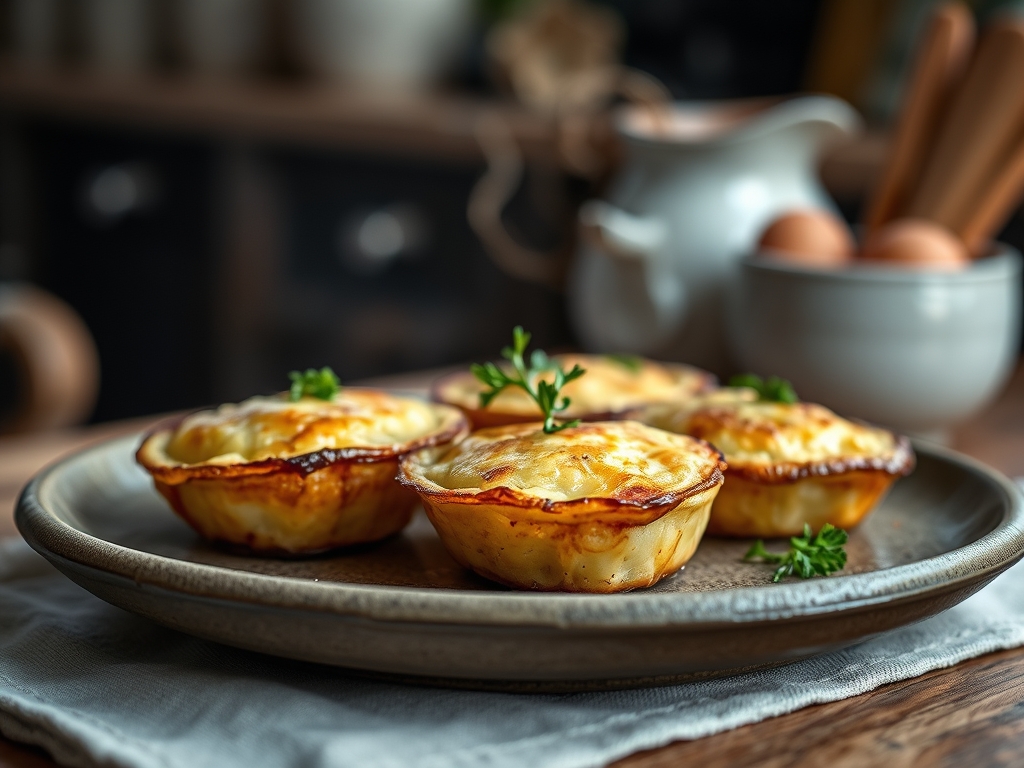
Close your eyes and imagine the sound of a knife gliding through a golden, bubbling crust to reveal layers of velvet. Traditional comfort food usually relies on heavy cream to do the heavy lifting; however, modern vegan scalloped potato recipes have evolved into a sophisticated masterclass of plant based chemistry. We are moving far beyond the watery, lackluster casseroles of the past. Today, we are engineering a dish that achieves a luxurious mouthfeel through starch suspension and lipid emulsification. This is about more than just a side dish; it is about creating a centerpiece that commands respect at the table through its complex, nutty aroma and piquant depth. We are going to harness the power of the humble tuber to create something truly transcendent.
The Gathers:
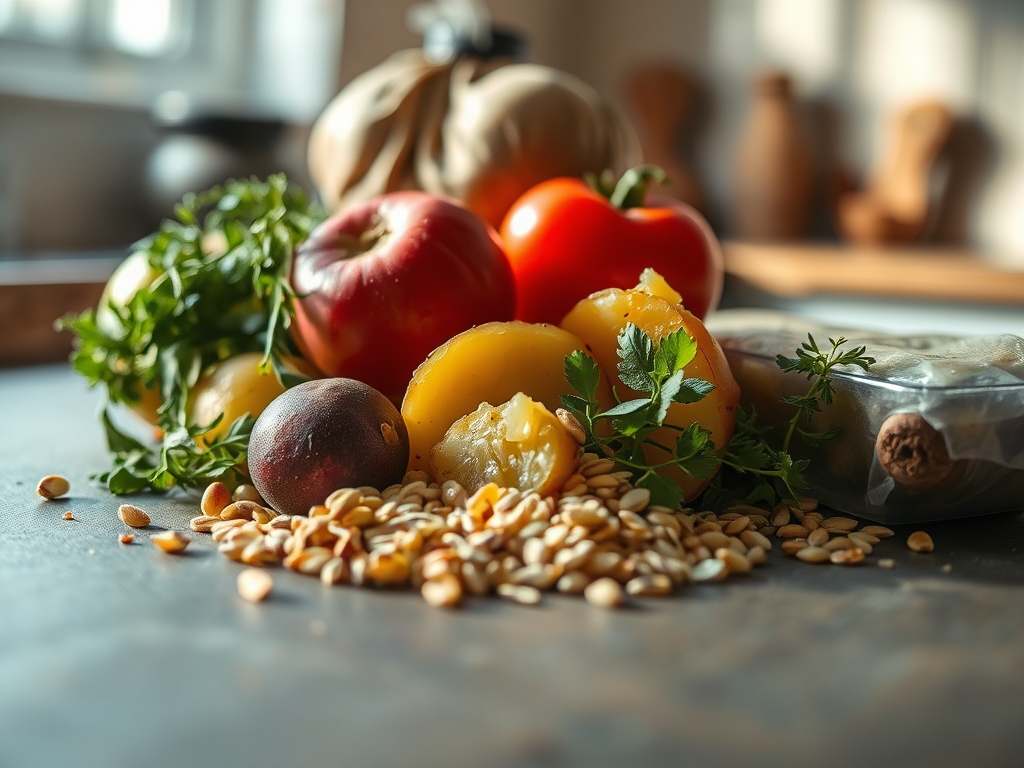
To achieve a professional grade result, your mise-en-place must be precise. Start with high starch potatoes like Russets or Yukon Golds. Russets provide the necessary amylose to thicken your sauce, while Yukons offer a buttery, waxy structure that holds its shape under heat. You will need a high quality plant milk, preferably a barista blend oat milk, because its higher fat content and stabilizers prevent the sauce from breaking.
For the "Smart Substitutions," we swap dairy butter for a cultured vegan butter to introduce those essential fermentation notes. Nutritional yeast provides the savory umami, but the secret weapon is a teaspoon of white miso paste. Miso acts as a flavor multiplier, adding a fermented complexity that mimics aged cheddar. You will also need fresh thyme, garlic cloves for infusion, and a pinch of nutmeg to provide that classic French profile. Ensure you have your digital scale ready; measuring potatoes by weight rather than count ensures the ratio of starch to liquid remains perfectly balanced every single time.
The Clock
Efficiency in the kitchen is about "Chef's Flow," which is the art of overlapping tasks so no heat is wasted. Your total active prep time should sit around 25 minutes, with a bake time of 60 to 75 minutes. While your oven preheats to 375 degrees Fahrenheit, you should be slicing and infusing. The goal is to have the potatoes sliced and the sauce simmered simultaneously. This prevents the potatoes from sitting out and undergoing enzymatic browning. Once the dish enters the oven, the "passive" phase begins, but do not walk away entirely. The final 15 minutes are critical for the Maillard reaction, where the sugars and proteins on the top layer caramelize into that iconic mahogany crust.
The Masterclass
1. Precision Slicing with the Mandoline
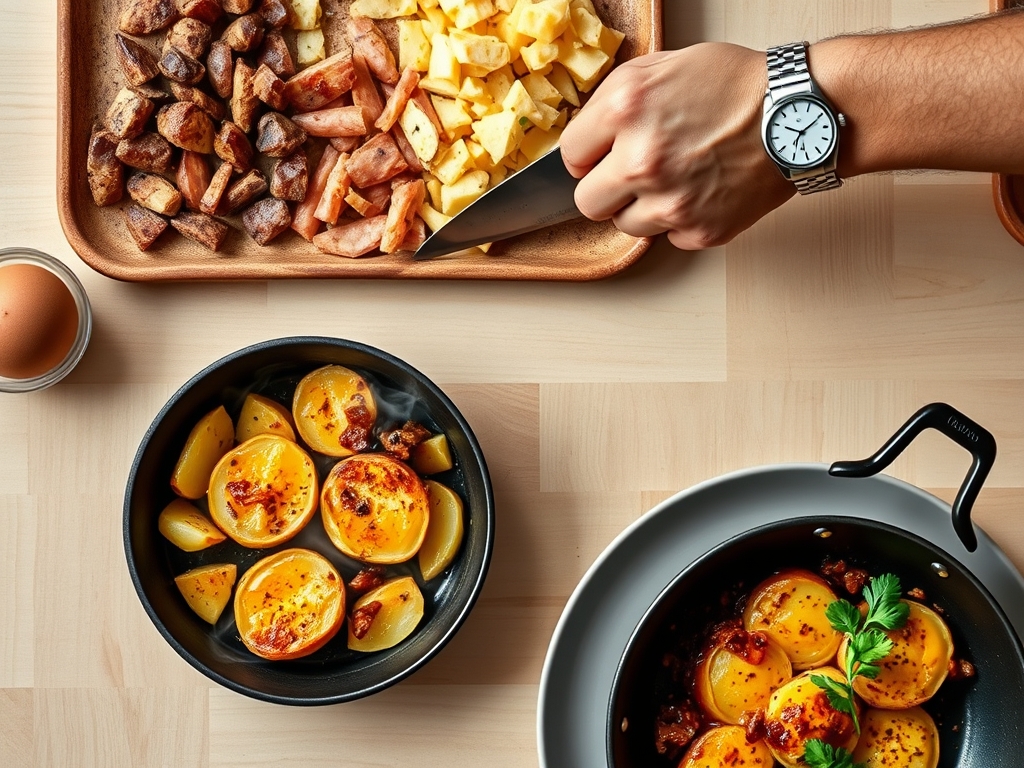
Use a mandoline to slice your potatoes into uniform 1/8 inch rounds. Consistency is not just for aesthetics; it ensures that every slice reaches the same level of starch gelatinization at the exact same moment.
Pro Tip: Do not soak your slices in water. While this prevents browning, it washes away the surface starch needed to thicken your sauce into a viscous glaze.
2. Infusing the Aromatic Base
In a heavy-bottomed skillet or saucier, melt your vegan butter and sauté minced garlic until fragrant but not browned. Add your flour to create a blonde roux, then slowly whisk in the oat milk.
Pro Tip: Infusing the milk with a sprig of thyme and a bay leaf at a low simmer allows the essential oils to aerate and permeate the liquid, creating a deeper flavor profile than dry herbs ever could.
3. The Umami Emulsion
Whisk in your nutritional yeast, miso paste, and a dash of Dijon mustard. Use a microplane to grate fresh nutmeg directly into the sauce. The mustard acts as a secondary emulsifier, helping the fats and liquids stay bonded during the high heat of the oven.
Pro Tip: This is a "suspension" sauce. If it looks too thick, add a splash of vegetable stock. It should coat the back of a spoon without sliding off instantly.
4. Layering for Structural Integrity
Grease your baking dish and begin shingling the potatoes. Do not just dump them in. Overlap them slightly like scales. This creates "pockets" for the sauce to settle into, ensuring no dry spots.
Pro Tip: Season every third layer with a tiny pinch of salt. This manages osmotic pressure, drawing just enough moisture out of the potatoes to soften them while letting the sauce move in.
5. The Initial Steam Phase
Cover the dish tightly with foil before sliding it into the oven. This creates a sealed environment where the potatoes steam in the sauce's moisture, breaking down the rigid cellulose walls without drying out the edges.
Pro Tip: This phase is about "thermal conduction." The foil reflects heat back into the dish, ensuring the center reaches 210 degrees Fahrenheit, the magic number for potato tenderness.
6. Uncovering for the Maillard Reaction
Remove the foil for the final 20 minutes of baking. This allows the surface moisture to evaporate, concentrating the flavors and allowing the amino acids to react with the reducing sugars.
Pro Tip: If the top is not browning fast enough, a light spray of avocado oil can accelerate the Maillard reaction by increasing surface temperature.
7. The Carryover Rest
Once the potatoes are fork tender and the sauce is bubbling, remove the dish from the oven. Let it sit for at least 15 minutes before serving.
Pro Tip: This utilizes "thermal carryover." The internal temperature continues to rise slightly, and as the dish cools, the starches "set," preventing the sauce from running all over the plate when sliced.
The Deep Dive
From a macro nutrition perspective, these potatoes are a powerhouse of complex carbohydrates and potassium. By using oat milk and miso, we introduce fiber and probiotics that traditional dairy versions lack. For those looking for dietary swaps, this recipe is naturally Gluten Free if you replace the roux flour with a 1:1 GF blend or cornstarch slurry. For a Keto twist, swap the potatoes for sliced daikon radish or cauliflower steaks, though the bake time will decrease significantly.
The Fix-It:
- Curdled Sauce: This usually happens if the heat is too high or the milk is too acidic. Fix it by whisking in a tablespoon of warm starch slurry before baking.
- Crunchy Potatoes: This means the slices were too thick or the dish was not covered long enough. Fix it by adding a splash of hot broth and returning to the oven under foil.
- Bland Flavor: If it tastes flat, it needs acid. A tiny squeeze of lemon juice or a drop of apple cider vinegar after baking will brighten the entire profile.
Meal Prep Science: To reheat, avoid the microwave. Use an oven at 350 degrees Fahrenheit and add a tablespoon of water to the dish. The steam will re-hydrate the starches, returning them to their "day-one" silky state rather than becoming gummy.
The Wrap-Up
Mastering vegan scalloped potato recipes is a rite of passage for any plant based home cook. It is a beautiful marriage of technical skill and soulful comfort. By focusing on the science of starch and the depth of fermented flavors like miso, you create a dish that rivals any classic French gratin. Now, grab your bench scraper to tidy up your station, pour a glass of crisp white wine, and get ready to serve a masterpiece that no one will believe is entirely vegan.
The Kitchen Table
Which potatoes are best for vegan scalloped potatoes?
High starch Russets are best for a creamy sauce, while Yukon Golds hold their shape better. A 50/50 blend offers the perfect balance of structural integrity and a thick, velvet like sauce consistency.
How do I prevent my vegan sauce from breaking?
Use a stabilized plant milk like barista oat milk and avoid boiling the sauce violently. Adding a teaspoon of mustard acts as a natural emulsifier to keep the fats and liquids bonded during baking.
Can I make these scalloped potatoes ahead of time?
Yes. Bake the dish fully, let it cool, and refrigerate. Reheat in the oven at 350 degrees Fahrenheit with a cover to maintain moisture. The flavors often deepen and improve after sitting overnight.
Why are my potatoes still hard after an hour?
This usually happens if the slices are too thick or the oven temperature is inconsistent. Ensure slices are 1/8 inch thin and the dish is tightly sealed with foil to trap steam during the first half of baking.