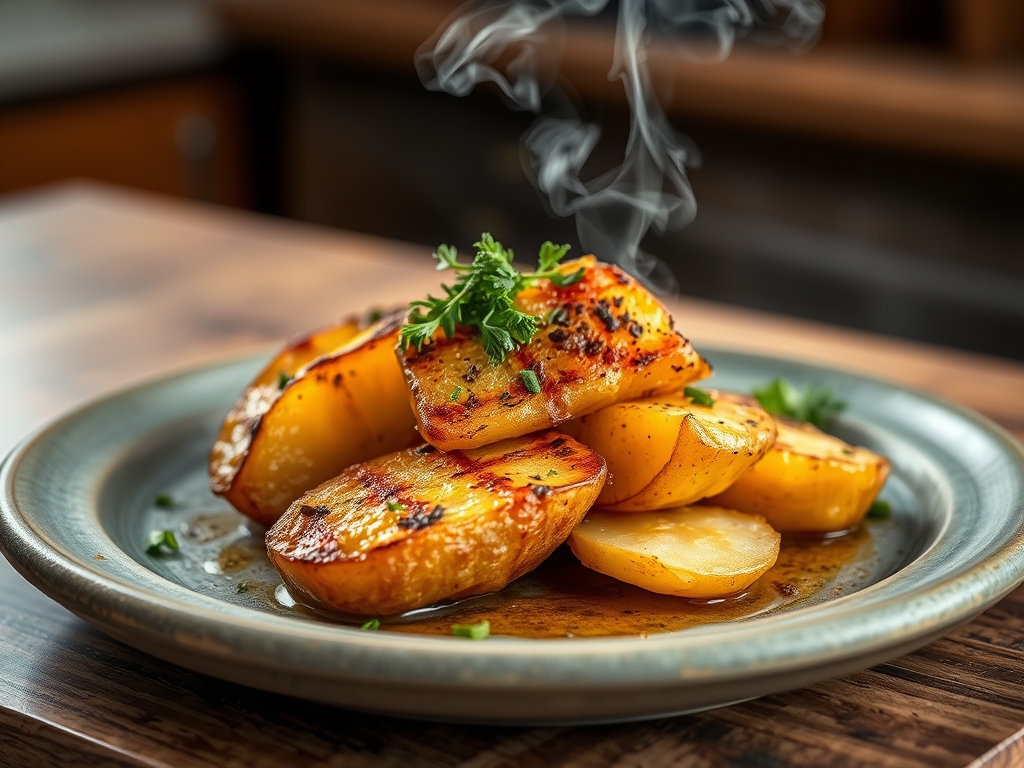
The smell of woodsmoke hitting a starch-heavy russet is the ultimate summer olfactory trigger. When you master russet potato recipes grill techniques, you are not just cooking; you are engineering the perfect contrast between a salt-crusted, shattered skin and a cloud-like, fluffy interior. It is the Maillard reaction meeting backyard leisure in a high-stakes dance of heat.
Imagine the sizzle as the moisture evaporates from the skin, leaving behind a golden, structural lattice that holds all that buttery goodness inside. We are moving far beyond the foil-wrapped lumps of the past. We are talking about precision heat, intentional surface area, and the kind of seasoning that penetrates to the core. Grab your favorite beverage and your heavy-duty tongs; we are about to turn the humble tuber into the undisputed protagonist of your next cookout.
The Gathers:
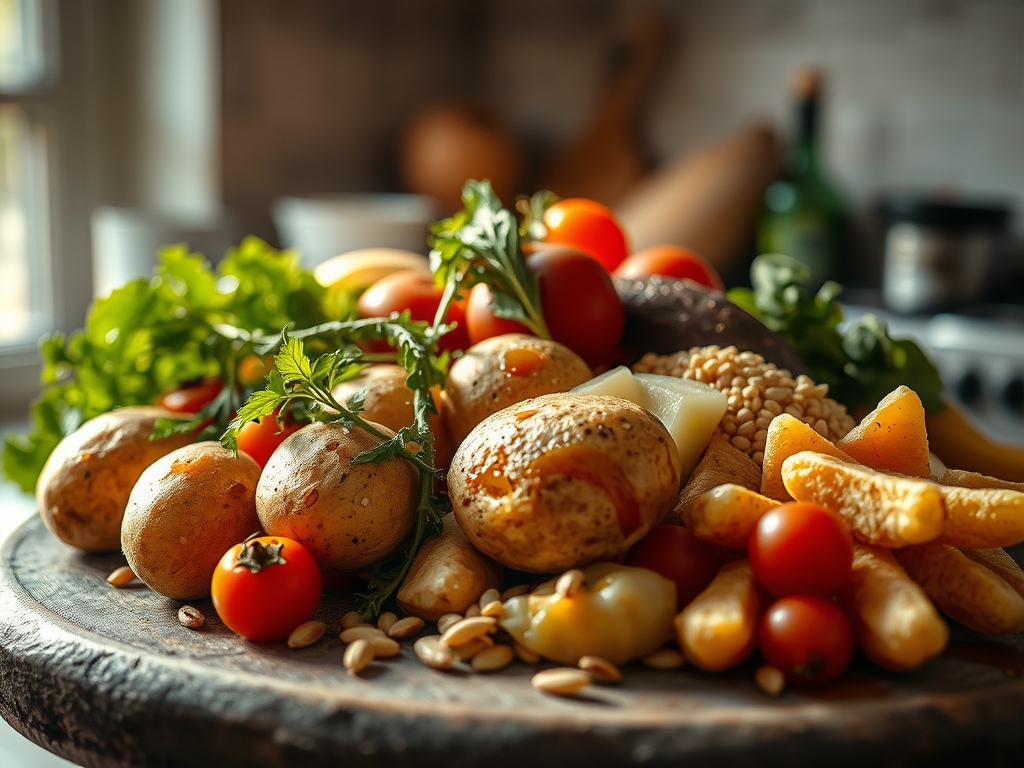
To execute these russet potato recipes grill style, your mise-en-place must be meticulous. Russets are high-starch, low-moisture tubers, which makes them the ideal canvas for crisping. You will need high-quality fats with high smoke points. Think avocado oil or rendered duck fat for that piquant, savory depth.
Gather your tools: a digital scale for uniform sizing, a bench scraper to clean your prep surface, and a microplane for zesting aromatics. For seasoning, skip the table salt and reach for coarse kosher salt and freshly cracked peppercorns. If you want to elevate the profile, include smoked paprika, garlic powder, and fresh rosemary.
Smart Substitutions: If you are out of duck fat, use ghee for its high thermal stability. If you want a vegan kick, nutritional yeast provides a nutty, cheese-like umami without the dairy. For a bright finish, use a splash of apple cider vinegar to cut through the starch.
The Clock
Efficiency in the kitchen is all about "Chef's Flow." Total active prep time for these hacks is roughly 20 minutes, but the grill time varies based on the specific technique. Expect a range of 35 to 50 minutes for most recipes.
The flow works like this: start your grill to stabilize the ambient temperature. While it preheats, wash and dry your potatoes thoroughly. Moisture is the enemy of the crunch. While the potatoes undergo their first phase of cooking, you can prepare your compound butters or herb oils. This overlapping schedule ensures that your sides are finishing exactly when your protein is ready to rest, keeping your kitchen tempo high and your stress low.
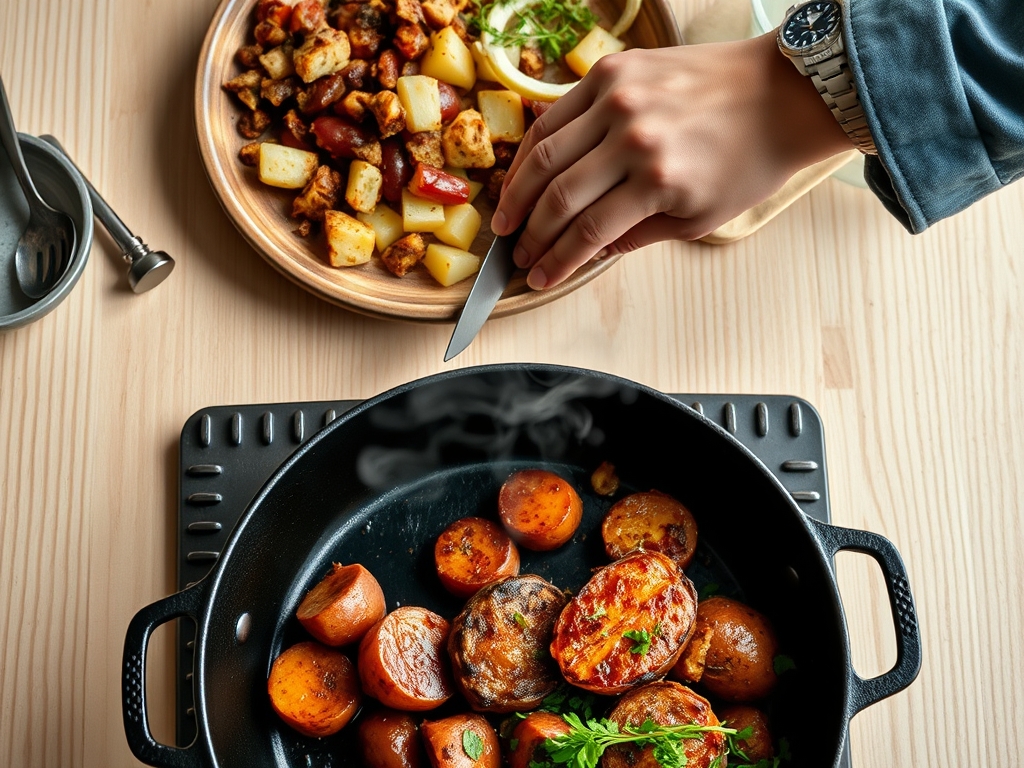
The Masterclass
1. The Hasselback Slice
Use your bench scraper as a guide to slice thin slits into the potato without cutting all the way through. This increases the surface area for the fat to penetrate.
Pro Tip: This technique utilizes increased surface-area-to-volume ratio, allowing the heat to dehydrate the interior slices faster for a chip-like texture.
2. The Par-Boil Pivot
Boil your russet wedges in alkaline water (add a pinch of baking soda) for five minutes before grilling. This breaks down the pectin on the surface.
Pro Tip: The baking soda creates a starchy slurry on the exterior that, when grilled, results in a thick, glass-like crunch through accelerated dehydration.
3. The Salt-Crusted Sear
Rub the skins with oil and a heavy coating of kosher salt. Place them over indirect heat.
Pro Tip: Salt acts as a desiccant, drawing out surface moisture to ensure the skin becomes crisp rather than leathery during the long cook time.
4. The Smashed Russet
Grill whole until soft, then use a heavy-bottomed skillet to smash them flat and return them to the grates.
Pro Tip: Smashing creates irregular edges that catch the heat, leading to localized Maillard browning in the crevices for maximum flavor.
5. The Herb-Infused Foil Pack
Place sliced russets with butter and rosemary in a foil pouch.
Pro Tip: This creates a micro-steaming environment where the fats infuse the starch cells before you open the pack for a final sear.
6. The Cast Iron Confit
Place potato rounds in a saucier or skillet filled with oil on the grill.
Pro Tip: This is submerged frying at a lower temperature, which prevents the exterior from burning before the interior reaches a creamy consistency.
7. The Spiralized Skewer
Use a spiralizer or knife to create a ribbon, then thread onto skewers.
Pro Tip: The thinness of the potato allows for rapid heat transfer, cooking the starch through almost instantly while providing a playful aesthetic.
8. The Smoked Potato Salad Base
Grill halved russets face down until charred, then cube for salad.
Pro Tip: The char adds carbonized flavor notes that balance the creamy acidity of a traditional mayonnaise or vinaigrette dressing.
9. The Hasselback Gratin
Slice as in hack one, but tuck cheese and garlic between the layers while on the grill.
Pro Tip: The cheese undergoes proteolysis and fat rendering, which bastes the potato from the inside out as it melts.
The Deep Dive
Macro Nutrition: One medium russet potato provides approximately 160 calories, 37 grams of carbohydrates, and 4 grams of fiber. They are a powerhouse of potassium, often exceeding the levels found in bananas.
Dietary Swaps: For a Keto-friendly alternative, you can apply these same grilling techniques to cauliflower steaks or radishes. For a vegan profile, replace butter with a high-viscosity olive oil or coconut oil. All russet potato recipes grill techniques are naturally gluten-free.
The Fix-It:
- The Burn: If the outside is charred but the inside is raw, move the potatoes to an indirect heat zone and cover the grill to create an oven effect.
- The Mush: If the potatoes are falling apart, you likely over-boiled them. Use a metal spatula to handle them gently and increase the heat to set the crust quickly.
- The Blandness: If the flavor is flat, you need more acid. A squeeze of lemon or a dash of vinegar after grilling will brighten the flavor profile immediately.
Meal Prep & Reheating: To maintain "day-one" quality, reheat grilled potatoes in an air fryer or a hot skillet. Avoid the microwave, as it causes the starch to become retrograded and rubbery. High, dry heat will re-crisp the fats and restore the fluffy interior.
The Wrap-Up
Mastering the grill for your russets is a total game changer for your summer hosting. By understanding the science of starch and the power of high-heat fats, you transform a basic pantry staple into a gourmet side dish. These nine hacks provide the versatility you need to keep your menus fresh and your guests impressed. So, fire up those burners, grab your tongs, and let the Maillard reaction do the heavy lifting. Your perfect potato is just a sear away!
The Kitchen Table
Can I grill russet potatoes without foil?
Yes; grilling without foil allows for a crispier, salt-crusted skin. Use indirect heat to ensure the interior cooks through without burning the exterior. This method enhances the natural earthy flavor through direct flame contact and moisture evaporation.
How do I stop potatoes from sticking to the grill?
Ensure your grill grates are clean and well-oiled. Coat the potatoes in a high-smoke-point fat like avocado oil. Only flip the potatoes once a crust has formed; the starch will naturally release from the metal when properly seared.
Should I soak russet potatoes before grilling?
Soaking sliced potatoes in cold water removes excess surface starch. This prevents them from becoming gummy and helps achieve a crispier exterior. Always pat them completely dry with a lint-free towel before adding oil and placing them on the heat.
What is the best temperature for grilling potatoes?
Aim for a medium-high heat between 375 and 400 degrees Fahrenheit. This range allows for steady thermal penetration to soften the center while providing enough energy to trigger the Maillard reaction for a golden-brown, flavorful crust on the outside.