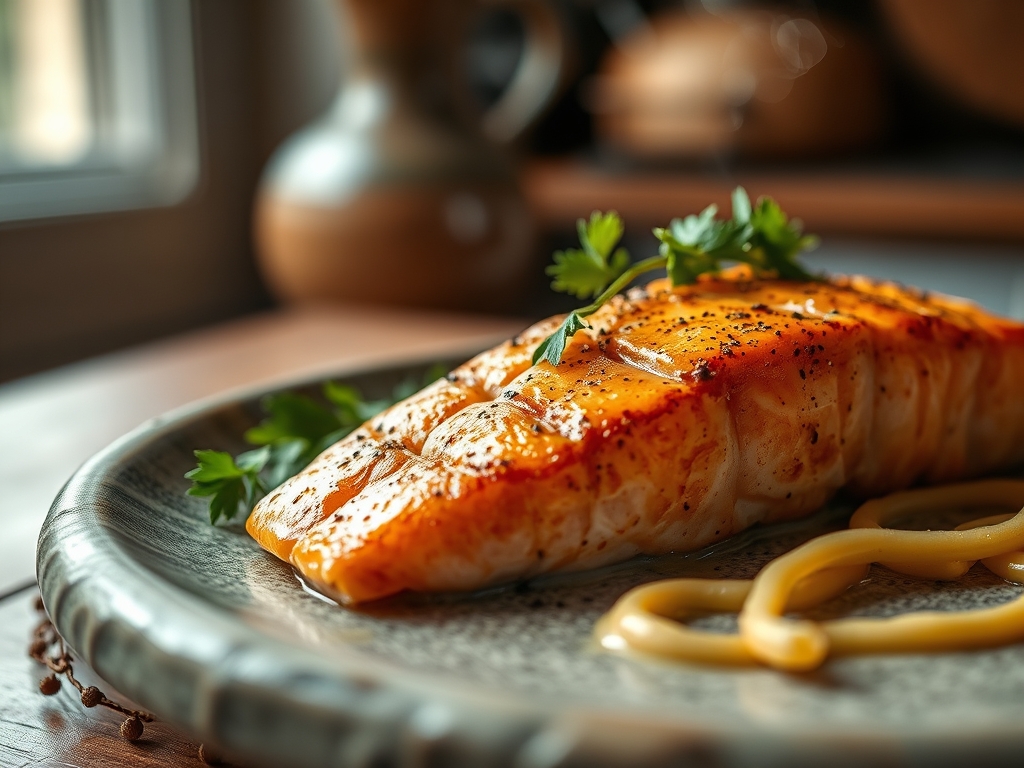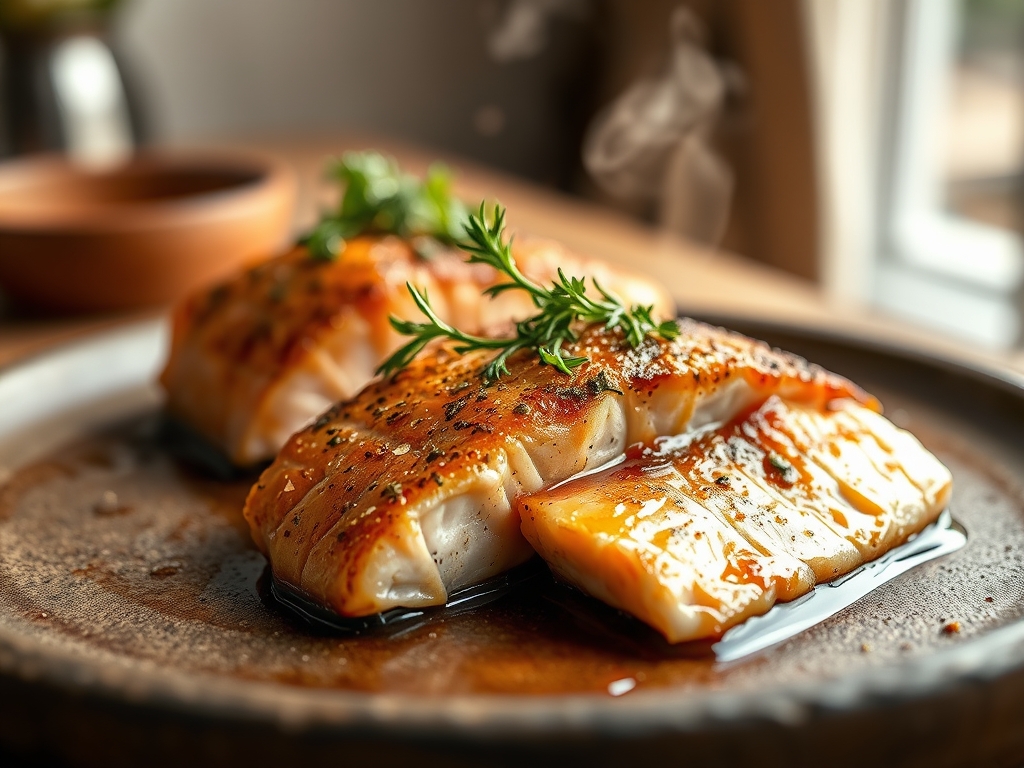
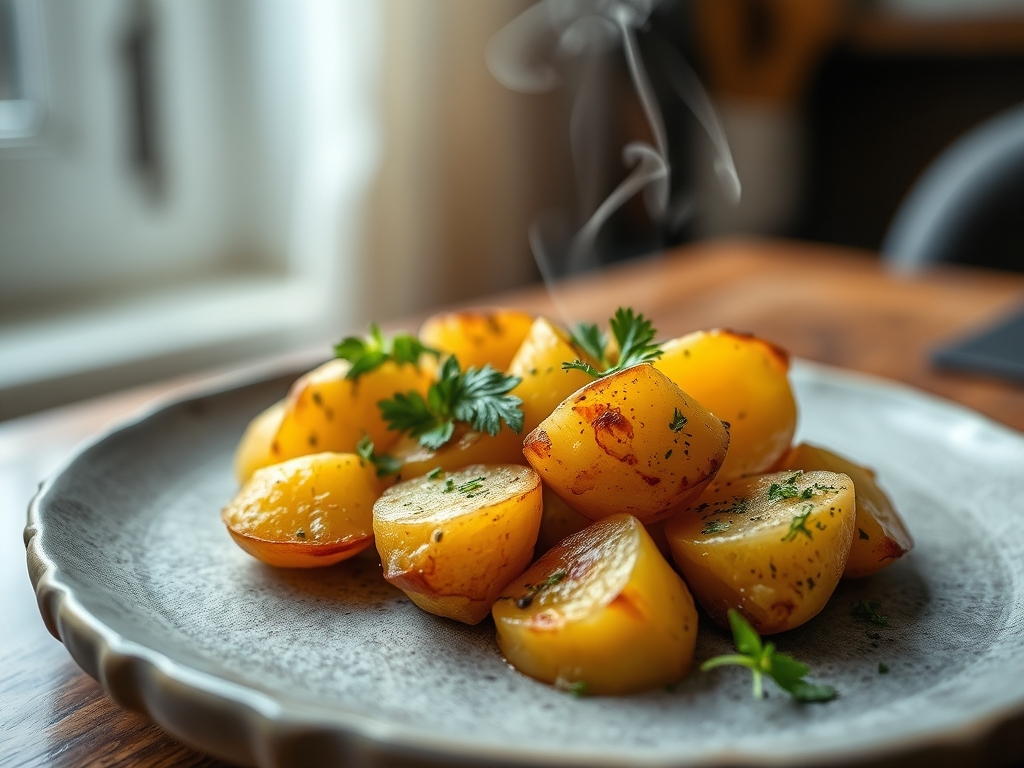
Imagine the scent of cold butter hitting a scorching heavy-bottomed skillet; it is the olfactory equivalent of a warm hug. When you are hunting for the best potato recipes for dinner, you are not just looking for starch. You are looking for the Maillard reaction, that magical chemical transformation where amino acids and reducing sugars create a savory, golden crust. Potatoes are the ultimate culinary chameleons, capable of becoming silky purees or shatteringly crisp wedges. Whether you are hosting a high-stakes dinner party or just trying to survive a Tuesday, these ten masterpieces elevate the humble tuber into a fine-dining experience. We are moving beyond basic mash to explore textures that range from ethereal fluff to dense, buttery confit.
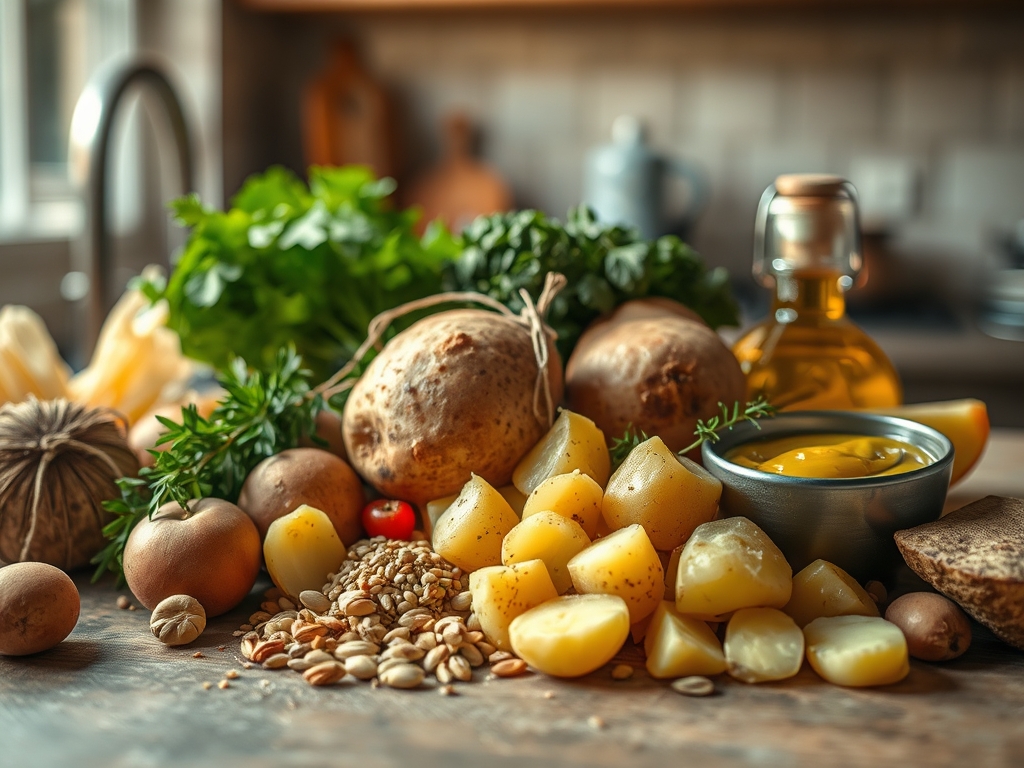
The Gathers:
To execute these masterpieces, your mise-en-place must be precise. Start with high-starch Russets for fluff and waxy Yukon Golds for creamy stability. You will need high-quality fats like clarified butter (ghee) or duck fat, which have higher smoke points than standard butter. Fresh aromatics are non-negotiable; think sprigs of woody rosemary, pungent thyme, and garlic cloves that have not yet sprouted. For the liquids, keep heavy cream and a high-viscosity bone broth on standby to ensure your sauces are rich and emulsified.
Smart Substitutions:
If you are avoiding dairy, a high-quality cashew cream provides the necessary lipids without the lactose. For a lower-glycemic twist, substitute half of your potato volume with celery root (celeriac). It mimics the texture of a potato while adding a sophisticated, earthy undertone. If you lack a saucier for your reductions, a small heavy-bottomed saucepan will suffice, provided you whisk constantly to prevent scorching.
The Clock
Efficiency in the kitchen is all about the Chef's Flow. This is the art of overlapping tasks so no heat is wasted. Prep time for these recipes generally clocks in at 20 minutes of active knife work, while cook times range from 15 minutes for a flash-fry to 60 minutes for a deep roast.
The secret is to utilize the "passive window." While your potatoes undergo gelatinization in the oven, use that time to render your proteins or infuse your oils. Always allow for a 5-minute rest period post-cooking; this allows the internal steam to redistribute, ensuring the center of your potato stays moist while the exterior maintains its structural integrity. Using a digital scale for your ingredients rather than volume cups will shave minutes off your cleanup and guarantee consistent results every single time.
The Masterclass
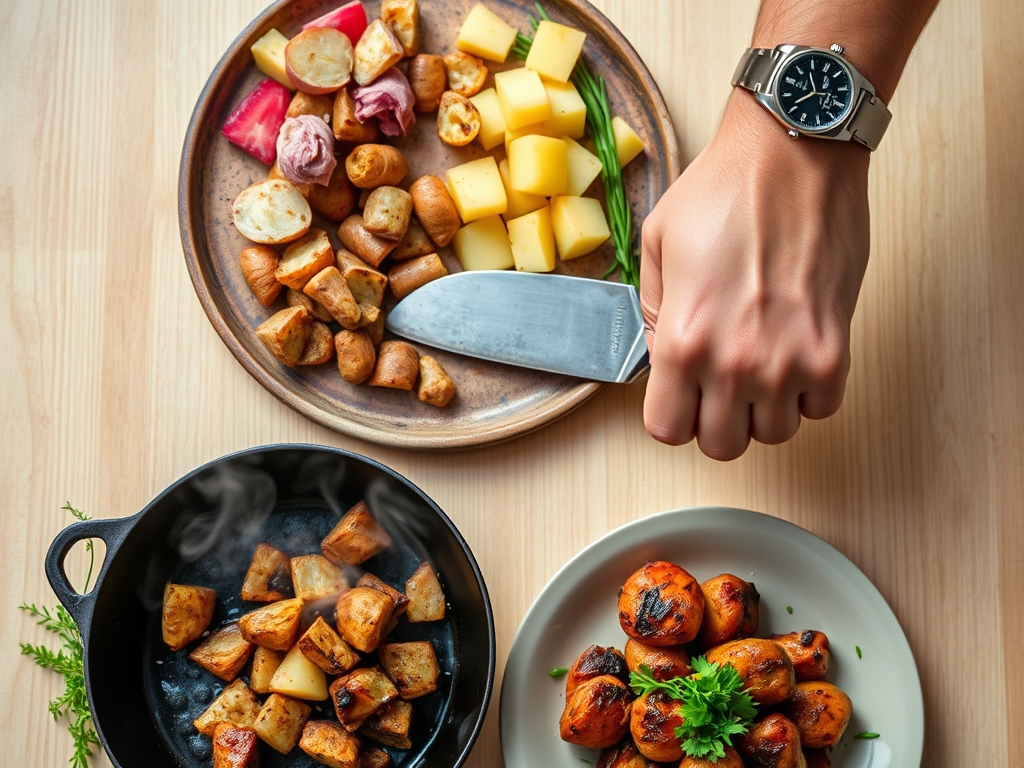
1. The Parboil Foundation
Before roasting, always parboil your potatoes in alkaline water (add a pinch of baking soda). This breaks down the pectin on the surface, creating a starchy slurry.
Pro Tip: This slurry dehydrates in the oven to create an extra-thick, glass-like crunch. This is the science of surface area maximization.
2. The Cold-Start Confit
Place sliced potatoes in a cold heavy-bottomed skillet with oil, then turn on the heat. This allows the fat to penetrate the starch granules slowly.
Pro Tip: Cold-starting prevents the outside from burning before the inside is creamy. It manages thermal conductivity for a uniform texture.
3. The Aerated Puree
Pass your boiled potatoes through a ricer or food mill rather than using a masher. This prevents the release of excess starch which can make potatoes gluey.
Pro Tip: Over-working potatoes shears the starch molecules, creating a viscous, gummy mess. Gentle aeration keeps them light and pillowy.
4. The Infused Emulsion
Never add cold cream to hot potatoes. Infuse your cream with garlic and herbs in a saucier first, bringing it to a simmer before incorporating.
Pro Tip: Matching temperatures ensures a stable emulsion. Cold liquids can cause the fats in the potato to seize, ruining the mouthfeel.
5. The High-Heat Roast
Blast your potatoes at 425 degrees Fahrenheit. Use tongs to flip them halfway through to ensure even browning on all facets.
Pro Tip: This high heat triggers the Maillard reaction rapidly. If the oven is too cool, the potatoes will steam rather than crisp.
6. The Acid Finish
Just before serving, hit your potatoes with a squeeze of lemon or a splash of vinegar.
Pro Tip: Acid cuts through the heavy lipids (fats) and brightens the flavor profile. It acts as a chemical balance to the piquant seasonings.
7. The Microplane Garnish
Grate fresh Parmesan or cured egg yolk over the top using a microplane at the very last second.
Pro Tip: The fine shavings melt instantly due to residual heat, creating a savory "snow" that clings to the potato.
8. The Bench Scraper Clean
Use a bench scraper to gather chopped herbs or move diced potatoes from the board to the pan.
Pro Tip: This prevents the dulling of your knife edge and ensures you don't lose the flavorful "pot liquor" or juices on the board.
9. The De-glaze Trick
If you are pan-searing, use a splash of white wine to deglaze the brown bits (fond) from the bottom of the pan.
Pro Tip: The fond contains concentrated flavor compounds. Incorporating it back into the dish adds depth and umami.
10. The Carryover Rest
Remove potatoes from the heat when they are just slightly underdone.
Pro Tip: Thermal carryover means the internal temperature will continue to rise by 5 to 10 degrees. Resting prevents overcooking and mushiness.
The Deep Dive
From a macro perspective, potatoes are nutritional powerhouses, offering more potassium than bananas and a healthy dose of Vitamin C. When paired with healthy fats and proteins, they provide a balanced glycemic load. For those on specific diets, the best potato recipes for dinner are surprisingly flexible.
Dietary Swaps:
For a Keto-friendly alternative, use radishes; when roasted, their peppery bite mellows into a potato-like sweetness. Vegan diners should swap butter for a high-quality extra virgin olive oil or avocado oil to maintain the fat content. All potato recipes are naturally Gluten-Free, making them the perfect safe haven for Celiac guests.
The Fix-It:
- Soggy Fries: You likely overcrowded the pan. This traps steam. Fix it by spreading them out on a wire rack and flash-broiling for two minutes.
- Gluey Mash: You over-mixed. Fix it by folding in some sautéed leeks or cheese and turning it into a gratin; the added texture hides the gumminess.
- Burnt Garlic: If your garlic bits turned bitter, discard the oil and start over. Bitterness from burnt aromatics cannot be masked.
Meal Prep Science:
To reheat with "day-one" quality, avoid the microwave. The microwave vibrates water molecules, making the starch soggy. Instead, use an air fryer or a dry skillet to re-crisp the exterior while gently warming the interior.
The Wrap-Up
Mastering the best potato recipes for dinner is about more than just following a list; it is about understanding the chemistry of the kitchen. When you respect the starch, control the heat, and use the right tools, you transform a simple root vegetable into a culinary event. Go forth, grab your bench scraper, and turn your kitchen into a laboratory of deliciousness. Your dinner guests will thank you.
The Kitchen Table
Which potato is best for roasting?
Yukon Golds are the gold standard. They possess a medium starch content that allows for a creamy interior while still developing a rugged, crispy exterior. Russets are a close second for maximum crunch but can sometimes become too dry.
How do I stop potatoes from turning brown?
Submerge peeled or cut potatoes in cold water immediately. This prevents enzymatic browning, a reaction where oxygen hits the enzymes in the potato. Adding a splash of lemon juice or vinegar to the water further inhibits this oxidation process.
Can I make mashed potatoes ahead of time?
Yes, but store them tightly covered. To reheat, use a saucier over low heat and add a splash of warm milk or cream. This restores the emulsion and prevents the potatoes from becoming dry or grainy during the reheating process.
Why are my roasted potatoes sticking to the pan?
You likely tried to flip them too early. Potatoes will naturally release from the pan once a proper crust has formed through the Maillard reaction. If they stick, give them another two minutes of undisturbed heat before using your tongs.