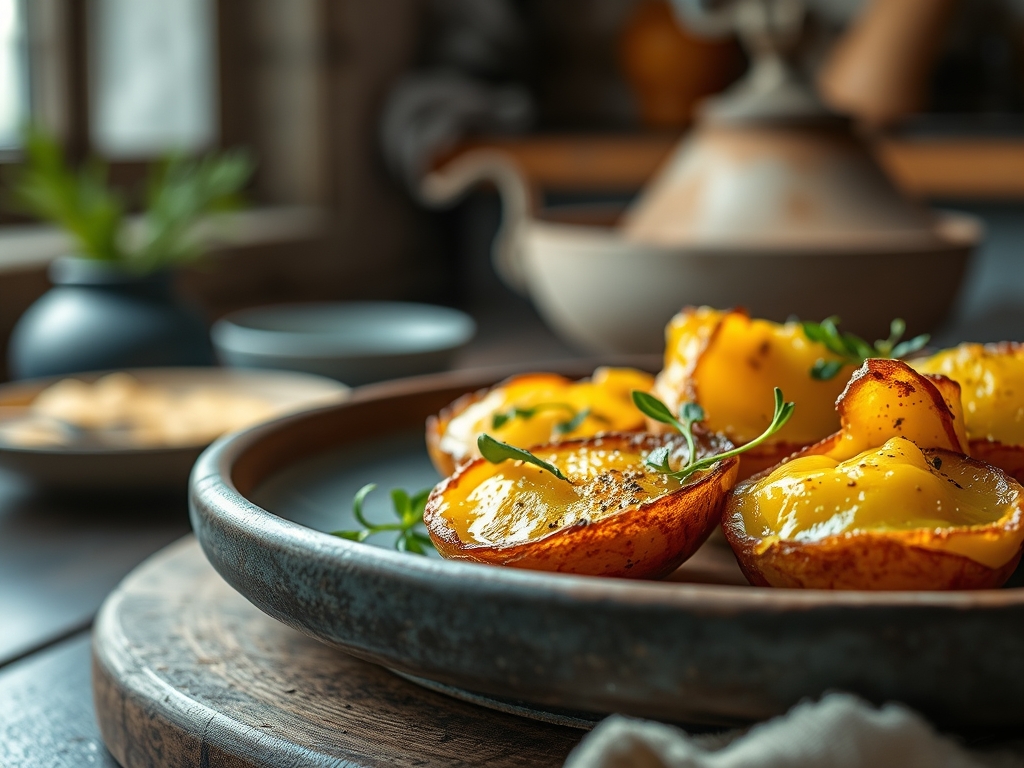
Steam rises from the heavy-bottomed skillet in a fragrant cloud of starch and salt; it is the olfactory equivalent of a warm hug. When you are craving ultimate comfort, nothing competes with the silkiness of velveeta potato recipes. We are talking about that specific, liquid-gold viscosity that clings to every crevice of a Yukon Gold. It is not just dinner; it is a molecular masterpiece of emulsification and pure, unadulterated joy.
The secret to a truly life-changing potato dish lies in the marriage of the potato's natural amylopectin and the unique melting point of processed cheese. While aged cheddars often "break" into a greasy mess under high heat, the sodium citrate in Velveeta acts as a stabilizer. This ensures a glossy, uniform coat that remains stable even as the temperature fluctuates. Whether you are hosting a frantic weeknight dinner or a curated Sunday brunch, mastering these velveeta potato recipes is your ticket to culinary legend status.
We are going to move beyond the basic box instructions. We are diving into nine elevated upgrades that utilize professional techniques like deglazing and aromatic infusion to turn a humble tuber into a five-star side dish. Grab your apron and your favorite bench scraper; we are about to transform your kitchen into a high-end bistro where the cheese never breaks and the potatoes are always perfectly tender.
The Gathers:
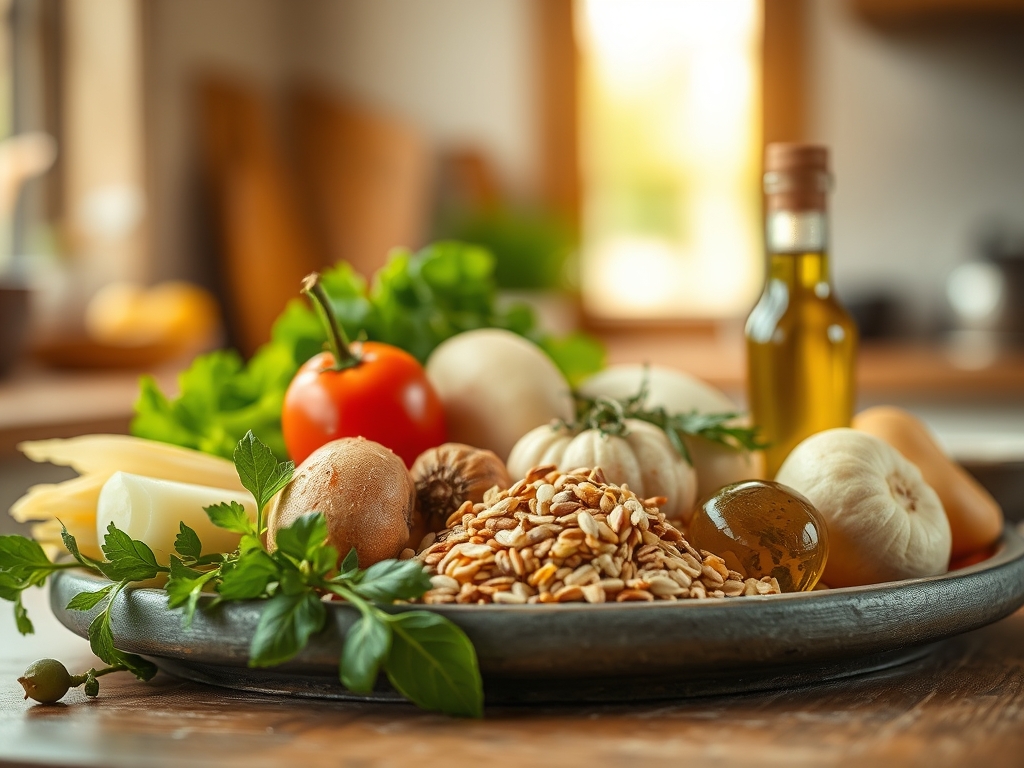
To execute these velveeta potato recipes with precision, your mise-en-place must be impeccable. Start with the starch. For a creamy interior, choose Yukon Gold potatoes because their medium starch content provides a buttery texture without disintegrating. If you want a crispy exterior for a hash-style upgrade, reach for the Russet, which boasts high starch levels that undergo superior Maillard browning.
Your dairy components should be at room temperature to prevent thermal shock when they hit the pan. You will need high-quality heavy cream to aerate the sauce and unsalted butter to control the sodium levels. For aromatics, keep fresh thyme, rosemary, and garlic cloves nearby. A microplane is essential here for grating garlic into a fine paste, ensuring it melts into the sauce without leaving pungent chunks.
Smart Substitutions: If you are looking to lighten the profile without sacrificing the "velvet" mouthfeel, substitute half of the heavy cream with evaporated milk. It contains concentrated milk proteins that mimic the richness of cream while reducing the total lipid count. For a piquant kick, swap 20 percent of the Velveeta for a sharp, aged white cheddar; just ensure you incorporate it slowly to maintain the emulsion.
The Clock
Efficiency in the kitchen is about "Chef's Flow," the art of overlapping tasks to minimize downtime. For most velveeta potato recipes, you are looking at a 15-minute prep time and a 35 to 45-minute cook time. While the potatoes are undergoing their initial parboil or roasting phase, use that window to render your aromatics and prepare your cheese base in a saucier.
Total time from pantry to table is roughly one hour. To optimize this, use a digital scale to weigh your potatoes; this ensures consistent cooking times across the board. If you are prepping ahead, store your peeled and cut potatoes in a bowl of cold water with a splash of lemon juice to prevent enzymatic browning (oxidation).
The Masterclass
1. The Parboil Precision
Start by cubing your potatoes into uniform one-inch pieces. Place them in a pot of cold, heavily salted water and bring to a boil.
Pro Tip: Starting with cold water ensures the potato cooks evenly from the center to the edge, preventing a "sloughing" effect where the outside overcooks before the inside is tender.
2. The Aromatic Infusion
While the potatoes simmer, melt butter in a heavy-bottomed skillet. Add minced shallots and garlic.
Pro Tip: This process is called sweating the aromatics. By keeping the heat low, you release the essential oils without browning the solids, resulting in a cleaner, more sophisticated flavor profile.
3. The Emulsion Base
Slowly whisk heavy cream into your aromatics, then add the cubed Velveeta. Use a silicone whisk to avoid scratching your pan and to ensure a smooth texture.
Pro Tip: Do not let the sauce boil once the cheese is added. High heat can cause the proteins to tighten and squeeze out the fats, leading to a grainy sauce.
4. The Flavor Layering
Incorporate a teaspoon of dry mustard or a dash of cayenne pepper. This provides a "back-note" of heat that cuts through the richness of the cheese.
Pro Tip: This is known as flavor balancing. The acidity in mustard acts as a foil to the heavy lipids in the cheese, making the dish taste "brighter" on the palate.
5. The Texture Integration
Drain your potatoes and let them steam-dry for two minutes before folding them into the cheese sauce.
Pro Tip: This is the "dry-out" phase. Removing surface moisture allows the viscous cheese sauce to adhere better to the starch, preventing a watery final result.
6. The Herbaceous Finish
Fold in freshly chopped chives or parsley just before serving.
Pro Tip: Heat destroys the delicate volatile oils in fresh herbs. Adding them at the very end preserves their vibrant color and piquant aroma.
7. The Crispy Contrast
For a baked version, top the mixture with panko breadcrumbs toasted in brown butter.
Pro Tip: This adds a textural "crunch" that contrasts with the soft potatoes. The brown butter introduces nutty notes through the caramelization of milk solids.
8. The Resting Period
Allow the dish to sit for five minutes before serving.
Pro Tip: This utilizes thermal carryover. The sauce will thicken slightly as it cools, reaching the perfect "clinging" consistency for the best mouthfeel.
9. The Final Seasoning Check
Taste and add a final pinch of flaky sea salt.
Pro Tip: Salt crystals added at the end provide a "pop" of flavor that stimulates the taste buds more effectively than salt dissolved deep within the sauce.
The Deep Dive
When we look at the macro nutrition of these velveeta potato recipes, we are looking at a high-carbohydrate, high-fat profile designed for satiety. One serving typically provides roughly 350 calories, with 15 grams of fat and 40 grams of carbohydrates. It is a dense, energy-rich dish.
Dietary Swaps: For a Gluten-Free version, ensure your cheese product is certified GF and use crushed pork rinds instead of breadcrumbs for the topping. For a Keto-friendly alternative, swap the potatoes for steamed cauliflower florets; the cheese sauce remains the star. Vegan enthusiasts can achieve a similar texture by blending soaked cashews with nutritional yeast and lactic acid, though the flavor profile will shift toward a nuttier base.
The Fix-It:
- Broken Sauce: If your sauce looks oily, whisk in a tablespoon of warm milk very vigorously to re-emulsify the fats.
- Gummy Potatoes: This happens if you overwork the potatoes. To fix, spread them in a baking dish and top with extra cheese to mask the texture.
- Blandness: If the dish lacks "oomph," add a squeeze of lemon juice. The acid will amplify the existing salt and cheese flavors.
Meal Prep: To reheat, avoid the microwave if possible. Instead, place the potatoes in a small oven-safe dish, add a splash of milk to loosen the sauce, and cover with foil. Heat at 350 degrees Fahrenheit until bubbly. This preserves the "day-one" emulsion without making the potatoes rubbery.
The Wrap-Up
Mastering velveeta potato recipes is about more than just melting cheese; it is about understanding the chemistry of comfort. By controlling your temperatures and layering your flavors with professional intent, you turn a simple side dish into the highlight of the meal. Remember to respect the starch, cradle the emulsion, and always finish with fresh herbs. Now, get into that kitchen and make something truly decadent!
The Kitchen Table
Can I use red potatoes for these recipes?
Yes; red potatoes have a waxy texture that holds its shape beautifully during boiling. They provide a firmer bite compared to the creamy Yukon Gold, making them ideal for a "chunky" cheese potato style.
How do I prevent the cheese from sticking to the pan?
Use a heavy-bottomed non-stick skillet or a stainless steel saucier. Constant whisking and maintaining a low, consistent heat prevent the proteins from scorching and bonding to the bottom of your cookware.
Why did my cheese sauce turn out grainy?
Graininess usually results from overheating the cheese, which causes the proteins to clump. To avoid this, melt the Velveeta over low heat and never allow the sauce to reach a rolling boil once the cheese is incorporated.
Can I make these velveeta potato recipes in a slow cooker?
Absolutely. Cook the potatoes on low for 4 to 6 hours. Add the Velveeta and cream during the final 30 minutes to ensure the sauce stays silky and does not break from prolonged heat exposure.