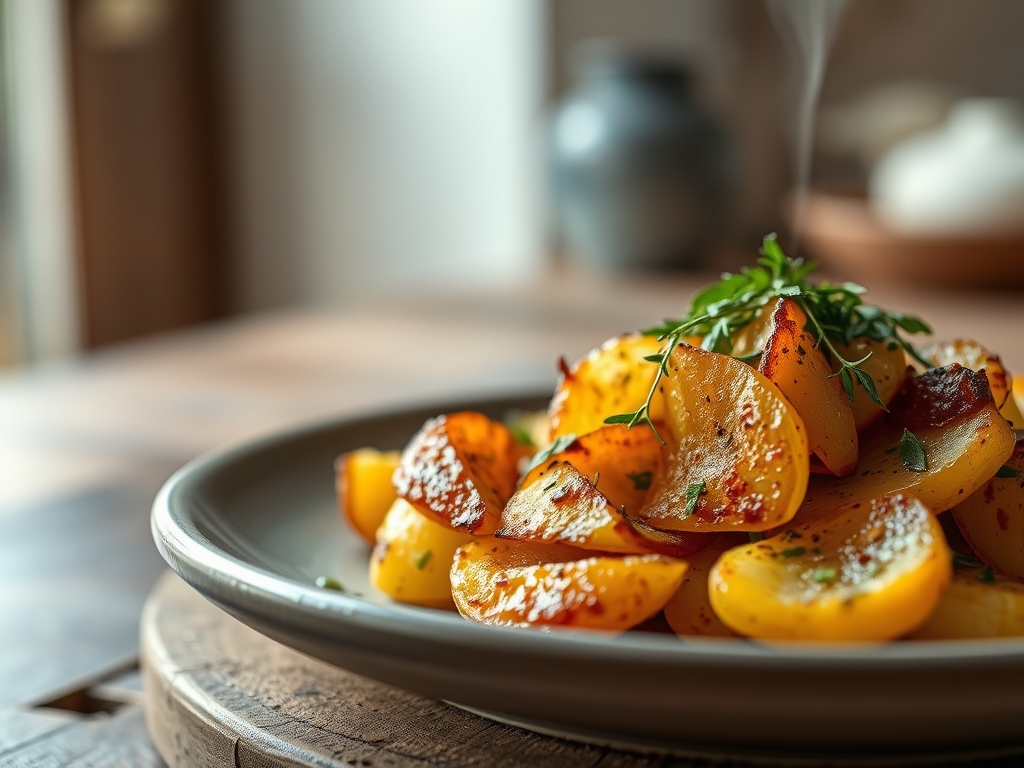
Picture the sound of a heavy-bottomed skillet meeting the stovetop with a confident thud while the aroma of earthy starch and nutty butter begins to swirl through your kitchen. There is something deeply primal and comforting about the humble tuber; it is the ultimate canvas for culinary creativity. When you are hunting for good easy potato recipes, you are not just looking for a side dish. You are looking for that perfect alchemy of a shattered-glass crust and a cloud-like interior that makes your family reach for seconds before the first plate is even cleared. Whether it is a frantic Tuesday or a slow Sunday, mastering these eight secrets will transform your kitchen into a high-end bistro. We are moving beyond the basic boil and into the realm of professional texture and flavor profiles.
The Gathers:
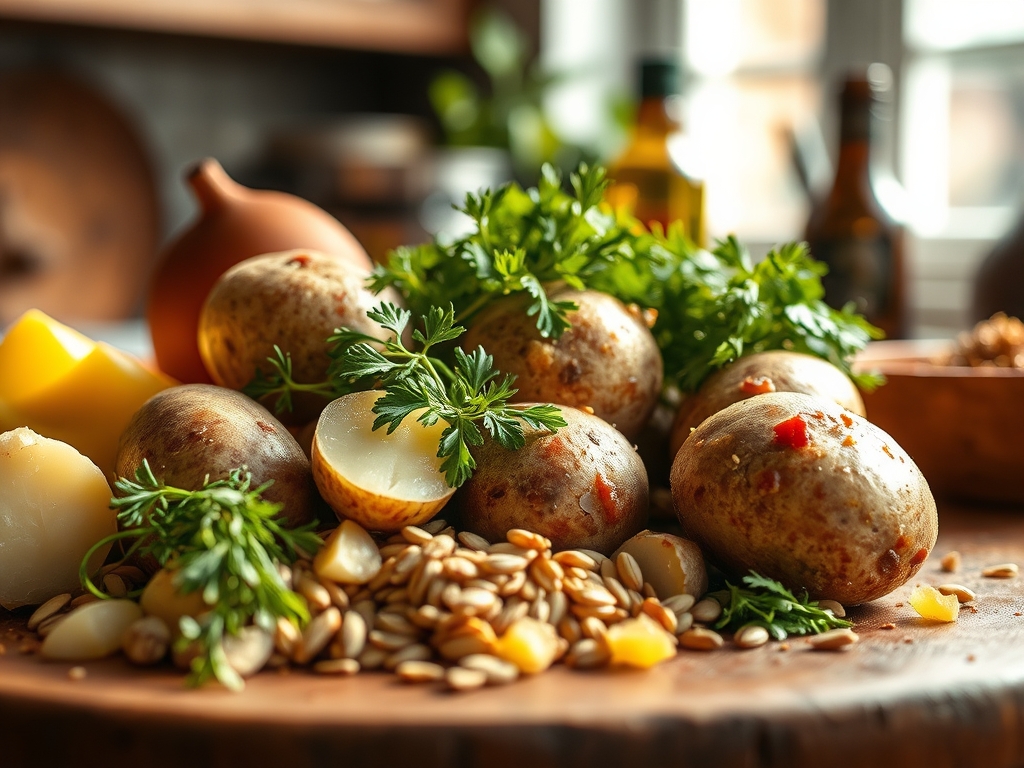
To execute these good easy potato recipes with precision, your mise-en-place must be intentional. Start with the star of the show: the Russet or Yukon Gold. Russets provide a high starch content that is essential for a floury, light texture; meanwhile, Yukons offer a waxy, buttery density that holds its shape during a hard sear. You will need a high-quality fat with a high smoke point, such as clarified butter or duck fat, to achieve the Maillard reaction without scorching.
Your aromatics should include fresh rosemary and thyme, which contain volatile oils that infuse the fat as it renders. Do not forget the salt; use a coarse kosher salt to draw out moisture and a flaky finishing salt for texture. For smart substitutions, if you are avoiding dairy, a high-quality avocado oil provides the necessary lipids without the milk solids. If you lack fresh herbs, a pinch of smoked paprika or garlic powder can provide a piquant punch that elevates the profile of the dish instantly.
The Clock:
Efficiency in the kitchen is all about the Chef's Flow. This is the art of overlapping tasks so that no second is wasted while the heat does its work. For most of these secrets, you are looking at a ten-minute active prep time followed by thirty to forty minutes of passive cooking.
The "Flow" begins with the water. Always start your potatoes in cold, heavily salted water; this ensures the exterior does not turn to mush before the core reaches a creamy consistency. While the potatoes undergo their initial parboiling, you should be prepping your aromatics with a sharp chef's knife and preheating your roasting pan. By the time the timer dings, your oven is a localized heat engine ready to receive the goods. Total time from pantry to table is roughly fifty minutes, but the active labor is minimal.
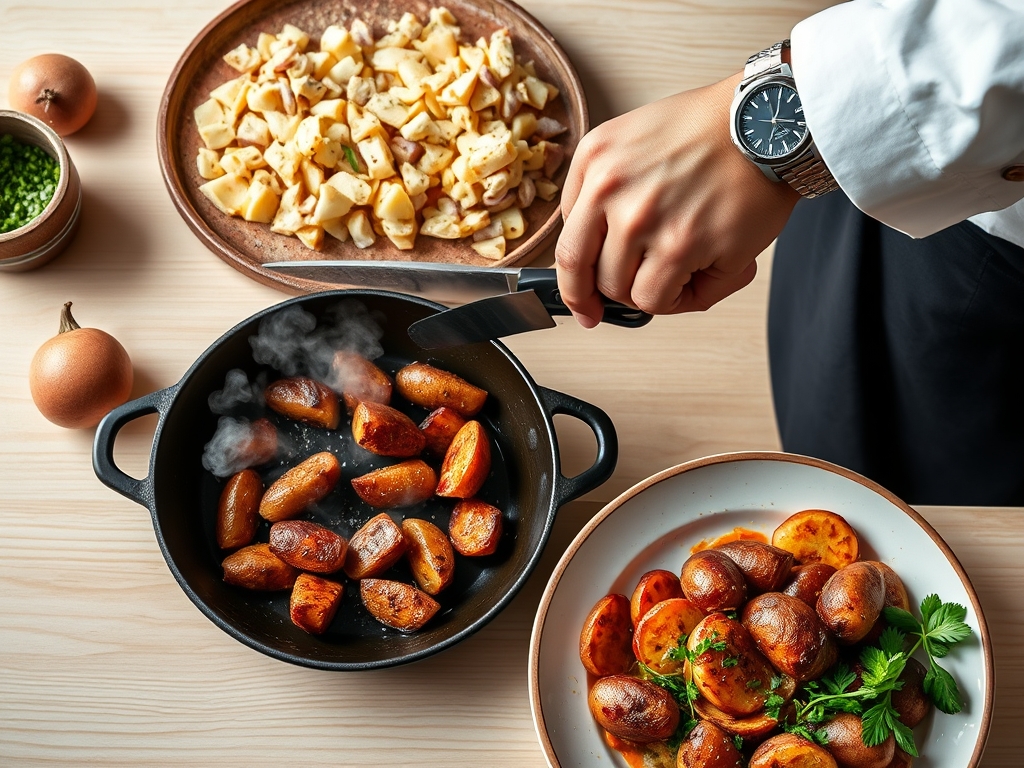
The Masterclass:
1. The Parboil and Rough-Up
After peeling and cubing your potatoes, boil them until the edges are just starting to soften. Drain them and give the colander a vigorous shake. This creates a starchy slurry on the surface of the potato.
Pro Tip: This slurry increases the surface area for the fat to cling to. When this starch hits the hot oil, it dehydrates into a thick, crunchy crust through evaporative cooling.
2. The Fat Infusion
Place your heavy-bottomed skillet or roasting pan in the oven with your chosen fat until it is shimmering. Carefully toss the potatoes in this liquid gold.
Pro Tip: Preheating the pan prevents the potatoes from sticking. This is due to the Leidenfrost effect, where a small amount of steam creates a temporary barrier between the food and the metal.
3. The Smashed Technique
For the ultimate ratio of crunch to fluff, parboil whole small potatoes, then use a bench scraper to gently flatten them before roasting.
Pro Tip: Smashing the potato breaks the skin and exposes the internal cellular structure. This allows the fat to penetrate deeper into the tuber, creating a viscous and rich mouthfeel.
4. The Microplane Magic
Once your potatoes are nearly finished, zest a clove of garlic or some hard parmesan over the top using a microplane.
Pro Tip: Using a microplane creates a high surface-to-volume ratio for the garlic. This allows the heat of the potato to cook the garlic instantly without the risk of burning it in the oven.
5. The Acid Splash
Just before serving, toss your potatoes with a teaspoon of lemon juice or apple cider vinegar.
Pro Tip: Acid acts as a flavor brightener. It cuts through the heavy lipids and resets the palate, making the savory notes of the potato feel more vibrant and less heavy.
6. The Herb Bloom
Add your woody herbs like rosemary during the last ten minutes of roasting.
Pro Tip: Herbs contain fat-soluble compounds. Adding them to the hot oil at the end allows the flavors to infuse the fat without the delicate leaves turning bitter from over-exposure to high heat.
7. The Resting Period
Never serve potatoes straight from the oven. Let them sit on a wire rack for three minutes.
Pro Tip: This allows for thermal carryover. The internal steam redistributes, ensuring the center is perfectly soft while the exterior moisture evaporates, preventing a soggy crust.
8. The Cold Start
If you are making a potato salad or mash, always start in cold water.
Pro Tip: Starting in hot water causes the outside to cook too fast, leading to enzymatic browning or uneven textures. Cold starts ensure the starch granules swell at a uniform rate.
The Deep Dive:
Potatoes are a nutritional powerhouse, packed with potassium and Vitamin C. To keep these good easy potato recipes healthy, focus on the quality of your fats. For a vegan swap, nutritional yeast provides a cheesy, umami flavor without the dairy. For those on a keto-adjacent path, keep the portions small and focus on the high-fiber skins.
The Fix-It:
- Soggy Potatoes: Usually caused by overcrowding the pan. The steam gets trapped. Fix: Spread them out on two pans to allow air circulation.
- Burnt Garlic: You added it too early. Fix: Next time, use the microplane method at the very end.
- Gluey Mash: You over-worked the starch. Fix: Use a potato ricer instead of a blender to keep the starch molecules intact.
Meal Prep: To reheat and maintain "day-one" quality, avoid the microwave. Use a toaster oven or a skillet with a drop of oil to re-crisp the exterior. This restores the crystalline structure of the starch.
The Wrap-Up:
Mastering good easy potato recipes is about understanding the relationship between starch, heat, and fat. By using tools like a bench scraper and techniques like parboiling, you elevate a simple root vegetable into a gourmet experience. Remember to always salt your water, preheat your pans, and give your potatoes the space they need to crisp up. Your family will notice the difference in the very first bite. Now, go grab your favorite heavy-bottomed skillet and start roasting!
The Kitchen Table:
Why are my roasted potatoes always soft?
Softness usually stems from trapped steam. Ensure you do not overcrowd the roasting pan; leave at least an inch of space between each piece. This allows moisture to evaporate quickly, creating a crisp, golden-brown Maillard crust instead of a soggy exterior.
What is the best potato for roasting?
Yukon Golds are the gold standard for versatility. They possess a medium starch content that provides a creamy interior while still holding their shape. For maximum crunch, Russets are superior due to their high starch and low moisture levels.
Can I prep potatoes ahead of time?
Yes; peel and cut your potatoes, then submerge them completely in cold water in the refrigerator. This prevents enzymatic browning caused by oxygen exposure. They will stay fresh and ready for cooking for up to twenty-four hours.
Should I leave the skin on?
Leaving the skin on adds fiber and a rustic texture. However, for the crispiest "shattered" effect, peeling is better as it allows the internal starches to form a rough slurry during the parboiling process, which then fries into a crust.