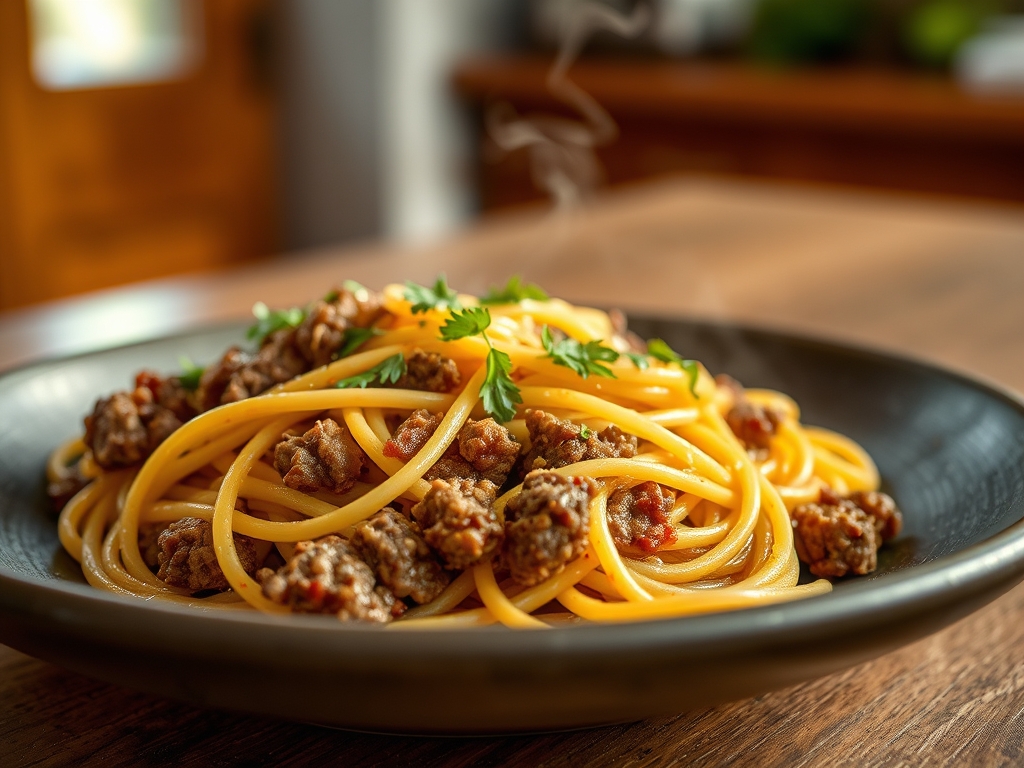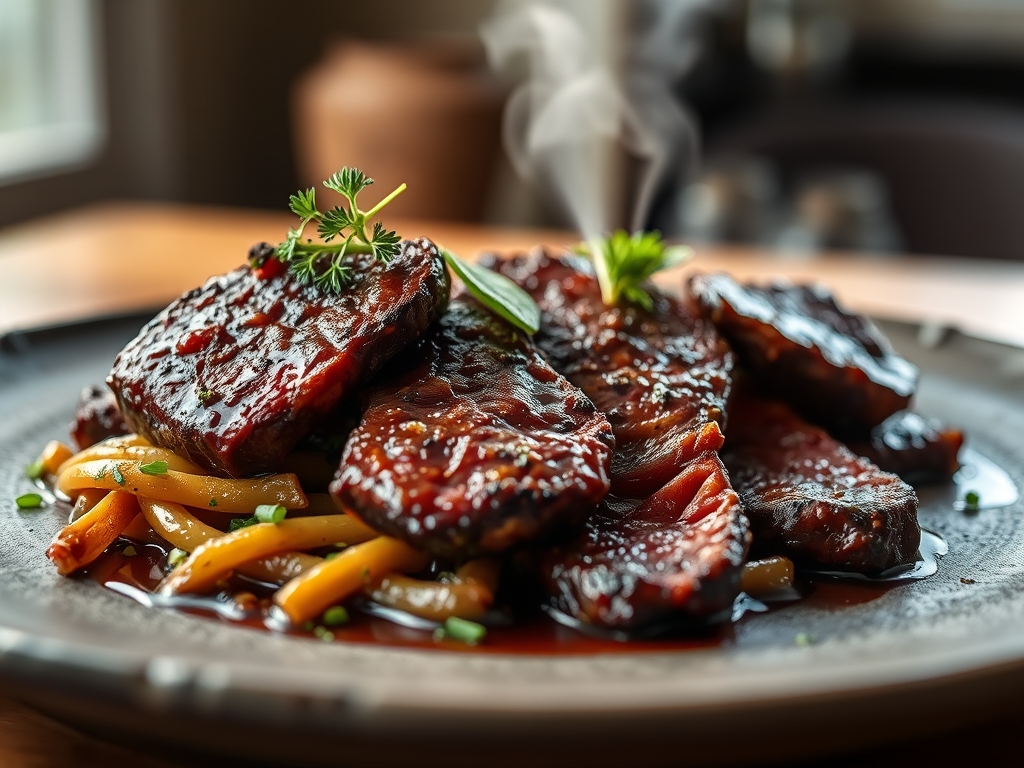
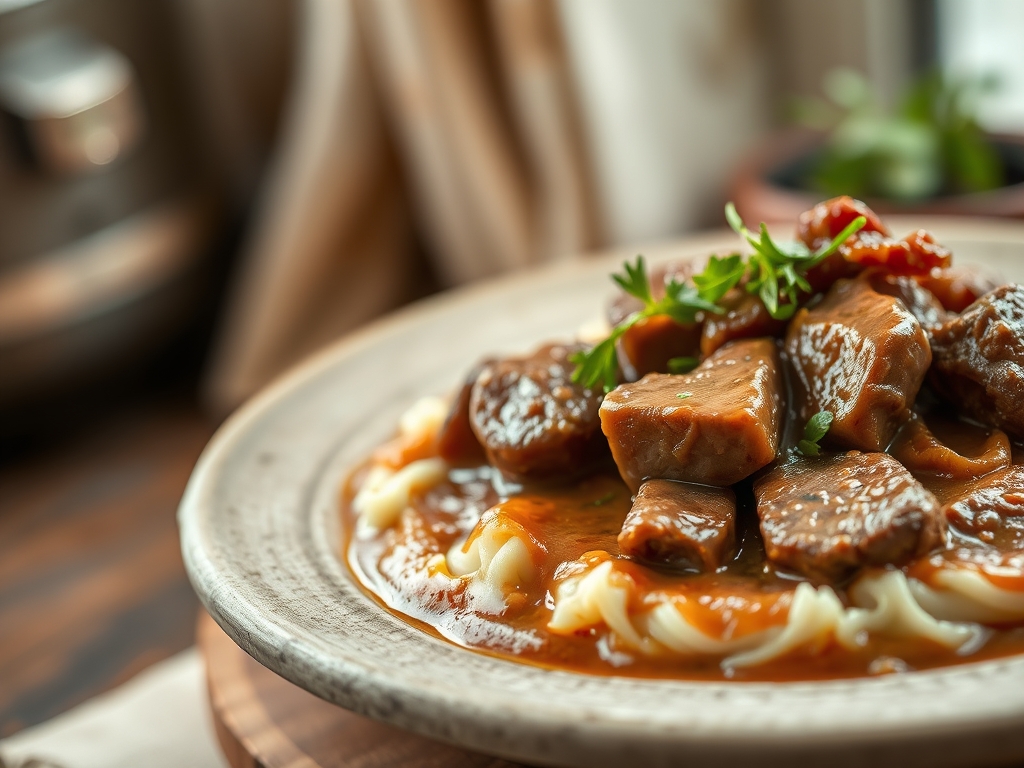
Picture a kitchen at four in the afternoon. The air is heavy with the scent of toasted peppercorns and slow-rendered fat; it is a scent that feels like a warm blanket on a rainy Tuesday. This is the magic of mastering gravy beef recipes for slow cooker techniques. We are moving beyond the watery, gray stews of the past and into the realm of velvet sauces and meat that yields at the mere suggestion of a fork. Gravy beef, typically sourced from the shin or the hindquarter, is a hardworking muscle packed with connective tissue. In a standard pan, it is tough; in a slow cooker, it is a goldmine of flavor.
The secret lies in the transformation of collagen into gelatin. This is not just cooking; it is a molecular metamorphosis. When we apply low, consistent heat over several hours, those stubborn protein fibers relax, and the tough white connective tissue melts into a rich, viscous liquid that coats the palate. It is the ultimate culinary "glow up" for the most affordable cut in the butcher's case. Grab your favorite apron and a glass of something bold. We are about to turn a humble hunk of beef into a masterpiece of texture and depth.
The Gathers:
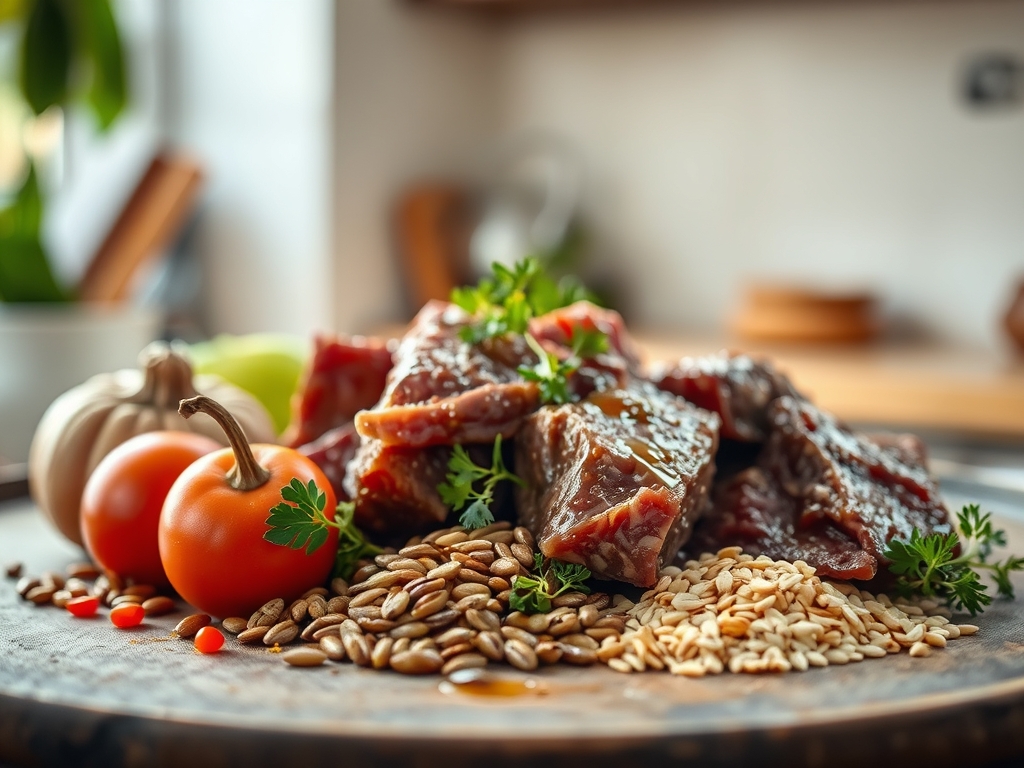
To achieve greatness, your mise-en-place must be intentional. Start with two pounds of high-quality gravy beef, trimmed of excess silver skin but with the intramuscular fat intact. You will need a piquant base of aromatics: three cloves of garlic crushed with a flat blade, two large yellow onions, and a trio of carrots for natural sweetness. For the liquid gold, gather 500ml of bone broth, 100ml of a dry red wine like Malbec, and two tablespoons of tomato paste for umami depth.
Smart Substitutions: If you are avoiding alcohol, swap the wine for a tablespoon of balsamic vinegar mixed with pomegranate juice to maintain that essential acidity. No gravy beef? Chuck steak or beef cheeks are excellent stand-ins because they share the same high-collagen profile. Always use a digital scale to measure your flour or cornstarch for thickening; precision prevents a chalky finish. Ensure your herbs are fresh; a bundle of thyme and rosemary tied with kitchen twine will infuse the sauce without leaving woody debris.
The Clock
Efficiency in the kitchen is about the "Chef's Flow." Expect a total active prep time of 20 minutes, followed by a passive cook time of 6 to 8 hours on "Low" or 4 hours on "High." I always advocate for the "Low" setting; the slower temperature rise prevents the muscle fibers from seizing, ensuring a more tender result.
The Flow: Spend the first 10 minutes on high-heat searing in a heavy-bottomed skillet. The remaining 10 minutes are for deglazing and vegetable prep. Once the lid is on, your work is done. This "set it and forget it" rhythm allows the flavors to marry and the sauce to reduce into a concentrated glaze while you go about your day.
The Masterclass
1. The Maillard Sear
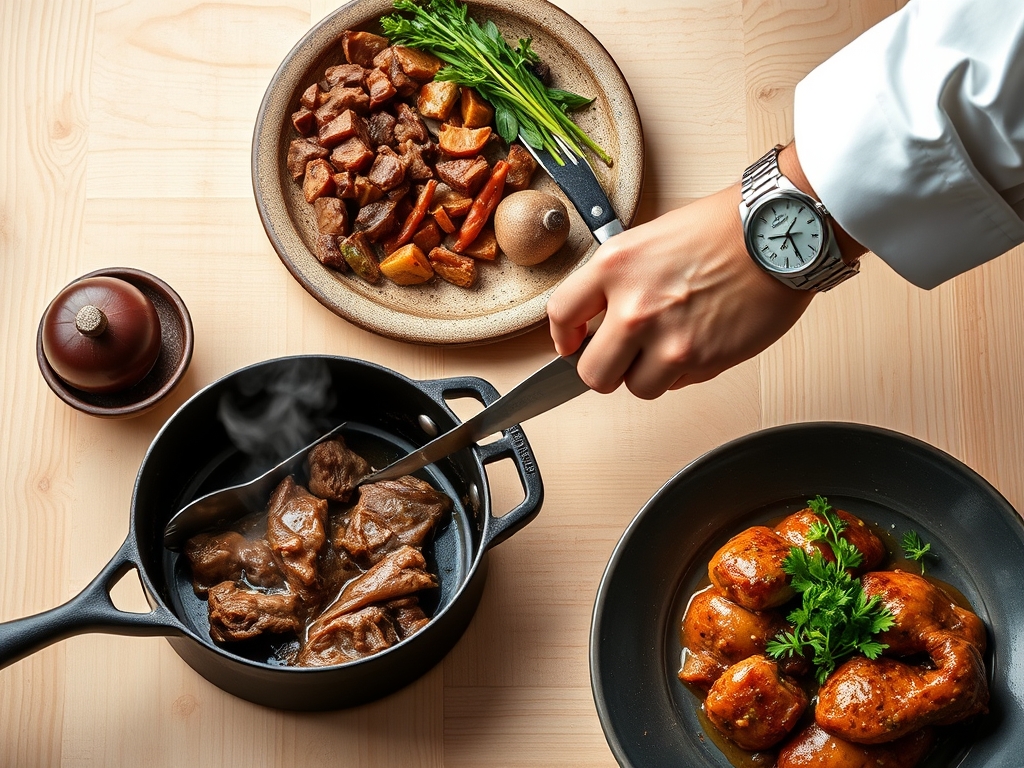
Pat the beef dry with paper towels to remove surface moisture. Dust the cubes lightly in seasoned flour and sear them in a hot heavy-bottomed skillet using tongs until a deep brown crust forms.
Pro Tip: This is the Maillard reaction. By creating this crust, you are developing hundreds of different flavor compounds that cannot be produced through boiling alone. The browned bits left in the pan, known as "fond," are the foundation of your sauce.
2. Deglazing the Essence
Once the meat is removed, pour your wine or vinegar into the hot skillet. Use a wooden spoon or a bench scraper to lift the caramelized bits from the bottom of the pan.
Pro Tip: Alcohol acts as a solvent, extracting flavor molecules that are not water-soluble. This step ensures that every ounce of concentrated beef flavor is transferred into the slow cooker rather than being scrubbed away in the sink.
3. The Aromatic Foundation
Layer your onions, carrots, and celery at the bottom of the slow cooker insert. Place the seared beef on top, then pour over the deglazed liquid and bone broth.
Pro Tip: Vegetables at the bottom act as a thermal buffer, preventing the meat from making direct contact with the hottest part of the ceramic insert. This ensures even heat distribution and prevents scorching during the long simmer.
4. Low and Slow Infusion
Set your cooker to "Low." Add your herb bundle and a bay leaf. Resist the urge to lift the lid; every time you do, you lose significant heat and moisture.
Pro Tip: This phase is where collagen hydrolysis occurs. At approximately 160 degrees Fahrenheit, the triple-helix structure of collagen begins to break down into gelatin, providing that luxurious, lip-smacking mouthfeel characteristic of elite gravy beef recipes for slow cooker.
5. The Emulsification Finish
Thirty minutes before serving, whisk a tablespoon of butter or a splash of heavy cream into the sauce using a saucier or a small whisk.
Pro Tip: This is called "mounting with butter" (monter au beurre). The fats emulsify with the cooking juices, creating a glossy sheen and a mellow, rounded flavor profile that cuts through the salt.
The Deep Dive
From a macro perspective, this dish is a protein powerhouse. A standard serving provides roughly 35g of protein and is rich in zinc and B12. To make this Keto, omit the flour coating and use xantham gum as a thickener. For a Gluten-Free version, swap the flour for arrowroot powder or potato starch. Vegan friends can mimic this texture using king oyster mushrooms or seitan, though the cook time should be reduced to 2 hours.
The Fix-It:
- Too Salty: Drop in a peeled, halved potato for the last 30 minutes; it acts as a sponge for excess sodium.
- Too Thin: Temper a teaspoon of cornstarch with cold water, stir it in, and turn the cooker to "High" for 15 minutes.
- Bland Flavor: Add a teaspoon of fish sauce or Worcestershire sauce. These are umami bombs that brighten the dish without tasting "fishy."
Meal Prep Magic: To reheat, do not use a microwave; it toughens the proteins. Instead, use a small saucepan over low heat. Add a splash of broth to re-hydrate the gelatin, which will have set into a jelly in the fridge. This "day-two" stew often tastes better because the aromatics continue to infuse the fats as they cool and reheat.
The Wrap-Up
Mastering gravy beef recipes for slow cooker is a rite of passage for any home cook looking to marry science with soul. By focusing on the sear, the deglaze, and the slow breakdown of collagen, you turn a budget-friendly cut into a gourmet experience. It is efficient, nutritious, and undeniably comforting. Now, go grab your tongs and let the slow cooker do the heavy lifting. Your future self will thank you when dinner is served.
The Kitchen Table
Can I put frozen gravy beef straight into the slow cooker?
No. Always thaw meat completely before slow cooking. Starting from frozen keeps the beef in the "danger zone" temperature range (40 to 140 degrees Fahrenheit) for too long, which encourages harmful bacterial growth and uneven cooking.
Why is my beef still tough after 8 hours?
It likely needs more time. If the beef is tough, the collagen hasn't fully converted to gelatin. Give it another hour on "Low." Counterintuitively, "tough" beef in a slow cooker is usually undercooked, not overcooked.
Do I have to brown the meat first?
While not strictly necessary for safety, browning is essential for flavor. Without the Maillard reaction from searing, your stew will lack depth and have a gray, unappetizing appearance. It is worth the extra ten minutes.
How do I make the sauce thicker without flour?
Remove a cup of the vegetables and a little liquid, blend them into a smooth puree using an immersion blender, and stir them back into the pot. This adds body and thickness while keeping the recipe gluten-free and vegetable-forward.