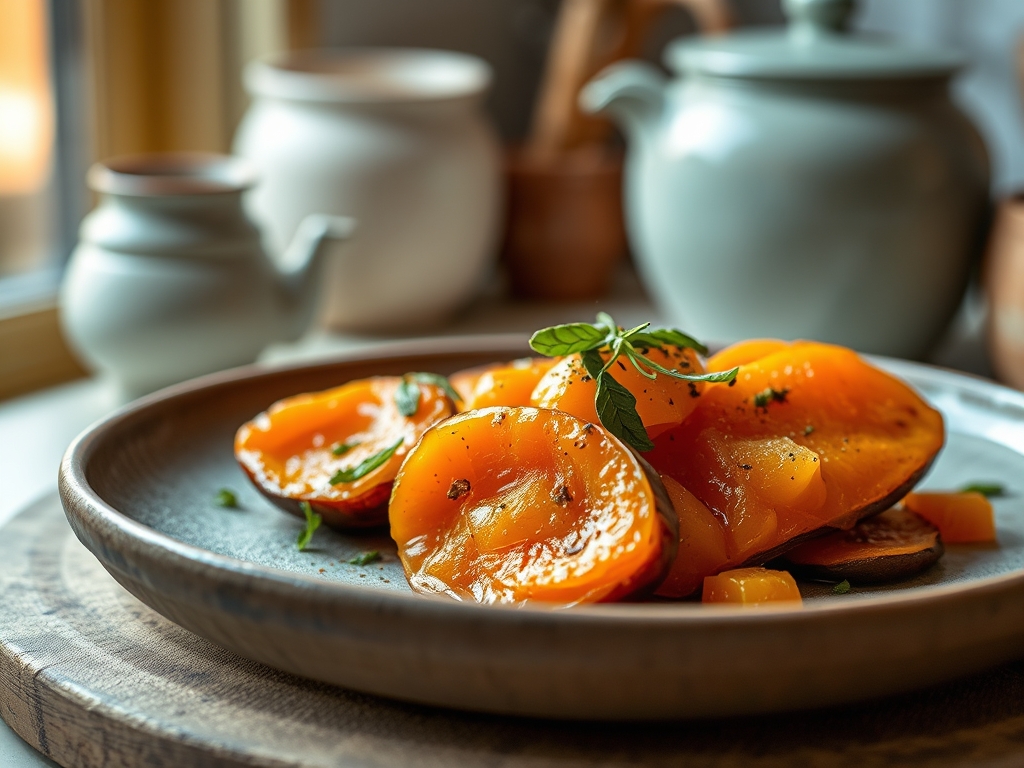
Imagine the scent of slow-roasting sugars filling your kitchen as the oven transforms humble tubers into molten, amber gold. When you are hunting for sweet potato recipes sweet enough to rival a French patisserie, you are really looking for the magic of caramelization. This is not just dinner; it is a masterclass in texture and natural sweetness.
The secret lies in the humble root's ability to undergo a total structural collapse. As the internal temperature climbs, enzymes called amylases begin to break down complex starches into maltose. This process turns a firm, fibrous vegetable into a custard-like base that is perfect for decadent desserts or elevated brunch dishes. Whether you are whipping them into a silky mousse or crisping them with a brown butter glaze, these seven hacks will redefine your culinary repertoire.
The Gathers:
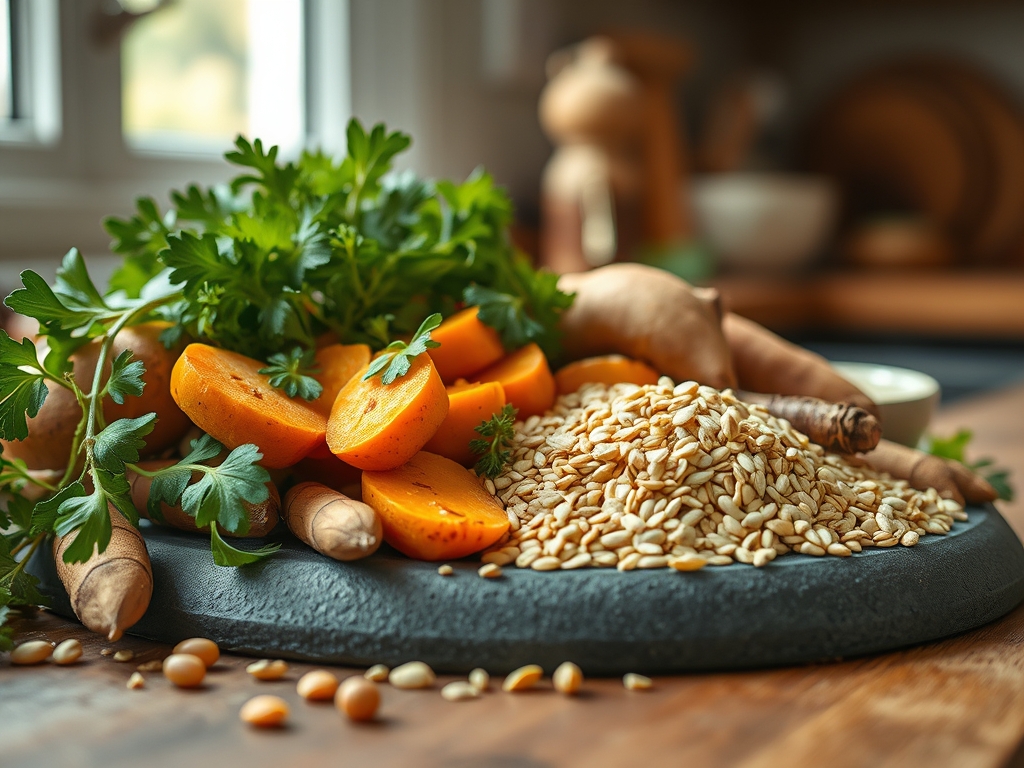
To execute these sweet potato recipes sweet and perfectly, your mise-en-place must be precise. Start with jewel-toned Garnet or Beauregard potatoes. These varieties possess a high moisture content and superior sugar profile compared to the drier, starchy Japanese varieties. You will need high-fat dairy to carry the flavor; think heavy cream with at least 36 percent butterfat or a high-quality European butter with a low water content.
Your toolkit is just as vital as your ingredients. Pull out your digital scale for precise ratios; baking is a game of grams. A microplane is essential for zesting citrus or grating fresh nutmeg to cut through the density of the tubers. You will also want a saucier for melting sugars and a silicone spatula to ensure every bit of viscous puree is recovered from the bowl.
Smart Substitutions:
If you are leaning into plant-based territory, swap the butter for refined coconut oil. It provides the necessary saturated fat for a firm set without the assertive coconut flavor. For a lower glycemic index, replace granulated sugar with maple sugar or a high-quality monk fruit blend. If you find your puree is too thin, a teaspoon of tapioca starch can help provide the necessary structure without making the dish gummy.
The Clock
Efficiency in the kitchen is all about the Chef's Flow. Roasting the potatoes is your longest lead time, usually requiring 45 to 60 minutes at 400 degrees Fahrenheit. While the tubers are in the oven, you should be prepping your infusions. Steep your spices in warm cream or brown your butter in a heavy-bottomed skillet during the final 15 minutes of roasting.
Once the potatoes are out, the "active" time is minimal; roughly 20 minutes of assembly. However, allow for a 10-minute resting period. This allows the cellular structure to stabilize, ensuring your final product is not a watery mess when you slice into it. Total time from pantry to table is approximately 90 minutes.
The Masterclass
1. The Triple-Roast Technique
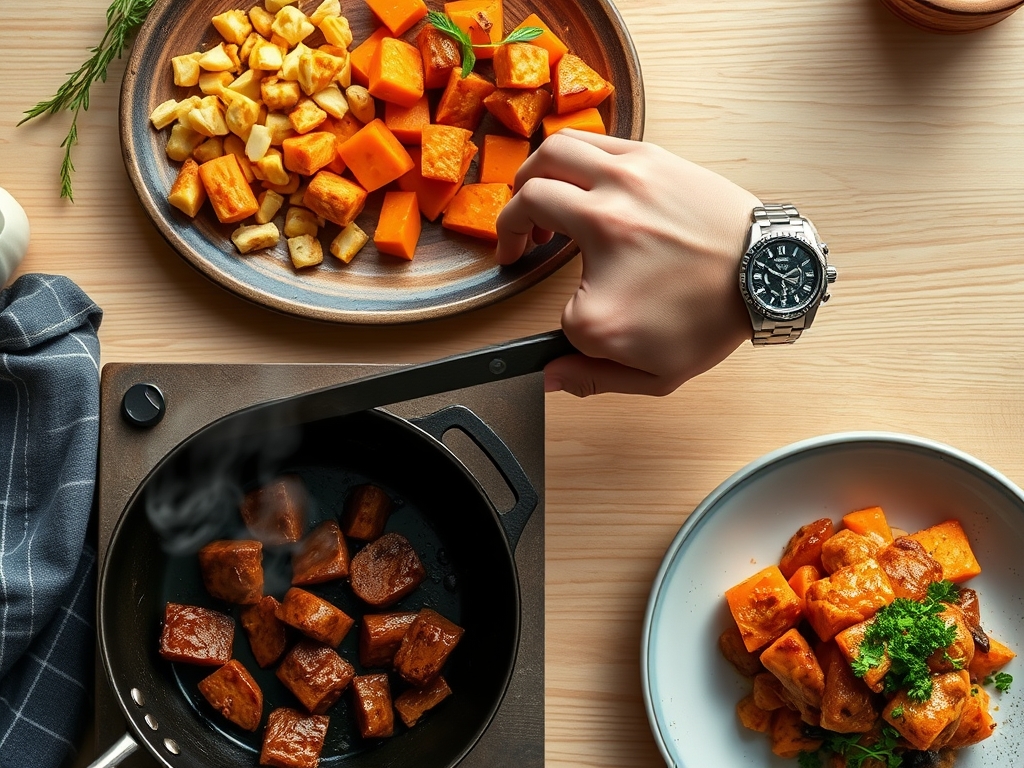
Start by pricking the skins and roasting the potatoes whole on a bed of kosher salt. This draws out excess moisture, concentrating the natural sugars. Once tender, slice them open and brush with a mixture of melted butter and honey before a final high-heat blast.
Pro Tip: This utilizes the Maillard reaction. By removing moisture via the salt bed, you raise the surface temperature faster, allowing amino acids and reducing sugars to create that signature toasted flavor profile.
2. The Brown Butter Emulsion
After mashing your roasted potatoes, slowly whisk in beurre noisette (brown butter). Use a balloon whisk to incorporate air, which lightens the dense texture of the starch.
Pro Tip: This is a lesson in emulsification. The milk solids in the butter act as an emulsifier, binding the fat to the water content in the potato for a mouthfeel that is velvety rather than greasy.
3. The Maple-Bourbon Deglaze
If you are pan-searing sweet potato rounds, use a heavy-bottomed skillet to get a hard char. Once they are caramelized, hit the pan with a splash of bourbon and maple syrup to scrape up the browned bits.
Pro Tip: Deglazing captures the "fond," or the caramelized proteins stuck to the pan. The alcohol in the bourbon also acts as a flavor bridge, dissolving aromatic compounds that water or fat cannot reach.
4. The Whipped Mousse Infusion
Pass your cooked potatoes through a fine-mesh sieve or a tamis to remove all fiber. Fold this into whipped mascarpone or heavy cream for a light, airy dessert base.
Pro Tip: This process prevents enzymatic browning. By processing the potatoes quickly while warm and folding them into a fat-rich medium, you limit oxygen exposure and keep the color vibrant orange.
5. The Spiced Praline Crunch
Top your sweet potato recipes sweet with a mixture of pecans, brown sugar, and a pinch of cayenne. Bake until the sugar reaches the "hard crack" stage.
Pro Tip: This adds textural contrast. The human brain perceives sweetness more intensely when it is paired with a crunchy element, as the varied surface area releases flavor compounds at different rates.
6. The Citrus Acid Brightener
Always finish your sweet potato dishes with a squeeze of lemon or a grating of orange zest using your microplane.
Pro Tip: This is about pH balancing. The acidity of the citrus cuts through the heavy starch and fat, "lifting" the flavor profile and preventing the dish from feeling cloying on the palate.
7. The Cold-Set Custard
For a no-bake option, blend sweet potato puree with coconut milk and agar-agar. Pour into molds and chill until firm.
Pro Tip: Understand thermal carryover. Even after you remove the mixture from the heat, the residual energy continues to hydrate the gelling agents. Always under-cook slightly if you want a creamy rather than rubbery set.
The Deep Dive
When we look at the macro nutrition, sweet potatoes are powerhouses of Vitamin A and fiber. However, when we transform them into sweet treats, we are increasing the caloric density. To keep it balanced, focus on using fats that offer stability, like grass-fed butter or coconut oil.
Dietary Swaps: For a Keto-friendly version, use roasted pumpkin mixed with a small amount of sweet potato extract to lower the carb count. For Vegan guests, aquafaba (chickpea water) can be whipped into a meringue to top your casseroles, providing that classic marshmallow fluff texture without the gelatin.
The Fix-It:
- Grainy Texture: This happens if the potatoes were undercooked. Fix it by adding a splash of warm cream and running the mixture through a high-speed blender.
- Too Sweet: If you overshot the sugar, add a teaspoon of apple cider vinegar or a pinch of flaky sea salt to neutralize the palate.
- Watery Puree: You likely boiled the potatoes instead of roasting. Place the puree in a saucier over medium-low heat and stir constantly to render out the excess moisture.
Meal Prep: To reheat these dishes while maintaining "day-one" quality, avoid the microwave. The microwave agitates water molecules unevenly, making the starch gummy. Instead, use a low oven (300 degrees) covered with foil to gently re-therm the dish without drying out the edges.
The Wrap-Up
Mastering sweet potato recipes sweet is about more than just following a list; it is about understanding the chemistry of the tuber. From the moment you select your Garnet beauties to the final grating of fresh nutmeg, you are orchestrating a series of scientific reactions that result in pure comfort. These seven hacks provide the foundation for a kitchen that smells like a dream and tastes like a professional bakery. Now, grab your bench scraper, clear your counter, and get roasting!
The Kitchen Table
How do I stop my sweet potatoes from being stringy?
Always pass your cooked potato flesh through a tamis or fine-mesh sieve. This physically removes the tough vascular bundles (the "strings") that are common in larger, older tubers, ensuring a perfectly smooth, professional-grade puree every time.
Can I make these recipes ahead of time?
Yes, you can roast and puree the potatoes up to three days in advance. Store the puree in an airtight container with plastic wrap pressed directly onto the surface to prevent an oxidized skin from forming before final assembly.
Why is roasting better than boiling for sweet recipes?
Boiling allows water to enter the potato cells, which dilutes the flavor and prevents caramelization. Roasting uses dry heat to evaporate moisture, concentrating the natural sugars and creating a deeper, more complex flavor profile through the Maillard reaction.
What is the best way to reheat sweet potato leftovers?
Use a 300-degree oven and cover the dish with foil. This provides gentle, even heat that preserves the moisture content. Avoid the microwave, as it can cause the starches to become unpleasantly rubbery and tough.